
Pruning
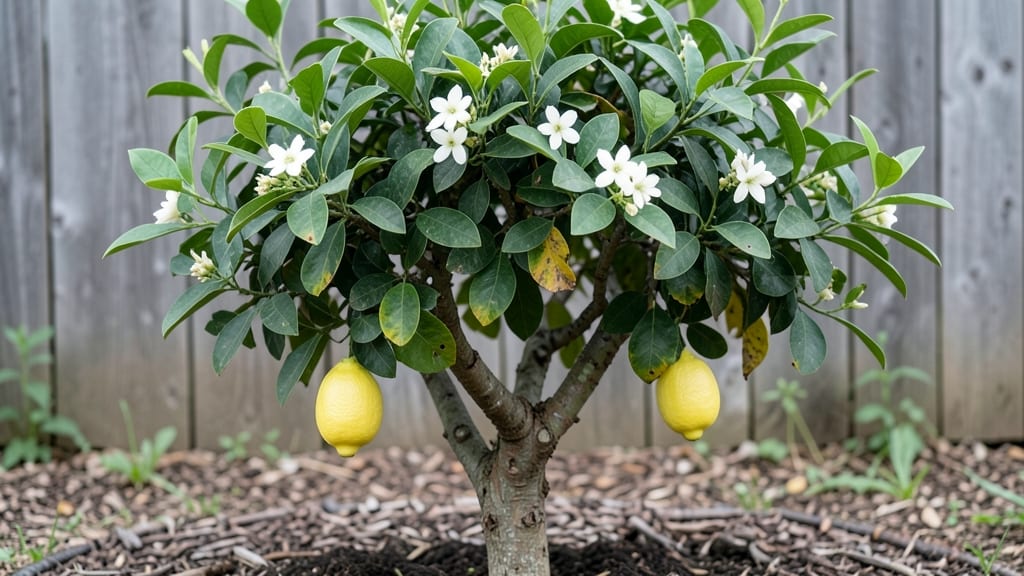
Your Mediterranean lemon tree can produce fruit year-round with the right pruning approach—no heavy-handed cuts needed. 🌿 I’ve learned that strategic trimming keeps these trees compact, boosts airflow, and ensures a steady harvest without stressing the plant.
The key is working with the tree’s natural growth habits rather than forcing it into a rigid shape.
Most people over-prune, thinking more cuts mean more fruit, but the opposite is true. Focus on removing only dead, crossing, or overcrowded branches—about 10-15% of the tree’s canopy—while leaving the rest to thrive.
This method keeps your tree healthy, productive, and looking effortlessly elegant in your garden or patio. The best part? You’ll see fresh lemons appearing at different times of the year, not just in one big flush.
This approach works for both potted and in-ground Mediterranean lemon trees, whether you’re in Zone 9-11 or a cooler climate with winter protection. The goal is minimal intervention that maximizes fruit production, so you spend less time pruning and more time enjoying the harvest.
Ready to transform your tree’s growth pattern?
We’ll cover the best times to prune, how to spot over-pruned branches (they’re giving you clues), and which tools make the job easier. No more guessing—just confident, low-maintenance citrus care that delivers lemons when you want them.
📚 In This Guide
- What you need
- Instructions
- Tips and common mistakes
- Wrapping up and next steps
What you need
- ● Pruning shears: Sharp, bypass pruners (for small branches, 4-6 inches long) – 1 pair.
- ● Loppers: For thicker branches (up to 2 inches in diameter) – 1 pair.
- ● Hand saw: Curved-tooth pruning saw (for stubborn, larger branches) – 1.
- ● Disinfectant: 70% isopropyl alcohol or copper fungicide (to sterilize tools between cuts) – small bottle.
- ● Gloves: Heavy-duty, cut-resistant (to protect from thorns and sap) – 1 pair.
- ○ Pruning sealant: Optional but helpful (e.g., Tanglefoot Tree Wound Pruning Seal) – small tube.
- ● Extension pole: For high branches (10-15 feet) – 1.
- ● Ladder: Sturdy, lightweight (if tree is over 6 feet tall) – 1.
- ● Twine or zip ties: For supporting new growth – small roll.
- ● Compost or mulch: To replenish soil after pruning – 5-10 gallons.
Step-by-step guide to pruning your Mediterranean lemon tree
Here’s how to shape your tree for abundant fruit while keeping it healthy and vibrant.
✂️ Step 1: Identify and Remove Dead or Diseased Branches
Start by inspecting your lemon tree for any branches that are brown, brittle, or showing signs of disease—like black spots, mold, or oozing sap. These are your first targets. Use clean, sharp pruning shears to cut just outside the branch collar, the swollen area where the branch meets the trunk. This ensures the wound heals properly and prevents disease from spreading.
I always prune dead wood first because it’s the easiest way to improve airflow and light penetration. If a branch is larger than ½ inch thick, disinfect your shears with rubbing alcohol between cuts to avoid cross-contamination. You’ll know you’ve done this right when the tree’s structure looks cleaner and more open.
✂️ Step 2: Thin Out Overcrowded Growth for Better Fruit Production
Next, focus on thinning out branches that are growing too close together. These compete for sunlight and nutrients, which reduces fruit quality and quantity. Look for branches that cross each other or grow inward—these are the ones to remove. Cut them back to a healthy outward-facing bud or branch. This step is crucial for Mediterranean lemon trees because they thrive when they receive plenty of light.
Real talk: Don’t overdo it. Aim to remove no more than 25% of the tree’s foliage in one session. You’ll see the difference in the next harvest when branches are spaced evenly and sunlight reaches all parts of the tree. If you’re unsure, err on the side of caution—you can always prune more later.
☀️ Step 3: Shape the Tree for Optimal Light Exposure
Now, it’s time to shape the tree to encourage a strong, balanced structure. Mediterranean lemon trees benefit from an open-center shape, which allows light to penetrate the canopy. Start by selecting 3-4 main branches to form the tree’s framework. These should be evenly spaced around the trunk and growing at a slight upward angle.
Trim back any branches that are growing straight up or too close to the center. Cut just above a leaf node or outward-facing bud to encourage new growth in the right direction. This step ensures your tree grows tall and sturdy while maximizing fruit production. You’ll notice new shoots emerging within 4-6 weeks—these are your tree’s way of telling you it’s happy with the new shape.
⏰ Step 4: Prune for Flowering and Fruit Set
For year-round harvests, timing matters. Prune lightly in late winter or early spring—just before new growth begins—to encourage flowering. Cut back any overly long branches by about ⅓ of their length, focusing on the outer edges of the tree. This stimulates the growth of new shoots, which will eventually bear flowers and fruit.
Here’s the thing—avoid heavy pruning in summer or fall, as this can stress the tree and reduce fruit set. Instead, do a light maintenance prune in summer to remove any suckers (shoots growing from the base or trunk) and any branches that are rubbing against each other. You’ll see a surge in new growth and flowers within 2-3 months of your spring pruning.
🌿 Step 5: Maintain Year-Round with Minimal Trimming
After the initial pruning, keep your lemon tree healthy with regular maintenance. Twice a year—once in late winter and once in early summer—do a quick check for any branches that need thinning or shaping. Remove any dead wood, diseased branches, or those that are crossing. This keeps the tree looking neat and ensures it continues to produce fruit abundantly.
Don’t forget to fertilize after pruning to support new growth. A balanced citrus fertilizer applied every 4-6 weeks during the growing season will keep your tree thriving. With this approach, you’ll enjoy a steady supply of lemons year-round with minimal effort.
Tips & tricks for perfect Mediterranean lemon tree pruning
A few strategic moves will transform your lemon tree from a tangled mess into a fruit-bearing powerhouse. Here's how to maximize your pruning efforts for that coveted year-round harvest.
Tool Prep: Sharpen your pruning shears before you start—dull blades tear tissue instead of making clean cuts. I also recommend having rubbing alcohol and a small brush on hand to clean and disinfect your tools between cuts, especially when dealing with diseased branches. This simple step prevents spreading pathogens to healthy parts of your tree. A small investment in quality pruning tools will make the process smoother and more effective.
Seasonal Timing Secret: The instructions mention spring pruning for flowering, but here's what nobody tells you about summer maintenance: After your spring pruning, mark your calendar for late summer (around August) to do a second light pruning. This removes any water sprouts that may have formed and keeps your tree's energy focused on developing next year's fruit rather than unnecessary growth. Think of it as your tree's second chance to prepare for winter.
Visual Cue for Pruning Angles: When shaping your tree in Step 3, look for branches that form a "V" shape with the trunk—these are your keepers. Cut back any branches that grow at sharp angles (less than 45 degrees) or directly upward, as they're less likely to bear fruit. The goal is to create an open vase shape where sunlight can reach the center. You'll know you're on the right track when you can see sunlight filtering through the canopy even on cloudy days.
Fertilizer Timing: While the instructions mention fertilizing every 4-6 weeks, here's the pro move: Apply your first fertilizer dose immediately after your spring pruning, then wait 6-8 weeks before the next application. This gives your tree time to recover from pruning stress before pushing new growth. Use a slow-release citrus fertilizer to avoid nutrient spikes that can burn tender new shoots. Your tree will thank you with stronger, more productive branches.
Pro Tips for Mediterranean Lemon Tree
- A few strategic moves will transform your lemon tree from a tangled mess into a fruit-bearing powerhouse.
- Tool Prep: Sharpen your pruning shears before you start—dull blades tear tissue instead of making clean cuts.
- This removes any water sprouts that may have formed and keeps your tree's energy focused on developing next year's fruit rather than unnecessary growth.
Frequently asked questions
Got questions about keeping your Mediterranean lemon tree thriving?
Here are answers to the most common ones—so you can enjoy that zesty harvest all year long!
When is the best time to prune a Mediterranean lemon tree?
The ideal time is late winter or early spring (before new growth starts), but you can do light pruning after harvests too. Avoid heavy cuts in summer or fall—it stresses the tree. For indoor trees, prune anytime except winter when growth slows.
How much should I trim back my lemon tree?
Remove no more than 25% of the foliage in one session. Focus on:
- Dead/diseased branches
- Crossing or crowded limbs
- Overly leggy growth
Can I prune my lemon tree in cold weather?
Outdoor trees should never be pruned in frost or freezing temps—it invites disease. Wait until temps stay above 40°F (4°C) for 3+ days. Indoor trees? Stick to spring/fall pruning for best results.
Will pruning reduce my lemon harvest?
Not if done right! Pruning increases fruit quality by:
- Directing energy to fewer, larger lemons
- Improving sunlight penetration
- Reducing overcrowding (which causes small, bitter fruit)
What if my lemon tree isn’t fruiting after pruning?
Check these fixes:
- Light exposure: Needs 6+ hours of sun daily.
- Pollination: Hand-pollinate with a brush if indoors.
- Fertilizer: Use citrus-specific feed in spring/fall.
- Patience: Young trees (under 3 years) focus on growth first.
Wrapping up and next steps
Growing a thriving Mediterranean lemon tree is all about balance—pruning with care to boost fruit production while keeping your tree healthy and vibrant. 🌿 With the right tools, timing, and techniques, you’ll enjoy a year-round harvest of juicy lemons without overcomplicating the process.
Whether you’re a beginner or a seasoned gardener, a little patience and precision go a long way!
Ready to take the next step? Start by observing your tree’s growth and scheduling your first pruning session—your future lemonade will thank you! 🍋✨