
Pruning
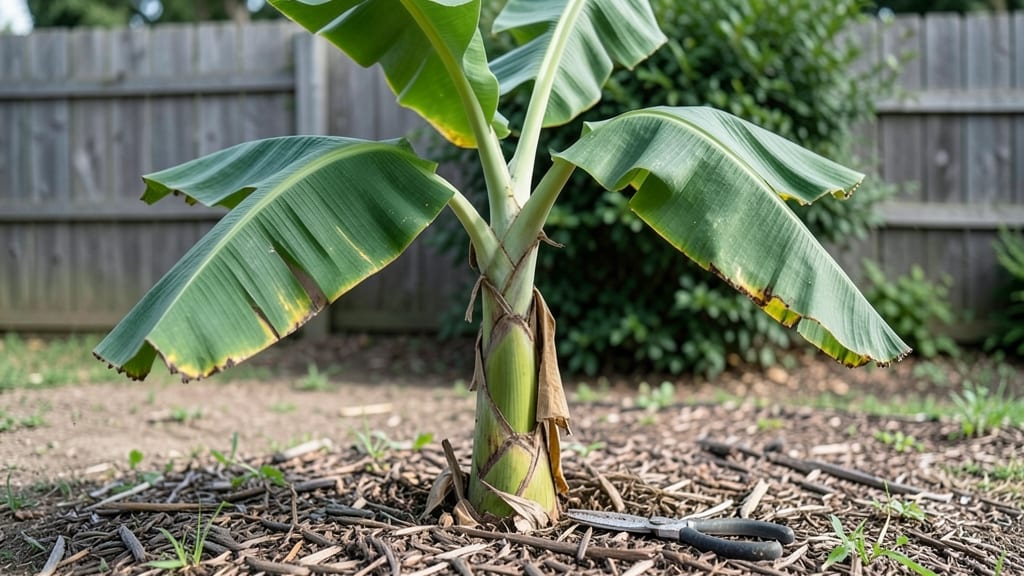
Trimming back a banana tree isn’t just about aesthetics—it’s the key to year-round growth and bigger harvests. 🌿 I’ve learned that skipping this step means weaker stems, fewer fruits, and a plant that struggles to support itself.
The right cuts at the right time can transform your banana tree from scraggly to sturdy, with new shoots popping up like clockwork.
You’ll need just a few tools: sharp pruners for clean cuts, heavy-duty gloves (those fronds pack a punch!), and a bucket to collect the fallen debris.
The real secret? Timing—prune after fruiting or during dormancy, never when the plant is actively growing. This keeps your tree productive without stressing it out.
What you’ll end up with is a banana tree that’s stronger, healthier, and more productive than ever. Air circulation improves, pests have fewer hiding spots, and new growth emerges faster. The first time I saw fresh green shoots after pruning, I knew I’d cracked the code.
Works for both dwarf and large varieties, and the same principles apply whether you’re growing in pots or the ground. Ready to give your banana tree the care it deserves? Let’s get started!
📚 In This Guide
- What you need
- Instructions
- Tips and common mistakes
- Wrapping up and next steps
What you need
- ● Sharp pruning shears or loppers: Choose bypass pruners (for clean cuts) or loppers (for thicker stems). Look for 5–8-inch blades with ergonomic handles for comfort.
- ● Disinfectant (rubbing alcohol or bleach solution): Mix 1 part bleach to 9 parts water to sterilize tools between cuts and prevent disease spread.
- ● Heavy-duty gloves: Opt for gardening gloves with reinforced palms to protect against sharp edges and sap.
- ○ Pruning saw (optional but helpful): For thick pseudostems (trunks) over 2 inches wide, a curved pruning saw makes the job easier.
- ● Compost bin or large trash bags: Collect 1–2 cubic feet of prunings (depending on tree size) for disposal or composting.
- ○ Tree wound dressing (optional): A natural sealant like beeswax or pruning paste can help large cuts heal faster (skip this for small trims).
- ● Ladder or sturdy step stool: If your banana tree is over 6 feet tall, reach safely with a lightweight aluminum ladder or foldable stool.
- ● Spray bottle with water: Keep tools and cuts damp to reduce sap stickiness and dust.
- ● Camera or phone: Snap before-and-after photos to track your tree’s progress!
Step-by-step instructions for trimming back a banana tree
Banana trees grow fast but need strategic pruning to stay healthy and productive.
✂️ Step 1: Identify Dead or Damaged Leaves
Start by examining the tree from top to bottom. Look for leaves that are completely brown, brittle, or torn—these are dead and need removal. Healthy leaves should be mostly green with some yellowing at the edges. I always begin with the oldest leaves at the bottom, since they’ve had the longest to degrade.
Gently tug on each leaf to test its strength. If it crumbles easily, it’s ready to go. Avoid cutting healthy leaves, even if they’re yellowing slightly—banana trees rely on them for photosynthesis. Mark each leaf you’ll remove with a piece of twine or a bright-colored flag to avoid confusion later.
✂️ Step 2: Sterilize Tools and Cut at the Right Angle
Before making any cuts, disinfect your pruning shears or saw with rubbing alcohol. This prevents fungal or bacterial infections from spreading to healthy parts of the tree. I use sharp, clean tools every time—dull blades tear tissue and slow healing. For larger stems, a handsaw works best; for leaves, sharp pruners are ideal.
Make cuts at a 45-degree angle, about ½ inch above a leaf node (the small bump where leaves attach to the stem). Cutting too close to the node can damage new growth, while leaving too much creates a stub that collects moisture and rots. Always cut just outside the leaf base to encourage clean healing.
✂️ Step 3: Remove Suckers and Weak Growth Strategically
Banana trees produce suckers—small shoots growing from the base. Keep only 2-3 of the strongest, healthiest suckers per tree, removing the rest at the base with a clean cut. Weak or crowded suckers compete for nutrients, stunting fruit production. I prioritize suckers with thick stems and vibrant green leaves over leggy or pale ones.
If the tree has multiple mature stems (pseudostems), prune the oldest one completely down to the ground after it finishes fruiting. This redirects energy to the younger, more productive stems. Never remove more than one-third of the tree’s foliage at once—this can shock the plant and reduce fruit yield.
🌿 Step 4: Clean Up and Monitor for New Growth
After pruning, remove all debris from the base of the tree. Leaving old leaves or cuttings invites pests and disease. I rake up fallen leaves and dispose of them in the compost bin—just avoid adding them back to the garden if they show signs of rot or pests. Water the base lightly to help the tree recover, but avoid overwatering for 3-5 days post-prune.
Watch for new leaves emerging from the center of the tree within 2-4 weeks. Healthy regrowth means the tree is thriving. If no new growth appears after 6 weeks, the tree may need fertilizer or better drainage. I always check the soil moisture and adjust watering based on the season—banana trees in hot climates need more frequent watering than those in cooler areas.
Tips & tricks for perfect banana tree trimming
Here's what nobody tells you about keeping your banana tree thriving after pruning.
Timing is Everything: The best time to trim is right after your banana tree finishes fruiting, but you can do light maintenance year-round. In tropical climates, aim for dry season trimming to reduce disease risk. I always avoid heavy pruning during rainy periods—wet conditions invite fungal infections through fresh cuts. The 3-5 day watering break after pruning helps wounds heal faster too.
Tool Upgrade: Don't just use any old pruners! A bypass pruner with a 6-inch blade works best for leaves, while a curved pruning saw handles thicker stems. I keep a small bottle of rubbing alcohol in my tool belt for quick sterilization between cuts. For large stems, a handsaw with a fine tooth blade prevents tearing the tissue. Always sharpen your tools before starting—dull blades crush stems instead of making clean cuts.
Visual Cues for Healthy Growth: When choosing which suckers to keep, look for these signs of health: thick stems (at least pencil thickness), vibrant green leaves (not yellow or purple), and upright growth (not leaning). The best suckers are the ones growing closest to the main stem but still have their own leaf structure. I've learned the hard way that keeping weak suckers just delays the inevitable—you'll have to remove them later when they're bigger and harder to cut cleanly.
Post-Prune Care: After cleaning up, spread a 2-inch layer of mulch around the base (but not touching the stem) to protect new growth. I use straw mulch because it breaks down slowly and adds organic matter. Avoid heavy mulch piles that can suffocate the tree. In hot climates, a light shade cloth can protect new leaves from sunburn while they establish. The key is to give your tree the best chance to recover without overwhelming it.
Pro Tips for Trim Back A Banana Tree
- Here's what nobody tells you about keeping your banana tree thriving after pruning.
- Timing is Everything: The best time to trim is right after your banana tree finishes fruiting, but you can do light maintenance year-round.
- Tool Upgrade: Don't just use any old pruners!
Frequently asked questions
Got questions about trimming your banana tree? You’re not alone! Here are answers to the most common concerns—from timing to tools—to keep your plant thriving.
When is the best time to trim a banana tree?
Trim your banana tree after it produces fruit or during late winter/early spring (before new growth starts). Avoid heavy pruning in summer—it stresses the plant when it’s already busy fruiting. Light maintenance (removing dead leaves) can happen year-round, but major cuts wait for dormancy.
Do I need special tools to trim a banana tree?
Basic pruning shears or loppers work for small branches, but larger stems may need a pruning saw or even a handsaw. Sterilize tools with rubbing alcohol to prevent disease. Never use dull blades—they tear tissue instead of cleanly cutting.
What if my banana tree looks sad after trimming?
Yellowing leaves or wilting? Don’t panic—it’s normal for 2–4 weeks post-prune. Keep soil moist (but not soggy) and fertilize lightly with a balanced mix. If leaves turn brown and droop severely, check for root rot or overwatering. Adjust care and monitor for recovery.
Can I trim a banana tree to encourage more fruit?
Yes! Prune selectively—remove only dead or overcrowded pseudostems (the "trunks") to redirect energy to fruit production. Focus on the mother plant (the oldest stem) first, as it’s the most productive. Avoid cutting more than 1/3 of the plant at once.
What do I do with the trimmed branches?
Compost healthy green leaves and small stems! Larger pseudostems can be chopped into mulch or used as barriers in gardens. Dispose of diseased branches in the trash—never compost them—to prevent spreading pathogens.
Will trimming kill my banana tree?
Not if done correctly! Banana trees are resilient, but over-pruning (cutting too much at once) or using dirty tools can stress the plant. Stick to 1–2 pseudostems per year for mature trees, and always leave at least one healthy stem. Patience pays off!
Wrapping up and next steps
Trimming your banana tree isn’t just about aesthetics—it’s the secret to healthier stems, better fruit production, and long-term vitality. 🌱 By following the right techniques (like pruning dead fronds, thinning crowded pseudostems, and timing cuts properly), you’ll encourage year-round growth while keeping pests and diseases at bay.
Remember, a little effort now saves big headaches later!
Ready to give your banana tree the care it deserves? Grab your pruners and start trimming! Then, watch as your tree thrives—and maybe even reward you with juicier, sweeter bananas in no time. Happy pruning! 🍌✨