
Pruning
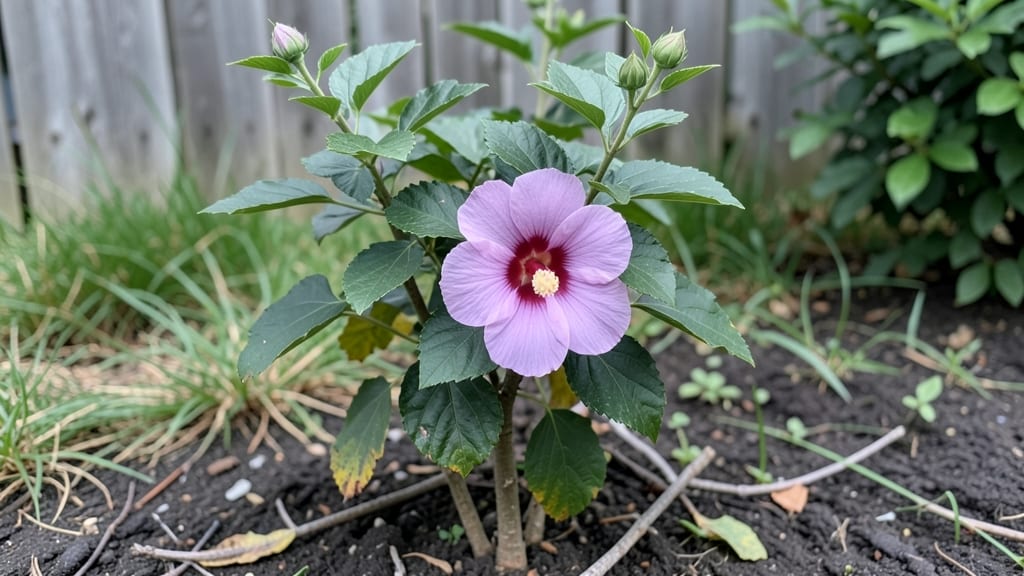
Taking care of a hibiscus tree means waking up to bold, velvety blooms that last all season—if you nail the basics. 🌺 I’ve watched mine go from struggling saplings to showstopping centerpieces by mastering just four key habits: watering deep but not soggy, feeding it right, pruning at the perfect time, and shielding it from winter’s chill.
The payoff? A tree that blooms like clockwork, even in summer’s heat.
Start with the right setup: 6+ hours of sunlight daily, well-draining soil with a touch of compost, and a container with drainage if you’re growing it in pots. Tropical hibiscus hate soggy roots, so mulch lightly to keep moisture steady without smothering the roots.
Feed it every 4-6 weeks with a balanced fertilizer during growing season—just skip the winter boost unless you’re in a warm climate.
Pruning is where most people trip up, but it’s simple once you know the trick: cut back one-third of the oldest growth in early spring to encourage fresh, flowering branches. Snip just above a leaf node at a 45-degree angle, and watch new shoots sprout within weeks.
Yellow leaves? Usually overwatering or poor drainage—let the soil dry slightly between waterings, and your hibiscus will bounce back faster than you’d expect.
Winter care depends on your zone: hardy hibiscus (like Hibiscus syriacus) handle frost, but tropical varieties need protection. Move potted plants indoors near a bright window or wrap the trunk in burlap if left outside.
With these adjustments, your hibiscus will reward you with nonstop blooms from spring through fall—and maybe even a few stubborn winter flowers if you’re lucky.
📚 In This Guide
- What you need
- Instructions
- Tips and common mistakes
- Wrapping up and next steps
What you need
- ● High-quality potting soil: 5-10 gallons (well-draining, slightly acidic, pH 6.0-6.5). Look for a mix labeled for tropical plants or acid-loving plants.
- ● Container or garden spot: For potted hibiscus: A container at least 12-18 inches deep and wide, with drainage holes. Terracotta or fiberglass pots work best.
- ● For in-ground planting: A sunny spot with 6+ hours of direct sunlight and loose, well-draining soil.
- ● Pruning shears: Sharp, bypass pruners (to avoid crushing stems) or sterilized loppers for thicker branches.
- ● Fertilizer: Balanced liquid fertilizer (e.g., 10-10-10) for general growth.
- ● Bloom booster (high in phosphorus, e.g., 5-10-5 or 7-9-5) for flowering seasons.
- ● Mulch: 2-3 inches of organic mulch (e.g., pine bark or coconut coir) to retain moisture and regulate soil temperature.
- ● Watering can or hose with adjustable nozzle: For gentle, deep watering (avoid overhead spraying to prevent fungal issues).
- ● Soil pH test kit: To monitor and adjust soil acidity if needed (aim for 6.0-6.5).
- ● Slow-release fertilizer pellets: For convenience during busy seasons.
- ● Plant supports or stakes: If your hibiscus grows tall (e.g., Hibiscus rosa-sinensis), use 3-4 bamboo stakes for stability.
- ● Fungicide (copper-based): For preventive care if your area is prone to leaf spot or powdery mildew.
- ● Garden gloves: To protect your hands while pruning or handling soil.
- ● Humidity tray or pebble tray: If you’re keeping hibiscus indoors, increase humidity with a shallow tray of water and pebbles.
Step-by-Step instructions for year-round hibiscus tree care
Here's how I keep my hibiscus blooming nonstop—no fancy tricks, just consistent habits.
🪴 Step 1: Choose the Right Spot for Light and Airflow
Hibiscus trees thrive in full sun—at least 6-8 hours daily. I place mine where it gets morning sun and afternoon shade in hot climates, which prevents leaf scorch. The key is bright, indirect light for most of the day.
Good airflow is just as important. Crowded spaces lead to fungal diseases like powdery mildew. If your tree is indoors, position it near an open window or use a small fan on low setting for 1-2 hours daily. You'll know airflow is right when new leaves stay crisp and free of white dusting.
💧 Step 2: Water Deeply and Maintain Consistent Moisture
Water when the top 2-3 inches of soil feel dry—stick your finger in to check. Hibiscus roots need steady moisture but hate soggy conditions. I water deeply until water runs out the drainage holes, then let excess drain completely.
In summer, I water every 2-3 days depending on heat. In winter, I reduce to once a week. Yellowing leaves usually mean overwatering, while crispy edges signal underwatering. The goal is soil that stays evenly moist but never waterlogged.
☀️ Step 3: Feed with Balanced Fertilizer During Growing Season
Use a balanced 10-10-10 fertilizer every 4-6 weeks from spring through summer. I dilute it to half-strength to avoid burning roots. Hibiscus are heavy feeders, so consistent nutrients keep them blooming.
Stop fertilizing in fall and winter. Too much fertilizer then causes weak growth that won't survive cooler months. You'll see the difference in 2-3 weeks—richer green leaves and more buds forming.
✂️ Step 4: Prune Strategically After Each Bloom Cycle
Prune right after flowers fade to encourage new growth. Cut back 1/3 of the oldest stems to the nearest leaf node. This opens airflow and redirects energy to younger, more productive branches.
Remove any dead, diseased, or crossing branches first. I always sterilize my pruners with rubbing alcohol between cuts to prevent spreading infections. The goal is to shape the tree while maintaining an open, airy structure.
⏰ Step 5: Protect from Cold and Adjust Care Seasonally
Hibiscus are tropical and need temperatures above 50°F. In winter, move potted trees indoors near bright windows. If outdoors, wrap the pot in bubble wrap and cover with frost cloth on cold nights.
Reduce watering in winter to every 7-10 days since growth slows. Resume normal care in spring when you see new leaf buds forming. This seasonal adjustment keeps your hibiscus healthy year-round.
Tips & tricks for perfect hibiscus tree care
Keeping your hibiscus blooming year-round takes just a few smart habits—here’s how to make it effortless.
Light and Airflow Secret: In Step 1, that 6-8 hours of bright, indirect light is non-negotiable for blooms. If your hibiscus gets afternoon shade naturally, great—but if not, rotate the pot every few days so all sides get equal sun exposure. For indoor trees, a south-facing window with a sheer curtain mimics perfect light conditions. And that 1-2 hours of fan time? It’s not just about airflow—it mimics natural wind, which actually strengthens stems and prevents leggy growth.
Watering Wisdom: The top 2-3 inches dry test in Step 2 is foolproof, but here’s the trick: water in the morning so excess drains completely before evening. I’ve seen hibiscus roots rot from sitting in soggy soil overnight—always check drainage holes after watering. In summer, if your leaves start curling slightly by midday, that’s normal heat stress, not underwatering. Just give it a light misting in the evening to cool it down.
Fertilizer Timing: That 4-6 week schedule during growing season works, but I’ve found hibiscus respond even better to a bi-weekly feeding with half-strength fertilizer. The key is consistency—skipping even one feeding can cause buds to drop. And here’s a pro move: mix in a handful of compost with each feeding. The microbes in compost help roots absorb nutrients more efficiently, giving you those vibrant blooms 2-3 weeks faster.
Pruning Pro Tip: When you’re cutting back 1/3 of the oldest stems in Step 4, look for stems with lots of leaf scars—they’re the oldest. Cut just above a leaf node where new growth will emerge. I always prune on a cloudy day to reduce stress on the plant. And if you’re worried about making mistakes, just remember: hibiscus are forgiving. Even if you cut too much, new growth will come from the base.
Pro Tips for Take Care Of Hibiscus Tree
- Keeping your hibiscus blooming year-round takes just a few smart habits—here’s how to make it effortless.
- Light and Airflow Secret: In Step 1, that 6-8 hours of bright, indirect light is non-negotiable for blooms.
- Watering Wisdom: The top 2-3 inches dry test in Step 2 is foolproof, but here’s the trick: water in the morning so excess drains completely before evening.
Frequently asked questions
Got questions about keeping your hibiscus tree thriving? Here are some of the most common concerns—and their simple solutions!
How often should I water my hibiscus tree?
Water your hibiscus deeply 2–3 times per week during hot months, ensuring the top 2–3 inches of soil are moist. In cooler seasons, reduce to once a week. Overwatering is worse than underwatering—always check soil moisture before watering!
When is the best time to prune a hibiscus tree?
Prune your hibiscus right after flowering (late spring/early summer) to encourage new growth. Avoid heavy pruning in fall/winter, as it can stress the plant. Light shaping is fine, but major cuts should wait until the active growing season.
What are the most common hibiscus pests, and how do I treat them?
Watch for aphids, spider mites, and whiteflies—they love hibiscus! Spray infested areas with neem oil or insecticidal soap, and wipe leaves with a damp cloth to remove pests. Encourage beneficial insects like ladybugs for natural control.
Can hibiscus trees survive cold winters?
Most hibiscus trees (like Hibiscus rosa-sinensis) are tropical and need protection below 50°F (10°C). Move potted plants indoors or wrap the trunk with burlap. Hardy varieties (e.g., Hibiscus moscheutos) tolerate light frost but still benefit from mulch.
Why aren’t my hibiscus flowers blooming?
Blooming fades with over-fertilizing (too much nitrogen), lack of sunlight, or improper pruning. Ensure your tree gets 6+ hours of direct sun, use a balanced bloom fertilizer, and prune to encourage air circulation. Patience helps—some varieties bloom seasonally!
Wrapping up and next steps
Caring for your hibiscus tree is all about consistency, patience, and a little love! 🌸 With the right pruning techniques, sunlight, watering, and soil conditions, you’ll enjoy vibrant blooms year-round. Remember, each trim and adjustment brings your tree closer to its full, lush potential.
Now that you’re armed with these expert tips, why not take the next step? Share your progress with fellow plant enthusiasts or experiment with new varieties. Your hibiscus will thank you with stunning, long-lasting flowers—happy gardening! 🌿