
Pruning
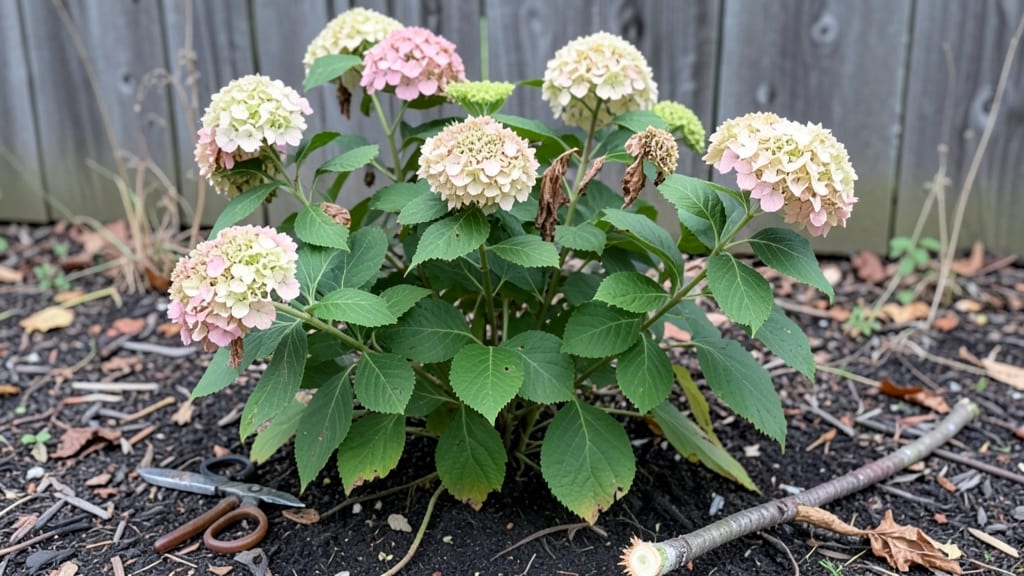
Fall pruning hydrangea trees isn’t just about cleanup—it’s the secret to next year’s showstopping blooms. 🌿 I’ve learned the hard way that skipping this step means smaller flowers and leggy growth, but once you master the timing and technique, your hydrangeas will reward you with lush, fuller clusters.
The key is acting before the first hard frost but after the leaves have dropped, when the plant’s energy shifts underground.
You’ll need sharp pruners, a clean towel for wiping cuts, and a clear day when the branches aren’t wet. Most hydrangea trees bloom on old wood, so avoid heavy pruning—just remove dead stems, crossing branches, and any that spoil the shape.
Think of it as giving your plant a spa day before winter. With the right cuts, you’ll encourage stronger growth from the base and prevent disease by removing damaged wood.
What you’ll end up with is a hydrangea tree that bursts into bloom earlier and stays compact all season. The flowers grow larger, the branches fill in more densely, and you’ll spend less time wrestling with overgrown stems next spring.
Plus, your plant will handle winter stress better when it’s properly shaped and prepared.
This method works for oakleaf, panicle, and smooth hydrangea varieties, though some like bigleaf need slightly different timing. Whether you’re a first-timer or refining your technique, these steps will give you confidence—and a garden that turns heads. Let’s get those pruners ready!
📚 In This Guide
- What you need
- Instructions
- Tips and common mistakes
- Wrapping up and next steps
What you need
- ○ Pruning shears (bypass or anvil type) – Choose sharp, high-quality shears (4-6" blades) for clean cuts. Optional: Loppers (8-10" blades) for thicker branches.
- ● Hand pruners (for precision) – Ideal for smaller stems (¼"–¾" diameter). Look for ergonomic grips to avoid hand fatigue.
- ● Pruning saw (if needed) – A curved-tooth saw for branches thicker than 2" in diameter.
- ● Disinfectant (70% isopropyl alcohol or bleach solution) – Clean tools between cuts to prevent disease spread.
- ● Garden gloves (nitrile or leather) – Protect your hands from thorns, sap, and debris.
- ● Heavy-duty trash bags or bucket – For collecting pruned branches (5+ gallon capacity recommended).
- ● Ladder or step stool – Ensure it’s stable and rated for your weight. Extendable ladders work for taller trees.
- ○ Marking twine or paint (optional) – Useful for tagging branches to remove or labeling sections for reference.
- ● First-aid kit – Include bandages and antiseptic for minor cuts or scrapes.
- ● Eye protection (safety glasses) – Shields against debris and sap splatter.
- ● Weather check – Prune on a dry, mild day (50–70°F). Avoid windy or rainy conditions.
- ● Tree health assessment – Inspect for pests, diseases, or dead branches before pruning.
Step-by-Step guide to pruning hydrangea trees in fall
Fall is the perfect time to shape your hydrangea tree for next year's stunning blooms—here's how to do it right.
✂️ Step 1: Identify Dead and Crossing Branches First
Start by removing any branches that are completely dead or diseased—they won’t regrow and can spread problems. Look for brown, brittle stems that snap easily when bent. Next, cut out branches that cross each other or rub against one another. These create wounds where pests and diseases can enter. Use sharp, clean pruning shears to make cuts at a 45-degree angle, about ¼ inch above a bud or outward-facing growth point.
Real talk: If you see a branch with no leaves and no green underneath the bark when you scratch it, that’s dead. Don’t hesitate—cut it out. Hydrangeas respond best when you remove the obvious first, so you’re not overwhelmed by the task.
✂️ Step 2: Thin Out Overcrowded Areas for Better Airflow
Hydrangea trees bloom on new wood, so you don’t need to worry about cutting back old growth drastically. Instead, focus on thinning out the center to improve airflow and sunlight penetration. Aim to remove about 20-30% of the total branches, prioritizing those growing inward or downward. This opens up the tree and encourages stronger, more vibrant blooms next season.
You’ll know you’re doing it right when you can see light filtering through the branches. If your tree looks dense like a bush, keep thinning until you can peek through the center. Avoid cutting more than ⅓ of the tree’s total growth in one season—this can stress the plant.
✂️ Step 3: Shape the Tree for Next Year’s Growth
Now’s the time to give your hydrangea tree its final shape. Step back and visualize how you want it to look—whether that’s a rounded canopy or a more open, airy structure. Cut back any branches that spoil the shape, making sure to leave a strong, healthy bud or stem behind. For larger branches, use loppers or a pruning saw to avoid tearing the bark.
Here’s the thing—hydrangeas grow quickly, so don’t overthink the shape. A natural, slightly uneven look often works best. Just avoid cutting into old wood (the thicker, woody stems) unless it’s absolutely necessary, as this can reduce next year’s blooms.
🌿 Step 4: Clean Up and Prepare for Winter
After pruning, rake up and dispose of all the clippings—don’t leave them on the ground, as they can harbor pests or diseases. If you notice any signs of pests (like holes in leaves or sticky residue), treat the tree with a neem oil spray or an insecticidal soap before winter sets in. This gives the tree a clean slate heading into dormancy.
Give the base of the tree a 2-3 inch layer of mulch (like shredded bark or wood chips) to protect the roots from freezing temperatures. Just keep the mulch 6 inches away from the trunk to prevent rot. Water the tree deeply before the first hard frost to ensure it’s hydrated for winter.
⏰ Step 5: Time Your Final Pruning Before Dormancy
Finish all pruning at least 4-6 weeks before your area’s first hard frost. This gives the tree time to heal and prepare for winter. If you live in a mild climate, you can prune later, but avoid cutting back too close to winter in colder zones—new growth won’t harden off in time.
Watch for the first frost date in your area and plan accordingly. If you’re unsure, err on the side of earlier pruning. Hydrangeas are tough, but they’ll thank you with bigger, healthier blooms next spring if you give them time to recover before the cold sets in.
Tips & tricks for perfect hydrangea tree pruning in fall
Fall pruning can make all the difference for next year’s hydrangea blooms—here’s how to avoid common mistakes and get it right.
Tool Prep Matters: Before you start, sharpen your pruning shears and disinfect them with rubbing alcohol. Dull tools crush stems instead of making clean cuts, which can damage the tree and invite disease. I also like to clean my tools between cuts on different branches to prevent spreading any potential pathogens that might be hiding in the bark.
Visual Cues for Step 2: When thinning out branches in Step 2, think of your tree like a haircut—you want to create airflow, not a solid wall. Hold your hand up to peek through the center. If you can’t see daylight filtering through, keep cutting until you can. This 20-30% thinning guideline isn’t just a number—it’s about creating that airy, open structure that hydrangeas thrive in.
Shape with Purpose: In Step 3, resist the urge to make everything perfectly symmetrical. Hydrangeas grow naturally uneven, and that’s okay! Focus on removing branches that grow inward or downward, which creates a more natural, balanced shape. I like to imagine I’m sculpting rather than pruning—it makes the process more intentional and satisfying.
Winter Prep Checklist: After pruning, don’t forget the little details in Step 4. That 2-3 inch layer of mulch should be fluffy, not compacted—think of it like wrapping your tree’s roots in a cozy blanket. And that 6-inch clearance from the trunk? It’s crucial to prevent rot. I mark the distance with a small stake so I don’t accidentally pile mulch too close.
Pro Tips for Hydrangea Tree Pruning In Fall
- Fall pruning can make all the difference for next year’s hydrangea blooms—here’s how to avoid common mistakes and get it right.
- Tool Prep Matters: Before you start, sharpen your pruning shears and disinfect them with rubbing alcohol.
- Visual Cues for Step 2: When thinning out branches in Step 2, think of your tree like a haircut—you want to create airflow, not a solid wall.
Frequently asked questions
Got questions about pruning your hydrangea tree in the fall? You’re not alone! Here are some of the most common concerns—and their answers—to help you trim with confidence.
When is the exact best time to prune a hydrangea tree in fall?
Prune your hydrangea tree after it blooms in late summer or early fall (September–October), but before hard frost hits. For varieties like Panicle or Oakleaf hydrangeas, this timing ensures you don’t cut off next year’s flower buds. Avoid pruning in late fall or winter, as cold stress can harm the plant.
How much can I cut back a hydrangea tree in fall without harming it?
For most hydrangea trees, aim to remove 1/3 of the plant’s height during fall pruning. Focus on dead, diseased, or crossing branches first, then thin out overcrowded areas. Avoid drastic cuts—hydrangeas thrive on gradual shaping. If your tree is young or struggling, light pruning (10–20%) is safer.
What if I skip fall pruning? Will my hydrangea tree still bloom next year?
Yes, but it may look less structured and produce fewer flowers. Fall pruning encourages stronger growth and better air circulation, reducing pests/diseases. If you miss it, prune lightly in early spring (before buds swell) to avoid cutting off potential blooms. Hydrangeas are resilient, but regular pruning keeps them healthier and more vibrant!
My hydrangea tree’s leaves are turning brown—is this normal after pruning?
Some browning is normal in fall, but excessive browning could signal stress from over-pruning, disease, or frost damage. If leaves wilt or drop prematurely, check for pests (like spider mites) or fungal spots. Water deeply after pruning and mulch the base to protect roots. Most trees recover by spring—just avoid pruning again until next fall!
Can I prune a hydrangea tree in fall if it’s still blooming?
Yes, but only if the blooms are spent (wilted or faded). Pruning while flowers are still vibrant risks removing next year’s buds. For Bigleaf hydrangeas (like Endless Summer), wait until after the first frost to prune. For Panicle or Smooth types, you can trim lightly even with late-season blooms—just avoid heavy cuts.
Wrapping up and next steps
Pruning your hydrangea tree in fall isn’t just about tidying up—it’s an investment in next year’s vibrant blooms!
By following the right techniques, timing, and tools, you’ll encourage healthier growth and stunning flowers. You’ve got this! Now, grab those pruners and give your hydrangea the care it deserves—your future garden will thank you.
🌱 Next Step: Mark Your Calendar!
Plan your fall pruning session before the first frost (typically late October to early November). Keep an eye on the weather and check local guidelines to ensure you’re ready when the time comes. Happy pruning! 🌿✨