
Trees
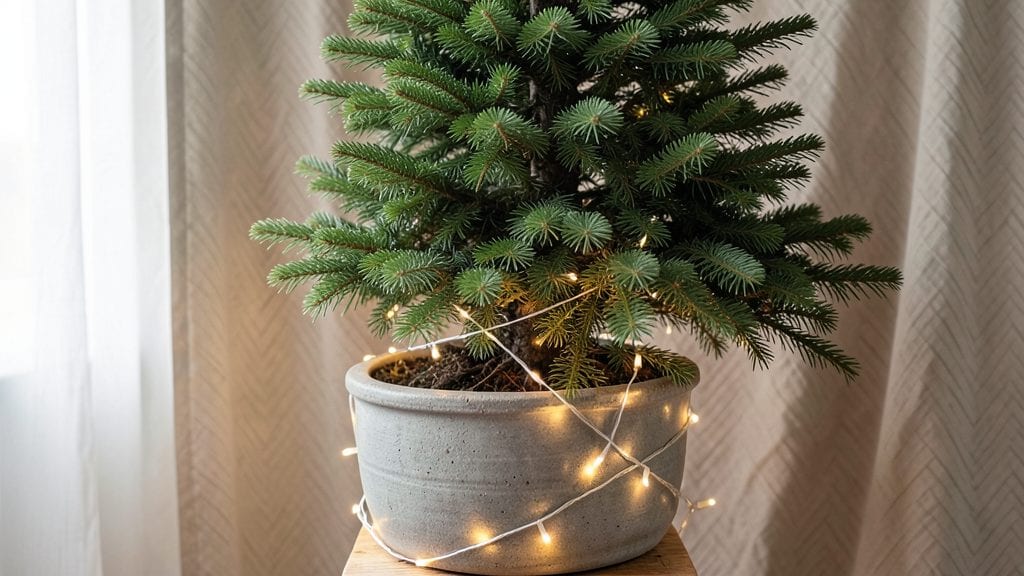
Transform your space with live Xmas trees in pots—no yard work required—just weeks of fragrant holiday cheer and a lush centerpiece that keeps giving. 🌲 The secret to their lasting beauty starts with choosing the right variety. the right tree and giving it the care it deserves.
I’ve turned my living room into a winter forest by mastering a few simple tricks: consistent watering, bright indirect light, and a cool spot away from heaters.
You’ll need a sturdy pot with drainage, a high-quality indoor-outdoor potting mix, and a location that mimics their natural habitat—think bright but not scorching, and humidity levels that won’t dry them out.
Most nurseries sell potted trees in early November, but if you’re late, check local tree farms for freshly dug specimens. The key is acting fast: these trees can drink gallons of water in a week, so keep the soil moist but never soggy.
By Christmas Eve, your tree will be lush and fragrant, its needles still crisp and vibrant—no drooping branches in sight. The best part? With proper care, you can replant it outdoors after the holidays, where it’ll grow into a full-sized tree for years to come.
Just avoid wrapping it in lights (they dry out the needles) and keep pets and kids from overwatering it.
Whether you’re renting, short on yard space, or just love the idea of a living holiday centerpiece, this method works. The trees stay green through New Year’s, and with a little planning, you’ll have a head start on next year’s garden. Let’s get yours thriving!
📚 In This Guide
- What you need
- Instructions
- Tips and common mistakes
- Wrapping up and next steps
What you need
- ● Live Christmas tree seedlings or saplings: 1–3 trees (species like Norfolk Island pine, Fraser fir, or Douglas fir work best). Height: 3–6 feet (adjust based on pot size and space).
- ● Large, weather-resistant pots: 1–3 pots (18–24" diameter, with drainage holes). Material: Plastic (lightweight) or ceramic (durable).
- ○ High-quality potting mix: 1–2 bags (well-draining, peat-free blend for trees). Optional: Add perlite or sand for extra aeration.
- ● Fertilizer: Slow-release granular fertilizer (10-10-10 or 20-20-20). OR liquid fertilizer (balanced, diluted to half-strength).
- ● Mulch or bark chips: 1 bag (to retain moisture and regulate soil temp).
- ● Watering can or hose with gentle spray nozzle.
- ● Pruning shears (sterilized).
- ○ Tree support stake (optional but helpful for young trees).
- ● Tree lights or ornaments: Solar-powered or battery-operated for safety. Moisture meter: To check soil hydration without overwatering. Epsom salt: For magnesium boost (mix 1 tbsp per gallon of water monthly). Decorative pot sleeves or wraps: For a polished holiday look. Indoor/outdoor thermometer: To monitor temperature swings.
Step-by-Step instructions for growing live Christmas trees in pots
Here's how to keep your holiday spirit alive year-round with potted Christmas trees.
🪴 Step 1: Choose the Right Tree and Container
Select a dwarf or slow-growing variety like Fraser fir, Nordmann fir, or Colorado blue spruce—these thrive in containers. The pot should be at least 12 inches deep with drainage holes, and 2-3 inches wider than the root ball for mature trees. I use lightweight containers with wheels so I can move them easily between indoor and outdoor spaces.
Fill the pot with high-quality potting mix (not garden soil) mixed with 20% perlite for drainage. This prevents root rot, which is a common killer of potted trees. Press the mix down gently around the root ball to eliminate air pockets, but don't compact it too tightly—roots need room to breathe.
☀️ Step 2: Position for Light and Temperature Balance
Place your potted tree where it gets full sun (6+ hours daily) during growing seasons but can be moved indoors when temperatures drop below 30°F. I keep mine on a covered patio in summer and wheel it into a garage or unheated shed in winter to protect it from freezing.
Water deeply when the top 2 inches of soil feel dry, but avoid soggy soil—overwatering suffocates roots. In winter, reduce watering to once every 2-3 weeks unless your home has dry indoor air. You'll notice needles dropping if the tree is thirsty or if it's getting too much direct heat from indoor sources like fireplaces.
✂️ Step 3: Prune and Fertilize for Healthy Growth
Prune lightly in early spring by trimming back any dead or overcrowded branches with clean, sharp shears. I avoid heavy pruning—just shape gently to maintain the tree's natural form. Fertilize in early spring and midsummer with a slow-release, balanced fertilizer (10-10-10) following package instructions. This encourages steady growth without burning the roots.
Watch for pests like spider mites or aphids, especially if you bring the tree indoors. A strong spray of water usually dislodges them, but for stubborn infestations, use an organic insecticidal soap. Healthy trees rarely attract pests, so proper care is your best defense.
🌱 Step 4: Transition Between Indoor and Outdoor Seasons
In late fall, move your tree outdoors to acclimate for 1-2 weeks before bringing it inside for the holidays. Start with 2-3 hours of outdoor exposure daily, gradually increasing to full-time outdoors. This prevents shock from temperature swings.
When decorating, avoid plastic ornaments—they can damage needles. Opt for lightweight, natural decorations or skip them entirely. Keep the tree away from heat sources, and mist the needles occasionally if indoor air is dry. You'll know it's happy if the needles stay vibrant and firm, not brittle or yellowing.
⏰ Step 5: Overwinter for Next Year's Holiday
After the holidays, move the tree back outdoors to a sheltered spot (like a garage or under a patio cover) where temperatures stay above 20°F. Water sparingly—just enough to keep the soil from drying out completely. In early spring, trim any dead growth and fertilize to kickstart new growth.
With proper care, your potted Christmas tree can live for 10+ years, becoming a cherished tradition. The key is consistency—balancing light, water, and temperature year-round. You'll love watching it grow and knowing you're reducing waste by reusing the same tree season after season.
Tips & tricks for perfect potted Christmas trees
Here's what I've learned after keeping potted Christmas trees for over a decade—these tricks make all the difference between a thriving tree and a sad, droopy one.
Container Selection: I can't stress enough how important the right container is. Look for pots with drainage holes—this is non-negotiable. For mature trees, I always choose containers that are 2-3 inches wider than the root ball as specified, but I also make sure the pot has wheels. This makes transitioning between indoor and outdoor spaces so much easier, especially when you need to move it quickly before that 30°F temperature drop. Lightweight materials like plastic or resin work well, but avoid anything too heavy that'll be difficult to maneuver.
Soil Mix Matters: The 20% perlite in your potting mix isn't just for show—it's crucial for preventing root rot. I like to add a handful of worm castings to the mix too (optional but helpful). These improve soil structure and provide natural nutrients. When you're pressing the mix around the root ball in Step 1, think "gentle firmness"—you want to eliminate air pockets without compacting the soil too tightly. Roots need that space to breathe and grow properly.
Light and Temperature Balance: That 6+ hours of full sun is critical during growing seasons, but don't overlook the importance of gradual transitions. I've seen trees go into shock when moved indoors too quickly. Start by placing your tree near a south-facing window for a few days before bringing it fully inside. And remember, when temperatures drop below 30°F, it's time to move it to a protected space. I use a simple thermometer near my patio to monitor temperature changes—it's a small investment that pays off big time.
Winter Watering Wisdom: The instructions mention reducing watering to once every 2-3 weeks in winter, but here's the thing: this can vary dramatically based on your indoor environment. If your home has dry air (especially with heat running), you might need to water more frequently. I check moisture by sticking my finger about 2 inches into the soil—if it feels dry at that depth, it's time to water. Just be careful not to overwater; soggy soil is the enemy of potted trees.
Pro Tips for Live Xmas Trees In Pots
- Here's what I've learned after keeping potted Christmas trees for over a decade—these tricks make all the difference between a thriving tree and a sad, droopy one.
- Container Selection: I can't stress enough how important the right container is.
- Soil Mix Matters: The 20% perlite in your potting mix isn't just for show—it's crucial for preventing root rot.
Frequently asked questions
Got questions about keeping your live Christmas tree in pots thriving year-round? We’ve got answers!
Whether you’re a first-time potted tree owner or looking to troubleshoot, here are the most common queries—and practical solutions—to keep your holiday green growing strong.
Can I keep a live Christmas tree in a pot indoors long-term?
A smaller tree (like a Norfolk Island pine, amaryllis, or dwarf Alberta spruce) can thrive indoors year-round, but traditional Christmas trees (like Fraser firs) need outdoor conditions to survive long-term. Opt for hardy species or move your tree outside in spring/summer for fresh air and sunlight. Pro tip: Use a pot with drainage holes and well-draining soil to prevent root rot!
How often should I water a potted Christmas tree?
Watering depends on your tree’s size and environment. Check the soil weekly—if the top inch feels dry, it’s time to water. Overwatering is the biggest risk, so ensure excess water drains away. In winter, reduce watering slightly, but avoid letting the soil dry out completely. Pro tip: Group potted trees together to create a humid microclimate!
What’s the best way to transition a potted tree from indoors to outdoors?
Acclimate your tree gradually over 7–10 days to avoid shock. Start by placing it in a sheltered spot (like a porch) for a few hours daily, then slowly increase exposure to sunlight and wind. In spring, move it to partial shade first, then full sun. Bonus: Prune dead branches in early spring to encourage new growth!
Are there alternatives to traditional Christmas trees that thrive in pots?
Consider these low-maintenance, potted-friendly options:
- Norfolk Island pine – Lush, evergreen, and drought-tolerant.
- Amaryllis (Hippeastrum) – Produces vibrant blooms and is easy to care for.
- Dwarf Alberta spruce – Compact, fragrant, and perfect for small spaces.
- Olive tree – Hardy, long-lived, and adds a Mediterranean touch.
Why are the needles falling off my potted Christmas tree?
Needle drop is usually a sign of stress—common causes include overwatering, underwatering, extreme temperature changes, or poor light. Check your tree’s environment: Ensure it’s in bright, indirect light (like a south-facing window) and avoid drafts. If the issue persists, repot the tree in fresh, well-draining soil and adjust your watering routine.
Can I reuse the same pot every year for my live Christmas tree?
While you can reuse the pot, it’s best to refresh the soil and pot every 2–3 years to prevent nutrient depletion and pest buildup. If repotting, choose a container 1–2 inches larger in diameter to give roots room to grow. Pro tip: Disinfect the pot with a 10% bleach solution before reuse!
Wrapping up and next steps
Bringing the magic of live Christmas trees into your home—without the mess or yard—is easier than ever with potted options! These versatile trees offer year-round greenery, festive charm, and eco-friendly benefits.
Whether you’re a first-timer or a seasoned holiday decorator, potted trees are the perfect blend of convenience and tradition.
Ready to transform your space? Start by browsing local nurseries or trusted online retailers to find the perfect tree for your home. Then, let the holiday spirit—and your new green companion—brighten up your days, one season at a time! 🎄✨