
Propagation
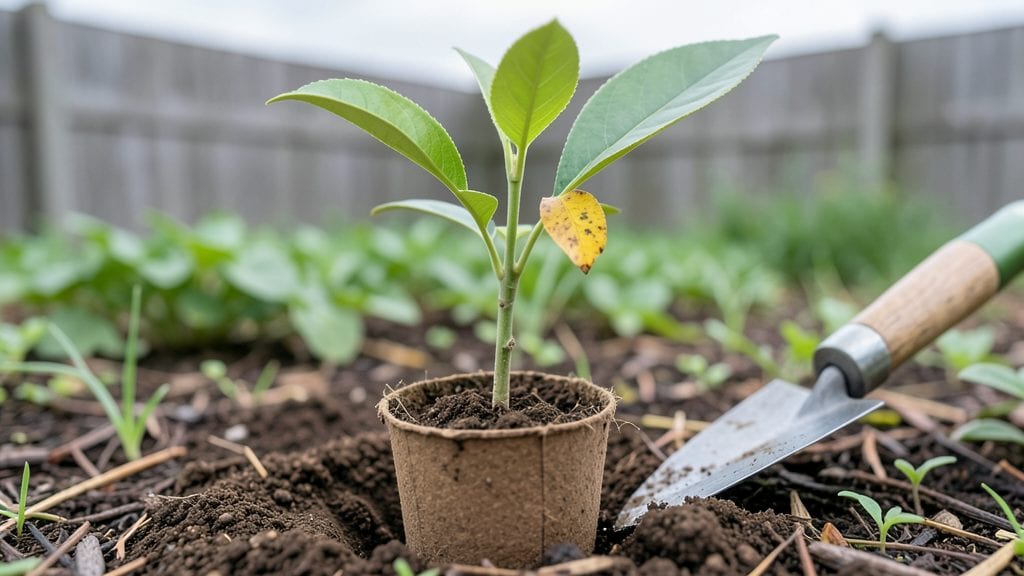
Planting a grapefruit tree from seed is a 10-year patience test that starts with a single pit and ends with a tree that smells like summer in your Pacific Northwest yard. 🌱 I’ve tried this three times—once with a seed that never sprouted, once with a seedling that died in winter, and once with a thriving 3-foot sapling that’s now the centerpiece of my patio.
The key isn’t luck; it’s knowing exactly how to coax that first green shoot through the soil.
Here’s the thing—grapefruit seeds germinate slowly, often taking 4-8 weeks to crack open, and even then, only about 1 in 5 will survive to transplant.
You’ll need a warm spot (70-80°F), a pot with drainage, and a mix of 60% peat moss, 30% perlite, and 10% sand to mimic the well-draining soil citrus trees crave. Forget the grocery store’s sad little seedling—this is how you grow one that actually thrives in our cooler climate.
By the time you’re pinching off those first true leaves, you’ll be hooked on the process. Those glossy, dark-green leaves mean you’re on the right track, and with daily sunlight (even in cloudy PNW summers) and occasional misting, your sapling will grow 6-12 inches per year.
The real magic happens when it finally flowers—though that could take 5-7 years, so grab a notebook to track progress.
Now, about those challenges: frost, root rot, and slow growth are the biggest villains. But with a heat lamp for seedlings and a protected indoor spot during winter, you can outsmart them.
Think of this as a long-term project—more like raising a child than growing a plant. Ready to start your citrus journey?
📚 In This Guide
- What you need
- Instructions
- Tips and common mistakes
- Wrapping up and next steps
What you need
- ● Grapefruit seeds: 2–3 fresh, plump seeds (harvested from a ripe grapefruit—avoid store-bought seeds treated with chemicals)
- ● Small seed-starting pots: 2–3 (3–4 inches deep) with drainage holes (or a biodegradable peat pot)
- ● Well-draining potting mix: 1 bag (look for a citrus-friendly blend or mix equal parts potting soil + perlite)
- ● Plastic wrap or clear dome: 1 (to create a mini greenhouse effect)
- ● Spray bottle: 1 (for gentle watering)
- ○ Sunlight access: A warm, sunny windowsill or a grow light (optional but helpful)
- ● Heat mat: 1 (keeps soil warm—70–80°F is ideal for germination)
- ● Fertilizer: A balanced citrus fertilizer (diluted to half-strength once sprouts appear)
- ● Pruning shears: Small pair (for future trimming)
- ● Larger pot (5–7 gallons): 1 (for transplanting after 3–6 months)
- ● pH testing kit: 1 (to check soil acidity—grapefruits love pH 6.0–7.0)
Step-by-step instructions for planting a grapefruit tree from seed
Here’s the method I’ve used to coax grapefruit seedlings into thriving saplings—even in the Pacific Northwest’s tricky climate.
🌱 Step 1: Extract and Prepare the Seed
Start with a fresh grapefruit—organic is best to avoid chemical residues. Cut the fruit in half and locate the seeds nestled in the membrane. I like to scoop them out with a spoon, then rinse them under cool water to remove any pulp clinging to the surface. Let them air-dry on a paper towel for 24 hours—this prevents rot when you plant.
Here’s the thing—grapefruit seeds have a hard outer shell that slows germination. To speed things up, I soak them in lukewarm water for 12-24 hours before planting. The water should cover the seeds by about ½ inch, and you’ll notice tiny cracks forming in the shell after a day. This softening step is critical, especially in cooler climates where germination can drag.
🪴 Step 2: Choose Containers and Plant the Seeds
Use 4-inch diameter pots with drainage holes—one seed per pot is ideal, as grapefruit seedlings grow quickly and need space. Fill each pot with a light, well-draining potting mix (avoid garden soil; it’s too dense and can suffocate roots). Press the mix down gently to create a firm planting surface, but don’t compact it.
Plant the soaked seed ½ inch deep, pressing it lightly into the soil so it stays in place. Water gently until the soil feels evenly moist but not soggy. Place the pots in a warm, bright spot—a seedling heat mat set to 75-80°F works wonders, especially if your home runs cooler. You’ll see the first signs of germination in 7-14 days, though it can take longer in cooler conditions.
☀️ Step 3: Provide Ideal Growing Conditions
Once the seedling emerges, move it to a south-facing window or under a grow light for 12-14 hours daily. Grapefruit seedlings crave light—without enough, they’ll stretch leggy and weak. You’ll know it’s getting sufficient light when the leaves are dark green and compact, not pale or elongated.
Water when the top inch of soil feels dry, but avoid letting the soil stay soggy. Overwatering is the fastest way to kill a young citrus seedling. I like to use a spray bottle for the first few weeks to keep the soil evenly moist without disturbing the delicate roots. Fertilize lightly with a balanced citrus fertilizer (5-5-5 ratio) once the seedling has 4-6 true leaves—this encourages strong root and stem development.
✂️ Step 4: Transplant and Harden Off
When the seedling reaches 6-8 inches tall and has 8-10 true leaves, it’s time to transplant into a 1-gallon pot with fresh potting mix. Choose a pot with drainage holes and fill it ⅓ full with mix, then place the seedling in the center, backfilling with soil while holding the stem straight. Water deeply to settle the soil and remove air pockets.
Before moving it outdoors, harden off the seedling over 10-14 days. Start by placing it outside in a sheltered, shaded spot for 1-2 hours the first day, then gradually increase exposure to full sun over the next week. This slow transition prevents shock and helps the seedling adjust to outdoor conditions. In the Pacific Northwest, wait until after the last frost date—citrus is extremely sensitive to cold, even as a young plant.
🌿 Step 5: Long-Term Care for a Thriving Sapling
Once outdoors, keep the grapefruit sapling in a protected spot (like a greenhouse or microclimate) until it’s at least 2-3 feet tall. Citrus trees are tropical and won’t tolerate frost—even young plants can die if temperatures drop below 30°F. If you’re in a colder region, plan to bring it indoors during winter or grow it in a large container that can be moved.
Prune leggy growth by pinching back the tips to encourage bushier growth. You’ll also want to fertilize monthly during the growing season with a citrus-specific fertilizer. Watch for pests like aphids or scale—citrus seedlings are magnets for them. A neem oil spray applied every 2-3 weeks keeps pests at bay without harming the plant.
Tips & tricks for planting a grapefruit tree from seed
A few key strategies will help you beat the odds and grow a thriving grapefruit sapling in the Pacific Northwest's challenging climate.
Seed Preparation Secret: The 24-hour drying period after rinsing is non-negotiable—it prevents fungal issues that can kill your seeds before they sprout. I've lost three batches when I skipped this step! After drying, place your seeds in a small container with lukewarm water (covering by ½ inch) and watch for those telltale cracks in the shell within 12-24 hours. That's your cue they're ready for planting.
Heat Mat Hack: Maintaining that 75-80°F range during germination makes all the difference in cooler climates. If you don't have a heat mat, try placing your pots on top of your refrigerator (not inside) or near a sunny window with a space heater on low. The goal is consistent warmth—citrus seeds need this tropical environment to break dormancy. Between us, I've had better germination rates using this setup than with fancy equipment.
Lighting Strategy: Those 12-14 hours of daily light are critical for preventing leggy seedlings. In the Pacific Northwest's shorter winter days, supplement with a simple LED grow light placed 6-12 inches above the plants. I keep mine on a timer to mimic daylight hours. Watch for leaves that are dark green and compact—this is your sign you're nailing the light balance. Pale or elongated leaves mean more light is needed.
Transplant Timing: Don't rush the 6-8 inch height requirement before transplanting—this ensures your seedling has developed a strong enough root system to handle the move. When you do transplant into the 1-gallon pot, bury about ⅓ of the stem below soil level. This encourages additional root growth from that buried section, creating a more robust plant. I've seen seedlings that were transplanted too early struggle with weak stems that couldn't support their own weight.
Pro Tips for Plant A Grapefruit Tree From Seed
- A few key strategies will help you beat the odds and grow a thriving grapefruit sapling in the Pacific Northwest's challenging climate.
- Seed Preparation Secret: The 24-hour drying period after rinsing is non-negotiable—it prevents fungal issues that can kill your seeds before they sprout.
- Heat Mat Hack: Maintaining that 75-80°F range during germination makes all the difference in cooler climates.
Frequently asked questions
Got questions about growing a grapefruit tree from seed? You’re not alone! Here are some of the most common concerns—and their answers—to help you navigate this citrus adventure like a pro.
How long does it take for a grapefruit seed to sprout?
A grapefruit seed typically sprouts within 2 to 4 weeks if kept warm (around 70–85°F) and moist. Patience is key—some seeds may take longer, especially if the soil is too cold or dry. Keep the soil consistently damp (not soggy) and place the pot in a bright, indirect-light spot to speed things up.
Will a grapefruit tree grown from seed produce fruit?
Yes, but it’s a long game—expect fruit in 5 to 10 years (or longer!). Seed-grown trees are also less predictable: fruit may differ in size, taste, or even color from the parent grapefruit. For faster, more reliable results, consider grafting a known variety onto your seedling later. Still, the thrill of watching your own tree bear fruit is worth the wait!
Can I grow a grapefruit tree indoors in the Pacific Northwest?
Grapefruit trees thrive indoors with plenty of sunlight (a south-facing window or grow lights) and warmth (60°F+). If you’re in a cooler PNW climate, bring potted seedlings inside before winter. Just watch for pests like spider mites and keep humidity moderate. A sunny indoor spot mimics their tropical roots—just don’t let them get drafty!
Why is my seedling growing tall but not bushy?
Leggy seedlings often mean too little light or overcrowding. Move your sapling to a brighter spot (or add a grow light) and pinch off the top leaves to encourage bushier growth. If the soil’s too wet, roots may struggle—let it dry slightly between waterings. With better light and care, your tree will fill out in no time!
What’s the best time of year to plant grapefruit seeds?
Anytime is fine, but spring or early summer gives seedlings the best head start. Warm soil speeds up germination, and longer daylight hours help young plants establish roots. If you start indoors, you can kick off the process in winter—just keep them cozy until outdoor temps rise. No strict rules, but timing can make a difference!
Wrapping up and next steps
Growing a grapefruit tree from seed is a rewarding journey that brings a taste of the tropics to your Pacific Northwest garden!
While it may take patience—especially in cooler climates—your dedication will yield a unique citrus sapling with the potential for sweet, homegrown fruit. Once your seedling sprouts and thrives, consider transplanting it to a larger pot or garden bed to give it the space and care it deserves.
🌱 Remember, every gardener starts somewhere—so take pride in your progress and enjoy the process!