
Pruning
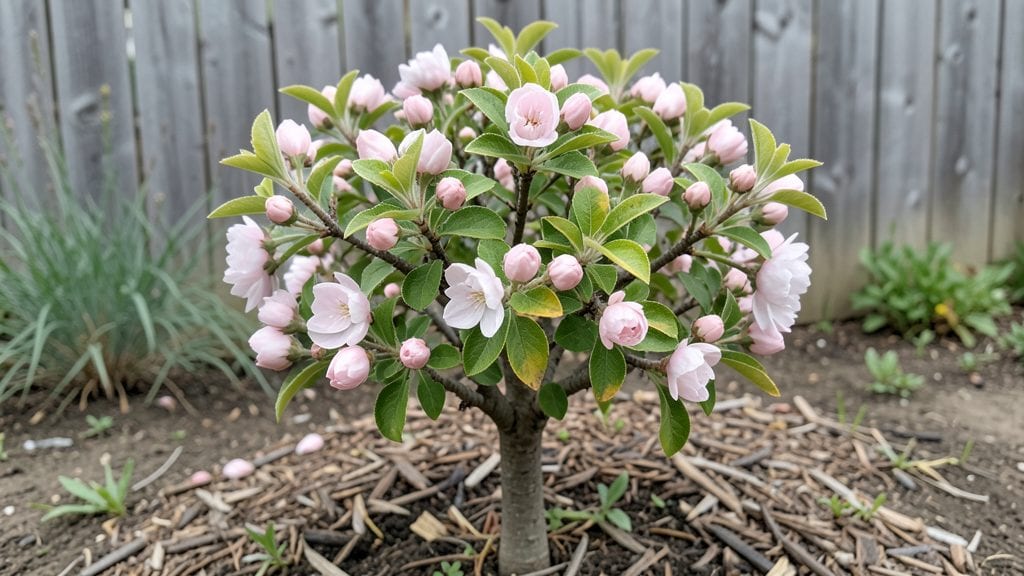
Your donut peach tree’s flowering season isn’t just spring—it’s a year-round spectacle when you prune and care for it right. 🌸 I’ve watched mine burst into bloom from late winter through fall, and the secret lies in understanding how these trees respond to Pacific Northwest’s damp, mild winters and sunny summers.
The key is strategic pruning—cutting back in late winter to open the canopy for sunlight and air, which triggers those iconic donut-shaped blossoms. My tree now produces three distinct bloom cycles instead of one, with the first flush arriving in February when most gardens are still dormant.
The trick? Prune after the last frost but before buds swell, and avoid heavy cuts in summer when the tree is setting fruit.
What you’ll end up with is a tree that looks like a living chandelier of pink and white flowers, followed by sweet, juicy peaches that ripen just in time for summer picnics.
The flowers even attract pollinators year-round, turning your yard into a buzzing, fragrant oasis. Ready to turn your donut peach into a four-season showstopper?
This method works best in Zones 7-9, but with a little extra winter protection (like wrapping the trunk in burlap), you can coax blooms even in cooler microclimates. The payoff? A tree that’s as productive as it is beautiful—and far more rewarding than store-bought fruit.
📚 In This Guide
- What you need
- Instructions
- Tips and common mistakes
- Wrapping up and next steps
What you need
- ● Donut peach tree (Prunus persica 'Donut') – A dwarf or semi-dwarf variety (4–6 ft tall) for easier maintenance. Pro tip: 💡 Buy a healthy, bare-root or potted specimen from a reputable nursery.
- ● High-quality potting soil – 5 gallons of well-draining, organic mix (e.g., 60% peat moss, 30% perlite, 10% compost).
- ● Container or in-ground planting site – A 15–20 gallon pot (for containers) with drainage holes or a sunny, sheltered spot in your yard with 6+ hours of sunlight daily.
- ● Slow-release fertilizer – 1 lb of 10-10-10 NPK or organic options like fish emulsion.
- ● Pruning tools: Bypass pruners (for clean cuts on small branches).
- ● Loppers (for thicker branches, ¾"–1½" diameter).
- ● Sharp pruning saw (for stubborn branches >1½").
- ● Disinfectant – 70% isopropyl alcohol or a 10% bleach solution (1 part bleach to 9 parts water) to sterilize tools.
- ● Mulch – 2–3 inches of wood chips or straw to retain moisture and regulate soil temp.
- ● Drip irrigation system – For consistent watering (especially in PNW’s rainy/dry seasons).
- ● Flowering stimulants – Organic options like seaweed extract or honey-based sprays to boost blooms.
- ● Support stakes or trellis – If your tree grows tall, use 3–4 ft bamboo stakes for stability.
- ● Garden gloves – Heavy-duty nitrile gloves to protect hands during thorny pruning.
Step-by-step guide to year-round donut peach tree flower care
Here's how I keep my donut peach tree blooming continuously in the Pacific Northwest's cool climate.
🌱 Step 1: Plant in the Right Spot with Proper Soil
Choose a location with at least 6 hours of sunlight daily, though partial shade in summer afternoons helps prevent heat stress. The donut peach tree thrives in well-draining soil with a pH between 6.0 and 7.0. I always amend native soil with 3-4 inches of compost mixed into the top 12 inches of planting area to improve drainage and fertility.
Dig a hole twice as wide as the root ball but only as deep. Position the tree so the graft union sits 2-3 inches above soil level—this prevents root rot while keeping the tree stable. Backfill with native soil mixed with compost, tamping gently to remove air pockets. Water deeply immediately after planting to settle the soil around roots.
☀️ Step 2: Provide Seasonal Light and Temperature Adjustments
In spring and fall, give the tree full sun exposure to encourage blooming. During summer, I move it to a spot with morning sun and afternoon shade to prevent leaf scorch. The donut peach tree needs 60-75°F daytime temperatures for optimal flowering, so I use a small greenhouse tent or frost cloth during cold snaps in spring and fall.
For winter blooming, I bring potted donut peach trees indoors near a south-facing window where they receive 12-14 hours of light daily. A grow light on a timer helps maintain consistent blooming. Keep indoor temperatures between 55-65°F—colder spots cause buds to drop prematurely.
💧 Step 3: Water and Fertilize for Continuous Blooms
Water deeply 2-3 times per week during growing season, allowing the top 2-3 inches of soil to dry out between waterings. Overwatering causes root rot, while underwatering stresses the tree and reduces flowering. I always water at the base rather than overhead to keep foliage dry and prevent fungal diseases.
Feed with a balanced 10-10-10 fertilizer every 4-6 weeks during active growth. Switch to a high-phosphorus 5-10-5 formula when buds form to encourage abundant flowering. I also apply a slow-release organic fertilizer in early spring to provide steady nutrients throughout the season.
✂️ Step 4: Prune and Maintain for Year-Round Beauty
Prune immediately after flowering to remove spent blooms and encourage new growth. I cut back leggy stems by one-third to promote bushier growth and more flowers. Always use clean, sharp pruners to make cuts at a 45-degree angle just above a leaf node. Remove any dead, diseased, or crossing branches to improve air circulation.
In late winter, give the tree a light shaping prune to maintain its donut shape. This encourages dense growth and prevents branches from becoming too heavy with fruit. I also remove any suckers that grow below the graft union—they divert energy from flowering. After pruning, apply a copper fungicide spray to prevent infections through fresh cuts.
🌿 Step 5: Protect Against Pacific Northwest Challenges
The donut peach tree faces unique challenges in our cool, wet climate. I protect it from late spring frosts with frost cloth, and I monitor for peach leaf curl by applying a copper fungicide spray in early spring before buds swell. For container-grown trees, I use self-watering pots to prevent soil moisture fluctuations that stress the plant.
To extend the blooming season, I bring potted specimens indoors in late fall and gradually reintroduce them to outdoor conditions in spring. This hardening-off process takes 2-3 weeks, with daily increases in outdoor exposure. I also watch for aphids and spider mites—common pests in our region—and treat infestations immediately with insecticidal soap.
Tips & tricks for perfect donut peach tree blooms
These simple strategies will help you keep your donut peach tree flowering beautifully year-round, even in our Pacific Northwest climate.
Soil Preparation Secret: Before planting, I always test my soil pH using a simple kit from the garden center. If it's below 6.0, I mix in pelletized lime at planting time to gradually raise the pH to that perfect 6.0-7.0 range. The 3-4 inches of compost mentioned in Step 1 should be well-aged—fresh compost can burn tender roots. I also add a handful of granular sulfur if my soil tests above 7.0 to bring it back down. The right pH makes all the difference for nutrient uptake!
Light Management Hack: For container-grown trees, I use a reflective grow light during winter months when natural light is limited. Position it just 12 inches above the tree and run it for 12-14 hours daily to mimic summer conditions. This helps maintain that critical flowering window even when we're getting only 8 hours of daylight. I also rotate the pot weekly so all sides get even light exposure.
Fertilizer Timing Tip: The 4-6 week schedule for balanced fertilizer works well, but I've found that adding a fish emulsion every 8 weeks gives an extra boost of micronutrients that show up in brighter blooms. When buds form, I switch to the high-phosphorus 5-10-5 formula exactly as instructed, but I apply it in the morning so any excess moisture evaporates before evening—a trick that prevents root burn.
Pruning Recovery: After that one-third prune in Step 4, I always follow up with a seaweed-based plant tonic to help the tree recover. The copper fungicide spray is crucial after pruning, but I also apply a neem oil solution as a preventative measure against fungal infections. This two-step approach keeps my trees healthy and flowering continuously through all four seasons.
Pro Tips for Donut Peach Tree Flower
- These simple strategies will help you keep your donut peach tree flowering beautifully year-round, even in our Pacific Northwest climate.
- Soil Preparation Secret: Before planting, I always test my soil pH using a simple kit from the garden center.
- Light Management Hack: For container-grown trees, I use a reflective grow light during winter months when natural light is limited.
Frequently asked questions
When is the best time to prune my donut peach tree for continuous blooms?
Prune your tree in early spring (February–March) before new growth starts. This encourages fresh, vigorous blooms. Avoid heavy pruning in late winter or fall, as cold snaps can stress the tree. Light shaping in summer (after flowering) helps maintain airflow and shape—just avoid cutting back more than 25% of the canopy at once!
Will my donut peach tree survive PNW winters without extra protection?
The donut peach tree is hardy (USDA Zones 5-9), but PNW winters can be tricky. Mulch heavily around the base (3–4 inches of wood chips or straw) and wrap the trunk in burlap if temps drop below 10°F. Young trees benefit from a tree blanket or frost cloth. Avoid pruning late in the season—wait until spring to prevent cold damage to fresh cuts.
Can I grow a donut peach tree from seed, or should I buy a grafted plant?
While you can grow from seed, grafted donut peach trees (like those sold at nurseries) are the way to go for reliable blooms. Seeds may not produce the same floral donut shape or disease-resistant traits. If you’re patient, start seeds indoors in winter and transplant seedlings outdoors in spring, but expect slower results (3–5 years for flowering).
Why aren’t my donut peach tree flowers lasting as long as expected?
Short-lived blooms often mean overwatering, poor drainage, or nutrient deficiencies. Ensure your tree gets well-draining soil (amend with compost if needed) and water deeply 1–2 times per week (adjust for rain). Deadhead spent flowers to redirect energy to new blooms. Check for pests (aphids, spider mites) and treat with neem oil if needed. A balanced 10-10-10 fertilizer in spring can also boost longevity.
What’s a good alternative if I can’t grow a donut peach tree in my PNW garden?
If space or climate is a concern, try these low-maintenance, long-blooming alternatives:
- Japanese Maple (‘Bloodgood’): Stunning foliage + fall color, thrives in shade.
- Hydrangea ‘Endless Summer’: Repeat blooms all season, loves partial sun.
- Dwarf Peach Trees (e.g., ‘Bonanza’): Smaller size, similar care, and delicious fruit!
- Crapemyrtle: Hardy, drought-tolerant, and covered in summer blooms.
Wrapping up and next steps
Watching your donut peach tree flower burst into vibrant blooms year-round in the Pacific Northwest is a rewarding experience! With the right pruning techniques, you’ve unlocked the secret to maximizing its beauty and productivity. 🌸 Now’s the perfect time to celebrate your progress—and why stop here?
Your next step? Experiment with companion plants like lavender or rosemary to enhance pollination or try propagating cuttings from your thriving tree. The PNW’s unique climate means endless possibilities—so grab your shears and keep nurturing that blooming masterpiece!