
Pruning
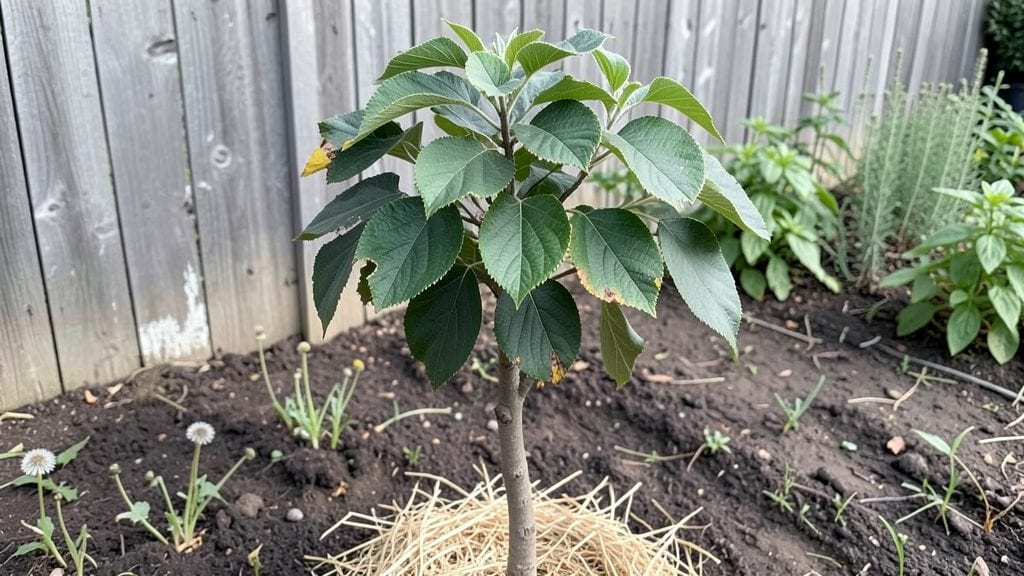
Growing a small mulberry tree in the Pacific Northwest means you can enjoy sweet berries without sacrificing yard space. I’ve grown compact varieties in my Seattle garden for years, and the key is choosing the right cultivar—like Illinois Everbearing or Dwarf Mulberry—that stays under 15 feet tall with proper pruning.
The berries ripen in late summer, turning deep purple and bursting with flavor, while the tree’s glossy leaves add year-round interest.
Start with well-draining soil and a spot that gets at least 6 hours of sunlight daily, though these trees tolerate partial shade better than most fruit trees. Water deeply once a week during the first year to establish roots, then taper off—mulberries hate soggy soil.
For container growing, a 15-gallon pot works for dwarf varieties, but expect slightly smaller fruit yields. The real magic happens when you prune in late winter to shape the tree and remove suckers, keeping it tidy and productive.
You’ll harvest your first crop in just 2-3 years, with trees producing enough berries to share with neighbors (if you can resist eating them all yourself). The fruit is rich in antioxidants, and the tree’s dense canopy provides shade—perfect for patios or small urban lots.
Just watch for aphids in spring; a strong spray of water usually keeps them in check. With the right care, your compact mulberry becomes both a functional and ornamental centerpiece.
Works equally well in backyards, courtyard planters, or even large containers. The only challenge? Resisting the urge to pick berries before they’re fully ripe—patience pays off with the sweetest flavor. Let’s get that tree planted!
📚 In This Guide
- What you need
- Instructions
- Tips and common mistakes
- Wrapping up and next steps
What you need
- ● Pruning shears: Bypass pruners (for cuts up to ½ inch thick). Example: Felco F-2 or Corona 4400.
- ● Loppers: For thicker branches (½–1.5 inches). Example: Fiskars PowerGear Lopper.
- ● Hand saw: Pruning saw with a fine-tooth blade (for branches >1.5 inches). Example: Bahco Laplander.
- ● Disinfectant: 70% isopropyl alcohol or 10% bleach solution (to sterilize tools between cuts).
- ● Gloves: Heavy-duty gardening gloves (mulberry thorns are no joke!).
- ○ Tree wound dressing (optional but helpful): Pruning sealant (e.g., Tanglefoot Tree Wound Pruning Seal).
- ● 5-gallon bucket: For collecting clippings (mulberry leaves are great for compost!).
- ● Timing: Prune in late winter/early spring (before buds swell) or summer after fruiting (avoid heavy pruning in fall).
- ● Weather: Choose a dry, overcast day (wet wood splinters easily).
- ● Safety gear: Safety glasses (in case of debris) and long sleeves/pants (thorns!).
- ● Local regulations: Check if your mulberry variety is invasive in your PNW county (e.g., Morus alba may be restricted in some areas).
- ● 🔥 Thin out, don’t just cut back! Remove 1/3 of the oldest wood to encourage new growth and airflow.
- ● ✨ Shape early: Train your tree’s structure in its first 2–3 years to prevent future struggles.
- ● 🌡️ PNW-specific: Watch for aphids or powdery mildew—prune infected branches immediately.
Step-by-Step instructions for cultivating compact mulberry trees
Pacific Northwest gardeners can grow these fruit-bearing beauties in small spaces with the right approach.
Select the Right Cultivar for Small-Space Growth
Not all mulberry varieties stay compact—opt for dwarf or columnar types like 'Illinois Everbearing' or 'Mulberry Tree Columnar'. These stay under 12-15 feet tall with proper pruning, making them ideal for urban lots or small yards. Check your nursery's rootstock options; grafted trees often grow more predictably in limited space.
Here's the thing—mulberries spread aggressively through roots, so choose a container-grown specimen if your space is tight. Bare-root trees need more room for their suckers to establish, which you don't want in a small garden. Look for 1-2 gallon container-grown trees at specialty nurseries—they've already developed a stronger root system in confined conditions.
Prepare the Planting Site with Proper Drainage
Mulberries hate soggy feet, so amend your soil with 3-4 inches of compost mixed into the top 12 inches of native soil. The Pacific Northwest's clay-heavy soils need this extra drainage boost. Test your site's drainage by digging a 12-inch deep hole—if water pools after 30 minutes, you need to add sand or gravel to improve drainage before planting.
Choose a location with full sun exposure (at least 6-8 hours daily) and shelter from strong winds. Mulberries produce better fruit when they're not constantly buffeted. If your yard has limited sunny spots, consider a large container (minimum 24-inch diameter) with wheels for seasonal sun relocation. The tree will thank you with more abundant harvests.
Plant at the Correct Depth and Stake for Support
Dig a hole twice as wide as the root ball but only as deep—planting too deep suffocates the roots. Gently remove the tree from its container and loosen any circling roots with your fingers. Place the tree in the hole so the top of the root ball sits 1-2 inches above ground level—this prevents settling and potential rot.
Backfill with native soil mixed with remaining compost, tamping down gently to eliminate air pockets. Install a 4-foot stake positioned 4 inches from the trunk and tie with soft fabric strips (never wire—it cuts into bark). Water deeply until moisture reaches 12 inches down, then add 2-3 inches of mulch (wood chips or straw) to retain moisture and regulate soil temperature.
Implement Strategic Pruning for Compact Growth
Prune in late winter or early spring before new growth begins. Remove any dead, diseased, or crossing branches first—these compete with your tree's energy. Then focus on shaping by cutting back overly vigorous branches to one-third their length. This encourages bushier growth rather than tall, leggy stems that dominate small spaces.
Here's what I do differently: I make all pruning cuts just above an outward-facing bud to direct growth patterns. For columnar varieties, prune only to remove suckers at the base—never cut the main trunk. After pruning, apply dormant oil spray in late winter to prevent pest infestations that can stress young trees. The first year's pruning sets the foundation for years of compact growth.
Maintain Consistent Watering and Fertilization
Water deeply 2-3 times per week during the first growing season, aiming for 1-2 gallons per watering depending on pot size. Let the top 2-3 inches of soil dry between waterings—consistent moisture prevents fruit cracking but don't let it become waterlogged. In containers, check soil moisture daily during summer heat waves, as pots dry out much faster than ground soil.
Apply a balanced 10-10-10 fertilizer in early spring and again after fruit harvest, following package rates. Mulberries respond well to organic options like compost tea or worm castings. Avoid high-nitrogen fertilizers—they promote leafy growth at the expense of fruit production. The key is moderate, consistent feeding rather than heavy doses that burn roots in our cool climate.
Tips & tricks for perfectly compact mulberry trees
Small-space gardening with mulberries takes the right approach—and these pro tips will help you avoid common pitfalls while maximizing your harvest.
Cultivar Selection Matters: When choosing between 'Illinois Everbearing' and 'Mulberry Tree Columnar', consider your specific space constraints. The columnar variety grows vertically like a shrub, ideal for narrow urban lots, while the Illinois Everbearing spreads slightly wider but stays under 12 feet. I always verify the nursery's rootstock—grafted trees maintain their compact form better than seed-grown varieties. Remember, the 1-2 gallon container-grown specimens you select will determine how well they adapt to confined spaces.
Soil Preparation Secret: That 30-minute drainage test in Step 2 is critical—it's the difference between a thriving tree and one struggling with root rot. For Pacific Northwest clay soils, I recommend mixing in equal parts compost and coarse sand for the top 12 inches. This creates the perfect balance of drainage and moisture retention. If your site has poor drainage, consider raised beds rather than in-ground planting for even better control.
Pruning Precision: When you're cutting back those overly vigorous branches to one-third their length in Step 4, focus on creating an open center that allows sunlight to penetrate. I use clean, sharp pruners and make cuts just above outward-facing buds to encourage new growth in the right direction. For columnar varieties, resist the urge to prune the main trunk—this is what maintains that vertical growth habit we want in small spaces. The dormant oil spray after pruning prevents pests from taking advantage of fresh cuts.
Container Gardening Hacks: If you're using that 24-inch diameter container mentioned in Step 2, add a layer of landscape fabric at the bottom before soil to prevent root circling. I also recommend using a self-watering container with a reservoir—this makes the 2-3 times weekly watering schedule much more manageable during our dry summers. Remember to check soil moisture daily in containers, as they dry out significantly faster than ground soil.
Pro Tips for Mulberry Tree Small
- Small-space gardening with mulberries takes the right approach—and these pro tips will help you avoid common pitfalls while maximizing your harvest.
- Cultivar Selection Matters: When choosing between 'Illinois Everbearing' and 'Mulberry Tree Columnar', consider your specific space constraints.
- Soil Preparation Secret: That 30-minute drainage test in Step 2 is critical—it's the difference between a thriving tree and one struggling with root rot.
Frequently asked questions
Got questions about keeping your mulberry tree small in the Pacific Northwest? You’re not alone! Here are answers to the most common concerns—from pruning tips to space-saving tricks.
Can a mulberry tree stay small naturally, or do I have to prune it?
A mulberry tree can grow compactly if you choose a dwarf variety like Morus alba ‘Pendula’ or Morus nigra ‘Compacta’. However, even these benefit from light pruning (20–30% of growth) in late winter to maintain shape and encourage bushier growth. Without pruning, most mulberries will sprawl—especially in PNW’s mild, wet climate, which fuels rapid growth.
When is the best time to prune a small mulberry tree?
The ideal window is late winter to early spring (February–March), just before new buds swell. This timing prevents heavy sap flow and aligns with the tree’s dormant phase. Avoid pruning in fall—it can stimulate late growth vulnerable to frost. Pro tip: If you must prune in summer (e.g., for safety), do it after fruiting to avoid stressing the tree.
How much can I cut back without hurting my tree?
For a small mulberry, aim to remove no more than 25–30% of the canopy per year. Focus on:
- Dead, crossing, or inward-growing branches (cut to the branch collar).
- Suckers at the base (snip at ground level).
- Overly long branches (shorten by ⅓ to encourage branching).
Will pruning a mulberry tree reduce fruit production?
Not if done correctly! Pruning increases fruit quality by improving air circulation and sunlight penetration. However, over-pruning (especially heavy cuts in one year) can reduce yield temporarily. Balance is key: Light annual pruning yields more and better berries. In the PNW, mulberries fruit on current season’s growth, so prune after harvest (late summer) to preserve next year’s crop.
Are there non-pruning ways to keep a mulberry tree small?
Yes! Try these low-maintenance strategies:
- Root pruning: Use a spade to trim roots in a 12-inch radius around the trunk (early spring). This redirects energy upward.
- Container growing: Plant in a large pot (3+ feet deep) with drainage holes. Dwarf varieties like ‘Illinois Everbearing’ thrive this way.
- Grafting: If you have a large tree, graft a dwarf scion onto it (best done by an expert).
- Mulch heavily: Apply 4–6 inches of wood chips to suppress root spread and retain moisture.
My mulberry tree has weird growth—lots of skinny branches. What’s wrong?
Skinny, “whip-like” branches often signal over-pruning or nutrient deficiency. Try this:
- Fertilize in early spring with balanced 10-10-10 or compost.
- Reduce pruning to only structural cuts (no “haircutting”).
- Check for aphids or spider mites (common in PNW). Spray with neem oil if needed.
Wrapping up and next steps
Growing a small mulberry tree in your Pacific Northwest garden is a rewarding way to enjoy fresh fruit, shade, and natural beauty—without sacrificing space! 🌿 With the right pruning techniques, soil prep, and a little patience, you can keep your tree compact, healthy, and productive for years.
Whether you’re a seasoned gardener or just starting out, this blueprint gives you the confidence to nurture a thriving mini-mulberry.
Ready to take the next step? Start by observing your tree’s growth this season—note how it responds to pruning and adjust your approach as needed. Before you know it, you’ll be harvesting sweet berries and showing off your green thumb! 🍇