
Propagation
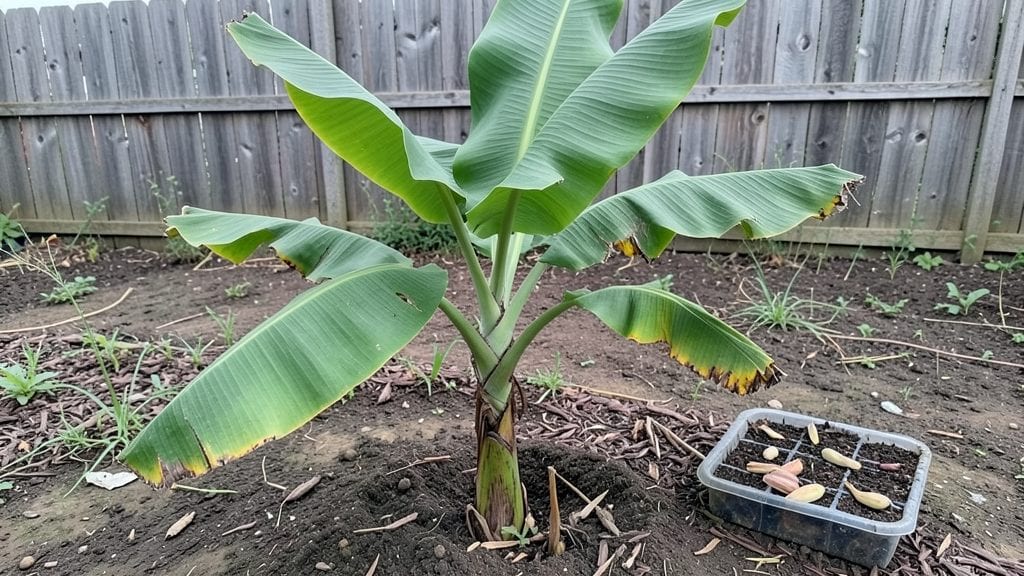
Growing a banana tree from seed is the ultimate tropical fantasy—imagine harvesting your own fruit from a backyard plant that looks like a real-life jungle escape. 🌿 The process starts with a simple seed, but patience and the right conditions turn it into a lush, leafy giant.
I’ve grown three from seed, and the first green shoots always feel like magic after months of waiting.
The biggest hurdle isn’t the seed itself—it’s giving it what it craves: warmth, humidity, and consistent moisture. You’ll need a pot with drainage, a mix of potting soil and perlite, and a spot that stays above 60°F year-round.
Even in cooler climates, a sunny windowsill or greenhouse can work, though outdoor growers in zones 10-11 get the fastest results. The seed might take 3-6 months to sprout, but once it does, growth is rapid.
By year two, you’ll have a 6-foot-tall plant with broad, dramatic leaves—though fruit production takes 4-5 years from seed. The real reward isn’t just the novelty of growing a banana tree, but the thrill of nurturing something most people think requires a tropical paradise.
With the right care, your seedling could one day produce small, edible bananas (though they’ll be seedy and less sweet than grocery store varieties).
This method works indoors or out, but container growers should plan for repotting every 1-2 years as the roots outgrow their space. The key to success? Mimicking the banana’s natural habitat—keep the soil damp, fertilize lightly during growth spurts, and protect young plants from cold drafts.
Mistakes happen, but even a slow starter can thrive with consistency.
📚 In This Guide
- What you need
- Instructions
- Tips and common mistakes
- Wrapping up and next steps
What you need
- ● Banana seeds: 2–5 fresh, viable seeds (harvested from an organic banana or purchased from a reputable supplier). Pro tip: 💡 If using store-bought bananas, save the seeds from organic varieties—non-organic seeds may be treated to prevent sprouting.
- ○ Biodegradable seed-starting pots or small containers: 3–5 (4–6 inches deep) with drainage holes. Optional: Paper towels or damp paper coffee filters for germination.
- ● Well-draining potting mix: 2–3 cubic feet of a blend designed for tropical plants or seed starting (e.g., 50% peat moss, 30% perlite, 20% coconut coir).
- ● Grow lights or a sunny windowsill: A full-spectrum LED grow light (12–16 hours/day) or a south-facing window with 6+ hours of direct sunlight.
- ● Spray bottle: For gentle watering (avoid over-saturating seeds).
- ● Plastic wrap or humidity dome: To maintain moisture during germination.
- ● Fertilizer: A balanced, water-soluble fertilizer (5-5-5 or 10-10-10) for seedlings, diluted to half-strength.
- ● Heat mat (70–85°F) to speed up germination.
- ● Large container (15+ gallons) for transplanting once the seedling reaches 6–12 inches tall.
- ● Mulch (straw or wood chips) to retain soil moisture in warmer climates.
- ● Pruning shears (for trimming larger leaves as the plant grows).
- ● pH testing kit (ideal soil pH: 5.5–7.0 for banana trees).
Step-by-Step instructions for growing a banana tree from seed
Here's how to turn a tiny seed into a thriving tropical plant—no greenhouse needed.
🌱 Step 1: Extract and Prepare the Seed
Grab a ripe banana (the riper, the better) and cut it in half lengthwise. You'll see the seeds clustered in the center—tiny, hard, black specks about the size of sesame seeds. Use a toothpick to carefully extract 4-5 seeds and rinse them in warm water to remove any fruit residue.
Place the seeds in a small bowl of lukewarm water and let them soak for 24 hours. This softens the outer coating and kickstarts germination. You'll notice some seeds float—discard those. The good ones will sink to the bottom. Drain and pat them dry with a paper towel before moving to the next step.
🪴 Step 2: Plant the Seeds in Moist Potting Mix
Fill a small container (like a 4-inch plastic pot) with well-draining potting mix—banana trees hate soggy roots. Moisten the mix until it feels like a damp sponge, but not dripping. Make a tiny hole about ¼ inch deep with your finger and place one seed inside. Cover it lightly with just enough mix to hide it completely.
Use a spray bottle to mist the soil surface until it looks evenly damp. Place the pot in a warm spot (75-85°F) with bright, indirect light—like a kitchen windowsill away from direct sun. Cover the pot loosely with plastic wrap to retain humidity, but leave a tiny gap for airflow. Check daily and mist again if the soil feels dry to the touch.
☀️ Step 3: Wait for Germination and Provide Care
Germination can take 2-6 weeks, depending on warmth and humidity. You'll know it's working when you see a small sprout pushing through the soil. Once the seedling appears, remove the plastic wrap immediately—too much moisture now invites rot. Water gently from the bottom by placing the pot in ½ inch of water for 10 minutes, then drain excess.
When the first true leaves (not the initial seed leaves) appear, it's time to upgrade. Move the seedling to a 6-inch pot with fresh potting mix and place it in bright, indirect light for another 4-6 weeks. Here's the thing—banana trees grow fast, but they need space. Keep the soil consistently moist but never soggy, and rotate the pot weekly so it grows straight.
🌿 Step 4: Transition to Outdoor Conditions
After 3-4 months, when your seedling reaches about 12 inches tall, it's ready for its first taste of outdoor life. Choose a spot with partial shade—direct sun can scorch young leaves. Harden it off by placing the pot outside for 1-2 hours the first day, gradually increasing time over 10-14 days until it can handle full outdoor conditions.
Once fully acclimated, transplant the seedling into the ground or a 12-inch container filled with fresh potting mix. Banana trees thrive in USDA Zones 10-11, but if you live in a cooler climate, grow it in a pot and bring it indoors during winter. Keep the soil moist and fertilize lightly every 2 months with a balanced fertilizer. Patience is key—it can take 3-5 years for your seedling to produce fruit, but the journey is worth it.
Tips & tricks for growing a banana tree from seed
Here's what I learned after watching my first banana seed sprout—and how to avoid the mistakes I made along the way.
Seed Selection Tip: In Step 1, when you're extracting seeds from a ripe banana, look for the largest, darkest seeds—they're the most likely to germinate. I used to pick randomly, but now I save the biggest ones for planting. Also, don't be tempted to rush the 24-hour soak—this critical step breaks down the seed's hard outer shell, and skipping it means waiting weeks longer for germination.
Planting Environment: The warm spot mentioned in Step 2 should ideally be above 75°F—closer to 80-85°F if possible. I placed my pot on top of my fridge initially, which worked perfectly. If your home stays cooler, consider using a seedling heat mat ($10 at garden stores) to maintain consistent warmth. And that plastic wrap? Keep it slightly ajar for airflow—condensation buildup can cause mold.
Germination Timeline: The 2-6 week range in Step 3 can feel like forever, but here's the thing: patience pays off. I almost gave up at week 3 when nothing happened, until I noticed a tiny sprout on day 28. Mark your calendar and check daily—sometimes seeds need that extra week. Once you see the first sprout, remove that plastic wrap immediately to prevent rot, even if it means your home gets slightly more humid for a few days.
Upgrade Strategy: When moving to that 6-inch pot in Step 3, use the "slip and slide" method: Gently squeeze the sides of the small pot while tilting it to release the seedling with its root ball intact. I learned this the hard way after pulling a fragile sprout out by its stem. Also, rotate your pot weekly—this might seem silly, but it prevents your seedling from growing lopsided toward the light source.
Pro Tips for Grow A Banana Tree From Seed
- Here's what I learned after watching my first banana seed sprout—and how to avoid the mistakes I made along the way.
- Seed Selection Tip: In Step 1, when you're extracting seeds from a ripe banana, look for the largest, darkest seeds—they're the most likely to germinate.
- Planting Environment: The warm spot mentioned in Step 2 should ideally be above 75°F—closer to 80-85°F if possible.
Frequently asked questions
Got questions about growing a banana tree from seed?
You’re not alone—this tropical adventure comes with its own set of curiosities! Below, we tackle the most common FAQs to help you navigate the process with confidence.
How long does it take for a banana seed to sprout?
A banana seed typically sprouts within 1–4 weeks if kept in warm, moist conditions (around 70–85°F). Patience is key—some seeds may take longer, especially if they’re dried out. Once sprouted, the seedling will grow slowly at first, so don’t rush it!
Can I grow a banana tree indoors?
Yes, but with limitations! Banana trees thrive outdoors in tropical climates, but you can grow them indoors in large pots near a sunny window or under grow lights. Just ensure they get plenty of humidity (mist leaves often) and temperatures above 60°F. Expect slower growth compared to outdoor plants.
Will my banana tree produce fruit from seed?
Probably not—at least, not the kind you’d eat! Banana trees grown from seed are sterile (they won’t produce edible fruit) and may take years to flower if they do. For fruit, you’ll need to graft a scion or propagate from a mature plant. Think of this as a decorative, low-maintenance tropical plant first!
Why is my banana seedling wilting or turning yellow?
Wilting or yellowing leaves usually signal overwatering, underwatering, or poor drainage. Check the soil—it should stay moist but not soggy. Yellow leaves can also mean nutrient deficiency (try a balanced fertilizer) or pests (inspect for aphids or mites). Adjust care and monitor closely!
Can I use a banana from the grocery store to grow a tree?
Nope! Store-bought bananas are seedless (or have non-viable seeds). For propagation, you’ll need a wild or heirloom banana with large, hard seeds inside the fruit. If you’re unsure, check local tropical nurseries or online seed banks for suitable varieties.
Pro Tip: Keep a growth journal!
Track soil moisture, sunlight, and fertilizer dates to spot patterns. A simple notebook or app can help you troubleshoot faster and celebrate milestones—like first leaves or root development!
Wrapping up and next steps
Growing a banana tree from seed is a rewarding journey that brings a touch of the tropics to your home! 🌱 With patience, the right conditions, and a little care, you can nurture a thriving plant that may even produce fruit someday.
Start small—plant those seeds, keep them cozy, and watch your green thumb work its magic.
Ready to take the next step? Once your seedling is strong and healthy, consider transplanting it into a larger pot or garden bed. And if you’re feeling ambitious, explore grafting or tissue culture techniques to speed up fruiting—because why wait when you can grow your own tropical paradise? 🌴