
Pruning
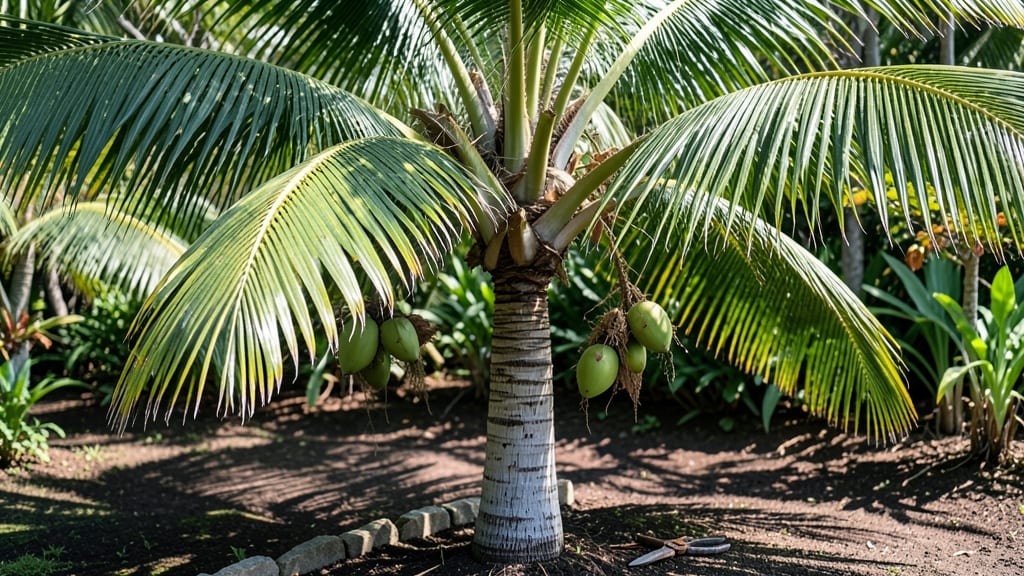
Growing a coconut tree from seed is the ultimate tropical dream—imagine harvesting your own coconuts in just a few years. 🌴 The key is patience and the right conditions, because these trees need warmth, humidity, and space to reach their full potential.
I started with a seed I saved from a grocery store coconut, and now I’ve got a 6-foot sapling thriving in my subtropical yard.
You’ll need a warm climate—think USDA zones 10-12—or a large indoor space with grow lights if you’re in cooler areas. The soil should drain well but stay moist, and a sunny spot with 6+ hours of direct light is non-negotiable.
Nursery-grown trees grow faster, but starting from seed is rewarding (and cheaper!).
Once established, your tree will reward you with glossy fronds and, eventually, coconuts—though it can take 5-10 years for a seed-grown tree to bear fruit. Prune dead fronds to keep it healthy, and watch for pests like scale or mealybugs.
The payoff? A lush, tropical-looking tree that turns heads (and maybe even produces coconuts if you’re lucky!).
For cooler climates, container growing is your best bet—just move it indoors before frost. Even if you never get coconuts, the dramatic foliage makes it worth it. Ready to grow your own piece of the tropics?
📚 In This Guide
- What you need
- Instructions
- Tips and common mistakes
- Wrapping up and next steps
What you need
- ● Coconut seed (nut) – A fresh, mature coconut with a firm husk (preferably from a hybrid variety like Tall or Dwarf for better adaptability). Pro tip: 💡 Soak the seed in water for 3–5 days to speed up germination!
- ● Potting mix – A well-draining blend of coconut coir, perlite, and peat moss (or 50% potting soil + 50% sand for outdoor planting). Quantity: 1–2 gallons per seedling pot.
- ● Large containers or nursery pots – 5–7 gallon pots with drainage holes for seedlings, or a 10+ gallon container for mature saplings (if not planting directly in the ground).
- ● Pruning shears or sharp knife – For trimming husks and cleaning seeds (sterilize with rubbing alcohol!).
- ● Garden gloves – To protect your hands from sharp husks and rough soil.
- ● Watering can or hose with gentle spray – Coconut trees love moisture but hate soggy roots.
- ● Fertilizer – A balanced, slow-release fertilizer (10-10-10 or 6-6-6) for seedlings, and a potassium-rich fertilizer (like 0-10-10) for flowering/mature trees.
- ○ Mulch (optional but helpful) – Wood chips or straw to retain moisture and regulate soil temperature.
- ● Warm climate zone – Coconut trees thrive in USDA Zones 10–11 (temperatures above 60°F (15°C) year-round). If you’re in a cooler zone, consider growing in containers and moving indoors during winter!
- ● Full sun exposure – 6+ hours of direct sunlight daily for optimal growth.
- ● Well-draining soil – Sandy loam or slightly acidic soil (pH 5.5–7.0) is ideal. Amend heavy clay with sand or compost.
- ● Space to grow – Mature coconut trees can reach 60–100 feet tall! Ensure 15–20 feet of clearance from structures and power lines.
- ● Patience! 🐢 – Germination can take 6–12 months, and fruiting may take 5–10 years.
- ● Heating mat – For indoor germination (keeps soil at 80–90°F (27–32°C)).
- ● Humidity dome or plastic wrap – To maintain moisture during early growth.
- ● Support stakes – For young saplings in windy areas.
- ● Soil moisture meter – To monitor water levels (coconut trees hate waterlogged roots!).
- ● Tropical plant food (like seaweed extract) – Boosts growth in nutrient-poor soils.
Step-by-step instructions for growing a coconut tree
Here’s how to bring a tropical paradise to your yard with just a few key steps.
🌱 Step 1: Select and Prepare Your Coconut Seedling
Start with a healthy young coconut tree—either a nursery-grown sapling or a seedling grown from a fresh coconut. If using a coconut, soak it in warm water for 3-5 days until the water turns brown and the seedling begins to sprout. You’ll know it’s ready when the sprout reaches 1-2 inches long.
For nursery saplings, choose a variety suited to your climate—dwarf varieties like Cocos nucifera ‘Malayan Dwarf’ thrive in containers and cooler zones. Avoid bare-root plants; they struggle to establish. Instead, opt for a 1-2 foot tall sapling with firm stems and glossy leaves.
☀️ Step 2: Choose the Perfect Planting Spot
Coconut trees need full sun—at least 6-8 hours daily—and protection from strong winds. In colder climates, plant near a south-facing wall or in a large container that can be moved indoors during frost. The soil should drain well; coconut trees hate soggy roots.
Dig a hole twice as wide as the root ball but no deeper. Mix the native soil with compost to improve drainage. If your soil is heavy clay, amend it with sand or perlite to mimic the tree’s native tropical conditions. Place the sapling so the top of the root ball sits 1-2 inches above ground level—this prevents waterlogging.
💧 Step 3: Plant and Water Deeply
Gently remove the sapling from its container and loosen any circling roots. Place it in the hole, then backfill with the amended soil, pressing lightly to eliminate air pockets. Water deeply—soak the soil until it’s 6-8 inches wet—to encourage root growth. Mulch around the base with 2-3 inches of organic mulch to retain moisture and regulate soil temperature.
For the first 2-3 weeks, water every 2-3 days to keep the soil consistently moist but not soggy. You’ll see new growth within 4-6 weeks if conditions are right. If leaves yellow or wilt, your tree may be overwatered—let the top 2 inches of soil dry out before watering again.
✂️ Step 4: Fertilize and Prune for Healthy Growth
Feed your coconut tree twice a year—once in early spring and again in early fall—with a balanced, slow-release fertilizer (10-10-10 or similar). Follow package instructions for dosage, but reduce by half if planting in sandy or well-draining soil. Over-fertilizing burns roots and stunts growth.
Prune only to remove dead or diseased fronds. Coconut trees are low-maintenance; avoid heavy pruning, as it stresses the tree. If you notice brown tips or curled leaves, it’s usually a sign of underwatering or salt buildup—flush the soil with clean water to leach out excess salts.
🪴 Step 5: Protect and Monitor for Long-Term Success
Young coconut trees are vulnerable to frost, pests, and wind. In colder zones, grow yours in a large container (at least 15 gallons) and move it indoors during winter. If planted in the ground, wrap the trunk in burlap or straw during cold snaps to insulate roots.
Watch for coconut rhinoceros beetles or scale insects, which can damage leaves. Spray with neem oil or insecticidal soap if you spot pests early. With proper care, your tree will produce flowers in 5-10 years—and coconuts in 7-12 years, depending on the variety.
Tips & tricks for growing a coconut tree
Here's what I learned after watching my first coconut tree thrive—and what I wish I knew before planting mine.
Seedling Selection: When sprouting a coconut, don't rush the 3-5 day soaking process. The water should turn brown and the sprout needs to reach 1-2 inches before planting. I tried planting too soon once, and the fragile sprout couldn't handle the transplant shock. Look for a firm, white root system that's at least 2-3 inches long when you're ready to plant.
Sunlight Strategy: Those required 6-8 hours of sunlight are non-negotiable, but here's the trick: if your climate gets intense afternoon sun, plant your tree slightly east of center in its space. This gives it morning sun to wake up gradually while protecting those tender leaves from the harshest afternoon rays. In containers, rotate the pot every few weeks to ensure even sunlight exposure all around.
Soil Secrets: The 2-inch elevation of the root ball above ground level is crucial—it prevents waterlogging that coconut trees absolutely hate. For heavy clay soils, mix in equal parts sand and perlite to create that perfect drainage. I've seen trees struggle in clay soil even with proper watering, so don't skip this amendment step. Pro tip: Test your soil's drainage by filling a container with your amended mix and pouring water through it—it should drain completely within 10 minutes.
Watering Wisdom: The first 2-3 weeks are critical for establishing roots, but here's what nobody tells you: coconut trees actually prefer slightly drier conditions after the initial planting phase. After those first 3 weeks, let the top 2 inches of soil dry out completely between waterings. I learned this the hard way when my first tree developed yellow leaves from overwatering—now I check soil moisture with my finger before watering, especially in humid climates where evaporation is slower.
Pro Tips for Coconut Tree
- Here's what I learned after watching my first coconut tree thrive—and what I wish I knew before planting mine.
- Seedling Selection: When sprouting a coconut, don't rush the 3-5 day soaking process.
- Sunlight Strategy: Those required 6-8 hours of sunlight are non-negotiable, but here's the trick: if your climate gets intense afternoon sun, plant your tree slightly east of center in its space.
Frequently asked questions
Got questions about nurturing your own coconut tree? You’re not alone! Here are some of the most common queries—plus straightforward answers to help you grow with confidence.
How long does it take for a coconut tree to grow from seed?
A coconut tree grown from seed can take 5–10 years to produce its first coconut, depending on climate and care. Patience is key—these trees grow slowly but reward you with a tropical canopy over time! For faster results, consider grafting or buying a young sapling from a nursery.
What’s the best climate for growing a coconut tree?
Coconut trees thrive in tropical or subtropical climates with consistent warmth (70–90°F), high humidity, and 150+ inches of annual rainfall. If you live in a drier region, mimic these conditions with regular watering and protection from frost. Coastal areas or greenhouses work well for cooler zones!
Why is my coconut tree not growing? Common issues and fixes
Slow growth often stems from poor drainage, nutrient deficiencies, or pests. Check for:
- Yellowing leaves → Overwatering or root rot (improve drainage!).
- Brown tips → Underwatering or low humidity (water deeply + mulch).
- Holes in leaves → Coconut rhinoceros beetles (use neem oil or traps).
If soil tests show deficiencies, amend with potassium-rich fertilizer (like banana peel tea) every 3–6 months.
Can I grow a coconut tree in a pot? What size container do I need?
Yes! Young coconut trees adapt well to pots for 3–5 years before transplanting. Use a large container (at least 18–24 inches wide) with drainage holes, filled with well-draining soil mix (coconut coir + perlite). Rotate the pot occasionally for even sunlight exposure. Just remember: Potted trees may produce fewer coconuts than in-ground plants.
How do I harvest coconuts from my tree?
Harvest when the husks turn brown and the coconut rattles inside (usually 12–18 months after flowering). Use a long pole or ladder to reach high clusters, then:
- Cut the stalk with pruners or a saw.
- Let the coconut dry in the sun for 1–2 weeks.
- Crack open with a machete or hammer (wear gloves—husks are sharp!).
Pro tip: Wear eye protection—falling coconuts can be heavy!
Wrapping up and next steps
Growing a coconut tree is a rewarding journey that brings a taste of the tropics to your own backyard! 🌴 By selecting the right variety, preparing your soil, and providing consistent care, you’ll soon enjoy fresh coconuts straight from your own tree.
Remember, patience is key—these tropical beauties take time to mature, but the payoff is worth it.
Now that you’re armed with knowledge, take the next step—whether it’s planting your first seedling or nurturing a sapling. Share your progress with fellow plant enthusiasts or explore more ways to enhance your tropical oasis. Happy growing! 🌱✨