
Propagation
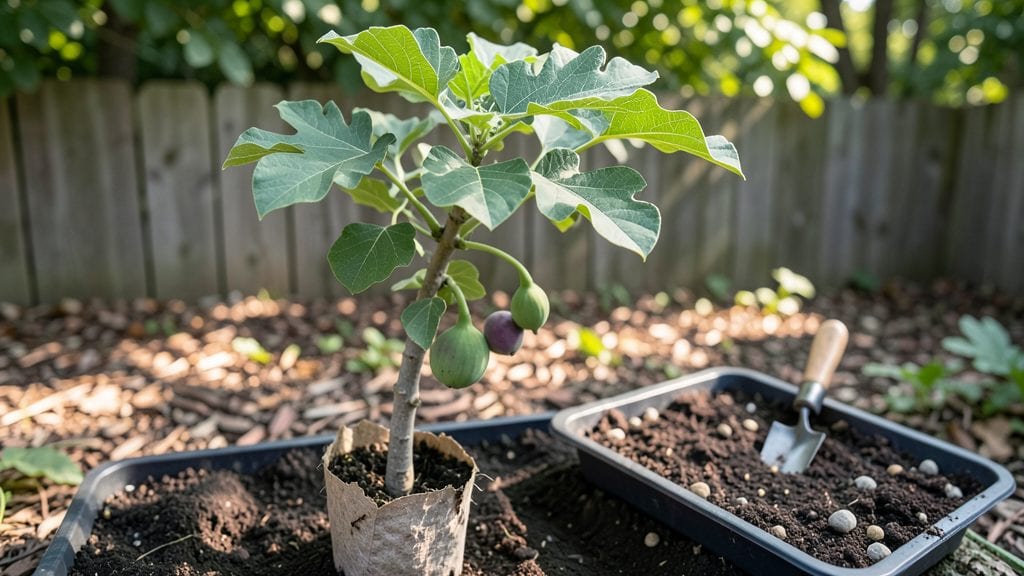
Growing a fig tree from fruit starts with a ripe fig and a glass of patience—this method turns grocery store finds into a sun-loving tree that could fruit in 5-7 years. 🌱 I’ve rooted figs from store-bought fruit twice, and the first green shoot is always a thrill, even if it takes months to appear.
The key? Not rushing the water-rooting stage, where mold and weak sprouts are the biggest pitfalls.
You’ll need just three supplies: a ripe fig (the riper, the better), a glass of water, and a sunny windowsill. Skip the soil for now—fig seeds germinate best in water, where you can watch roots form in 2-6 weeks.
Once roots hit 2-3 inches, transplant into well-draining soil and keep it moist but never soggy. That first true leaf signals success.
By year one, you’ll have a small tree with glossy leaves, though fruit won’t appear for years. The wait is worth it: homegrown figs taste sweeter than store-bought, and the tree’s silvery bark adds drama to any yard.
Just be ready to move it outdoors after the last frost—figs crave heat and hate cold snaps.
Troubleshooting is half the fun: moldy water? Drain and refresh. No sprouts after 8 weeks? Try scratching the seed’s hard shell with sandpaper. Patience pays off—my first seedling now stands 6 feet tall, and I’m still waiting for that first harvest.
Here’s how to avoid the common mistakes that sink so many beginner figs.
📚 In This Guide
- What you need
- Instructions
- Tips and common mistakes
- Wrapping up and next steps
What you need
- ● Fresh, ripe fig fruit – Choose a fully ripe fig (preferably organic or pesticide-free) with a small stem attached.
- ● Sharp knife or pruning shears – For cleanly cutting the fig’s stem.
- ● Glass or jar – A clear container (8–12 oz) to hold water for rooting.
- ● Room-temperature water – Filtered or tap water (let tap water sit for 24 hours if chlorinated).
- ● Small pot or container (4–6 inches wide) – For transplanting roots once established (drainage holes recommended!).
- ● Well-draining potting mix – A blend of cactus/succulent soil or a mix of potting soil + perlite/vermiculite (50/50 ratio).
- ● Spray bottle – To mist the fig’s leaves and maintain humidity.
- ○ Clear plastic bag or dome – Optional but helpful for creating a humid environment (e.g., a ziplock bag with holes).
- ○ Rooting hormone – Speeds up root growth (optional but useful for faster results).
- ● Grow lights or sunny windowsill – If natural light is limited (figs love 6+ hours of sunlight daily).
- ● Fertilizer (balanced, low-nitrogen) – Like a 5-5-5 or 10-10-10 formula (use sparingly after transplanting).
- ● Pebbles or gravel – For the bottom of the jar to keep the stem elevated in water.
- ○ Heat mat (optional) – Helps in cooler climates to encourage rooting (70–75°F ideal).
Step-by-Step instructions for growing a fig tree from fruit
Here's how I transform a store-bought fig into a thriving tree—no fancy tools needed.
🌱 Step 1: Select and Prepare the Fruit
Choose a fresh, firm fig that's slightly soft when gently squeezed—overripe ones rot before rooting. Rinse it gently to remove any wax coating, then let it dry completely. I always pick figs with a visible stem end, as this is where roots will emerge. Place the fig in a shallow dish and let it sit for 3-5 days in a warm spot until you see tiny white roots forming at the stem end.
Here's the thing—don't rush this step. The roots need time to develop enough strength to handle transplanting. You'll know it's ready when roots reach about 1 inch long and feel spongy when touched. If you see mold, rinse the fig again and let it dry before continuing.
💧 Step 2: Root in Water Until Established
Fill a clean glass or jar with room-temperature water, leaving enough space so only the stem end is submerged—never cover the fruit itself. I use a clear container so I can watch the roots grow; you'll see them thicken and branch within 2-3 weeks. Change the water every 3-4 days to prevent bacterial growth, and keep the container in bright, indirect light.
This is where most people go wrong. You might see the fig float or rot if submerged too deeply. Keep just the stem end wet—roots need oxygen too. Once roots reach 3-4 inches long, they're ready for soil. You'll notice the roots becoming denser and the fig itself may start to sprout tiny leaves.
☀️ Step 3: Plant in Well-Draining Soil
Choose a pot with drainage holes that's at least 6 inches wide and fill it with a mix of 50% potting soil and 50% perlite or coarse sand for drainage. Gently remove the rooted fig from water, letting excess moisture drip off, then plant it so the top of the root ball sits just below the soil surface. Press lightly around the edges to secure it.
Water thoroughly until it drains from the bottom, then let the top inch of soil dry out before watering again. Place the pot in a spot with 6+ hours of sunlight daily—a south-facing window works best. You'll see new leaves emerge within 4-6 weeks, signaling successful rooting in soil.
🪴 Step 4: Care for Your Young Tree
Keep the soil consistently moist but never soggy—figs hate wet feet. I water when the top inch feels dry to the touch, usually every 5-7 days depending on your climate. Fertilize lightly with a balanced liquid fertilizer every 4-6 weeks during spring and summer, but skip fertilizer in fall and winter.
Here's what I do to prevent common mistakes: Prune any leggy growth to encourage bushier shape, and watch for pests like aphids. If you see yellowing leaves, it's usually overwatering—let the soil dry out more between waterings. Once the tree reaches 2 feet tall, it's ready for a larger pot or outdoor planting in warm climates.
Tips & tricks for growing a fig tree from fruit
Here's what I've learned from watching fig roots grow through multiple batches—these tricks make all the difference between success and disappointment.
Selection is Everything: In Step 1, look for figs with a visible stem—this is your rooting zone. I've tried stemless figs, and they rarely root. Also, avoid figs with cracks or bruises; these spots attract mold and bacteria during the 3-5 day drying period. A slightly soft fig is perfect because it's already starting the ripening process that encourages root growth.
Water Management in Step 2: The 3-4 inch root length in Step 2 is non-negotiable for transplant success. I use a clear container so I can monitor root development daily—when roots start curling around the sides, that's your signal to prepare for soil. The key is keeping only the stem end submerged; if the fig floats, it'll rot before roots form. Add a small weight like a pebble to keep it steady if needed.
Soil Mix Matters: For Step 3, I've found that mixing equal parts potting soil and perlite creates the perfect balance. Regular garden soil compacts too much and suffocates young roots. After planting, I always tap the pot gently on the counter to help settle the soil around the roots without compacting it. This prevents air pockets that could cause rot.
Light and Patience: The 6+ hours of sunlight in Step 3 is crucial—figs are sun lovers. I place mine on a south-facing windowsill where it gets morning sun and afternoon shade. During the 4-6 week leaf emergence period, be patient. Some figs take longer to adjust to soil; don't give up if you don't see leaves immediately. The roots are working hard underground even when you can't see progress above soil level.
Pro Tips for Grow Fig Tree From Fruit
- Here's what I've learned from watching fig roots grow through multiple batches—these tricks make all the difference between success and disappointment.
- Selection is Everything: In Step 1, look for figs with a visible stem—this is your rooting zone.
- Water Management in Step 2: The 3-4 inch root length in Step 2 is non-negotiable for transplant success.
Frequently asked questions
Got questions about growing a fig tree from fruit?
You’re not alone—this method is exciting but can feel tricky at first! Below, we’ve answered the most common questions to help you succeed.
Can I grow a fig tree from any fig fruit?
Not all figs will sprout! Choose fresh, organic figs (preferably from a mature tree) with a small stem or "eye" still attached. Store-bought figs are often treated to prevent sprouting, so skip those. Look for plump, firm fruit with visible seeds inside.
How long does it take for fig seeds to sprout?
Patience is key! Fig seeds can take anywhere from 2 weeks to 3 months to sprout, depending on temperature and moisture. Keep the soil consistently damp (not soggy) and place the pot in a warm, bright spot. A heat mat can speed up germination if your home is cool.
What if my fig cutting won’t root in water?
Don’t worry—fig cuttings are finicky! If yours refuses to root, try these fixes:
- Check the stem: Ensure the cutting has at least 2–3 nodes (bumpy areas) submerged in water.
- Refresh the water: Change it every 3–4 days to prevent bacterial growth.
- Add rooting hormone: Dip the stem in hormone powder before placing it in water.
- Adjust light: Too much direct sun can stress the cutting; use bright, indirect light instead.
When and where should I transplant my rooted fig cutting?
Transplant your cutting once it develops 2–3 inches of roots (usually after 4–8 weeks). Choose a well-draining pot with a mix of potting soil and perlite. Place it in a spot with 6+ hours of sunlight daily—figs thrive in heat but need protection from harsh winter frosts. Wait until spring to move it outdoors if you’re in a cold climate!
How do I care for a young fig tree in winter?
Fig trees are tender and need winter prep if you live in a cold zone (below 20°F/-7°C). Here’s how to protect yours:
- Indoor move: Bring potted figs inside near a sunny window or under grow lights.
- Mulch outdoors: If planted in the ground, mound soil or mulch around the base to insulate roots.
- Avoid fertilizing: Reduce watering and skip fertilizer until spring growth resumes.
Wrapping up and next steps
Growing a fig tree from fruit is a rewarding journey that combines patience with the joy of nurturing life from something as simple as a fig! 🌱 With the right tools, a little care, and the steps outlined here—like rooting in water before planting—you’re well on your way to cultivating your own thriving tree.
Whether you’re dreaming of homegrown figs or just love the process, start small, stay consistent, and watch your green thumb grow stronger.
Now that you’re armed with knowledge, why not take the next step? Share your progress with fellow plant enthusiasts, experiment with different varieties, or even gift rooted cuttings to friends. Happy growing—your future fig tree is waiting! 🌿