
Pruning
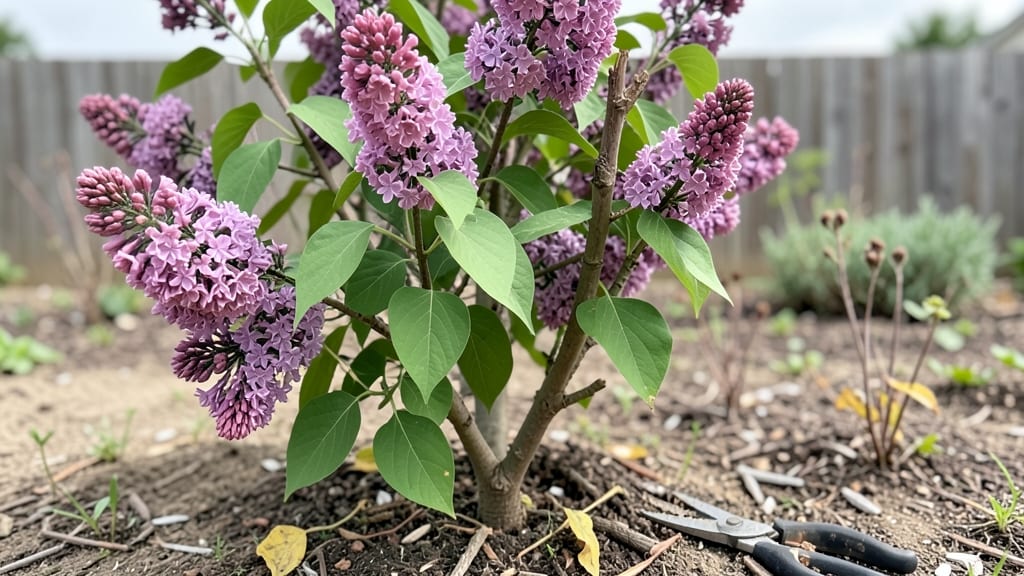
Cutting a lilac tree isn’t just about trimming branches—it’s about unlocking next year’s blooms while keeping the plant strong. ✂️ I’ve pruned mine for years, and the difference between a leggy, sparse bush and one bursting with fragrant purple clusters comes down to timing, technique, and avoiding the three biggest mistakes most gardeners make.
The best time to prune is right after the flowers fade but before new buds form—usually late spring or early summer. You’ll need sharp pruners, gloves, and a clear day to see the branches.
The goal is to remove about a third of the oldest wood while shaping the plant into an open vase shape, which lets sunlight and air reach the center.
By following these steps, you’ll end up with a bush that’s not just healthy but abundantly productive—think clusters of blooms so dense they weigh down the stems.
The secret? Cutting just above a bud or branch junction, never leaving stubs, and never pruning more than a third of the plant in one go.
Whether you’re dealing with an overgrown hedge or a single bush, this method works for all lilac varieties. The payoff? Fewer dead branches, more flowers, and a plant that lives for decades instead of struggling. Let’s get those pruners ready!
📚 In This Guide
- What you need
- Instructions
- Tips and common mistakes
- Wrapping up and next steps
What you need
- ● Bypass pruners: Sharp, clean pruners with bypass blades (4- to 6-inch handles) for clean cuts on small to medium stems.
- ● Loppers: Heavy-duty loppers (8- to 12-inch handles) for thicker branches (½-inch to 2-inch diameter).
- ● Pruning saw: A curved-tooth pruning saw for branches thicker than 2 inches.
- ● Gloves: Sturdy, gardening gloves (preferably with grip) to protect your hands from thorns and sap.
- ○ Disinfectant: Rubbing alcohol (70%+) or a pruning sealant (optional but recommended) to prevent disease spread.
- ● Bucket or bag: A large bucket or heavy-duty trash bag to collect pruned branches.
- ● Ladder (if needed): A stable, extendable ladder (4+ feet tall) for reaching higher branches safely.
- ● Hand pruners with ratcheting handles: For extra leverage on stubborn cuts.
- ● Safety glasses: To shield your eyes from debris.
- ● Knee pads: If you’ll be kneeling or working on the ground.
- ● Marking twine or flags: To label branches for future reference (great for shaping!).
- ● Compost bin: To recycle pruned branches into nutrient-rich compost.
Step-by-step pruning for a healthy lilac tree
Here's how I transform overgrown lilacs into vibrant, blooming bushes with just a few clean cuts.
✂️ Step 1: Time Your Pruning for Maximum Blooms
Prune lilacs immediately after they finish flowering—this gives the plant time to develop next year's buds before winter dormancy. If you cut too early, you'll sacrifice next season's flowers. Look for browned flower clusters (they should be completely spent) and no fresh buds forming.
Never prune in fall or early spring. Lilacs bloom on old wood, meaning the flower buds form on last year's growth. Cutting too late risks removing next year's potential blooms entirely. I mark my calendar with the last frost date and schedule pruning 4-6 weeks after that.
✂️ Step 2: Gather Your Tools and Safety Gear
Use sharp, clean pruning shears for small branches and loppers for anything thicker than your wrist. Disinfect blades with rubbing alcohol between cuts to prevent spreading disease. Wear gloves—lilac branches have thorns that pack a punch, and the sap can irritate skin.
Have a bucket or tarp ready to collect debris. Lilac leaves and twigs make excellent mulch for your garden beds. I always keep a small spray bottle of water nearby to clean my tools between cuts on different branches.
✂ Step 3: Remove Dead, Diseased, or Crossing Branches First
Start by eliminating any branches that are dead (no green beneath the bark when scratched), diseased (mushy spots, black streaks), or crossing (rubbing against other branches). Cut these back to the main trunk or to a healthy outward-facing bud. You'll notice these branches often grow at odd angles or have no leaves.
Make your cuts at a 45-degree angle just above an outward-facing bud. This encourages new growth to develop away from the center of the plant. I always check for buds by gently scraping bark—if you see green, it's alive and can regrow.
✂️ Step 4: Thin the Center and Shape the Bush
Lilacs need good airflow to prevent fungal diseases. Remove up to one-third of the oldest, thickest branches from the center of the plant. These branches often grow inward and block light from reaching the center. Cut these back to the main trunk or to a strong side branch.
Shape the outer edges by trimming back any branches that grow too long or spoil the natural form. Aim for an open, vase-like shape that allows sunlight to penetrate to the center. I step back every few cuts to check my progress—this helps me see where I've created gaps.
✂️ Step 5: Lighten the Canopy for Next Year's Blooms
Select 3-5 of the strongest, most vigorous branches and cut them back by one-third to encourage bushier growth. These branches should be evenly spaced around the plant. Avoid cutting back more than this—lilacs respond poorly to heavy pruning and may take years to recover.
Look for branches with multiple flower clusters. These are your plant's energy centers. By thinning slightly, you redirect the plant's energy into producing larger, healthier blooms next season. I always leave at least one branch uncut to maintain the plant's natural structure.
Tips & tricks for perfect lilac tree pruning
These simple tips will help you avoid common mistakes and keep your lilac bush thriving for years to come.
Timing is Everything: I can't stress this enough—pruning at the right time is absolutely critical. The 4-6 week window after flowering (when buds are completely browned) gives your lilac time to develop next year's blooms. I've learned this the hard way after accidentally pruning too early and ending up with sparse flowers the following spring. Mark your calendar with your last frost date and schedule pruning accordingly.
Tool Maintenance Matters: Your pruning tools are just as important as the technique. Always disinfect your blades between cuts with rubbing alcohol to prevent spreading disease from one branch to another. I keep a small bottle of rubbing alcohol in my tool bag specifically for this purpose. Also, sharpen your tools regularly—dull blades can crush stems instead of making clean cuts, which stresses the plant.
Visual Cues for Healthy Cuts: When making your 45-degree angle cuts above outward-facing buds, look for these visual clues: healthy buds will have a slight swelling and bright green color beneath the bark. If you're unsure whether a branch is alive, do the scratch test—gentle scrape the bark with your fingernail. If you see green underneath, it's alive and worth saving. This simple check saves me from removing perfectly good branches.
Pruning Strategy for Busy Gardeners: If you're short on time, focus on removing only the dead, diseased, and crossing branches first (Step 3). This single step improves airflow and reduces disease risk significantly. You can always come back later to shape the bush—lilacs are forgiving plants that respond well to gradual pruning. I often split my pruning into two sessions if needed, especially with large bushes.
Pro Tips for Cut A Lilac Tree
- These simple tips will help you avoid common mistakes and keep your lilac bush thriving for years to come.
- Timing is Everything: I can't stress this enough—pruning at the right time is absolutely critical.
- Tool Maintenance Matters: Your pruning tools are just as important as the technique.
Frequently asked questions
Got questions about pruning your lilac tree?
Here are some of the most common concerns—plus expert answers to keep your shrub thriving!
When is the best time to prune a lilac tree?
Prune lilacs right after they finish blooming (late spring to early summer). This ensures you don’t cut off next year’s flower buds, which form on last year’s growth. Avoid pruning in fall or winter, as cold stress can harm the plant.
How much can I cut off a lilac tree?
Never remove more than one-third of the plant’s height in a single pruning session. For mature lilacs, aim to trim back old wood (2–3 years old) to encourage new growth. Over-pruning stresses the tree and reduces blooms.
Why aren’t my lilacs blooming after pruning?
Lilacs bloom on old wood, so cutting back too aggressively (or at the wrong time) can starve next year’s flowers. If blooms are sparse, check your pruning timing (post-bloom!) and avoid heavy cuts. Over-fertilizing with high-nitrogen can also reduce flowers.
Can I prune a lilac tree in the fall?
Fall pruning is not recommended—it exposes fresh cuts to winter cold, increasing disease risk. If you must prune late, do so lightly (only to shape) and avoid removing more than 10% of the foliage. Spring or summer is ideal!
What if my lilac tree is leggy or overgrown?
Leggy lilacs need rejuvenation pruning: Cut back one-third of the oldest stems to the ground each year for 3 years. This encourages a bushier, more compact shape. Space cuts out over seasons to avoid shock.
How do I prevent disease after pruning?
Always sterilize tools with rubbing alcohol before and after pruning. Remove dead or diseased branches first, then dispose of them (don’t compost). Prune during dry weather to let cuts heal faster and reduce fungal risks.
Wrapping up and next steps
Cutting back your lilac tree might seem daunting, but with the right tools and techniques, you’ll soon be rewarded with vibrant blooms and lush growth. Remember, timing and precision are key—prune after flowering and avoid over-trimming to keep your tree thriving.
Now that you’re armed with knowledge, grab your pruners and give your lilac the care it deserves!
Ready to transform your garden? Start by inspecting your tree and follow the steps above for a healthier, more beautiful lilac. Happy pruning! 🌿✂️