
Pruning
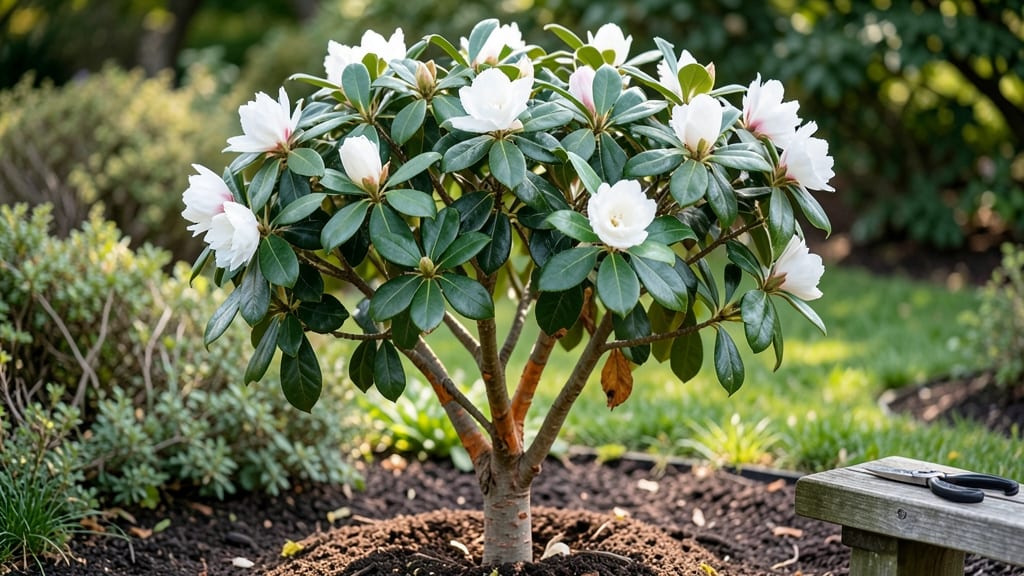
This graceful Japanese tree, the Stewartia, dazzles with its velvety blooms and peeling bark—but prune it poorly, and its elegance quickly unravels into a wild tangle.
I’ve pruned mine for five seasons now, and the difference between a scraggly shrub and a year-round stunner comes down to timing, technique, and a few simple rules most gardeners miss.
This tree thrives in partial shade with well-draining soil and regular moisture, but its real magic happens when you prune after flowering. That’s when you shape it without sacrificing next year’s blooms—unlike many gardeners who cut too late and end up with bare branches.
The key is working with the natural form, not fighting it, and I’ll show you exactly how to do that without stressing the plant.
By the end of this, your Stewartia will have cleaner branches, more abundant flowers, and that coveted cinnamon-colored bark peeling dramatically in winter. No more hidden stems or leggy growth—just a tree that looks as good in winter as it does in bloom season.
Let’s get those shears sharp and start shaping!
Works for both container-grown specimens and mature landscape trees, so whether you’re pruning a 5-gallon pot or a 10-foot shrub, these techniques adapt easily. The only tool you’ll really need is patience—and I’ll help you skip the common mistakes that turn pruning day into a headache.
📚 In This Guide
- What you need
- Instructions
- Tips and common mistakes
- Wrapping up and next steps
What you need
- ● Pruning shears – Bypass pruners (sharp, 6–8" blades) for clean cuts on small branches.
- ● Loppers – 18–24" long-handled for thicker branches (½–1.5" diameter).
- ● Pruning saw – Curved-tooth or folding saw for stubborn, larger branches (1.5"+).
- ● Disinfectant – 70% isopropyl alcohol or bleach solution (1:9 ratio) to sterilize tools between cuts.
- ● Gloves – Heavy-duty, cut-resistant to protect hands from thorns and rough bark.
- ○ Pruning sealant – Optional but helpful (e.g., Tanglefoot Tree Wound Pruning Seal) for large cuts.
- ● Ladder – Sturdy, extendable (if your tree exceeds 6–8 feet).
- ● Bucket or bag – For collecting pruned branches (line with a trash bag for easy disposal).
- ● Hand pruners – For delicate trimming of small twigs.
- ● Pole pruner – Extendable for high branches (10–12 feet).
- ● Sharpie or label maker – To mark branches for future reference.
- ● Compost bin – For repurposing small, healthy prunings.
- ● Safety glasses – If working with heavy branches or in windy conditions.
Instructions for pruning your Stewartia Japanese tree
Here's the gentle, strategic approach I use to keep my Stewartia thriving—balancing blooms, bark, and shape without stressing the tree.
Time Your Pruning for Optimal Growth
Prune your Stewartia right after flowering in late spring, when blooms have faded but new growth is just beginning. This timing ensures you don’t cut off next year’s flower buds, which form on old wood. I avoid heavy pruning in fall or winter, as the tree needs its energy to prepare for dormancy.
If you must shape lightly for aesthetics, do it in early summer—just avoid removing more than 25% of the tree’s foliage at once. Stewartias respond poorly to aggressive cuts, so patience is key. Watch for fresh green growth at the branch tips; that’s your cue the tree has recovered from winter and is ready for pruning.
Remove Dead, Damaged, or Crossing Branches First
Start by inspecting the tree for dead, diseased, or broken branches—these should be your first targets. Use clean, sharp pruning shears to make 45-degree cuts just outside the branch collar (the swollen area where the branch meets the trunk). This prevents unsightly stubs and promotes faster healing.
Next, look for branches that rub against each other or grow inward. These compete for sunlight and weaken the tree’s structure. Remove the smaller of the two branches at its base, cutting back to a healthy outward-facing bud. I always step back after each cut to check the tree’s natural shape—Stewartias have a graceful, slightly weeping habit, so preserve that silhouette.
Thin Out Overcrowded Areas for Airflow
Stewartias need good airflow to prevent fungal issues like powdery mildew. Focus on thinning branches in the center of the tree, where light and air struggle to reach. Aim to remove no more than 10-15% of the foliage in this step—less is better. Cut branches back to a strong lateral branch or bud, never leaving a bare stub.
Pay attention to the bark texture as you work. Stewartias are prized for their exfoliating bark, so avoid heavy pruning on mature branches where the bark is already peeling beautifully. If you must prune near bark, do so just above a bud that faces outward to maintain the tree’s natural form.
Shape Lightly for Balance and Form
For a more refined shape, lightly trim the outer edges of the tree to encourage a fuller, more rounded canopy. Use hand pruners to shorten branches by no more than 1/3 of their length—this prevents shock. Focus on selective pruning rather than shearing, as Stewartias respond poorly to harsh cuts.
Step back frequently to assess the tree’s balance. The goal is to preserve the tree’s natural elegance while opening up the center for light. If you’re unsure, prune conservatively—Stewartias recover slowly, and over-pruning can lead to sparse blooms or weak growth. A little shaping now means fewer corrections later.
Clean Up and Monitor for Recovery
After pruning, sterilize your tools with rubbing alcohol to prevent spreading disease. Remove all clippings from the base of the tree to reduce the risk of pests or fungal growth. Water the tree deeply but not excessively—Stewartias prefer well-draining soil, so avoid soggy conditions.
Over the next 4-6 weeks, monitor the tree for new growth. Healthy branches will show bright green leaves and firm buds within a few weeks. If you see yellowing leaves or wilting, you may have pruned too aggressively. Adjust your approach next time—Stewartias reward patience with stunning blooms and exquisite bark for decades.
Tips & tricks for pruning your Stewartia Japanese tree
Pruning a Stewartia doesn't have to be intimidating—these simple strategies will help you maintain its beauty while keeping it healthy for years to come.
Timing is Everything: The late spring timing in Step 1 is crucial because Stewartias form flower buds on old wood. If you prune too early, you risk cutting off next year's blooms. I always wait until the flowers have completely faded but before new growth gets too vigorous. This window is usually around mid-to-late May in most climates, but watch your tree's specific blooming cycle.
Tools Make All the Difference: Using sharp, clean pruning shears is non-negotiable—dull tools crush stems and create larger wounds that heal poorly. I sterilize my shears with rubbing alcohol between cuts to prevent spreading disease. For thicker branches, use loppers with a bypass blade rather than anvil pruners, which can damage the branch collar where the cut heals from.
Visual Cues Over Rules: The instructions mention removing no more than 25% of foliage in Step 1, but I focus more on visual cues. Step back frequently and look for a balanced, open center. If you're removing branches and the tree starts looking sparse or one-sided, you've gone too far. Stewartias have a natural weeping habit, so preserve that graceful silhouette rather than forcing a rigid shape.
Recovery Monitoring: After pruning, the 4-6 week recovery period is your chance to observe how your tree responds. Healthy new growth should appear within 2-3 weeks, with firm buds forming along the branches. If you notice yellowing leaves or wilting within this period, you may have pruned too aggressively. This is your tree's way of telling you to be more conservative next time—Stewartias are slow to recover from heavy cuts.
Pro Tips for Stewartia Japanese Tree
- Pruning a Stewartia doesn't have to be intimidating—these simple strategies will help you maintain its beauty while keeping it healthy for years to come.
- Timing is Everything: The late spring timing in Step 1 is crucial because Stewartias form flower buds on old wood.
- Tools Make All the Difference: Using sharp, clean pruning shears is non-negotiable—dull tools crush stems and create larger wounds that heal poorly.
Frequently asked questions
Got questions about keeping your Stewartia japonica thriving? Here are answers to the most common ones—from pruning to care—so you can enjoy its stunning blooms and peeling bark year-round!
When is the best time to prune a Stewartia japonica?
Prune your Stewartia after flowering in late spring or early summer (June–July). Avoid heavy pruning in fall or winter, as it can stimulate tender new growth vulnerable to frost damage. Light shaping is fine in late winter if needed, but prioritize post-bloom cuts for optimal health.
How much can I trim back my Stewartia without harming it?
Stewartias tolerate moderate pruning—up to one-third of the plant’s height or width in a single session. Avoid drastic cuts, as these trees bloom on old wood. For best results, remove only dead, crossing, or overcrowded branches. Never "top" the tree; focus on natural shape.
Why aren’t my Stewartia blooms as vibrant as last year?
Fading blooms often signal over-pruning (cutting back too late or too much) or poor sunlight. Ensure your tree gets 6+ hours of sun daily and prune only after flowering. Also check soil moisture—drought stress can reduce blooms. A balanced fertilizer in early spring may help revive vigor.
Can Stewartia japonica survive in cold winters or hot summers?
Stewartias are hardy in USDA zones 5–8, thriving in mild winters (down to -15°F/-25°C) but struggling in extreme heat or drought. In hot climates, provide afternoon shade and consistent moisture. Mulch the base in winter to protect roots. If leaves scorch in summer, it’s a sign of transplant shock or underwatering.
What’s a good alternative if my Stewartia isn’t thriving?
If your Stewartia struggles with your climate or soil, consider these low-maintenance alternatives with similar bark/bloom appeal:
- Crabapple (Malus spp.): Cold-hardy, disease-resistant, and great for pollinators.
- Serviceberry (Amelanchier): Edible berries + stunning fall color.
- Kousa Dogwood (Cornus kousa): Heat-tolerant with showy blooms and exfoliating bark.
- Fothergilla (Fothergilla gardenii): Fragrant spring flowers and fiery fall foliage.
All tolerate pruning well but require well-draining soil.
Wrapping up and next steps
The Stewartia japonica is a true gem in any garden, offering stunning blooms and breathtaking bark year-round. With the right pruning techniques—like deadheading spent flowers, shaping in late winter, and removing crossing branches—you can keep this beauty thriving for decades. Remember, patience and precision are key!
Ready to elevate your garden? Grab your pruners and start shaping your Stewartia today! 🌿✨ For more tips, check out our pruning calendar to stay on track.