
Pruning
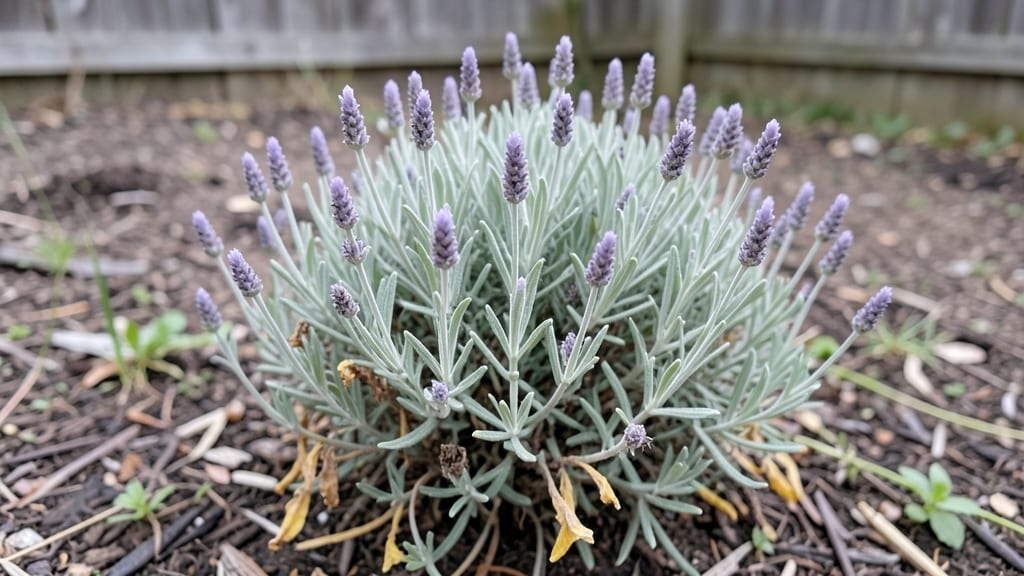
Caring for a small lavender tree starts with understanding its stubborn charm—it thrives on neglect but rewards precision with velvety purple blooms that smell like a Provençal summer. 🌿 The key isn’t coddling it; it’s giving it exactly what it craves: full sun, rocky soil, and a sharp trim at the right time.
Most gardeners overwater or prune too late, turning their lavender into a sad, leggy shadow of itself. I learned that the hard way after my first plant turned into a twiggy mess.
The secret to happy lavender is minimal fuss with maximum impact: water only when the soil is bone-dry, plant in well-draining soil mixed with sand or gravel, and prune immediately after flowering to encourage dense, bushy growth.
Skip the heavy gloves—lavender hates damp roots and rich soil. A 5-minute weekly check for pests or wilting leaves keeps problems from spiraling. Even in small spaces, this tree becomes the star of your garden with the right approach.
What you’ll end up with is a compact, fragrant powerhouse that smells amazing when brushed against and stays lush for years. The blooms stay vibrant longer, the stems stay sturdy, and you’ll finally have that calming lavender scent filling your patio or garden borders.
The pruning isn’t about shaping—it’s about encouraging new growth where you want it, so you get more flowers and fewer bare stems.
This works for English lavender, French lavender, or even dwarf varieties—just adjust the pruning timing slightly. Whether you’re growing in containers or in the ground, the same rules apply. Let’s get your lavender tree looking like a showstopper, not a sad afterthought.
📚 In This Guide
- What you need
- Instructions
- Tips and common mistakes
- Wrapping up and next steps
What you need
- ● Small lavender tree: Choose a healthy, compact variety like Lavandula angustifolia or Lavandula stoechas (French or Spanish lavender).
- ● Well-draining potting mix: 5–10 gallons (depending on pot size). Mix cactus/succulent soil (70%) with perlite or coarse sand (30%) for aeration.
- ● Pot with drainage holes: Terracotta or ceramic (12–18 inches wide for a small tree).
- ● Pruning shears: Bypass pruners (sharp, clean, and disinfected with rubbing alcohol). Avoid dull tools!
- ○ Gloves: Gardening gloves (optional but recommended—lavender can be prickly!).
- ● Watering can: With a rose or fine-spray nozzle (avoid overhead watering).
- ● Fertilizer: Low-nitrogen, phosphorus-rich fertilizer (e.g., 5-10-10 or organic options like fish emulsion). Use sparingly—lavender hates excess nutrients!
- ● Horticultural oil or neem oil: For pest control (aphids or spider mites love lavender!).
- ● Mulch: Gravel or pebbles (1–2 inches) to retain moisture and deter weeds.
- ● Support stake: If your lavender is top-heavy or in a windy spot.
- ● Humidity tray: For indoor lavender (though they prefer dry air!).
- ○ Pruning paint/sealant: (Optional) To protect cuts if pruning large branches.
Step-by-Step guide to pruning your small lavender tree
Pruning lavender might seem intimidating, but it's the secret to keeping your small tree lush and fragrant year after year.
✂️ Step 1: Prune Right After Flowering
Timing is everything with lavender. Once the flowers fade and turn brown, that’s your cue to prune—usually in late spring or early summer. This ensures you don’t cut off next year’s buds hiding in the new growth. I grab my sharp pruning shears and trim just above the first set of healthy leaves, about ⅓ of the plant’s height.
Never prune in fall or winter—lavender needs its leaves to photosynthesize through the cooler months. If you miss the window, wait until early spring, but you’ll sacrifice some of the plant’s vigor. I always mark my calendar right after the last bloom fades to avoid missing this critical step.
🌿 Step 2: Shape the Tree for Fullness
Lavender grows in a natural, rounded shape, so I focus on maintaining that form. Using my shears, I trim back any leggy or overgrown branches to encourage bushier growth. For a small lavender tree, I avoid cutting into the woody stems—just the soft, green tips. This keeps the plant compact and prevents it from becoming woody and bare at the base.
Watch for branches that cross or rub against each other. These are weak points and should be removed entirely at the base. You’ll notice the plant starts filling out within a few weeks as new shoots emerge from the trimmed areas. Just don’t overdo it—lavender is resilient, but it won’t bounce back from aggressive pruning.
☀️ Step 3: Deadhead and Maintain Year-Round
Deadheading isn’t just for flowers—it’s essential for lavender’s health. After the main bloom cycle, I snip off any spent flower stalks right at the base. This redirects the plant’s energy into producing more foliage and next year’s blooms. I also keep an eye out for any dead or diseased branches and remove them immediately to prevent spread.
Throughout the growing season, I do light maintenance pruning to shape the tree and remove any straggly growth. This keeps the lavender looking neat and encourages a denser, more fragrant plant. Just remember: lavender thrives on minimal intervention, so I only prune what’s necessary—never more than ⅓ of the plant’s height in a single session.
💧 Step 4: Water and Feed After Pruning
Pruning stresses the plant, so I give it a good drink of water right after to help it recover. Lavender is drought-tolerant, but it still needs moisture to regenerate. I water deeply at the base, avoiding the foliage to prevent fungal issues. Overwatering is the biggest mistake here—lavender hates soggy roots.
After pruning, I also add a balanced, low-nitrogen fertilizer to support new growth. Too much nitrogen makes lavender grow leafy but weak, with fewer flowers. I use a 5-5-5 or 10-10-10 fertilizer diluted to half strength and apply it lightly around the base. This ensures the plant stays healthy without overstimulating growth.
Tips & tricks for perfect lavender tree pruning
These simple yet game-changing tips will help you transform your lavender care routine from guesswork to garden confidence.
Timing is Everything: I can't stress this enough—pruning in late spring or early summer (right after flowers fade) is non-negotiable. This is when lavender's energy naturally shifts from blooming to foliage growth. I've seen gardeners accidentally prune too early and end up with sparse blooms the next year. Mark your calendar when you notice the first flowers turning brown—that's your cue to grab those shears.
Tool Matters More Than You Think: Never use dull pruning shears on lavender—they crush stems and create jagged cuts that invite disease. Invest in a good pair of bypass pruners and sharpen them regularly. I also keep a small pair of scissors handy for those tricky deadheading tasks. Clean your tools with rubbing alcohol between uses to prevent spreading any potential pathogens from your lavender to other plants.
Visual Cues for Pruning: When shaping your lavender in Step 2, look for the "third leaf" as your guide. Count down from the tip of each branch until you reach the third set of healthy leaves, then cut just above that. This ensures you're always cutting back to a leaf node where new growth can emerge. For maintenance pruning in Step 3, I use the "one-third rule"—never remove more than one-third of the plant's height in a single session, even if it looks overgrown.
Post-Pruning Recovery: After your pruning session, give your lavender a thorough drink of water right at the base—this helps it recover from the stress. I've learned the hard way that lavender hates soggy roots, so I always water deeply but infrequently. For the fertilizer in Step 4, I mix my 5-5-5 or 10-10-10 with water in a spray bottle for even distribution. This light application prevents fertilizer burn while still giving your plant the nutrients it needs to bounce back.
Pro Tips for Care For A Small Lavender Tree
- These simple yet game-changing tips will help you transform your lavender care routine from guesswork to garden confidence.
- Timing is Everything: I can't stress this enough—pruning in late spring or early summer (right after flowers fade) is non-negotiable.
- Tool Matters More Than You Think: Never use dull pruning shears on lavender—they crush stems and create jagged cuts that invite disease.
Frequently asked questions
about caring for your small lavender tree—because even the best gardeners need a little extra guidance!Can I grow a lavender tree indoors?
A small lavender tree can thrive indoors with the right conditions: bright, indirect sunlight (a south-facing window or grow lights), well-draining soil, and minimal watering. However, it may not grow as large or fragrant as outdoor plants. If you choose this route, keep humidity low and avoid overwatering to prevent root rot.
How often should I prune my lavender tree?
Prune your lavender tree once a year, ideally in late spring or early summer after the first flush of flowers. Avoid heavy pruning in fall or winter, as new growth may not harden off before cold weather. Light shaping in between is fine, but never trim more than ⅓ of the plant at a time.
Why is my lavender tree turning brown?
Brown tips or leaves on lavender usually mean overwatering or underwatering. Lavender loves dry soil—water only when the top inch feels dry. If the soil is soggy, reduce watering and improve drainage. If it’s too dry, give it a deep watering but avoid wetting the foliage to prevent fungal issues.
Will pruning my lavender tree encourage more flowers?
Yes! Pruning stimulates bushier growth and more blooms the following year. Focus on trimming back leggy stems and deadheading spent flowers. Just avoid cutting into old wood, as lavender flowers on new growth. A well-pruned tree will reward you with abundant, fragrant blooms!
What’s the best alternative if I can’t grow lavender?
If lavender struggles in your climate, consider these low-maintenance, drought-tolerant alternatives:
- Rosemary – Hardy, fragrant, and thrives in similar conditions.
- Russian Sage – Drought-resistant with striking purple flowers.
- Santolina – Silver foliage and yellow blooms, perfect for borders.
- Thyme – Edible, aromatic, and loves full sun.
Wrapping up and next steps
Caring for your small lavender tree is all about patience, precision, and a little love—and with these pruning tips, you’re well on your way to a thriving, fragrant plant! 🌿 Remember, timing, sharp tools, and gentle hands are your best friends, and soon, you’ll be rewarded with lush blooms and that signature lavender scent.
Now that you’re armed with the know-how, why not share your newfound skills?
🌟 Your Next Step: Share & Grow!
Tag us in your lavender care journey on social media or gift a cutting to a fellow plant parent. And if you’re eager to dive deeper, explore advanced lavender propagation techniques—because every gardener’s adventure is just beginning! 🌸