
Planting
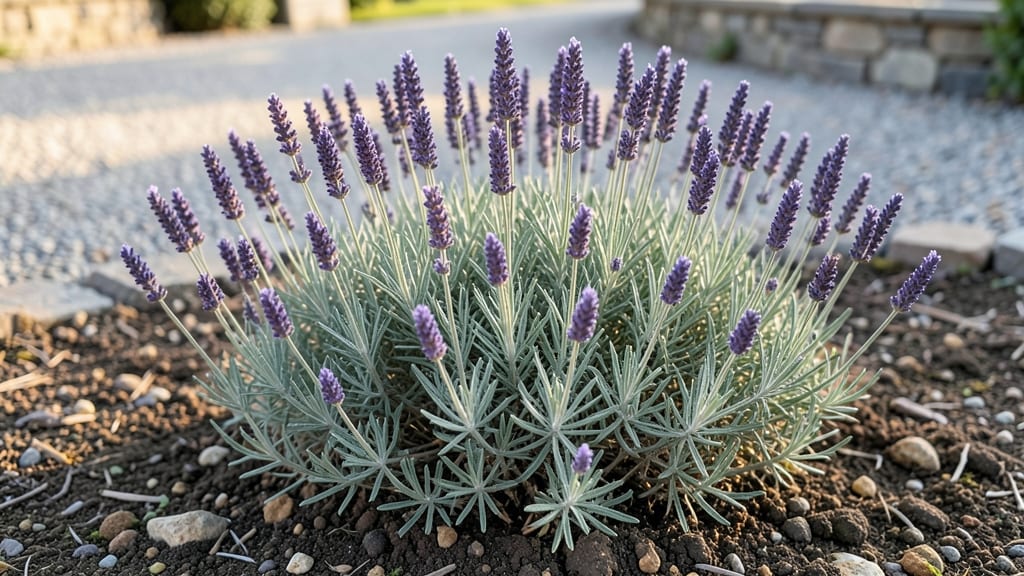
Mastering lavender tree plant care in the Pacific Northwest means embracing its hardy nature while tweaking a few key habits—like pruning after blooms and shielding it from winter’s chill. 🌿 The secret lies in mimicking its Mediterranean roots: well-draining soil. full sun, and minimal fuss once established.
My first lavender tree nearly died from overwatering before I learned its desert-loving ways.
Start with fast-draining soil—mix garden soil with sand or gravel—and plant where it gets 6+ hours of sun daily. Water deeply but infrequently; let the top 2 inches dry between drinks.
The aromatic foliage alone makes it worth the effort, but the drought tolerance means less work for you once rooted.
Pruning transforms leggy growth into a bushy, fragrant beauty. After blooms fade, trim back one-third of the stems to encourage new growth. In winter, wrap the base with burlap to shield tender roots from frost—my trees now thrive through our damp winters without a hitch.
Watch for spider mites (they love dry conditions) and aphids; a strong spray of water usually does the trick. With these adjustments, your lavender tree will reward you with silvery foliage and purple blooms for years, even in rainy climates. Ready to make yours flourish?
📚 In This Guide
- What you need
- Instructions
- Tips and common mistakes
- Wrapping up and next steps
What you need
- ● Lavender Tree (Lavandula spp.) – Choose a PNW-friendly variety like Lavandula × intermedia (e.g., ‘Grosso’ or ‘Provence’). Buy a 1- to 3-gallon container plant for faster establishment.
- ● Well-draining soil mix – 50% native soil, 30% coarse sand or perlite, and 20% compost (avoid clay-heavy soil!).
- ● Sunlight access – A full-sun spot (6+ hours/day) with protection from harsh afternoon winds.
- ● Drip irrigation or soaker hose – Lavender hates soggy roots! Aim for 1–1.5 inches of water per week (more in summer).
- ● Pruning shears – Sharp, bypass-pruners (3–4 inch blades) for clean cuts (sterilize with rubbing alcohol between cuts!).
- ○ Mulch (optional but recommended) – 2–3 inches of gravel or pine bark to retain heat and deter weeds (keep mulch 3+ inches away from the trunk).
- ● Slow-release fertilizer – A balanced 10-10-10 or low-nitrogen formula (apply once in early spring only—lavender thrives on neglect!).
- ● Frost cloth or row cover – For young plants or late-spring frosts (PNW’s chilly nights can stress lavender!).
- ● Pest control (rare but handy) – Neem oil or insecticidal soap if you spot aphids or spider mites.
- ● Support stake (for young trees) – A 5-foot bamboo stake to prevent toppling in windy PNW conditions.
Step-by-Step lavender tree care for Pacific Northwest climates
Here’s how to keep your lavender tree thriving through PNW’s damp winters and mild summers.
🌿 Step 1: Choose the Right Location for Year-Round Success
Lavender trees need full sun—at least 6-8 hours daily—to prevent woody, leggy growth. In the Pacific Northwest, where summers are cooler, position yours in the southernmost part of your yard or against a south-facing wall to maximize warmth. I always check for at least 6 hours of direct sunlight before planting, even if it means sacrificing a shady corner.
Well-draining soil is non-negotiable—lavender roots rot in soggy conditions. Amend heavy clay soil with 3-4 inches of coarse sand or gravel mixed into the top 12 inches of soil. Test drainage by digging a 6-inch hole, filling it with water, and timing how long it takes to drain. If it holds water past 1 hour, improve drainage before planting.
✂️ Step 2: Prune for Structure and Frost Resilience
Prune your lavender tree immediately after flowering (late spring to early summer) to encourage dense, bushy growth. Use clean, sharp pruners to cut back one-third of the oldest stems each year, making cuts just above a leaf node. Avoid heavy pruning in fall—new growth won’t harden off before winter, leaving it vulnerable to frost damage.
In the Pacific Northwest, where frost can sneak in early, I never prune after September. Instead, I shape lightly in late winter (February) to remove only dead or crossing branches. This keeps the plant’s energy focused on root development rather than regrowing foliage before cold snaps.
💧 Step 3: Water Strategically to Prevent Root Rot
Lavender trees are drought-tolerant once established, but PNW’s damp winters demand caution. Water deeply but infrequently—once every 2-3 weeks in summer, unless rainfall provides 1 inch of moisture. Check soil moisture by sticking your finger 2 inches deep; if dry, water until it’s moist 6 inches down. Overwatering is the fastest way to kill lavender.
In winter, reduce watering to once every 4-6 weeks unless the ground is frozen. Mulch with 2-3 inches of gravel (not organic mulch) to protect roots from temperature swings. The gravel also mimics Mediterranean conditions, which lavender thrives in.
☀️ Step 4: Protect from Pacific Northwest Frost
Lavender trees tolerate light frost but struggle with prolonged cold below 15°F. In the PNW, where frost can linger into spring, I wrap young trees (under 3 years old) with burlap or frost cloth during cold snaps. Secure it loosely—tight fabric traps moisture and causes rot.
Mature trees handle frost better, but never prune back frost-damaged branches until late spring. Dead wood is easier to spot after new growth begins. If more than half the plant looks brown and brittle, it’s likely died back to the root—wait until new shoots emerge before deciding whether to prune or replace.
🌱 Step 5: Fertilize Lightly for Long-Term Health
Lavender trees hate rich soil—too much fertilizer leads to weak, floppy growth. In early spring, apply ½ teaspoon of balanced 10-10-10 fertilizer per square foot of root zone. Water it in immediately to prevent root burn. Skip fertilizer in fall—it encourages tender new growth that won’t survive winter.
Instead of synthetic fertilizers, I top-dress with 1 cup of compost in spring, working it into the top 2 inches of soil. This adds organic matter without overwhelming the plant. Avoid manure or high-nitrogen fertilizers—lavender’s Mediterranean roots reject heavy feeding.
Tips & tricks for perfect lavender tree plant care
These insider strategies will help your lavender tree thrive in the Pacific Northwest's unique climate challenges.
Location Intelligence: When selecting your lavender tree's spot, pay close attention to sun patterns throughout the day. The southernmost part of your yard isn't just about direct sunlight—it's also about capturing the warmest microclimate. I've found that planting against a south-facing wall can add an extra 5-10°F of warmth during cool summer evenings, which is crucial for lavender's Mediterranean roots. Use a sun calculator app to map your yard's sunlight patterns for all four seasons—PNW summers can be deceptive with frequent cloud cover.
Pruning Precision: The one-third pruning rule in Step 2 is your golden ratio, but timing matters even more than you might think. I've learned the hard way that waiting until after the first frost to prune can shock the plant—it's like asking a Mediterranean native to handle winter prep in one day. Mark your calendar for late February pruning (that's when I do it) to give your tree time to recover before the next growing season. And always sterilize your pruners with rubbing alcohol between cuts to prevent spreading disease.
Drainage Diagnosis: That 1-hour drainage test in Step 1 is non-negotiable, but here's what I've discovered: if water drains in less than 30 minutes, your soil is too sandy and needs organic matter. If it takes longer than 1 hour, you need more gravel. For PNW gardeners, I recommend creating a raised bed with a gravel base—this gives you complete control over drainage while still allowing roots to spread. The gravel should be coarse (pea-sized or larger) to prevent compaction.
Frost Protection Pro Tips: The 15°F threshold is your warning line, but here's what I do when temperatures drop below that: I wrap young trees with burlap and add a layer of straw mulch around the base (not touching the trunk). For mature trees, I've had success with frost cloth draped like a tent, secured with bricks at the corners. The key is airflow—never make it airtight, or you'll create a greenhouse effect that's worse than frost. I always check my weather app for frost advisories and have the materials ready to go by 4 PM the day before.
Pro Tips for Lavender Tree Plant Care
- These insider strategies will help your lavender tree thrive in the Pacific Northwest's unique climate challenges.
- Location Intelligence: When selecting your lavender tree's spot, pay close attention to sun patterns throughout the day.
- Pruning Precision: The one-third pruning rule in Step 2 is your golden ratio, but timing matters even more than you might think.
Frequently asked questions
Got questions about keeping your lavender tree thriving in the Pacific Northwest? We’ve got answers! Here are some of the most common concerns—plus expert tips to help you avoid pitfalls and enjoy a fragrant, healthy plant year after year.
How cold can my lavender tree handle before frost damage?
Most lavender trees (like Lavandula angustifolia) tolerate brief dips to 15–20°F (-9 to -7°C), but prolonged frost below 25°F (-4°C) can cause leaf burn or dieback. For extra resilience, mulch the base with 3–4 inches of gravel or straw—this insulates roots while preventing soggy soil. If winters are harsh, consider Lavandula x intermedia hybrids, which are hardier.
When is the best time to prune my lavender tree?
Prune your lavender tree right after flowering (late spring to early summer) to encourage bushier growth. Avoid heavy cuts in fall or winter—this can stimulate tender new growth that frost will damage. Use clean, sharp shears and trim back 1/3 of the current year’s growth to maintain shape. Skip pruning in the first year to let the plant establish.
How often should I water my lavender tree, especially in PNW’s rainy season?
Lavender trees hate soggy roots, so water deeply once a week (or when the top 2 inches of soil are dry) and reduce frequency in winter. In the PNW’s rainy climate, plant on a sloped site or raised bed with well-draining soil to prevent root rot. Pro tip: Use a soaker hose to water at the base—avoid overhead sprinklers to discourage fungal issues.
Can I grow lavender trees in containers, and what’s the best soil mix?
Lavender thrives in containers with fast-draining soil. Mix 60% cactus/succulent potting mix with 30% perlite and 10% coarse sand for optimal drainage. Use a pot with drainage holes and avoid saucers that trap water. In winter, move containers to a sheltered spot or wrap them in burlap for extra frost protection.
Why are my lavender tree leaves turning yellow or brown?
Yellowing leaves often signal overwatering or poor drainage, while brown edges can mean underwatering or salt buildup (from tap water). Check soil moisture and adjust your watering routine. Pests like spider mites (common in dry conditions) can also cause browning—spray leaves with neem oil if you spot webbing. For fungal issues, prune affected areas and ensure airflow around the plant.
Will my lavender tree bloom every year, and how can I encourage more flowers?
With proper care, lavender trees bloom annually in late spring/early summer. To boost flowers, prune lightly after blooming, fertilize sparingly with a low-nitrogen, high-phosphorus formula (like 5-10-5), and ensure full sun (6+ hours daily). Avoid heavy fertilizers—they promote leafy growth at the expense of blooms. Bonus: Deadhead spent flowers to redirect energy to next year’s buds!
Wrapping up and next steps
Caring for your lavender tree in the Pacific Northwest is totally doable—just remember: prune wisely, shield from frost, and embrace its drought-loving nature! 🌿 With the right techniques, you’ll enjoy fragrant blooms and lush greenery for years.
Ready to take the next step? Grab your shears and give your lavender tree a little TLC—it’ll thank you with vibrant growth and that signature calming scent!