Pruning
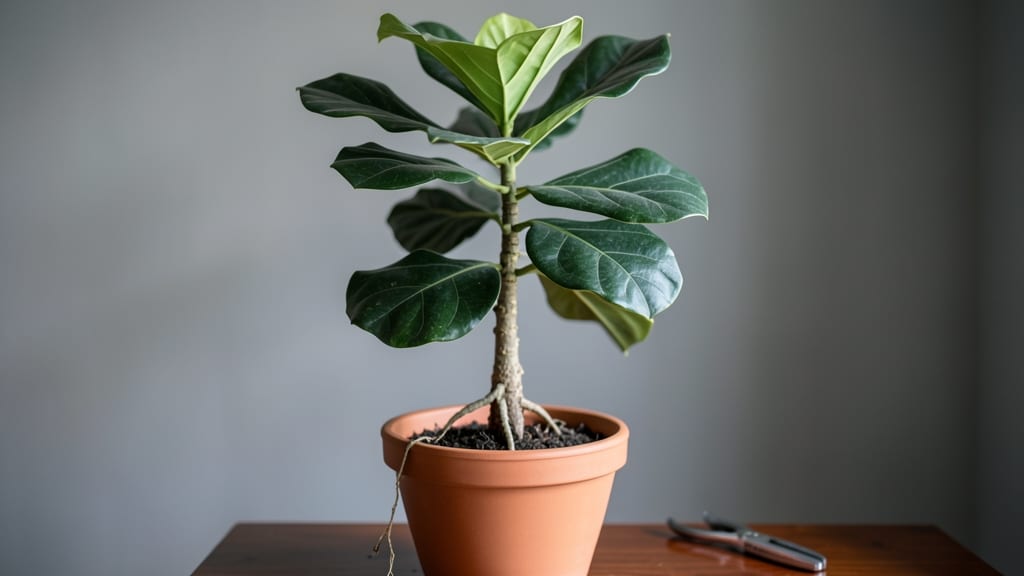
How to take care of a ficus tree isn’t just about keeping it alive—it’s about unlocking its full, lush potential. 🌿 I’ve had mine for years, and the secret lies in three simple pillars: light, water, and pruning.
The moment I nailed these, my ficus went from struggling to thriving, with glossy leaves and sturdy branches that fill my space with life.
Ficus trees are famously adaptable, making them perfect for both indoor and outdoor settings. They tolerate lower light better than most tropical plants, though bright, indirect light keeps their leaves vibrant.
Watering is straightforward too—once the top inch of soil feels dry, it’s time to water, but never let it sit in soggy soil. The right soil mix (well-draining and slightly acidic) makes all the difference, and pruning isn’t just for shaping—it encourages fuller growth.
With consistent care, your ficus will reward you with year-round greenery and minimal fuss. The leaves stay glossy, the branches fill out, and you’ll even notice new growth where you pruned.
It’s the kind of plant that makes gardening feel effortless, yet still impressive. Let’s get your ficus looking its best—indoors or out.
Whether you’re dealing with leaf drop, leggy growth, or just want to keep it healthy, these basics cover 90% of what you’ll need. The rest? Just a little patience and observation. Your ficus will thank you with strong, vibrant growth that lasts for years.
📚 In This Guide
- What you need
- Instructions
- Tips and common mistakes
- Wrapping up and next steps
What you need
- ● Pot with drainage holes – Size: 1-2 inches larger in diameter than the current root ball (e.g., 6-8" for a small ficus, 12-16" for mature trees). Material: Terracotta or ceramic (better for airflow) or plastic (lighter).
- ● Well-draining potting mix – Type: 50% peat moss or coco coir, 30% perlite or pumice, 20% compost or worm castings. Avoid garden soil—it compacts too easily!
- ○ Pruning shears – Specs: Sharp, bypass-style shears (1.5–3" blade length) for clean cuts. Optional: Sterilize with rubbing alcohol between cuts to prevent disease.
- ● Glove – Type: Lightweight gardening gloves (ficus sap can irritate skin).
- ● Watering can or spray bottle – Tip: A can with a narrow spout for targeted watering or a spray bottle for misting.
- ○ Humidity tray or pebble tray – Optional but helpful: Fill with water and pebbles to boost humidity (especially for Ficus elastica or Ficus benjamina).
- ● Fertilizer – Type: Balanced liquid fertilizer (10-10-10 or 20-20-20) or slow-release granules. Dosage: Follow label instructions (typically every 4-6 weeks in growing season).
- ● Rooting hormone – For propagating cuttings (e.g., Ficus lyrata or Ficus microcarpa).
- ● Grow lights – LED or fluorescent bulbs (5000-6500K) if natural light is limited.
- ● Support stake or trellis – For tall varieties like Ficus benjamina to prevent toppling.
- ● Soil moisture meter – To avoid over/under-watering (especially for Ficus audrey, which is drought-sensitive).
- ● Neem oil or insecticidal soap – For pest control (e.g., spider mites or mealybugs).
Step-by-Step instructions for caring for your ficus tree
Here's the straightforward routine I follow to keep my ficus thriving indoors.
💧 Step 1: Master the Watering Routine
Ficus trees hate soggy roots, so I wait until the top 2-3 inches of soil feel completely dry before watering again. Stick your finger in the soil—if it's dry past your first knuckle, it's time. Water thoroughly until you see moisture drain from the bottom of the pot, then empty the saucer immediately to prevent root rot.
Real talk: Overwatering kills ficus trees faster than underwatering. I've lost three to mushy roots, so I now weigh the pot after watering. A dry pot feels noticeably lighter than a saturated one. Adjust your schedule based on your home's humidity—dry air means more frequent watering, while humid spaces may need longer between waterings.
☀️ Step 2: Position for Optimal Light
Place your ficus near an east or west-facing window where it gets bright, indirect light for 6-8 hours daily. South-facing windows work too, but you'll need to filter the light with a sheer curtain to prevent leaf scorch. You'll see the difference immediately—leaves in too-hot sun develop crispy brown edges, while perfect light keeps foliage glossy and vibrant.
Rotate the pot a quarter turn weekly so all sides get equal light exposure. This prevents the tree from growing lopsided toward the window. If your ficus starts dropping leaves, it's either getting too much direct sun or not enough light—move it closer to the window if the leaves look pale and leggy.
✂️ Step 3: Prune Strategically for Shape and Health
Prune your ficus in early spring before new growth begins. Use clean, sharp pruning shears to cut just above a leaf node (the bump where leaves attach) at a 45-degree angle. This encourages bushier growth and prevents unsightly stubs. Never prune more than one-third of the foliage at once—this stresses the tree and can cause leaf drop.
I like to shape my ficus by pinching back the tips of new growth when they're about 4-6 inches long. This triggers branching and creates a fuller, more compact tree. Always sterilize your tools with rubbing alcohol between cuts to prevent spreading disease. If you see yellow leaves, remove them entirely—they're not coming back green.
🪴 Step 4: Dust and Clean Leaves Regularly
Ficus trees have large leaves that collect dust quickly, blocking light and reducing photosynthesis. I clean mine every 2-3 weeks with a damp microfiber cloth or sponge. Wipe gently in the direction of the leaf veins to avoid damaging the delicate surface. For tall trees, use a long-handled duster or mist the leaves with water from a spray bottle.
Here's the thing—dusty leaves look dull and unhealthy, even if your watering and light are perfect. I notice a visible difference in leaf color and shine after just one cleaning session. For extra shine, mix a few drops of mild dish soap with water (just enough to create suds) and wipe the leaves, then rinse with clean water. Never use harsh cleaners—they'll leave chemical residue that burns the leaves.
⏰ Step 5: Monitor for Pests and Adjust Care
Check your ficus weekly for spider mites, mealybugs, or scale insects, especially on the undersides of leaves and along stems. Early signs include sticky residue (honeydew), tiny webs, or white cottony patches. If you spot pests, isolate the plant immediately and treat with neem oil spray or insecticidal soap, following package instructions.
I've found that ficus trees under stress (from poor light or inconsistent watering) attract pests faster. Keep your tree healthy with consistent care, and pests become a rare annoyance. If you see sudden leaf drop without other obvious issues, it might be spider mites—check the undersides of leaves for tiny moving dots.
Tips & tricks for perfect ficus tree care
These simple strategies will help you keep your ficus thriving with minimal effort.
The Finger Test: In Step 1, when checking soil moisture, push your finger in about 2-3 inches. If it feels dry past your first knuckle, that's your cue to water. I've learned this the hard way—overwatering is the #1 killer of ficus trees. Also, always water until moisture drains from the bottom, then empty the saucer completely to prevent root rot.
Light Rotation Strategy: For Step 2, I set a monthly reminder to rotate my ficus a quarter turn weekly. This ensures even growth and prevents that lopsided look toward the window. Pro tip: If your ficus starts dropping leaves, check the light first—either too much direct sun (brown edges) or not enough light (pale, leggy leaves) are usually the culprits.
Pruning Timing: When pruning in Step 3, early spring is ideal, but you can also prune lightly in summer if needed. I always sterilize my shears with rubbing alcohol between cuts to prevent disease spread. For shaping, pinch back new growth at 4-6 inches to encourage bushier growth—this is how I've kept my ficus compact and full for years.
Leaf Cleaning Hack: For Step 4, I've found that cleaning leaves every 2-3 weeks makes a visible difference in their appearance. Use a damp microfiber cloth and wipe gently in the direction of the leaf veins. For extra shine, mix a few drops of mild dish soap with water (just enough to create suds), wipe the leaves, then rinse with clean water. This keeps them looking vibrant and healthy without any harsh chemicals.
Pro Tips for Take Care Of A Ficus Tree
- These simple strategies will help you keep your ficus thriving with minimal effort.
- The Finger Test: In Step 1, when checking soil moisture, push your finger in about 2-3 inches.
- Light Rotation Strategy: For Step 2, I set a monthly reminder to rotate my ficus a quarter turn weekly.
Frequently asked questions
Got questions about keeping your ficus tree thriving? You’re not alone! Here are some of the most common concerns—plus quick, actionable answers to keep your leafy friend happy and healthy.
How often should I water my ficus tree?
Water your ficus when the top 1–2 inches of soil feel dry to the touch. Overwatering is the #1 killer—stick to every 1–2 weeks (adjust for humidity/climate). Pro tip: Use a moisture meter or the "finger test" to avoid guesswork!
Why are my ficus leaves turning yellow?
Yellow leaves usually signal overwatering or poor drainage. Check for soggy soil or root rot (smelly, mushy roots). If under-watered, leaves may also yellow at the edges. Fix it: Adjust watering, repot in well-draining soil, and trim dead leaves.
Can a ficus tree survive in low light?
Most ficus trees (like Ficus elastica) tolerate low to bright indirect light, but growth slows dramatically. For variegated types, medium light is ideal—too little = dull leaves. Rotate the pot occasionally for even exposure.
How do I prune a ficus tree without killing it?
Prune in spring or early summer to encourage bushier growth. Use clean, sharp shears to cut just above a leaf node (45° angle helps). Avoid heavy pruning in winter—it stresses the tree. Bonus: Propagate cuttings in water!
What pests should I watch for on my ficus?
Common culprits: spider mites, scale insects, and mealybugs. Inspect undersides of leaves weekly! Treat with neem oil or insecticidal soap for mild infestations. Isolate heavily infested plants to prevent spread.
Wrapping up and next steps
Caring for a ficus tree is a rewarding journey that brings life and beauty to your space—just remember, consistency is key! 🌿 With the right balance of light, water, and pruning, your tree will thrive and grow into a stunning centerpiece.
Now that you’re armed with expert tips, why not take the next step? Grab your shears, adjust that light source, and watch your ficus flourish! Happy gardening!