
Size
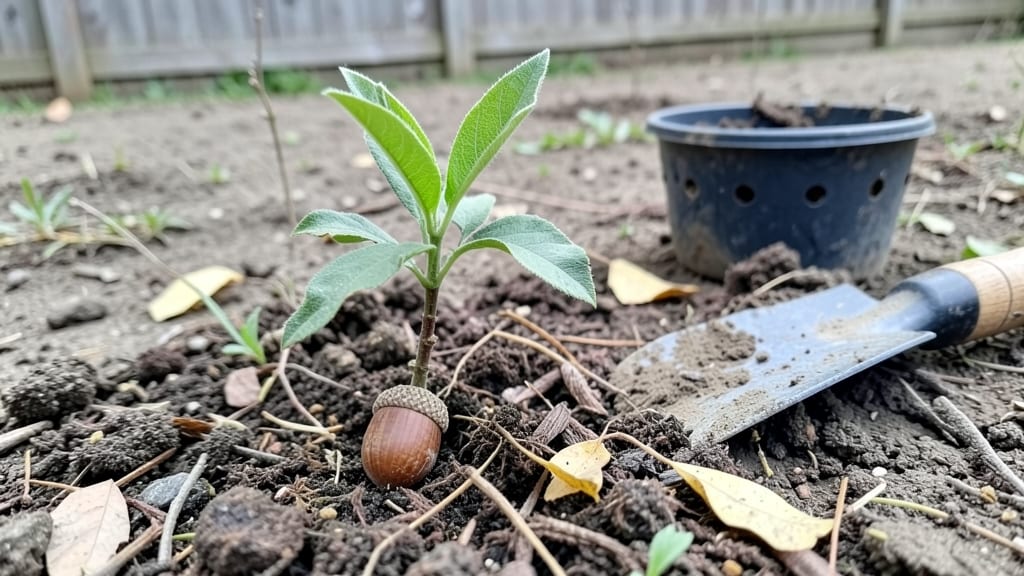
Growing a tree from an acorn isn’t just possible—it’s one of the most rewarding gardening adventures you’ll ever take. 🌰 I’ve watched acorns I collected in October turn into sturdy saplings over four years, and the process is simpler than you’d think.
The key lies in mimicking nature’s timing, from the cold stratification trick to finding the perfect spot for your tiny seedling.
You’ll need just three essentials: a fresh, plump acorn, a bit of patience, and a sunny spot with well-draining soil. The real magic happens during the 60-day cold stratification phase, where you trick the acorn into thinking winter has passed.
After that, it’s all about keeping the soil moist, protecting it from pests, and giving it space to grow—no fancy equipment required.
By spring, you’ll see a sprout breaking through the soil, and within a few years, that little seedling could be a 10-foot-tall oak casting shade in your yard. The best part? Every step builds confidence, and even if some acorns fail, the ones that succeed make the effort worth it.
Whether you’re planting in a pot or directly in the ground, this method works for red oaks, white oaks, and even hickories. Let’s get those acorns growing—your future tree is waiting for its chance to thrive.
📚 In This Guide
- What you need
- Instructions
- Tips and common mistakes
- Wrapping up and next steps
What you need
- ● 1-3 fresh acorns – Choose plump, healthy acorns from a mature oak tree (avoid those with cracks or holes).
- ● 1 small pot (4-6 inches wide) – Use a container with drainage holes (e.g., nursery pot or yogurt cup with holes poked in the bottom).
- ● Potting soil – A well-draining mix (e.g., 50% peat moss, 30% perlite, 20% sand). Approx. 1-2 cups per pot.
- ● Watering can or spray bottle – For gentle hydration (avoid overwatering!).
- ● Plastic wrap or humidity dome – To maintain moisture during germination.
- ○ Scissors or pruning shears – For trimming the acorn’s cap (optional but helpful).
- ● Seedling heat mat (70-80°F) – Speeds up germination (especially in cooler climates).
- ● Fertilizer (balanced, low-nitrogen) – Like a 10-10-10 mix, diluted to half-strength after sprouting.
- ● Grow lights or sunny windowsill – If natural light is limited (6+ hours/day).
- ● Larger nursery pot (1 gallon) – For transplanting once roots develop (after 3-6 months).
- ● Acorn identification guide – To confirm oak species (e.g., white oak vs. red oak).
Step-by-step instructions for growing a tree from an acorn
Here’s the simple but patient method I’ve used to grow strong oak saplings from acorns.
🌱 Step 1: Collect and Prepare the Acorns
Gather fresh acorns in autumn—look for plump, heavy ones with no cracks or holes. The best acorns come from mature trees, preferably oaks like white or red. Place them in a paper towel (not plastic) inside a sealed container with a little water—just enough to keep the towel damp. Store this in a cool, dark place like a fridge for 3-4 months to break dormancy.
Check them monthly. You’ll know they’re ready when tiny roots (about ¼ inch long) appear. This cold stratification mimics winter conditions and signals the acorn it’s safe to sprout. Don’t rush—patience here means stronger roots later.
🪴 Step 2: Plant in a Small Container with Drainage
Use a 4-inch pot with well-draining soil mix (half potting soil, half perlite or sand). Fill it halfway, then plant the acorn 1 inch deep, root-side down. Gently press the soil around it—no need to pack it tight, just firm enough to hold the acorn in place. Place the pot in a bright, indirect light spot (no direct sun yet).
Water lightly until the soil feels moist but not soggy. Too much water now can rot the tiny roots. A spray bottle works best—just mist until the surface is damp. Keep the pot in a warm spot (65-75°F). You’ll see the first true leaves in 4-8 weeks, depending on the acorn’s age and species.
☀️ Step 3: Gradually Move to Sun and Larger Pots
Once the seedling has 2-3 sets of leaves, it’s ready for more light. Move it to a south-facing window or under a grow light for 12-14 hours daily. Harden it off by placing it outside in partial shade for 1-2 hours the first day, then gradually increase time over 2 weeks. This prevents shock when you eventually transplant it.
After 6 months, if the roots are circling the pot, move it to a 6-inch container with fresh soil. Acorns grow slowly—don’t expect fast results. The key is consistency: water when the top inch of soil feels dry, and fertilize lightly with a balanced 10-10-10 mix once a month in spring and summer.
⏰ Step 4: Transplant to the Ground After 1-2 Years
Wait until the sapling is at least 12 inches tall with a strong root system before planting outdoors. Choose a spot with partial shade for the first year—young trees need protection from harsh sun and wind. Dig a hole twice as wide as the root ball but no deeper. Loosen the roots gently if they’re circling.
Water deeply after planting, then mulch around the base with 2 inches of wood chips (keep mulch 3 inches away from the trunk). Water 2-3 times a week for the first month, then taper to once a week once established. Oak trees take 5-10 years to mature, but with patience, you’ll have a sturdy tree for generations.
Tips & tricks for perfect acorn tree growth
Growing a tree from an acorn is all about patience and attention to detail—here's how to set yourself up for success from the very beginning.
Acorn Selection: Don't just grab any acorn! Look for ones that are plump, heavy for their size, and have a smooth cap that fits snugly over the nut. I learned this the hard way after trying to grow acorns with cracks or holes—those are often already infested with insects or mold. The best acorns come from mature oak trees like white or red oaks, which produce stronger saplings.
Cold Stratification: The 3-4 month cold stratification period in Step 1 is absolutely critical—this mimics winter conditions and breaks the acorn's dormancy. I've tried skipping this step, and the acorns either never sprouted or produced weak seedlings. Keep the paper towel damp but not soggy, and check monthly for those tiny root sprouts. Once you see roots about ¼ inch long, it's time to plant!
Light and Temperature Balance: In Step 2, maintaining that warm spot between 65-75°F is key, but don't place your pot in direct sunlight yet. Too much heat or light can stress the tiny seedling. I use a simple grow light on a timer for 12-14 hours daily once the seedling has its first leaves—this gives consistent light without the heat fluctuations of direct sun. The bright, indirect light spot mentioned in the instructions is perfect for this early stage.
Transplanting Timing: When you're ready to move your sapling to a larger pot at the 6-month mark, check for root circling first. Gently remove the seedling from its pot and examine the roots—if they're growing in tight circles, it's definitely time to upgrade. I've found that using a 6-inch container with fresh soil gives the roots plenty of room to spread out properly, which sets up your young tree for healthier growth.
Pro Tips for How Do You Grow A Tree From An Acorn
- Growing a tree from an acorn is all about patience and attention to detail—here's how to set yourself up for success from the very beginning.
- Acorn Selection: Don't just grab any acorn!
- Cold Stratification: The 3-4 month cold stratification period in Step 1 is absolutely critical—this mimics winter conditions and breaks the acorn's dormancy.
Frequently asked questions
Got questions about growing an oak from an acorn? You’re not alone! Here are answers to the most common queries to help you succeed.
How long does it take for an acorn to sprout?
With the right conditions (moisture, warmth, and patience), most acorns sprout within 4–8 weeks. Some may take longer, especially if stored dry or planted too late in the season. Keep soil consistently moist and in a warm (60–70°F) spot to speed things up!
Can I grow any acorn into a tree?
Not all acorns are created equal! Only white oak (Quercus alba) and red oak (Quercus rubra) acorns are ideal for growing into mature trees. Avoid black oak or pin oak acorns—they’re less likely to thrive. When in doubt, check the cap: white oaks have flat caps, while red oaks have pointed ones.
What if my acorn rots or molds before sprouting?
Acorn rot or mold is usually caused by too much moisture, poor airflow, or old seeds. To prevent it:
- Use sterilized soil or a mix of peat and perlite.
- Avoid overwatering—keep soil damp, not soggy.
- Store acorns in a cool, dry place (like the fridge) if planting later.
Do I need to transplant my young oak seedling?
Yes! Once your seedling grows 2–3 inches tall (usually after 6–12 months), it’s time to transplant it outdoors. Choose a permanent spot with full sun and well-draining soil. Harden it off first by gradually exposing it to outdoor conditions over 1–2 weeks.
Why did my acorn sprout but then die?
Young oak seedlings are fragile! Common killers include:
- Drought stress (oaks hate dry soil—water deeply 1–2x/week).
- Pests (slugs, deer, or rodents). Use row covers or natural deterrents.
- Fungal diseases (from overwatering). Ensure good airflow.
How big should my oak tree be before I stop watering it?
Once your oak reaches 3–5 feet tall (usually 3–5 years old), it’ll have deeper roots and need less frequent watering. During droughts, water deeply every 2–3 weeks, but mature oaks are drought-tolerant—overwatering is riskier than underwatering!
Wrapping up and next steps
Growing a tree from an acorn is a rewarding journey that connects you to nature’s cycles—one small seed at a time! 🌱 With patience, the right conditions, and a little care, you’ll witness the magic of life unfold right before your eyes.
Whether you’re nurturing a future oak for shade or simply embracing the joy of growth, every step is a lesson in resilience and wonder.
Ready to take the next step? Plant your acorn today and watch your tiny effort bloom into something extraordinary. Share your progress with fellow green thumbs or even start a mini forest—because every tree planted is a gift to the planet (and future generations!).