
Planting
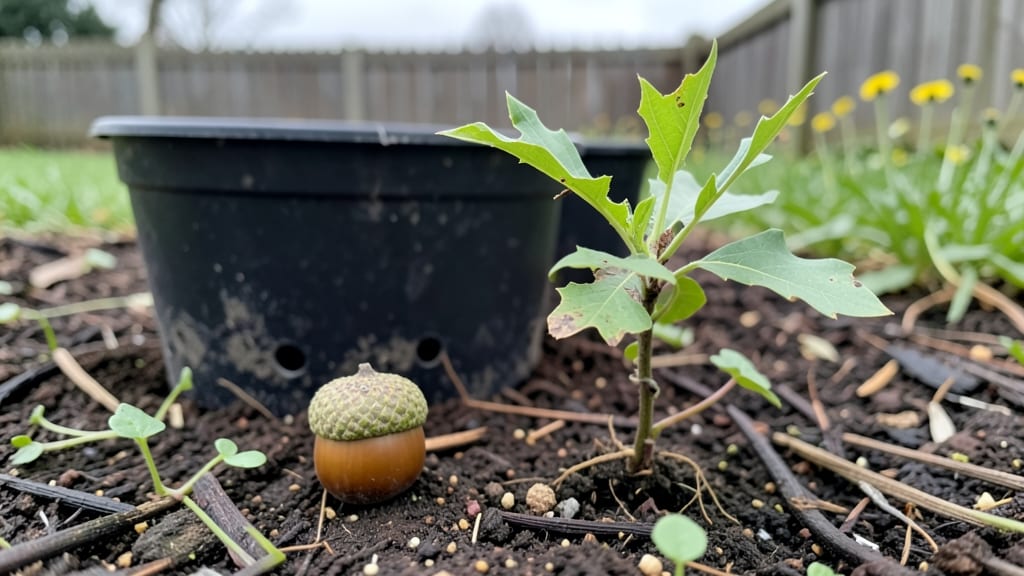
Planting an acorn to grow a tree is one of the most rewarding challenges in gardening—if you know the right tricks. 🌱 I’ve watched my own oak saplings emerge from acorns after years of patience, and the process is simpler than most people think, once you understand the key steps.
The secret isn’t forcing speed; it’s creating the perfect conditions for nature to take over.
You’ll need fresh acorns (from mature, healthy trees), a shallow container or direct planting spot, and a mix of patience and soil that drains well but holds moisture.
The real magic happens in the first few months—acorns can take anywhere from three months to two years to germinate, depending on the species and conditions. That’s why choosing the right spot (partial shade, protected from wind) makes all the difference.
What you’ll end up with is a sturdy young tree that outlasts anything you could buy at a nursery. The roots develop deep and strong, the trunk thickens naturally, and the leaves turn that unmistakable shade of green by year three.
The best part? You’re growing a tree that could live for centuries—something no store-bought sapling can promise.
This method works for oaks, hickories, and even walnuts, though timing varies by species. If you’re in a colder climate, start indoors in late winter for a head start. Let’s get those acorns planted—they’re waiting for you.
📚 In This Guide
- What you need
- Instructions
- Tips and common mistakes
- Wrapping up and next steps
What you need
- ● 1-3 fresh acorns – Choose plump, healthy acorns from a native oak species (e.g., white oak, red oak, or live oak). Avoid shriveled or insect-damaged ones!
- ● 1 small pot (4-6 inches deep) – Use a well-draining container with drainage holes (plastic or biodegradable pots work great).
- ● Potting mix or seed-starting soil – A lightweight, moisture-retentive mix (avoid garden soil—it can compact and suffocate roots).
- ● Watering can or spray bottle – A gentle watering system helps avoid displacing the tiny seed.
- ● Plastic wrap or humidity dome – Keeps moisture levels high during germination (a clear plastic bag works too!).
- ● Patience (and a warm spot!) – Acorns can take 4-12 weeks to sprout, depending on species and conditions.
- ● A seed stratification kit or refrigerator (if cold-moist stratification is needed for your acorn type).
- ● Grow lights or a sunny windowsill (south-facing is ideal for natural light).
- ● A humidity tray (a shallow tray with pebbles and water to boost moisture).
- ● Labels and markers (to track planting dates and oak species).
- ● Pruning shears (for future trimming as your tree grows!).
Step-by-Step instructions for planting an acorn to grow a tree
Here's the straightforward method I've used to grow healthy oak saplings from acorns—no fancy tools needed.
🌱 Step 1: Select and Prepare the Right Acorns
Gather acorns from mature, healthy trees in late fall or early winter. Look for plump, intact acorns without cracks or holes—these have the best chance of germination. I prefer white oaks (with rounded caps) over red oaks (pointy caps) because they germinate more reliably. Store them in a cool, dry place until you're ready to plant.
Before planting, soak the acorns in lukewarm water for 24 hours. This softens the hard shell and kickstarts the germination process. After soaking, place them in a damp paper towel and fold it gently to keep them moist. Store the wrapped acorns in a sealed plastic bag in the refrigerator for 60-90 days to simulate winter conditions—this cold stratification is crucial for breaking dormancy.
💧 Step 2: Plant the Acorns in Moisture-Retentive Soil
Use a well-draining potting mix or a blend of 50% peat moss and 50% perlite to create a moisture-retentive but airy medium. Fill small pots or seed trays with the mix and moisten it until damp but not soggy. Plant the acorns ½ inch deep, spacing them about 2 inches apart in the container. I like to use 4-inch pots because they give roots room to establish without overcrowding.
Place the pots in a warm, shaded location where the soil stays consistently moist. You'll know the moisture is right when the surface feels damp to the touch but doesn't feel wet or clumpy. Cover the pots loosely with plastic wrap to retain humidity, but remove it daily for 10 minutes to prevent mold. Germination can take 4-12 weeks, so patience is key—watch for tiny green sprouts pushing through the soil.
☀️ Step 3: Provide Gradual Light and Air Circulation
Once the first true leaves appear (not the initial seed leaves), it's time to introduce light gradually. Move the seedlings to a bright, indirect light spot for 2-3 hours daily, then increase their exposure over 1-2 weeks until they receive 6+ hours of sunlight. Direct sun can scorch young seedlings, so I start with morning light and gradually add afternoon exposure.
After 4-6 weeks, when the seedlings have 3-4 sets of leaves, transplant them into individual 6-inch pots with fresh potting mix. This step prevents root binding and gives them room to grow. Keep the soil moist but not waterlogged—overwatering is the #1 killer of young acorn seedlings. You'll see strong, sturdy growth when the stems are thick and leaves are dark green.
🪴 Step 4: Acclimate and Transplant Outdoors
When the seedlings are 6-12 inches tall and the last frost has passed, it's time to plant them outdoors. Choose a location with partial shade for the first year to protect them from intense sun. Dig a hole twice as wide as the root ball but only as deep as the pot. Gently remove the seedling, loosen the roots if they're circling, and place it in the hole so the top of the root ball sits ½ inch below the soil surface.
Water deeply after planting to settle the soil and remove the plastic wrap from the pot if you used one. Mulch around the base with 2 inches of organic mulch to retain moisture and regulate soil temperature. Over the next few weeks, gradually increase their sun exposure to full sun by moving them to sunnier spots each day. You'll know they're adapting well when new leaves continue to grow without wilting.
Tips & tricks for perfect acorn germination
Here's what I've learned after growing dozens of oak saplings from acorns—these little tricks make all the difference between success and frustration.
Acorn Selection Tip: When choosing acorns in Step 1, pay extra attention to the cap. White oaks (with rounded caps) have a higher germination rate than red oaks. Also, tap the acorn against your palm—it should sound hollow, not solid. Solid-sounding acorns are often empty or damaged inside. I've found that acorns from mature trees (at least 30 years old) produce the healthiest seedlings.
Cold Stratification Hack: The 60-90 days of cold stratification in Step 1 is non-negotiable for breaking dormancy. If you're impatient, you can speed this up by using a seed stratification mat set to 35-40°F for 30-45 days. Just don't skip this step entirely—acorns without proper stratification often fail to germinate. I like to check my acorns weekly during stratification by gently squeezing the paper towel—they should feel damp but not soaked.
Germination Watch: During the 4-12 week germination period in Step 2, place your pots in a clear plastic bag (not just plastic wrap) to create a mini greenhouse effect. This maintains humidity while still allowing light penetration. Check daily for condensation on the bag—if it's dry, spritz with water. The first sign of life will be a tiny white root pushing through the shell, followed by a sprout in about 3-5 days after that.
Light Transition Strategy: When you begin the gradual light introduction in Step 3, start with an east-facing window where the morning sun is gentle. I've had the best success using a grow light on a timer for 12 hours a day during this phase—it provides consistent light without the risk of scorching. Watch for leaves that look pale or stretched (called etiolation)—this means they need more light. Rotate your pots weekly to ensure even growth.
Pro Tips for Plant An Acorn To Grow A Tree
- Here's what I've learned after growing dozens of oak saplings from acorns—these little tricks make all the difference between success and frustration.
- Acorn Selection Tip: When choosing acorns in Step 1, pay extra attention to the cap.
- Cold Stratification Hack: The 60-90 days of cold stratification in Step 1 is non-negotiable for breaking dormancy.
Frequently asked questions
Got questions about growing an oak tree from an acorn? You’re not alone! Here are answers to the most common queries to help you succeed—no green thumb required.
How long does it take for an acorn to sprout?
Patience is key! Acorns typically take 4–8 weeks to sprout indoors, depending on moisture and warmth. Outdoors, germination can take 2–4 months in ideal spring conditions. If nothing happens after 3 months, the acorn may not be viable—try another!
Can I plant an acorn directly in the ground without soaking it first?
Yes, but success rates drop. Soaking acorns for 24–48 hours softens the shell, speeding up germination. If you skip this step, plant in moist, well-drained soil and keep the area consistently damp. Nature handles the rest—but soaking gives your acorn a head start!
What’s the best temperature for acorn germination?
Aim for 60–80°F (15–27°C). Too cold (<50°F/10°C) slows growth; too hot (>90°F/32°C) can kill the embryo. Indoors, place your pot near a sunny window or under a grow light. Outdoors, plant after the last frost when soil warms naturally.
Why did my acorn sprout but then die?
Common culprits: overwatering (root rot), drought stress, or poor drainage. Ensure pots have drainage holes and use a mix of 50% potting soil + 50% perlite. If the sprout wilts, check moisture—keep soil evenly damp, not soggy.
Can I grow any acorn, or do I need a special type?
Most white oak (Quercus alba) or red oak (Quercus rubra) acorns work best—they’re larger and less bitter. Avoid tiny, shriveled, or worm-infested acorns. Pro tip: Float test acorns in water—sinkers are viable; floaters are duds!
How deep should I bury the acorn when planting outdoors?
Plant acorns 1–2 inches deep in loose, fertile soil. Deeper burials risk rot; shallower ones may dry out. Mark the spot with a stake or flag—oak seedlings take years to emerge! Mulch lightly (1–2 inches) to retain moisture.
Wrapping up and next steps
Growing a tree from an acorn is a rewarding journey that connects you to nature’s timeless cycle—and you’ve got everything you need to succeed! 🌱 With patience, the right technique, and a little care, that tiny seed can become a towering oak, shade, or even a wildlife haven.
Now that you’re armed with acorn germination secrets, why not take the next step?
Start small: plant your first acorn this weekend and track its progress. Share your experience with fellow plant enthusiasts or even document the growth—future generations will love seeing your tree’s story! 🌳✨