
Pruning
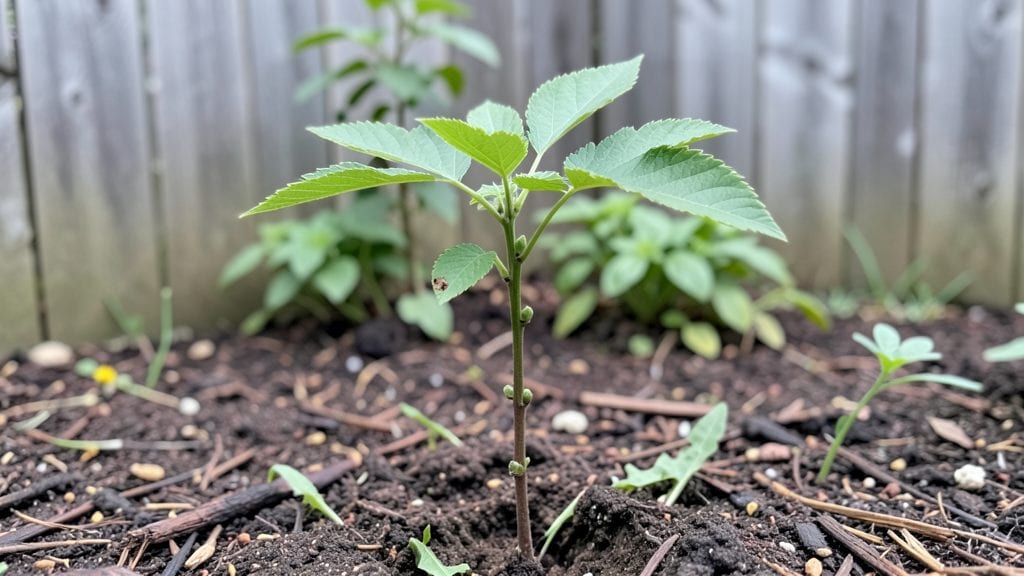
That first hickory tree sprout pushing through damp Pacific Northwest soil is a promise of resilience—one that thrives where many trees fail.
I’ve watched these hardy seedlings outlast frost and thrive in our rainy climate, and the secret isn’t just patience but knowing exactly when to plant, how deep to set those roots, and which pruning cuts will shape a strong future.
The key starts with soil: rich, well-draining, and mixed with compost to give young roots the nutrients they’ll need for years.
You’ll need a sunny spot—at least 6 hours of direct light daily—and a spot where the soil stays moist but never soggy. Early pruning isn’t about shaping; it’s about removing weak growth and encouraging a sturdy central leader.
My first hickory sprout nearly topped itself trying to reach the sky, but a few strategic cuts redirected its energy into a thicker trunk that’s now twice as strong as its neighbors.
The real magic happens in the first two years, when proper care sets the stage for a tree that’ll last centuries.
By summer’s end, you’ll see 3-foot-tall seedlings with leaves the size of your palm, their glossy edges a sign of good health. The biggest challenge? Deer and hungry wildlife—so protect young plants with wire cages until they’re too tough to browse.
With the right start, your hickory will outgrow pests, outlast droughts, and become the centerpiece of your yard for generations. Here’s how to give it the best possible beginning.
This method works whether you’re starting from a nursery seedling or a wildling you’ve transplanted from the forest edge. The Pacific Northwest’s cool summers and mild winters actually make hickories easier to grow than in hotter climates—just avoid planting in low-lying areas where frost lingers.
Once established, these trees need almost no care, making them the ultimate low-maintenance investment for any property.
📚 In This Guide
- What you need
- Instructions
- Tips and common mistakes
- Wrapping up and next steps
What you need
- ● Hickory tree sprout: 1 healthy, disease-free sapling (1–3 years old, 12–24 inches tall).
- ● Well-draining soil mix: 50% native PNW soil + 50% compost (or potting mix for containers).
- ● Pruning tools: Bypass pruners (sharp, sterilized with rubbing alcohol).
- ● Hand saw (for thicker stems, 7–10 inches blade).
- ● Mulch: 2–3 inches of wood chips or straw (keep 6 inches away from the trunk).
- ● Watering can or hose: With a gentle spray nozzle (1–2 gallons per watering).
- ● Frost cloth or row cover: 1–2 sheets (5x7 ft minimum) for young sprouts (critical for PNW winters!).
- ● Stakes & twine: 3–4 stakes (18–24 inches tall) + soft twine for support.
- ● Slow-release fertilizer: Balanced 10-10-10 or organic options (like fish emulsion).
- ● Soil moisture meter: To track hydration without overwatering.
- ● Tree guard: Plastic spiral wrap to protect young bark from critters.
- ● Garden gloves: Heavy-duty for pruning and mulching.
- ● Label tags: For tracking planting dates and varieties.
Step-by-Step instructions for growing a hickory sprout in the Pacific Northwest
Here's how to nurture a hardy hickory sprout that thrives through our region's cold winters.
Select and Prepare the Sprout
Start with a healthy hickory sprout—look for one with a straight stem and vibrant green leaves at least 4-6 inches tall. I always check the roots first; they should be white and firm, not brown or mushy. Remove the sprout carefully from its container, shaking off excess soil to inspect the root system.
Trim any damaged roots with clean, sharp scissors, but leave at least 2-3 inches of healthy roots intact. This ensures the sprout can establish itself quickly. If the roots are tangled, gently tease them apart to encourage outward growth. Here's the thing—hickory sprouts are tough, but a little extra care at this stage makes all the difference.
Choose the Right Planting Location
Hickory trees love full sun, so pick a spot that gets at least 6-8 hours of direct sunlight daily. In the Pacific Northwest, this often means a south-facing area where the tree won’t be shaded by taller evergreens. Dig a hole twice as wide as the sprout’s root ball but only as deep as the roots themselves.
Loosen the soil at the bottom of the hole with a garden fork to help roots penetrate easily. If your soil is heavy clay, mix in a handful of compost to improve drainage. Hickories hate soggy roots, and our region’s wet winters can be tricky. Amend the soil only if needed—overdoing it can harm the sprout more than help.
Plant and Water Deeply
Place the sprout in the hole so the top of the root ball sits 1-2 inches below the soil line. This prevents the stem from drying out during dry spells. Fill the hole with soil, pressing gently around the roots to remove air pockets. Water deeply until the soil is moist 6 inches down—you’ll know it’s right when water stops pooling on the surface.
Mulch the area with 2-3 inches of wood chips or straw, keeping the mulch 6 inches away from the trunk to prevent rot. This helps retain moisture and protects the roots from freezing temperatures. Water once a week if rainfall is light, but don’t overdo it—hickories are drought-tolerant once established.
Protect and Monitor Through the First Year
In the Pacific Northwest, young hickories need extra care during winter. Wrap the trunk with tree guard or burlap to shield it from frost and rodents. Prune any branches that rub together or grow inward—they’ll compete for sunlight and weaken the tree.
Watch for signs of stress, like yellowing leaves or wilting. If you see these, check the soil moisture and adjust watering as needed. Hickories are slow growers, so don’t expect rapid growth. Instead, focus on building a strong root system. By the end of the first year, your sprout should be 3-5 feet tall with a sturdy trunk—ready to handle our region’s cold winters like a pro.
Tips & tricks for perfect hickory tree sprout growth
A few key tricks will help your hickory sprout thrive in the Pacific Northwest's challenging climate.
Sprout Selection Strategy: When choosing your hickory sprout, pay special attention to the root system in Step 1. Healthy roots should be white and firm, not brown or mushy. I've learned the hard way that even a small amount of root damage can set back your sprout's growth by weeks. If you notice any tangled roots, gently tease them apart to encourage outward growth—this helps the root system establish itself more quickly in our region's heavy soils.
Sunlight Optimization: The 6-8 hours of direct sunlight mentioned in Step 2 is non-negotiable for hickory trees. In the Pacific Northwest, this often means selecting a south-facing location. If your yard doesn't have ideal sun exposure, consider using reflective surfaces like white walls or fences to bounce extra light onto your sprout. I've seen hickories grow surprisingly well in partial shade when given this extra boost, especially during our shorter winter days.
Soil Preparation Insight: For Step 2's soil preparation, remember that hickories hate soggy roots. If you're working with heavy clay soil, mix in just a handful of compost—over-amending can actually harm the delicate root system. I've found that adding a layer of coarse sand to the bottom of the planting hole helps with drainage without requiring major soil amendments. This small adjustment makes a big difference in our wet winters.
Winter Protection Pro Tip: When it comes to Step 4's winter protection, don't wait until the first frost to wrap your sprout. I start protecting my hickories as soon as temperatures drop below 40°F. Use tree guard or burlap, but make sure it's not too tight—you want to allow for some air circulation. I've had sprouts survive our coldest winters with this simple protection, while unprotected ones suffered frost damage.
Pro Tips for Hickory Tree Sprout
- A few key tricks will help your hickory sprout thrive in the Pacific Northwest's challenging climate.
- Sprout Selection Strategy: When choosing your hickory sprout, pay special attention to the root system in Step 1.
- Sunlight Optimization: The 6-8 hours of direct sunlight mentioned in Step 2 is non-negotiable for hickory trees.
Frequently asked questions
Got questions about nurturing your hickory tree sprout in the Pacific Northwest? We’ve got answers!
Whether you're a first-time grower or troubleshooting challenges, these FAQs cover the essentials to help your young hickory thrive—even in chilly climates.
How long does it take for a hickory tree sprout to establish itself in the PNW?
A hickory sprout typically takes 2–3 years to establish a strong root system in the Pacific Northwest’s climate. During this time, focus on consistent watering (especially in dry summers) and mulching to protect roots from frost. Patience pays off—mature hickories can live for centuries!
Can hickory tree sprouts survive PNW winters without extra protection?
Yes! Native hickory species (like Carya illinoinensis) are frost-hardy down to -20°F, but young sprouts (<3 years old) benefit from a 3–4 inch mulch layer of wood chips or straw. Avoid heavy mulch piles near the trunk to prevent rot.
When is the best time to prune a hickory tree sprout?
Prune your hickory sprout during late winter or early spring (before new growth starts) to avoid stressing the tree. Remove dead, crossing, or weak branches using sterilized tools. Avoid heavy pruning in fall—it can stimulate tender growth vulnerable to frost.
What’s the fastest way to fix a hickory sprout with yellowing leaves?
Yellowing leaves often signal overwatering, nutrient deficiency, or pests. Check soil moisture (hickories prefer well-draining soil) and amend with compost. For pests (like aphids), spray with neem oil. If leaves are crunchy, it might be hickory leaf curl—prune infected branches immediately.
Can I grow a hickory tree from a store-bought nut instead of a sprout?
Yes, but success rates are low! Soak the nut in water for 24–48 hours, then plant it 1–2 inches deep in moist, sandy soil. Keep it warm (70–80°F) until germination (4–6 weeks). For faster results, buy a certified PNW-friendly sprout from a nursery.
Wrapping up and next steps
Growing a hickory tree sprout in the Pacific Northwest is a rewarding journey—one that rewards patience with a resilient, frost-hardy addition to your landscape. By following the right pruning techniques and care steps, you’ll nurture a thriving tree that stands strong against winter’s chill. 🌳❄️
Now that you’re armed with the knowledge, take the next step: gather your tools, mark your calendar, and give your hickory sprout the attention it deserves.
Whether you’re a seasoned gardener or a beginner, every trim brings you closer to a lush, healthy tree that’ll be the envy of the neighborhood!