
Pruning
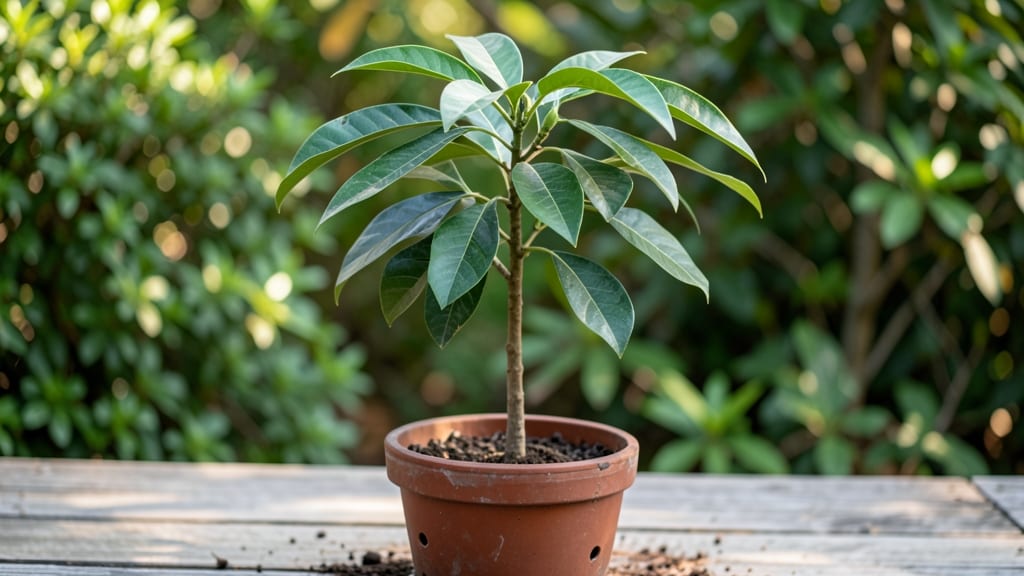
Growing a miracle mango tree in the Pacific Northwest feels like cheating the system—until you see the first frost warnings. 🌱 I’ve watched these trees thrive where others would freeze, their glossy leaves holding onto warmth like stubborn little survivors.
The secret isn’t magic; it’s pruning with purpose, knowing exactly when to coax growth and when to protect it.
This isn’t your grandma’s tropical mango. The Miracle Mango handles 20°F dips with the right care, but it demands respect—think of it like a high-maintenance houseplant that rewards you with sweet, juicy fruit instead of just leaves.
You’ll need 6+ hours of sun daily, well-draining soil, and a pruning schedule that keeps it compact enough to protect from winter winds. No greenhouses? No problem—just follow the blueprint.
By summer’s end, you’ll have a tree loaded with bright orange fruit that tastes like a vacation, even if you’re still shoveling snow. The pruning isn’t just about shaping—it’s about training the tree to survive while still producing.
We’re talking thicker canes, fewer dead ends, and fruit that ripens reliably year after year. Trust me, the first time you bite into a homegrown mango in September, you’ll forget it’s supposed to be a tropical luxury.
Whether you’re in Seattle or Portland, this method works—just adjust for microclimates. The key is timing: prune in late winter to encourage spring growth, then again after harvest to prep for winter. Let’s get those branches in shape before the cold hits.
📚 In This Guide
- What you need
- Instructions
- Tips and common mistakes
- Wrapping up and next steps
What you need
- ● Pruning shears: Bypass pruners (sharp, clean, and sterilized with rubbing alcohol between cuts). Recommended: Felco F-2 or similar (for precision cuts).
- ○ Loppers: 1 pair (for thicker branches, 1.5"–2" diameter). Optional: Ratchet-style for extra leverage.
- ● Hand saw: Pruning saw with a curved blade (for branches >2" thick). Pro tip: 💡 Use a bypass saw to avoid crushing wood.
- ● Gloves: Heavy-duty gardening gloves (cut-resistant, like Mechanix Wear).
- ● Disinfectant: 70% isopropyl alcohol or bleach solution (1 part bleach to 9 parts water).
- ○ Pruning sealant: (Optional) Tree wound paint or beeswax (for large cuts >0.5" diameter).
- ● Tarp or drop cloth: To catch debris (3’x5’ minimum).
- ● Ladder or step stool: (If tree is >6’ tall). Safety first: ✨ Use a stable, non-slip model.
- ● Timing: Prune during dormant season (late winter/early spring, before buds swell). Avoid pruning after October in cold climates.
- ● Weather: Choose a dry, calm day (no rain forecasted for 24 hours).
- ● Tree health check: Inspect for pests/disease (e.g., sooty mold, aphids) before pruning. Action: Treat with neem oil if needed.
- ● Safety gear: Safety glasses (to protect from debris) and long sleeves/pants.
- ● Magnifying glass (for spotting small buds or pests).
- ● Notebook + pen (to sketch your pruning plan or track growth).
- ● String or measuring tape (to mark cuts for symmetry).
- ● Compost bin (to repurpose pruned branches as mulch).
Step-by-Step pruning guide for Pacific Northwest miracle mango trees
This is how I keep my cold-hardy mango thriving through PNW winters—no fancy tools, just strategic cuts and timing.
✂️ Step 1: Prune in Late Winter Before New Growth Begins
Schedule your first pruning session in late February or early March, just as buds begin to swell but before any new growth appears. This timing ensures you remove dead wood while preserving next season's fruit potential. I always prune on a dry, sunny morning when the tree isn't stressed from cold snaps.
Start by removing any branches that died over winter—they'll be brittle and snap easily when bent. Look for branches growing inward or crossing others; these compete for sunlight and energy. Use sharp pruning shears to make clean cuts at a 45-degree angle, about ¼ inch above a bud or lateral branch. Never leave stubs, as they invite disease.
☀️ Step 2: Open the Canopy for Sunlight and Airflow
The Miracle Mango's cold-hardiness depends on good airflow, so thin the canopy to let light penetrate to the center. Remove 20-30% of the smallest branches first—these are often the ones growing straight up or too densely. Focus on the outer branches to create an open, rounded shape that catches sunlight year-round.
Watch for "water sprouts"—thin, fast-growing shoots that appear after pruning. These saplings steal energy from fruit production, so cut them back to ½ inch above a leaf bud within a week of spotting them. You'll see new growth emerge from those buds, but this time it'll be stronger and more productive.
⏰ Step 3: Summer Light Pruning to Encourage Fruit Set
In mid-July, do a quick check for any branches that grew too vigorously after spring pruning. These often have small leaves and long internodes (spaces between leaves). Trim back the tips of these branches by ⅓ their length to encourage bushier growth and more flowering sites for next year's fruit.
This is also the time to remove any suckers growing from the base of the tree. These compete with the main trunk and weaken the tree's cold resistance. Cut them off at the base with clean shears, then apply a thin layer of copper fungicide to the wound to prevent infection—a habit I learned after losing a branch to rot years ago.
❄️ Step 4: Winter Protection for Cold Snaps
When temperatures dip below 20°F, wrap the trunk and major branches with burlap or frost cloth to prevent sunscald. I also mound 4-6 inches of mulch around the base, keeping it 6 inches away from the trunk to avoid moisture buildup. This extra insulation helps roots survive PNW freezes without smothering the tree.
After the last frost but before buds break, remove any protective wraps and prune out any frost-damaged branches. These will be dark, mushy, or easily peelable when touched. Prune these immediately to prevent disease from spreading to healthy wood. You'll know you've done it right when the tree's new growth emerges uniformly green and vigorous.
Tips & tricks for pruning Pacific Northwest miracle mango trees
These pruning secrets will help you keep your cold-hardy mango thriving through PNW winters without the guesswork.
Timing is Everything: The late February or early March window for Step 1 is critical—it's when the tree's dormant but about to wake up. I've learned the hard way that pruning too early risks removing buds that would have become next year's fruit, while waiting too long means you're cutting back new growth that could have supported fruit production. Look for those swollen buds that haven't yet cracked open.
Cutting Technique Matters: When making those 45-degree angle cuts in Step 1, imagine you're making a tiny roof over each bud. This angle helps water run off and prevents rot from collecting at the cut site. I always sterilize my pruners with rubbing alcohol between cuts to prevent spreading any potential diseases between branches. For thicker branches over ½ inch, use a pruning saw for cleaner cuts that heal faster.
Canopy Architecture: In Step 2, aim for that open, rounded shape that looks like an upside-down wedding cake. This design catches sunlight year-round and prevents the center from staying too damp. I like to visualize removing branches that would block light from reaching the inner canopy—think of it like creating a sunlit cathedral inside the tree. This open structure also helps air circulate, which is crucial for preventing fungal diseases in our damp PNW climate.
Winter Protection Hacks: For the 20°F threshold in Step 4, I've found that wrapping the trunk with burlap creates a microclimate that can protect against sunscald even when air temps drop lower. The key is to leave some space between the wrap and the bark—about 1-2 inches—to allow for some airflow. I also add a layer of reflective bubble wrap on the south side of the trunk for extra protection against winter sun exposure.
Pro Tips for Miracle Mango Tree
- These pruning secrets will help you keep your cold-hardy mango thriving through PNW winters without the guesswork.
- Timing is Everything: The late February or early March window for Step 1 is critical—it's when the tree's dormant but about to wake up.
- Cutting Technique Matters: When making those 45-degree angle cuts in Step 1, imagine you're making a tiny roof over each bud.
Frequently asked questions
Got questions about nurturing your Miracle Mango Tree in the Pacific Northwest? You’re not alone—growing a cold-hardy mango is a unique challenge! Here’s a quick guide to the most common concerns, from pruning to survival tips.
How do I know when to prune my Miracle Mango Tree?
Prune your tree after harvest (late summer to early fall) to encourage new growth before winter. For young trees, a light trim in early spring (before buds swell) helps shape the canopy. Avoid heavy pruning in winter—it stresses the tree. Pro tip: Always use clean, sharp tools to prevent disease!
Can the Miracle Mango Tree survive PNW winters?
Yes! This variety is bred for cold tolerance (down to 15–20°F), but protection is key. Wrap the trunk with burlap or frost cloth in late fall, and mulch the root zone with 6–12 inches of straw or wood chips. Move potted trees to a sheltered spot or garage. Pro tip: Avoid pruning in late winter—wait until temps stabilize!
Why aren’t my Miracle Mangoes ripening?
Mangoes need full sun (6+ hours/day) and consistent warmth to ripen. If your tree is in partial shade or temps drop below 60°F, fruit may stay green. Try relocating the tree to a sunnier spot or use row covers in early spring. Pro tip: Harvest slightly underripe mangoes—they’ll ripen indoors at room temp!
What’s the best fertilizer for a Miracle Mango Tree?
Use a balanced, citrus-friendly fertilizer (like 6-6-6 or 8-3-9) in early spring and again after harvest. Avoid high-nitrogen fertilizers—they promote leafy growth over fruit. Pro tip: Test soil pH (ideal: 6.0–7.0) and amend with compost or sulfur if needed.
Can I grow a Miracle Mango Tree in a container?
Use a large pot (15+ gallons) with drainage holes and well-draining soil. Move containers indoors or to a garage when temps drop below 30°F. Pro tip: Prune roots annually to prevent circling and fertilize monthly during growing season.
Wrapping up and next steps
The Miracle Mango Tree proves that growing tropical fruit in the Pacific Northwest isn’t just possible—it’s thrilling! 🌱 With the right pruning techniques, cold-hardy varieties, and a little patience, you can nurture a thriving tree that rewards you with sweet, juicy mangoes year after year.
Remember, success starts with knowledge, consistency, and confidence—your green thumb is all you need to get started!
Ready to take the next step? Start small:
- Choose your cold-hardy variety and gather your tools.
- Follow the pruning blueprint in this guide to shape your tree.
- Join a local gardening community (or online forums!) to share tips and celebrate your progress.