
Trees
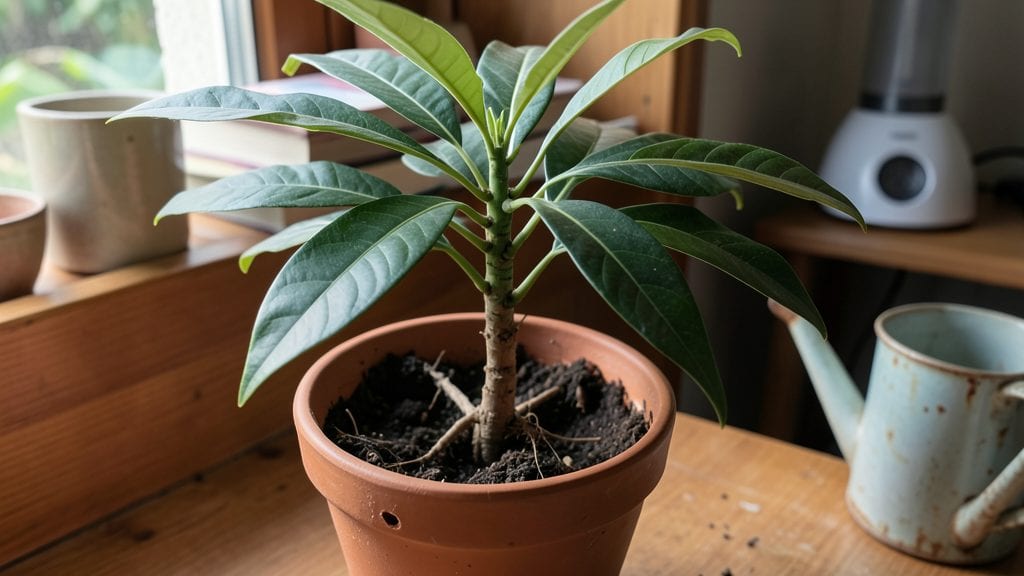
Growing a mango tree indoors isn't just possible—it's a game-changer for tropical fruit lovers. 🌱 I've watched my own dwarf variety send out new leaves every spring, proving that container culture can deliver real fruit, not just foliage.
The key is choosing a compact variety like 'Cogshall' or 'Julie' that thrives in pots while still producing sweet, juicy mangoes.
You'll need a 15-20 gallon container with drainage holes, a well-draining potting mix, and a bright spot near a south-facing window where it gets at least 6 hours of sunlight daily. My tree lives in a sunny kitchen nook where temperatures stay between 65-85°F—the tropical conditions it craves.
The real secret? Mimicking humidity with a pebble tray or occasional misting keeps those broad leaves happy.
With consistent care, you'll see 3-5 foot tall trees bearing small but flavorful fruit in 3-5 years. The first harvest might be just a few mangoes, but each year brings more—especially after you master the winter dormancy trick of letting the soil dry slightly between waterings.
The smell of blossoms in spring makes every effort worth it.
This method works for any indoor space with sufficient light, from sunrooms to bright living rooms. The only limitation is your patience—indoor mango trees grow slower than outdoor ones, but the payoff of fresh fruit indoors is unbeatable. Let's get your tropical dream started!
📚 In This Guide
- What you need
- Instructions
- Tips and common mistakes
- Wrapping up and next steps
What you need
- ● Mango Tree: A dwarf mango variety (e.g., 'Cogshall,' 'Julie,' or 'Ice Cream')—ensure it’s labeled for container growing (seedlings may take years to fruit).
- ● Size: 1–3 feet tall (check local nurseries or online plant shops).
- ● Container: A large, well-draining pot (minimum 12–15 inches in diameter and 18+ inches deep for mature trees).
- ● Material: Terracotta (breathable) or plastic with drainage holes.
- ● Potting Mix: 2 parts high-quality cactus/succulent mix (or well-draining potting soil).
- ● 1 part perlite or pumice (for aeration).
- ○ Optional: Add 1 part coconut coir or orchid bark for moisture control.
- ● Drainage: 3–5 small pebbles or broken pottery pieces at the pot’s base.
- ● Gloves (to protect from sap and thorns).
- ● Pruning shears (sharp, sterilized—1 pair).
- ● Spray bottle (for misting leaves).
- ○ Humidity tray (optional—use a shallow tray with pebbles and water).
- ○ Grow lights (optional—LED full-spectrum, 12–16 hours/day if natural light is <10 hours).
- ● Fertilizer: Balanced liquid fertilizer (e.g., 10-10-10 or 20-20-20, diluted to half-strength).
- ○ Citrus/mango-specific fertilizer (optional, for micronutrients).
- ● Support: Stake or bamboo pole (if your tree grows tall—1–2 per tree).
- ● Soft ties (e.g., velcro plant straps).
- ● Space: A sunny spot (south or west-facing window, or grow lights).
- ● Temperature: Keep indoors at 65–85°F (18–29°C) year-round.
- ● Patience: Dwarf varieties may take 3–5 years to bear fruit indoors!
- ● Water source: Access to room-temperature water (chlorine-free if possible).
Step-by-step instructions for growing a mango tree indoors
Here's how to nurture a tropical mango tree in containers—with fruit possible in 5-7 years!
🌱 Step 1: Select the Right Variety and Starting Material
Choose a dwarf mango variety like 'Cogshall' or 'Ice Cream'—they're bred for containers and smaller spaces. You'll need either a young grafted tree (available at specialty nurseries) or a seedling from a fresh mango pit. If starting from seed, let the pit dry for 3 days first, then soak it in warm water for 24 hours to soften the shell.
I recommend buying a 1-2 year old grafted tree—it's already bearing fruit potential and skips the unpredictable seedling stage. Look for a tree with a sturdy trunk and at least 3-4 branches. The first year indoors will focus on establishing strong roots before worrying about fruit.
🪴 Step 2: Prepare the Container and Soil Mix
Use a 5-gallon container with drainage holes—mango roots need room to grow but hate soggy feet. Fill the bottom 2 inches with orchid bark mix for drainage, then add a well-draining potting mix that's 60% peat moss, 20% perlite, and 20% coarse sand. This mimics the airy, fast-draining soil of tropical forests.
Don't use regular garden soil—it compacts and suffocates roots. Mix in a handful of slow-release fertilizer (14-14-14 ratio) into the bottom layer. Water the mix thoroughly until it drains from the bottom, then let it sit until just damp to the touch before planting.
☀️ Step 3: Plant and Position for Maximum Light
Place your mango tree in the center of the container and fill around the roots with the prepared mix, pressing gently to remove air pockets. The top of the root ball should sit 1 inch below the container rim—this prevents water from spilling over roots during watering. Water immediately after planting to settle the soil.
Position your tree in the brightest spot possible—south or west-facing windows get at least 6-8 hours of direct sunlight. If natural light is insufficient, supplement with a 150-watt LED grow light kept 12-18 inches above the tree for 12 hours daily. You'll know the light is right when new leaves emerge dark green and glossy, not pale or yellowing.
💧 Step 4: Water and Fertilize for Healthy Growth
Water when the top 2 inches of soil feel dry—stick your finger in to check. Mango trees hate soggy roots but also can't tolerate drought. In summer, this means watering every 3-4 days; in winter, every 7-10 days. Always water until it runs freely from the drainage holes, then empty the saucer to prevent root rot.
Feed your tree every 4-6 weeks during spring and summer with a balanced liquid fertilizer (20-20-20) diluted to half strength. In fall and winter, reduce to every 8-12 weeks—this mimics the tree's natural slower growth in cooler months. You'll see healthy growth when new leaves appear every 2-3 weeks and stems stay firm, not rubbery.
✂️ Step 5: Prune and Train for Shape and Fruit Potential
Prune in late winter or early spring before new growth begins. Remove any dead, diseased, or crossing branches, then cut back overgrown stems to just above a leaf node. This encourages bushier growth. I also pinch off the tips of new shoots to promote branching—this is how you build a sturdy structure that can support future fruit.
If your tree grows leggy toward the light, rotate the container a quarter turn weekly so it grows evenly. You won't see fruit for several years, but proper pruning now ensures a stronger tree capable of bearing small but flavorful mangoes in a container. Watch for tiny flower buds in spring—the first sign fruit is possible!
Tips & tricks for growing a thriving indoor mango tree
Growing mango trees indoors takes patience, but these pro tips will help you avoid common pitfalls and give your tree the best chance to flourish.
Starting from Seed vs. Grafted Trees: If you're starting with a seed, don't rush the drying process—those 3 days of drying are crucial for breaking the seed's dormancy. I've seen seeds sprout faster when you gently score the hard shell with a knife before soaking, which helps water penetrate. But for fruit potential, stick with grafted trees—they're already bred to produce fruit in containers, while seed-grown trees might take decades to bear fruit (if ever).
Soil Mix Secrets: The 60/20/20 peat moss/perlite/sand mix in Step 2 is non-negotiable for proper drainage, but here's a pro move: Add a handful of worm castings to the bottom layer for extra nutrients. This gives your tree a slow-release boost while preventing compaction. And always test your mix—it should feel like a damp sponge, not a wet rag.
Lighting Hacks: That 6-8 hours of direct sunlight requirement can be tricky indoors. If your windows aren't bright enough, try placing a mirror opposite the window to reflect more light onto the tree. For grow lights, I've found full-spectrum LEDs work better than cheap bulbs—they mimic natural sunlight more closely. Watch your tree's leaves: if they're pale or yellowing, it's a sign you need more light.
Watering Wisdom: The top 2 inches dry rule is perfect, but here's how to check properly: Stick your finger in about an inch deep—if it comes out clean, it's time to water. In winter, I reduce to every 10-14 days because cooler air means slower evaporation. And always empty that saucer! Root rot is the silent killer of container plants, and mango trees are especially vulnerable.
Pro Tips for Grow Mango Tree Indoors
- Growing mango trees indoors takes patience, but these pro tips will help you avoid common pitfalls and give your tree the best chance to flourish.
- Starting from Seed vs.
- Soil Mix Secrets: The 60/20/20 peat moss/perlite/sand mix in Step 2 is non-negotiable for proper drainage, but here's a pro move: Add a handful of worm castings to the bottom layer for extra nutrients.
Frequently asked questions
Got questions about growing a mango tree indoors? You’re not alone! Here are some of the most common concerns—and their solutions—to help you nurture your tropical dream tree with confidence.
How cold can an indoor mango tree tolerate?
Mango trees are tropical and prefer temperatures between 65–85°F (18–29°C). If your home dips below 50°F (10°C), move the plant away from drafts or near a sunny window. Avoid sudden temperature swings, which can stress the tree and stunt growth. A small space heater or grow light can help in winter!
Can I grow a mango tree from a store-bought fruit?
Yes! Save the pit from a ripe mango, rinse it, and let it dry for a day. Plant it 1 inch deep in moist potting mix, keeping it warm and humid (like a terrarium). Germination can take weeks to months—be patient! For faster results, try grafting or buying a young tree from a nursery.
How long does it take for an indoor mango tree to bear fruit?
Indoor mango trees are unlikely to fruit—they need 10+ hours of direct sunlight daily and pollination, which is tough in containers. Even with ideal care, fruiting can take 5–10 years (if ever). Focus on growing a healthy, decorative tree instead!
Why are my mango tree’s leaves yellowing or dropping?
Yellow leaves usually signal overwatering, underwatering, or nutrient deficiencies. Check the soil—it should be slightly moist but not soggy. Brown edges? Too dry. Pale leaves? Needs fertilizer (balanced 10-10-10) every 2–3 months. Also, ensure good drainage to prevent root rot.
What’s the best indoor container size for a mango tree?
Start with a 5–7 gallon pot for young trees, upgrading to 10+ gallons as it grows. Mango trees have deep roots, so prioritize depth over width. Use a pot with drainage holes and repot every 2–3 years or when roots circle the container.
Can I keep my mango tree small, or will it grow huge?
With pruning and container limits, you can control its size. Trim 1/3 of new growth in spring to encourage bushiness. However, mango trees can still reach 6–10 feet tall indoors if unchecked. Choose a dwarf variety (like ‘Cogshall’) or keep it as a bonsai-style tree for compact growth!
Wrapping up and next steps
Growing a mango tree indoors is a rewarding journey that brings a taste of the tropics right to your home! 🌱 With the right container, sunlight, and care, you can nurture a thriving plant—and even enjoy homegrown fruit in time. Start small, stay patient, and watch your indoor oasis flourish.
Your next step? Pick your favorite mango variety and get planting! Whether you’re a beginner or a green thumb, every seedling starts with a single step. Happy growing! 🌟