
Trees
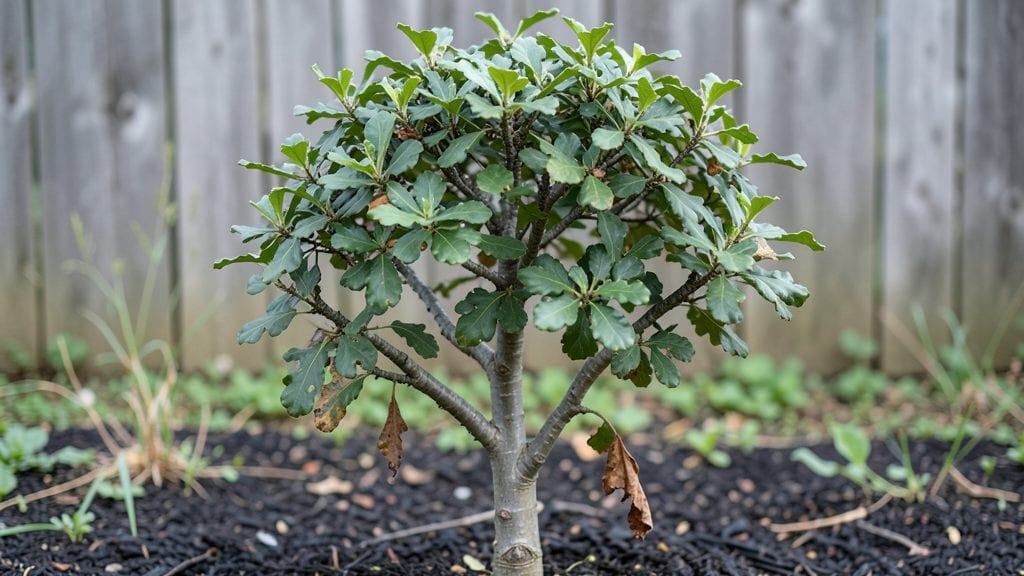
Growing a miniature oak tree in your yard is like bringing a majestic forest into your own space—just smaller. These dwarf varieties let you enjoy the iconic oak silhouette without the decades of waiting, and they thrive in containers or garden beds with the right care.
I’ve nurtured mine for three years now, and the secret isn’t complicated: it’s about patience, the right soil mix, and knowing when to prune.
The key to success starts with choosing the right variety—some stay under 3 feet tall, while others reach 10 feet but grow slowly.
You’ll need well-draining soil (think 60% potting mix, 30% sand, 10% compost) and a spot with full sun to partial shade, depending on your climate. Containers need drainage holes, and ground-planted trees benefit from a mulch ring to keep roots cool.
Watering is the trickiest part: too much rots the roots, but too little stunts growth.
By year three, your miniature oak will have a sturdy trunk and lush foliage that looks like a full-sized tree’s. The leaves turn golden in fall, and with proper pruning, you can shape it into a standard or let it grow naturally.
The best part? These trees live for decades, becoming a living heirloom in your landscape. Let’s get yours started on the right foot.
Whether you’re planting in a 5-gallon container or a garden bed, the same rules apply—just adjust for space. Dwarf oaks handle pruning well, so you can keep them compact or let them grow a bit taller.
Just avoid heavy pruning in late summer, as new growth won’t harden off before winter. With the right care, your miniature oak will become the centerpiece of your garden for years to come.
📚 In This Guide
- What you need
- Instructions
- Tips and common mistakes
- Wrapping up and next steps
What you need
- ● Miniature oak tree sapling: Choose a dwarf variety like Quercus palustris ‘Minima’ or Quercus robur ‘Pendula’ (1-3 years old).
- ● Container (if potted): 10-15 gallon pot with drainage holes (or a larger garden bed).
- ● Well-draining soil: Mix 60% potting soil + 30% perlite + 10% compost (or use a cactus/succulent blend for extra drainage).
- ● Organic fertilizer: Slow-release granular (e.g., 10-10-10) or liquid (e.g., fish emulsion).
- ● Watering can or hose with a gentle nozzle.
- ● Pruning shears: Sharp, clean pair (sterilize with rubbing alcohol).
- ○ Mulch (optional but helpful): Wood chips or shredded bark to retain moisture.
- ● Soil moisture meter to track hydration.
- ● Epsom salt (for magnesium boost, especially in clay soil).
- ● Pest control: Neem oil or insecticidal soap (for aphids/spider mites).
- ● Garden gloves to protect your hands.
- ● Sunhat or shade cloth (if planting in intense afternoon sun).
Step-by-Step instructions for growing miniature oak trees
Here's how to nurture these slow-growing beauties into sturdy, ornamental trees.
Select the Right Dwarf Variety and Location
Miniature oak trees thrive best in well-draining soil with full sun exposure—at least 6-8 hours daily. Choose dwarf varieties like 'Burgundy Spire' or 'Emerald Sentinel' for compact growth. These varieties stay under 10 feet tall, making them perfect for containers or small gardens.
If planting outdoors, select a spot with sheltered airflow to protect young saplings from harsh winds. For containers, use 10-15 gallon pots with drainage holes—miniature oaks resent soggy roots. I always check the pot size against the tree’s mature width to avoid root-bound stress.
Prepare Soil and Plant Correctly
Mix equal parts potting soil and coarse sand (or perlite) to ensure drainage—miniature oaks hate wet feet. For outdoor planting, amend native soil with compost and a handful of sand to replicate their natural, well-draining habitat. Dig a hole twice as wide as the root ball but only as deep.
Place the tree in the hole, ensuring the root flare (where roots meet the trunk) sits just above soil level. Backfill with your prepared mix, pressing gently to eliminate air pockets. Water deeply until moisture seeps from the bottom of the pot or flows from the planting hole.
Water and Fertilize for Healthy Growth
Water deeply once a week during the first year, allowing the top 2 inches of soil to dry between waterings. Overwatering causes root rot, which miniature oaks are particularly susceptible to. In containers, I check soil moisture by lifting the pot—if it feels light, it’s time to water.
Fertilize once in early spring with a balanced, slow-release fertilizer (10-10-10). Avoid high-nitrogen blends—they promote leafy growth at the expense of root development. After the first year, reduce fertilization to once every 2-3 years to mimic natural conditions.
Prune and Train for Shape
Prune only to remove dead or crossing branches in late winter or early spring. Miniature oaks respond poorly to heavy pruning, so I limit cuts to no more than 25% of the foliage at a time. Use clean, sharp shears to make cuts just above a bud or branch collar.
For container-grown trees, train the trunk early by staking if needed. Gently tie the trunk to a soft bamboo stake with tree ties to prevent wind rock. Remove ties as the tree matures—miniature oaks develop strong roots once established but need support in their early years.
Protect and Maintain Long-Term Health
Watch for oak leaf blight or powdery mildew, common in humid climates. If you spot yellowing leaves or white powder, treat with neem oil spray and improve airflow around the tree. I also inspect for scale insects on the undersides of leaves—wipe them off with a damp cloth if detected.
Repot every 3-4 years in spring if growing in containers, using a pot 2-3 inches larger in diameter. This slows growth and prevents root-bound stress. For outdoor trees, mulch annually with 2-3 inches of wood chips, keeping it 6 inches away from the trunk to avoid moisture buildup.
Tips & tricks for perfect miniature oak tree growth
These practical insights will help you avoid common pitfalls and nurture your miniature oak into a thriving ornamental tree.
Sunlight Strategy: The 6-8 hours of daily full sun mentioned in Step 1 is non-negotiable for miniature oaks. I've learned the hard way that partial shade can lead to leggy growth and weak branches. If your location doesn't get full sun, consider placing your container in the sunniest spot you have and supplementing with a grow light for 2-3 hours daily during winter months when sunlight is scarce.
Soil Mix Precision: When preparing your equal parts potting soil and coarse sand mix in Step 2, I recommend sifting the sand first to remove any fine particles. This ensures proper drainage without clogging the soil structure. For outdoor planting, add a handful of perlite to your compost-sand mix—it helps maintain that crucial aeration miniature oaks need to prevent root rot.
Watering Wisdom: The once-a-week deep watering in Step 3 works best when you check soil moisture the way I described—lifting the pot. But here's what nobody tells you: in containers, the outer layer of soil can dry faster than the center. I use a long screwdriver to check moisture 2 inches down in the center of the pot, not just at the surface. This prevents overwatering while ensuring roots get adequate moisture.
Pruning Technique: When pruning in Step 4, focus on making clean cuts just above a bud or branch collar, but there's an extra detail that makes all the difference: use a sharp pair of shears and make your cut at a 45-degree angle. This creates a larger wound surface that heals faster. Also, avoid pruning during wet weather—wait for dry conditions to prevent disease entry points.
Pro Tips for Miniature Oak Tree
- These practical insights will help you avoid common pitfalls and nurture your miniature oak into a thriving ornamental tree.
- Sunlight Strategy: The 6-8 hours of daily full sun mentioned in Step 1 is non-negotiable for miniature oaks.
- Soil Mix Precision: When preparing your equal parts potting soil and coarse sand mix in Step 2, I recommend sifting the sand first to remove any fine particles.
Frequently asked questions
Got questions about growing your own miniature oak tree? You’re not alone! Here are some of the most common queries—plus straightforward answers to help you succeed.
Can I grow a miniature oak tree indoors?
A few dwarf oak varieties (like Quercus palustris ‘Winter King’ or Quercus robur ‘Fastigiata’) thrive indoors with bright, indirect light and proper care. However, most miniature oaks prefer outdoor conditions—they need seasonal light changes and fresh air to stay healthy. If growing indoors, place near a south-facing window and supplement with grow lights during winter. Pro tip: Rotate the pot occasionally for even growth!
How long does it take for a miniature oak tree to mature?
Miniature oaks grow much slower than full-sized trees, typically taking 5–10 years to reach their mature height (usually 6–12 feet, depending on the variety). Some slow-growers (like Quercus ilex ‘Pendula’) may take even longer. Patience is key—focus on proper pruning, soil health, and watering to encourage steady, sturdy growth.
Why is my miniature oak tree’s leaves turning yellow?
Yellowing leaves usually signal overwatering, nutrient deficiency, or root rot. Check the soil—it should be slightly moist but not soggy. Ensure the pot has drainage holes and use a well-draining mix (like 60% potting soil + 30% perlite + 10% sand). If roots smell foul or are mushy, repot in fresh soil and trim affected roots. Warning: Yellowing can also indicate iron deficiency—try a chelated iron supplement if needed.
What’s the best container size for a miniature oak?
Start with a 5–7 gallon pot (18–20 inches deep) for young trees, then upgrade to 10–15 gallons as roots expand. Miniature oaks have shallow but wide root systems, so prioritize width over height. Use terracotta or fabric pots for better breathability—avoid plastic, which traps moisture. Pro tip: Add a layer of gravel at the bottom to prevent compaction and improve drainage!
Are there alternatives to miniature oaks for small spaces?
If you love the look but need faster growth or lower maintenance, consider these dwarf tree alternatives:
- Japanese Maple (Acer palmatum): Stunning foliage, compact varieties like ‘Bloodgood’ or ‘Crimson Queen’.
- Dwarf Hawthorn (Crataegus spp.): Hardy, flowering, and great for pollinators.
- Olive Tree (Olea europaea ‘Little Ollie’): Drought-tolerant and evergreen.
- Dwarf Birch (Betula pendula ‘Fastigiata’): Elegant, white-barked, and cold-hardy.
Wrapping up and next steps
Growing a miniature oak tree is a rewarding journey that brings nature’s beauty to your space—whether in a cozy container or your garden. With the right dwarf variety, patience, and care, you’ll nurture a stunning, low-maintenance centerpiece that thrives for years. 🌿✨
Ready to take the next step? Start with your chosen variety—whether it’s the elegant Quercus phellos or another compact oak—and give it the love it deserves. Watch as your tiny tree grows into a living masterpiece! 🌱💚