Container Gardens
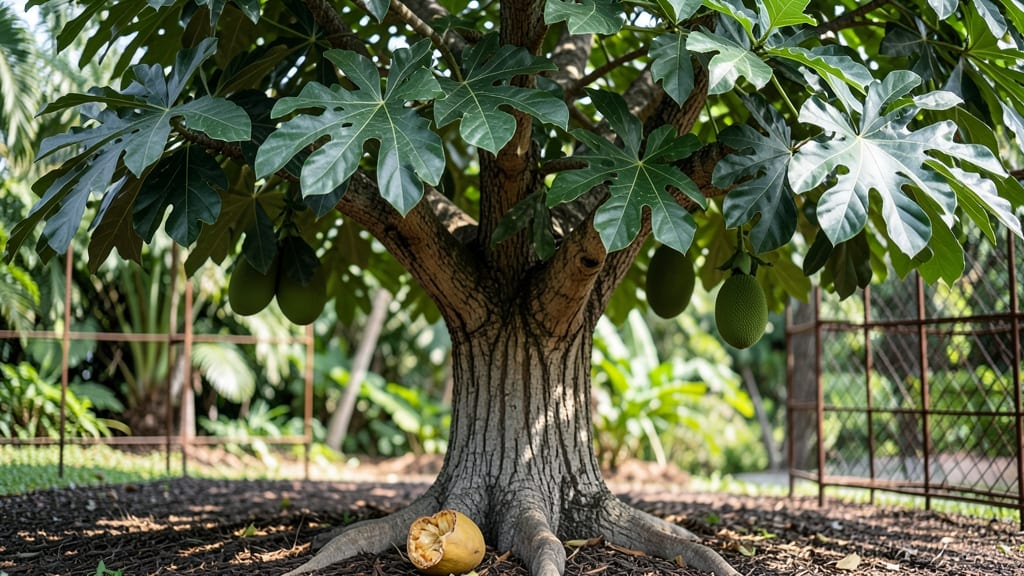
Growing a jackfruit tree from a seedling is like nurturing a tropical dream in your own backyard—or even a sunny patio. 🌿 The sweet, syrupy fruit of Artocarpus heterophyllus might seem out of reach for non-tropical gardeners, but with the right container and care, you can grow one successfully in zones 10-12 or even indoors with bright light.
Here’s the thing—jackfruit trees need warmth, humidity, and 10+ gallons of well-draining soil to thrive. Start with a large container (at least 18 inches wide) filled with a mix of potting soil, perlite, and compost.
Place it where it gets 6+ hours of sunlight daily, and keep the soil consistently moist but never soggy. Prune sparingly to maintain shape and encourage fruiting branches.
Within 3-5 years, you’ll see those massive, velvety leaves—and if all goes well—your first jackfruit. The fruit itself can weigh up to 80 pounds, so container-grown trees will produce smaller but still delicious varieties. Just be patient; these trees grow fast but take time to bear fruit.
For indoor growers, a grow light and occasional misting will help mimic tropical conditions. And if pests like aphids or scale appear, a strong spray of water or neem oil usually does the trick. The key is consistency—warmth, light, and love. Ready to try?
📚 In This Guide
- What you need
- Instructions
- Tips and common mistakes
- Wrapping up and next steps
What you need
- ● Jackfruit seed or sapling: 1 high-quality seed (soaked for 24-48 hours) or a 1-2 year-old sapling (5-6 ft tall).
- ● Large container: 1 minimum 20-gallon pot (30+ gallons for mature trees). Use a container with drainage holes and a saucer.
- ● Well-draining potting mix: 1 bag of tropical or cactus/succulent mix (amended with perlite or orchid bark for aeration).
- ● Slow-release fertilizer: 1 bag of balanced, organic fertilizer (e.g., 10-10-10 or composted manure).
- ● Drip irrigation or watering can: 1 with a spray nozzle for gentle watering.
- ● Pruning shears: 1 pair of sterilized, sharp shears for trimming.
- ● Support stakes or trellis: 2-3 bamboo or metal stakes (for young trees) or a lightweight trellis (for heavy fruit-bearing branches).
- ● Mulch: 1 bag of organic mulch (e.g., wood chips or coconut coir) to retain moisture.
- ● Sunlight monitor: A light meter or simple observation to track 6+ hours of direct sunlight daily.
- ● Growth regulator: 1 bottle of seaweed extract or gibberellic acid to boost flowering/fruiting.
- ● Humidity tray: 1 shallow tray with pebbles and water to increase humidity.
- ● Container wheels: 1 set for easy mobility (if indoors or in small spaces).
- ● Soil pH test kit: 1 kit to ensure slightly acidic soil (pH 6.0-7.0).
- ● Fruit thinning tool: 1 pair of tweezers or small scissors for managing fruit load.
- ● Insecticidal soap: 1 bottle for pest control (e.g., aphids or spider mites).
Step-by-step instructions for growing jackfruit in containers
Here’s how I’ve successfully cultivated jackfruit trees in pots—no tropical climate required.
🌱 Step 1: Select the Right Container and Soil Mix
Jackfruit thrives in 5-gallon or larger containers with drainage holes—think 24-inch diameter minimum for mature growth. I use fabric grow bags for their breathability, which prevents root rot in this moisture-loving species. Avoid plastic; it traps heat and encourages fungal growth.
Fill the container with a well-draining mix of 60% potting soil, 30% coco coir, and 10% perlite. This mimics the airy, slightly acidic soil of its native habitat. The perlite ensures excess water drains quickly, preventing soggy roots. Pre-moisten the mix until it’s damp but not dripping—jackfruit roots need consistent moisture, not saturation.
🌿 Step 2: Plant the Seedling or Grafted Tree
If starting from seed, soak the large, hard-shelled jackfruit seed for 48 hours to soften the exterior. Plant it 2 inches deep in the prepared mix, pressing gently to ensure good soil contact. For faster results, use a grafted nursery tree—they fruit in 3-5 years instead of a decade.
Place the seedling in the center of the container, then backfill with the remaining soil mix. Water deeply until it drains from the bottom holes. Jackfruit seedlings are sensitive to transplant shock, so I add a slow-release fertilizer (10-10-10 ratio) to the soil surface before watering. This gives roots a nutrient boost without overwhelming the young plant.
☀️ Step 3: Provide Year-Round Warmth and Bright Light
Jackfruit trees demand full sun (6+ hours daily) and warmth (70-90°F consistently). A south-facing window won’t cut it—supplement with a high-intensity grow light (20,000+ lumens) if indoors. In cooler climates, move the container to a sunroom, greenhouse, or patio during winter.
Watch for leaf yellowing or drooping—a sure sign of insufficient light or cold stress. I keep my tree near a south-facing wall in winter, where it basks in reflected sunlight. Never let temperatures drop below 55°F, or the tree will go dormant and stop growing.
💧 Step 4: Water and Fertilize for Optimal Growth
Water when the top 2 inches of soil feel dry—jackfruit roots hate drying out but despise waterlogged conditions. I use a moisture meter to avoid guesswork, aiming for evenly damp soil year-round. During summer, I water every 2-3 days, while winter slows to once weekly. Always water at the base to prevent fungal spores from splashing onto leaves.
Feed the tree every 6 weeks with a balanced liquid fertilizer (20-20-20) diluted to half strength. In spring and summer, I add potassium-rich fertilizer to encourage flowering. Over-fertilizing causes salt buildup—flush the soil with water monthly to prevent nutrient burn.
✂️ Step 5: Prune and Train for Shape and Fruit Production
Prune in late winter to remove dead branches and shape the tree. Jackfruit responds well to open-center training, where you encourage a wide, vase-like canopy for better airflow and fruit access. Cut back overly long branches by one-third to promote bushier growth.
Watch for suckers (shoots growing from the base)—remove them to direct energy upward. If the tree flowers but drops buds, it’s likely stressed from temperature swings or lack of phosphorus. Adjust care immediately: move to a warmer spot and switch to a phosphorus-heavy fertilizer (e.g., 10-30-20) for 8 weeks. Patience is key—jackfruit trees take 5+ years to bear fruit in containers.
Tips & tricks for perfect jackfruit tree cultivation
Mastering jackfruit in containers takes patience, but these pro tips will help you avoid common pitfalls and maximize your tree's potential.
Container Size Matters: While the instructions call for a 5-gallon minimum, I recommend upgrading to a 7-10 gallon container as your tree grows. The extra space prevents root binding, which can stunt growth and reduce fruit production. Fabric grow bags are ideal—they allow roots to breathe while preventing the heat buildup that plastic containers cause.
Soil pH and Amendments: Jackfruit prefers slightly acidic soil (pH 5.5-6.5). Test your mix before planting—if it's too alkaline, amend with sulfur granules or peat moss. I also add a handful of worm castings to the soil mix for extra microbial activity, which helps roots absorb nutrients more efficiently. This small adjustment makes a noticeable difference in growth vigor.
Lighting Strategy for Indoor Growers: If you're keeping your jackfruit indoors, position it within 3 feet of a south-facing window for maximum sunlight exposure. For supplemental lighting, I use a full-spectrum LED grow light on a timer (14 hours on, 10 hours off) to mimic natural daylight cycles. The key is maintaining that 70-90°F temperature range—if your space gets chilly at night, consider a small space heater near the tree during winter months.
Watering Wisdom: The 2-inch dry topsoil rule works well, but I've found jackfruit responds better to a weight-based approach in containers. Lift your pot daily—when it feels noticeably lighter, it's time to water. This method prevents both underwatering and the root rot that comes from overwatering in containers. Always water at the base and avoid wetting the leaves to prevent fungal issues.
Pro Tips for Growing Jackfruit Tree
- Mastering jackfruit in containers takes patience, but these pro tips will help you avoid common pitfalls and maximize...
- Container Size Matters: While the instructions call for a 5-gallon minimum, I recommend upgrading to a 7-10 gallon co...
- Soil pH and Amendments: Jackfruit prefers slightly acidic soil (pH 5.5-6.5). Test your mix before planting—if it's to...
Frequently asked questions
Got questions about growing your own jackfruit tree? Here are some of the most common ones—plus quick, practical answers to help you succeed!
How long does it take for a jackfruit tree to bear fruit?
A jackfruit tree grown from seed can take 5–10 years to produce fruit, while grafted trees may bear fruit in as little as 3–5 years. Patience is key—focus on healthy growth first!
Can I grow a jackfruit tree in a container long-term?
Yes! Jackfruit trees thrive in containers for years, but they’ll need large pots (at least 20+ gallons) and regular pruning to manage size. Dwarf varieties are ideal for small spaces. Just ensure proper drainage and seasonal repotting as they grow.
How cold-hardy are jackfruit trees?
Jackfruit trees are tropical and can’t tolerate frost—they’ll die if temps drop below 30°F (-1°C). In colder climates, grow them in containers and bring them indoors during winter or use a greenhouse.
Why are my jackfruit tree’s leaves turning yellow?
Yellow leaves often signal overwatering, nutrient deficiency, or poor drainage. Check soil moisture (it should dry slightly between waterings) and fertilize with a balanced tropical plant food every 2–3 months. If roots are soggy, repot with fresh, well-draining soil.
Can I grow jackfruit from a store-bought fruit?
Save the seeds, clean and dry them for 2–3 days, then plant them in moist potting mix. Germination can take 2–4 weeks. Just know these trees will be slower to fruit compared to grafted varieties. Pro tip: Soak seeds in warm water overnight to speed up sprouting!
Wrapping up and next steps
Growing a jackfruit tree in containers is a rewarding adventure that brings tropical flavors right to your doorstep—literally!
With the right care, patience, and a dash of creativity, you can enjoy lush foliage, fragrant flowers, and eventually, the exotic sweetness of jackfruit. Start small, stay consistent, and soon you’ll be harvesting your own homegrown bounty.
Ready to take the next step? Research local climate conditions or connect with fellow container gardeners for tips. Whether you’re a beginner or a seasoned grower, your jackfruit journey is just beginning—let’s make it delicious! 🌿✨