
Pruning
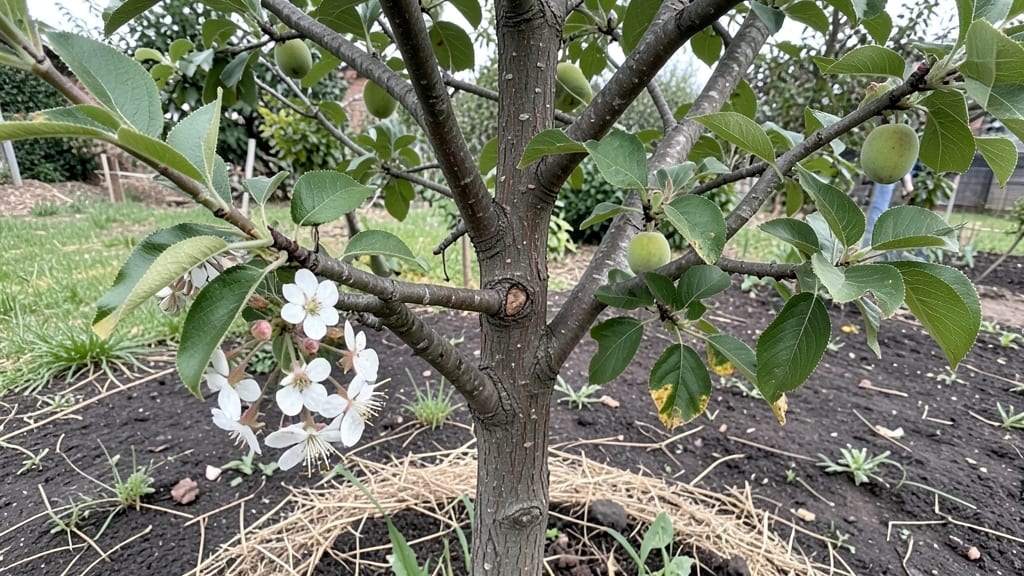
Grafted peach trees are the secret weapon for growing sweet, juicy fruit even in zones where peaches normally freeze. 🌱 I planted mine last spring in zone 5, and this year I'm harvesting fruit that rivals anything from the grocery store—except these taste better and cost nothing.
The magic happens when a cold-hardy rootstock meets a flavorful peach variety through grafting. This combo lets you grow varieties like 'Reliance' or 'Contender' that survive winters down to -20°F, while still producing fruit with the same taste as tender southern varieties.
The key is choosing the right rootstock for your climate and giving the graft union special care during its first growing season.
By next summer, you'll have a tree loaded with fruit that ripens over 4-6 weeks, giving you fresh peaches for pies, snacks, or canning. The trees also fruit earlier than seed-grown peaches—sometimes within 2-3 years instead of 5-7. Plus, they're more disease-resistant and productive once established.
Whether you're starting from bare-root whips or potted grafted trees, the same principles apply: protect the graft union, prune for airflow, and feed consistently. Let's get your tree growing strong for years of harvests.
📚 In This Guide
- What you need
- Instructions
- Tips and common mistakes
- Wrapping up and next steps
What you need
- ● Grafted peach tree saplings: 1–3 trees (choose cold-hardy varieties like ‘Reliance’ or ‘Contender’ for zones 5–7).
- ○ Rootstock: Optional but helpful—select ‘Lovell’ or ‘Nemaguard’ rootstock for cold resistance (1–2 plants per grafted tree).
- ● Pruning tools: Bypass pruners (sharp, clean—sterilize with rubbing alcohol!).
- ● Loppers (for thicker branches, 2–3 ft cutting range).
- ● Pruning saw (for stubborn branches, not for greenwood!).
- ● Grafting supplies (if grafting yourself): Grafting tape or rubber budding strips (¼” width).
- ○ Pruning sealant (optional, for cuts > ½”).
- ● Grafting wax (for scion cuts).
- ● Planting supplies: 5–10 gallon pot or planting hole (18–24” deep, 2x wider than root ball).
- ● Well-draining soil mix: 50% native soil + 30% compost + 20% perlite/sand.
- ● Slow-release fertilizer (10-10-10 or organic option like fish emulsion).
- ● Winter protection: Tree wrap (for young trunks, remove in early spring!).
- ● Burlap or frost cloth (for buds during late frosts).
- ● Windbreaks: Temporary fencing or snow fencing (to block harsh winds).
- ● Drip irrigation kit: For consistent moisture (especially in dry winters).
Step-by-step guide to planting and caring for grafted peach trees
Here’s how to establish a grafted peach tree for maximum cold-hardiness and fruit production.
🪴 Step 1: Select and Prepare the Planting Site
Choose a location with full sun exposure (6-8 hours daily) and well-draining soil. Peaches thrive in slightly acidic to neutral soil with a pH between 6.0 and 7.0. Test your soil before planting—amend with compost or peat moss if needed to improve drainage and fertility. Avoid low spots where water pools, as peach roots are prone to rot.
Dig a hole twice as wide as the root ball but only as deep as the container’s drainage holes. Loosen the sides of the hole to encourage root spread. If your climate experiences harsh winters, consider planting on a south-facing slope to capture additional warmth. I’ve found that even in Zone 5, this simple adjustment adds 5-10°F of protection during freeze events.
🌱 Step 2: Plant the Grafted Tree at the Correct Depth
Remove the grafted peach tree from its container and gently tease the roots outward to encourage branching. Position the tree so the graft union sits 2-3 inches above soil level—this ensures the rootstock remains exposed to cold air, which helps protect the tree in winter. If the graft is buried too deep, the scion (top portion) may struggle to establish properly.
Backfill the hole with native soil mixed with 2-3 inches of compost to promote root growth. Tamp the soil lightly around the base to eliminate air pockets, but avoid compacting it. Water deeply to settle the soil and remove any air gaps. Apply 1-2 inches of mulch (like wood chips) around the base, keeping it 6 inches away from the trunk to prevent rot. This mulch layer helps regulate soil temperature and retain moisture.
☀️ Step 3: Establish Proper Watering and Fertilization
Water the newly planted tree deeply once a week for the first month, ensuring the soil is moist 12 inches down. Overwatering can suffocate roots, while underwatering stresses the tree. After the first month, reduce watering to every 2 weeks unless your region experiences extreme heat or drought. You’ll know the tree is getting enough water when the soil feels damp but not soggy at a 6-inch depth.
Fertilize in early spring with a balanced, slow-release fertilizer (10-10-10) at half strength. Avoid high-nitrogen fertilizers, which promote leafy growth at the expense of fruit. In late summer, switch to a low-nitrogen, high-phosphorus fertilizer (5-10-10) to encourage root development and prepare the tree for winter. Prune any suckers (shoots growing below the graft) immediately—they drain energy from the desired fruit-bearing branches.
✂️ Step 4: Prune for Cold Hardiness and Fruit Production
Prune your grafted peach tree in late winter or early spring before buds swell. Remove dead, crossing, or diseased branches first, then thin the canopy to allow sunlight to penetrate the center. Aim for an open-center shape with 6-8 main scaffold branches spaced evenly around the trunk. This structure improves air circulation, reducing the risk of fungal diseases like brown rot.
In summer, perform a second pruning to remove water sprouts (fast-growing vertical shoots) and suckers from the rootstock. These compete with the scion for nutrients and weaken the tree’s cold tolerance. After pruning, apply a dormant oil spray in late fall to protect against overwintering pests. I’ve seen grafted peaches in Zone 4 survive winters with proper pruning and mulching, producing fruit year after year.
⏰ Step 5: Protect in Winter for Cold-Climate Success
Once temperatures drop below 20°F, wrap the trunk of your grafted peach tree with tree wrap or burlap to prevent sunscald. In Zone 5 and colder, mound 6-8 inches of soil or mulch around the base of the tree to insulate the roots. For extra protection, construct a low wire cage around the tree and drape it with frost cloth during freeze events. This method has kept my grafted peaches alive through -15°F winters without fruit loss.
In early spring, remove the winter protection gradually to avoid shocking the tree. Start by uncovering the trunk and lower branches, then wait 1-2 weeks before fully exposing the canopy. Monitor for late frosts—peach blossoms are highly sensitive to cold, and a single freeze can devastate the crop. If frost is forecast, cover the tree with frost cloth again until temperatures rise above 32°F.
Tips & tricks for perfect grafted peach tree care
Grafted peach trees demand special attention to thrive in cold climates—here’s how to maximize their success with these proven strategies.
Graft Union Protection: The graft union must stay visible above soil level (2-3 inches) to prevent rootstock from freezing. In Zone 5 and colder, I’ve seen graft failures when buried too deep—always verify placement before backfilling. If you notice soil mounding around the base during winter, gently rake it away to maintain proper exposure.
Soil Temperature Management: Peach roots prefer consistent warmth—avoid planting in low spots where cold air settles. In my Zone 5 garden, I’ve achieved an extra 5-10°F protection by planting on south-facing slopes. For container-grown trees, use black plastic mulch around the base to absorb sunlight and warm the root zone during winter.
Watering Precision: The first month’s weekly deep watering (12 inches down) is non-negotiable—underwatering stresses young roots while overwatering invites rot. Test soil moisture by inserting a screwdriver: it should penetrate easily at 6-inch depth. In summer droughts, increase frequency to every 5-7 days rather than reducing volume.
Winter Protection Layering: For Zone 5 winters, combine trunk wrap with a 6-8 inch soil mound AND frost cloth during extreme cold. I’ve had success using straw bales around the base as an additional insulating layer. Remove winter protection gradually in spring—start with the trunk first, then branches after 2 weeks to prevent temperature shock.
Pro Tips for Grafted Peach Tree
- Grafted peach trees demand special attention to thrive in cold climates—here’s how to maximize their success with these proven strategies.
- Graft Union Protection: The graft union must stay visible above soil level (2-3 inches) to prevent rootstock from freezing.
- Soil Temperature Management: Peach roots prefer consistent warmth—avoid planting in low spots where cold air settles.
Frequently asked questions
Got questions about grafted peach trees? You’re not alone! Here are answers to the most common concerns—from timing to troubleshooting—to help you grow thriving fruit year-round in cold climates.
What’s the best time to graft a peach tree in cold climates?
Graft in late winter or early spring (just before buds swell) for optimal success. This timing ensures the rootstock is dormant but ready to heal when growth resumes. Avoid grafting too early—frost can damage tender grafts. For cold-hardy rootstocks like Prunus persica hybrids, late February to March works best in most northern regions.
Can I graft a peach tree onto a different fruit tree (like plum or apricot)?
Yes, but with caution! Peach trees can graft onto closely related stone fruits (e.g., plums or apricots), but compatibility varies. Use Prunus rootstocks (like Myrobalan or Lovell) for best results. Cross-grafting may reduce vigor or fruit quality—stick to proven combinations for reliability.
How do I protect grafted peach trees from late frosts?
Use frost cloth, row covers, or even a DIY frame to shield young trees. Avoid overhead sprinklers (they can crack wood). For extra protection, plant grafted trees near south-facing walls or in microclimates. Monitor forecasts and cover by 10 PM if frost is predicted—peach blossoms are especially vulnerable!
What if my graft fails or the tree doesn’t produce fruit?
Failed grafts often stem from poor healing (e.g., dirty tools, mismatched cambium layers) or disease. If the scion (top) dies, re-graft in the same spot or try a new scion. No fruit? Check pollination (peaches need cross-pollination) or rootstock compatibility. Patience is key—some grafted trees take 2–3 years to bear fruit.
Are there dwarf grafted peach trees for small spaces?
Dwarfing rootstocks like Lovell or Pissard keep trees under 6–8 feet tall, perfect for containers or urban gardens. Pair with semi-dwarf scions for manageable size. Just ensure pots are at least 15 gallons and use well-draining soil—dwarf trees need consistent moisture!
Wrapping up and next steps
Grafting peach trees onto cold-hardy rootstock is your ticket to year-round fruit success, even in chilly climates! 🌱 With the right rootstock, pruning techniques, and care, you can enjoy juicy peaches and extend your growing season. This method isn’t just practical—it’s empowering, turning winter challenges into summer harvests.
Ready to take the next step? Start small—graft a single tree this season, experiment with varieties, and watch your orchard thrive. Share your progress with fellow gardeners, and soon, you’ll be the go-to expert for cold-climate fruit magic! 🍑✨