
Pruning
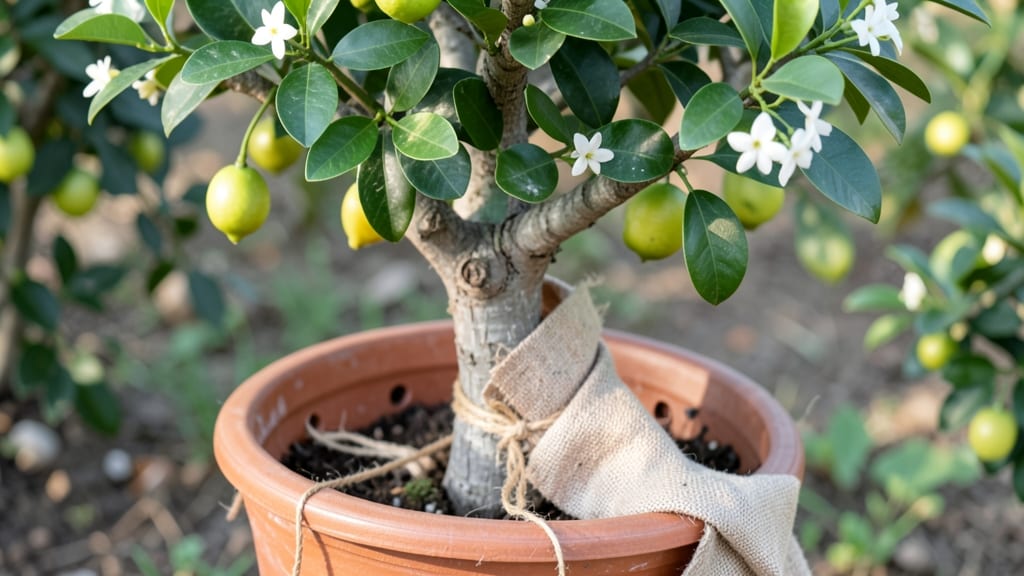
Wrapping a lemon tree for winter isn’t just about survival—it’s about giving your citrus tree the cozy shield it needs to thrive when temperatures drop below 32°F.
I learned this the hard way after my first winter in the Pacific Northwest, when frost blackened the edges of my tree’s leaves and left me scrambling for a fix.
The right timing and materials make all the difference between a tree that bounces back and one that struggles to recover.
You’ll need frost cloth or burlap (avoid plastic—it traps moisture and can rot the bark), along with twine or zip ties to secure everything. Mulching the base with 4-6 inches of straw or wood chips also helps insulate roots from freezing soil.
The key is wrapping before the first frost, usually by late October or early November in most PNW zones, and removing it in early spring once daytime temperatures stay above 50°F.
When done right, your tree will wake up in spring with vibrant new growth and fewer signs of frost damage. The wrap acts like a lightweight blanket, protecting tender branches while still allowing airflow to prevent mold.
Just avoid wrapping too tightly—you want flexibility for expansion and contraction as temperatures fluctuate.
For extra protection, consider adding circulation fans on cold nights to prevent frost pockets from forming inside the wrap. And remember: lemon trees are sensitive to over-wrapping, so check periodically to ensure no moisture buildup.
With the right approach, your tree will thank you with juicy lemons come summer—no frost damage in sight.
📚 In This Guide
- What you need
- Instructions
- Tips and common mistakes
- Wrapping up and next steps
What you need
- ● Burlap or frost cloth: 10–15 feet (enough to wrap the tree completely, with a 1–2 foot overlap). Opt for breathable material (5–10 oz. weight) to prevent moisture buildup.
- ● Twine or tree wrap: 50–100 feet of plastic-free twine (jute or raffia work well) or a pre-made tree wrap kit.
- ● Stakes or garden pins: 4–6 stakes (6–12 inches tall) to secure the wrap in place.
- ● Scissors or pruning shears: For trimming excess wrap material.
- ● Insulation: Straw or bubble wrap (lightweight) to add an extra layer if your zone is zone 8 or colder.
- ● Anti-desiccant spray: (e.g., Wilt-Pruf) to protect leaves from drying out.
- ● Weatherproof tape: To seal seams and prevent wind from loosening the wrap.
- ● Gloves: For easier handling of twine or burlap.
Step-by-step instructions for wrapping a lemon tree for winter
Here’s how I protect my Pacific Northwest lemon trees from frost—proven to keep them thriving through cold snaps.
Choose the Right Wrapping Materials
Start with a breathable frost cloth rated for 20-25°F—this allows airflow while blocking damaging winds. I use 50-gram polyester fabric because it’s sturdy yet flexible enough to drape neatly. For extra insulation, add a burlap sack around the trunk to shield it from cold winds. Avoid plastic sheeting—it traps moisture and can rot bark.
Measure your tree’s height and width to cut materials precisely. A 10-foot length of frost cloth works for most dwarf varieties, while standard trees may need 12-15 feet. If your tree has thorns, wear gloves to handle the fabric—you’ll want to avoid snags when wrapping.
Prepare the Tree Before Wrapping
Remove any dead or diseased branches first—these can harbor pests that thrive in winter. Prune back any leggy growth to encourage a bushier shape, which retains heat better. Water the tree deeply 2-3 days before wrapping to ensure the roots are hydrated but not soggy. Overwatering before frost can lead to root damage.
Apply a thin layer of anti-desiccant spray (like Wilt-Pruf) to the foliage. This creates a temporary barrier against moisture loss, which is critical in dry winter air. Focus on the undersides of leaves where transpiration is highest. Wait 24 hours before wrapping—this gives the spray time to dry completely.
Wrap the Trunk and Branches
Begin by wrapping the trunk tightly with the burlap sack, securing it with twine or soft wire. This protects the most vulnerable part of the tree from cold winds. For branches, drape the frost cloth over the entire canopy, tucking edges under to seal out drafts. Leave the top open if possible—this prevents trapped heat from causing rot.
Use clips or staples (not nails) to secure the fabric without piercing the bark. Space them 12-18 inches apart to distribute tension evenly. If your tree is large, add support stakes to hold the fabric in place. Test the wrap by gently tugging—it should move slightly but not sag. Recheck every 7-10 days to adjust for wind or shifting branches.
Monitor and Adjust for Frost Events
Before the first frost, cover the wrapped tree with a clear plastic tunnel (if temperatures drop below 28°F). This creates a microclimate that raises temperatures by 5-10°F. Remove the plastic during the day if temperatures rise above 40°F to prevent overheating. Watch for condensation—excess moisture can encourage fungal growth.
Check the wrap weekly for signs of stress: yellowing leaves, cracked bark, or mold. If you spot mold, unwrap the tree for 24 hours to dry it out. During prolonged cold snaps, add extra insulation (like straw bales) around the base of the tree. Remember, the goal is to protect, not suffocate—your tree still needs airflow.
Unwrap and Transition Out of Winter
Remove the frost cloth gradually in early spring, starting 2-3 weeks before last frost. Begin by uncovering the top for a few hours daily, increasing exposure over 7-10 days. This hardens the tree back into sunlight. Prune any frost-damaged branches (they’ll appear brown or mushy) with sterilized shears to prevent disease.
Once fully unwrapped, apply a balanced fertilizer (like 10-10-10) to replenish nutrients lost over winter. Water deeply to encourage new growth. If your tree was heavily wrapped, expect new flushes of leaves within 3-4 weeks. This is your signal that the winter protection worked—your lemon tree is ready to rebound.
Tips & tricks for perfect lemon tree winter wrapping
These pro-level strategies will help you shield your Pacific Northwest lemon trees from winter's worst—without the common pitfalls that leave trees vulnerable.
Material Selection Matters: The 20-25°F frost cloth rating is non-negotiable for our region's unpredictable cold snaps. I've found that 50-gram polyester offers the best balance of durability and breathability—avoid heavier fabrics that can suffocate the tree. For extra insulation around the trunk, consider adding a burlap sack instead of plastic, which prevents moisture buildup that leads to bark rot. The fabric should be wide enough to drape completely over the canopy without gaps.
Timing is Everything: That 24-hour drying period after applying anti-desiccant spray is crucial—it prevents moisture from getting trapped under the frost cloth. I've learned the hard way that rushing this step leads to fungal issues. Also, schedule your wrapping 2-3 days before the first frost forecast to give the tree time to acclimate. The roots need to be hydrated but not waterlogged when cold sets in.
Secure Without Piercing: When using clips or staples to secure the frost cloth, position them 12-18 inches apart and always place them on the fabric, never directly on the bark. I recommend plastic-coated staples for extra corrosion resistance in our damp winters. For larger trees, add support stakes at the base to prevent the wrap from sagging under snow or wind load.
Monitoring Strategy: The weekly checks mentioned in Step 4 are your best defense against winter stress. I've developed a simple system: mark the date on the frost cloth with a fabric marker when you first wrap it. This helps track the 7-10 day intervals for adjustments. If you notice condensation inside the wrap, unwrap for 24 hours to dry it out—this prevents the perfect conditions for mold growth.
Pro Tips for Wrap A Lemon Tree For Winter
- These pro-level strategies will help you shield your Pacific Northwest lemon trees from winter's worst—without the common pitfalls that leave trees vulnerable.
- Material Selection Matters: The 20-25°F frost cloth rating is non-negotiable for our region's unpredictable cold snaps.
- Timing is Everything: That 24-hour drying period after applying anti-desiccant spray is crucial—it prevents moisture from getting trapped under the frost cloth.
Frequently asked questions
Got questions about wrapping your lemon tree for winter? You’re not alone—here are some of the most common concerns from gardeners in the Pacific Northwest and beyond. Let’s clear up the confusion so you can keep your citrus safe and thriving!
What’s the best time to wrap my lemon tree for winter?
Wrap your lemon tree before the first hard frost hits—typically in late fall (October–November in the PNW). If you’re unsure, check your local frost dates or wait until nighttime temps consistently drop below 40°F (4°C). Unwrap it in early spring once frost danger passes to avoid trapping moisture.
Can I use regular burlap or plastic sheeting instead of tree wrap?
While burlap or plastic can work in a pinch, they’re not ideal. Burlap can harbor pests, and plastic traps heat/moisture, risking rot or sunscald. Opt for breathable frost cloth or bubble wrap (with a protective outer layer) for better insulation. If using plastic, leave small gaps for airflow.
How do I protect a young lemon tree with delicate branches?
For saplings or trees with thin branches, use a lightweight wrap (like frost cloth) and secure it gently with soft twine or clips to avoid damaging bark. Add a mulch layer (3–4 inches) around the base (but not touching the trunk) to insulate roots. Avoid heavy materials that could break branches.
What if my wrapped tree still gets frost damage?
Don’t panic! Prune any blackened or mushy branches in early spring (sterilize tools with rubbing alcohol first). If the trunk cracks, seal it with pruning sealant to prevent disease. Monitor the tree closely—new growth in spring will show how much damage occurred. Healthy roots often bounce back!
Do I need to wrap potted lemon trees too?
Potted trees are more vulnerable to cold. Move them to a sheltered spot (like a garage or under eaves) if possible. If outdoors, wrap the pot and tree with insulating materials (like bubble wrap + frost cloth) and add extra mulch. Avoid wrapping directly over soil to prevent rot.
Still unsure? Drop your specific concerns in the comments—we’re happy to help troubleshoot!
Wrapping up and next steps
Wrapping your lemon tree for winter is a simple yet powerful way to protect it from the chilly Pacific Northwest winds and frost—giving your citrus tree the best shot at thriving next spring! 🌿 With the right materials, a little prep, and patience, you’ll create a cozy shield that keeps cold at bay.
Now that you’re armed with the know-how, take action before the first frost hits—your future harvest of juicy lemons depends on it!
🔹 Next step: Grab your supplies, follow the steps, and give your lemon tree the winter care it deserves. Your garden (and taste buds!) will thank you. 🍋✨