
Pruning
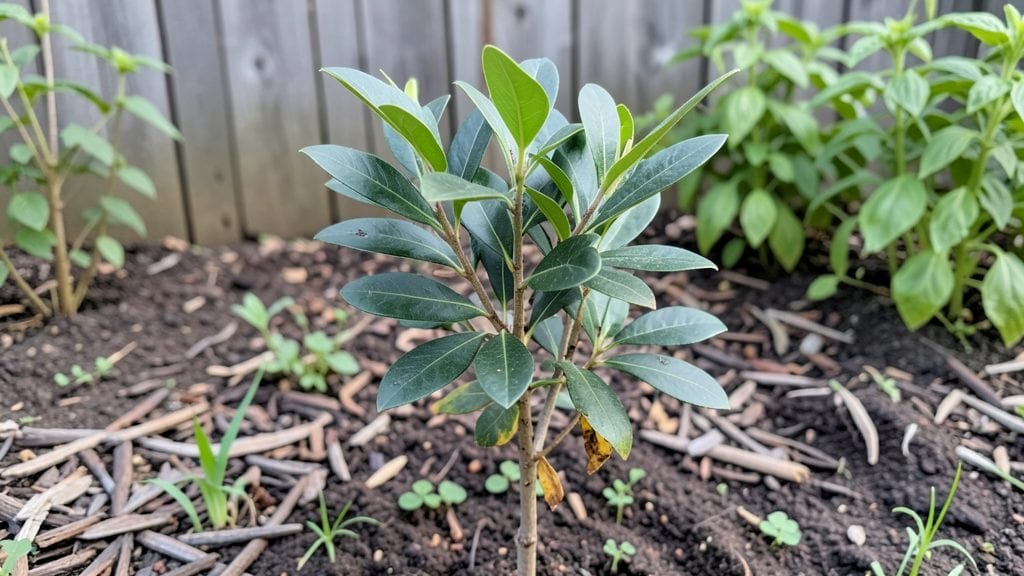
Growing bay tree saplings in the Pacific Northwest means you can finally have that fragrant evergreen thriving in your yard—even through our damp winters. 🌿 I’ve spent years perfecting this, and the key is choosing the right frost-hardy varieties like ‘Tetra’ or ‘Green Velvet’ that won’t crisp in our chilly nights.
These saplings aren’t just pretty; they’re tough enough to handle our wet, mild climate while still delivering that classic bay leaf aroma.
The secret starts with planting in well-draining soil—mix in compost to help those roots establish fast. Give them 6+ hours of sunlight daily, but protect young plants from harsh afternoon winds. Water deeply once a week (more in summer), and mulch to keep roots cozy through winter.
Most gardeners skip the mulch, but I’ve seen saplings with it survive winters that wipe out unprotected ones.
By year two, you’ll have a 6-foot-tall bay tree with glossy leaves perfect for cooking or landscaping. Prune lightly in early spring to shape it, and watch for spider mites—just spray with water if you spot them.
The best part? These trees live for decades, so your investment pays off for generations.
Works in containers too if you’re short on space—just use a 15-gallon pot and keep it near a south-facing wall. Whether you’re planting in the ground or a pot, the Pacific Northwest’s climate actually works in your favor once you know the tricks.
📚 In This Guide
- What you need
- Instructions
- Tips and common mistakes
- Wrapping up and next steps
What you need
- ● Bay tree saplings (2–5) – Choose Laurus nobilis or cold-hardy hybrids like ‘Golden Bay’ or ‘Angustifolia’. Opt for 1–2 ft tall, bare-root or potted saplings from a reputable nursery.
- ● Well-draining soil mix (5–10 gallons) – Combine 50% garden soil, 30% compost, and 20% perlite/sand for aeration. Avoid heavy clay.
- ● 5–7 gallon pots or garden beds – Use pots with drainage holes (1–2 saplings per pot) or prepare a 6’ x 6’ sunlit bed with raised edges for water runoff.
- ● Slow-release fertilizer (5–10 lbs) – Look for a balanced 10-10-10 or organic option (e.g., fish emulsion or worm castings) to kickstart growth.
- ● Mulch (2–3 bags) – Use wood chips or straw (2–3 inches thick) to insulate roots in winter and retain moisture.
- ● Trowel or small shovel – For planting and soil prep.
- ● Pruning shears (sterilized) – To trim dead leaves or shape saplings post-planting.
- ● Watering can or hose with nozzle – Gentle watering is key; avoid blasting roots.
- ○ pH test kit (optional) – Bay trees prefer slightly acidic soil (6.0–7.0). Adjust with lime or sulfur if needed.
- ○ Frost cloth or row covers (optional) – For first-year saplings in zones colder than 7b (e.g., PNW’s inland areas).
- ● Sunlight spot – 6+ hours of direct sun daily (partial shade in summer for coastal PNW).
- ○ Frost-free window (for indoor starts, optional) – If starting saplings indoors, ensure a warm, bright spot (70–75°F) until spring.
- ● Patience (3–5 years) – Bay trees grow slowly but reward with fragrant, evergreen foliage and resilience!
Step-by-step guide for growing frost-resistant bay tree saplings
Here’s how I’ve successfully nurtured hardy bay trees in the Pacific Northwest’s cooler climate.
🌱 Step 1: Select and Prepare the Right Saplings
Choose 4-5 year-old saplings with sturdy stems and multiple branches—these handle cold better than younger plants. Look for smooth, green bark and no signs of browning or dead branches. I always inspect the roots before planting; healthy roots should be white or light tan, not dark or mushy.
If you’re planting in fall, select dwarf varieties like ‘Tiny Tim’ or ‘Midget’—they’re bred to tolerate 20°F temperatures and stay compact. Soak the roots in lukewarm water for 10-15 minutes before planting to help them establish faster in cold soil.
🪴 Step 2: Choose the Perfect Planting Spot
The key to frost resistance is shelter and sunlight. Plant in a location that gets full sun (6+ hours daily) but is protected from winter winds—think near a fence, building, or hedge. I’ve found that south-facing slopes work best in the PNW, as they absorb heat during the day and radiate it back at night.
Dig a hole twice as wide as the root ball but no deeper—bay trees hate having their roots buried too deeply. Amend the soil with 3 inches of compost mixed into the bottom of the hole to improve drainage, since bay trees hate soggy roots. The top of the root ball should sit 1 inch above ground level to prevent waterlogging.
☀️ Step 3: Plant and Water for Cold Hardiness
Place the sapling in the hole, spread the roots out gently, and backfill with soil, tamping lightly every 4 inches to remove air pockets. Water deeply—about 2 gallons per sapling—to settle the soil and encourage root growth. Mulch with 3 inches of wood chips or straw, keeping it 6 inches away from the trunk to prevent rot.
In the first year, water weekly (more in summer droughts) but reduce in fall to let roots harden off before winter. Bay trees are drought-tolerant once established, but young saplings need consistent moisture to develop strong roots for frost survival.
✂️ Step 4: Prune and Protect for Winter
Prune in early spring (March) to shape the tree and remove any dead or crossing branches. Never prune in fall—it stimulates new growth that won’t harden off before winter. I also thin out dense foliage to improve airflow, which reduces frost damage risk.
For extra frost protection in the PNW, wrap the trunk and lower branches in burlap or frost cloth once temperatures drop below 25°F. Remove it in early spring to avoid trapping heat and promoting fungal growth. Young saplings benefit from a light layer of mulch over the root zone in winter to insulate against freezing.
🌿 Step 5: Monitor and Adjust for Long-Term Success
Watch for yellowing leaves—this usually means overwatering or poor drainage. Bay trees prefer dry soil and will struggle if left soggy. In years with harsh winters, I’ve seen saplings recover if the trunk isn’t damaged—just give them a little extra water in spring to bounce back.
Fertilize in early spring with a balanced 10-10-10 fertilizer (about ½ cup per tree) to encourage new growth before the next winter. Over time, your bay trees will develop thicker bark and stronger roots, making them nearly frost-proof in the PNW’s mild winters.
Tips & tricks for perfect bay tree sapling growth in cold climates
These hard-won lessons will help you grow bay trees that thrive in the Pacific Northwest's chilly winters.
Root Preparation Matters: That 10-15 minute root soak in lukewarm water is crucial—it jumpstarts root activity so your saplings can establish faster in cold soil. I learned this the hard way after planting dry roots and watching my first batch struggle through winter. Pro tip: Use rainwater if possible, as it's naturally softer and contains beneficial minerals for young roots.
Sunlight Strategy: The 6+ hours of full sun requirement is non-negotiable, but placement matters just as much. In the PNW, I've found that south-facing slopes capture afternoon sun that radiates heat back at night, creating a microclimate that protects against frost. If your yard lacks slopes, create a windbreak using evergreens on the north side to shield your bay trees.
Watering Wisdom: Those 2 gallons per sapling during planting might seem like a lot, but it's essential for settling the soil and encouraging root growth. In the first year, I water weekly but reduce frequency in fall to let roots harden off. The key is consistent moisture without waterlogging—bay trees hate soggy roots, so always check soil moisture before watering. A good rule of thumb is to water when the top 2 inches of soil feel dry.
Frost Protection Layering: When temperatures drop below 25°F, I double up on protection: first with burlap wrapped around the trunk, then with an additional layer of mulch over the root zone. This creates an insulating barrier that maintains a more stable temperature around the roots and trunk. Remember to remove the burlap in early spring to prevent heat buildup that can promote fungal growth.
Pro Tips for Bay Tree Saplings
- These hard-won lessons will help you grow bay trees that thrive in the Pacific Northwest's chilly winters.
- Root Preparation Matters: That 10-15 minute root soak in lukewarm water is crucial—it jumpstarts root activity so your saplings can establish faster in cold soil.
- Sunlight Strategy: The 6+ hours of full sun requirement is non-negotiable, but placement matters just as much.
Frequently asked questions
Got questions about growing bay tree saplings in the Pacific Northwest? You’re not alone! Here are some of the most common queries—and their answers—to help you nurture a thriving, frost-resistant bay tree.
How cold can bay tree saplings tolerate in the PNW?
Bay trees (Laurus nobilis) are hardy to USDA Zone 7b, meaning they can handle brief dips to 10°F (-12°C). In the PNW, young saplings (under 3 years) may need winter protection like burlap wraps or mulch if temps drop below 20°F (-6°C). Older trees adapt better—just prune damaged branches in spring!
When is the best time to plant bay tree saplings in the PNW?
Plant in early spring (March–April) or early fall (September–October) to avoid frost. The PNW’s mild winters mean fall planting works well, but avoid late fall if hard freezes are forecasted. Pro tip: Water deeply before and after planting to reduce transplant shock!
Can I grow bay trees from cuttings instead of saplings?
Bay trees root easily from semi-hardwood cuttings (4–6 inches long) taken in late spring or summer. Dip in rooting hormone, plant in moist perlite/sand, and keep humidity high with a plastic bag. Success rates are high—just be patient (roots take 4–8 weeks).
Why are my bay tree sapling leaves turning yellow?
Yellow leaves often signal overwatering or nutrient deficiency. Check soil moisture—bay trees prefer well-draining soil and hate soggy roots. Feed with a balanced fertilizer (10-10-10) in spring. Yellow edges? Could be fluoride sensitivity—use filtered water if your tap water is high in fluoride.
Should I prune my bay tree sapling in its first year?
Light pruning is fine to shape the tree and encourage bushiness, but avoid heavy cuts. Focus on removing dead or crossing branches in late winter/early spring. Use sterilized pruners and seal cuts with pruning paste to prevent disease. Pro tip: Prune after the last frost to avoid stressing new growth!
Wrapping up and next steps
Growing frost-resistant bay tree saplings in the Pacific Northwest is totally doable—just follow the right steps!
With the right soil, pruning techniques, and a little patience, you’ll have a thriving, aromatic bay tree that can handle the cooler climate. Your next move? Grab those saplings, roll up your sleeves, and start nurturing your future culinary (and fragrant!) garden hero. 🌱✨
- Pro tip: Keep an eye on your saplings and adjust care as they grow—consistency is key!
- Ready to plant? Pick a sunny spot and get growing!