
Trees
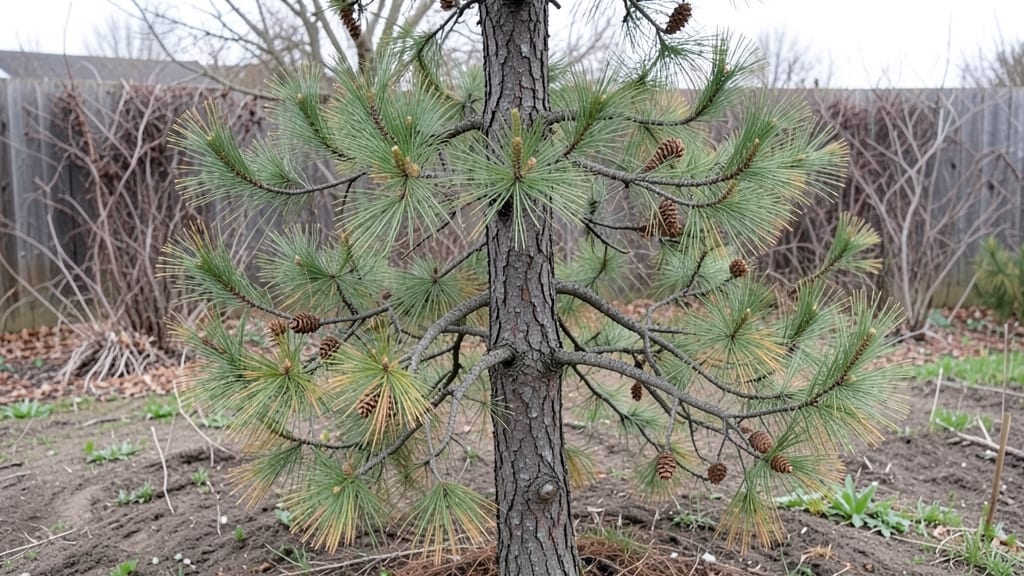
Planting pine trees in your garden transforms it into a year-round hummingbird haven—their fragrant needles and seed cones provide food and shelter even when other plants sleep.
I still remember the first time I saw hummingbirds darting through my Pacific Northwest garden, their wings a blur against the evergreen backdrop. These trees aren’t just tough; they’re the backbone of a four-season landscape, offering texture, shade, and wildlife support when most gardens go dormant.
The right varieties make all the difference—dwarf pines like ‘Mugo’ stay manageable for small spaces, while ‘Ponderosa’ or ‘Douglas Fir’ add dramatic height and structure. They thrive in well-draining soil and full sun to partial shade, though coastal varieties handle more moisture than their inland cousins.
Watering’s simple: deep but infrequent, especially in the first year, to encourage deep root growth. Pruning? Just remove dead branches or overcrowded growth—no fancy shaping needed unless you’re going for a topiary look.
What you’ll end up with is a garden that feels alive year-round. Needles rustle in winter winds, cones feed birds, and the scent of pine fills the air—even on gray Pacific Northwest days.
These trees resist pests better than many ornamentals, though watch for aphids or spider mites on young needles. With minimal fuss, they’ll outlast fads, outperform annuals, and keep your garden buzzing with life long after the last flower fades.
Perfect for urban yards, rural homesteads, or even large containers—just pick the right size for your space. Here’s how to choose, plant, and care for pines that’ll stand the test of time (and weather).
📚 In This Guide
- What you need
- Instructions
- Tips and common mistakes
- Wrapping up and next steps
What you need
- ● Pacific Northwest native pine trees: Choose from species like Pinus contorta (lodgepole pine), Pinus monticola (western white pine), or Pinus radiata (Monterey pine). Quantity: 1–3 trees, depending on garden size.
- ● High-quality potting soil or native soil mix: Quantity: 1–2 cubic yards (or enough to fill planting holes). Look for a blend with compost and perlite for drainage.
- ● Organic mulch (cedar chips or pine bark): Quantity: 2–3 bags (cover the soil surface around trees).
- ● Slow-release fertilizer (balanced 10-10-10 or organic option): Quantity: 1–2 bags.
- ● Watering can or hose with a gentle spray nozzle.
- ● Shovel or spade: For digging planting holes (12–18 inches deep and 3x the root ball width).
- ● Garden gloves: To protect your hands from rough soil and sap.
- ● Pruning shears: For trimming dead branches or shaping young trees.
- ● Measuring tape: To ensure proper spacing (6–10 feet apart for mature trees).
- ● Wheelbarrow or bucket: For mixing soil amendments.
- ● Hummingbird-friendly companion plants: Add salvia, penstemon, or red currant to attract pollinators year-round.
- ● Tree stakes and ties: For young trees in windy areas (Pacific Northwest, we see you!).
- ● Drip irrigation system: To automate watering and reduce maintenance.
- ● Bird feeders or nectar stations: For extra hummingbird appeal during migration seasons.
How to plant and maintain Pacific Northwest pine trees for year-round beauty
Pines thrive in the Pacific Northwest’s climate, offering texture, scent, and wildlife support. Here’s how to establish them for lasting impact.
Select the Right Pine Variety for Your Site
Choose a species suited to your microclimate—coastal Douglas fir (Pseudotsuga menziesii) tolerates salt spray, while mountain pine (Pinus monticola) prefers drier inland slopes. For hummingbird magnet appeal, prioritize Western white pine (Pinus monticola) or Ponderosa pine (Pinus ponderosa), both of which produce abundant resin-rich foliage that attracts pollinators year-round.
Assess your space: mature pines cast 30-50 feet of shade, so plant at least 20 feet from structures. Check your USDA hardiness zone—most Pacific Northwest pines thrive in zones 5-8. If your site has heavy clay soil, amend with 3-4 inches of organic compost at planting to improve drainage.
Prepare the Planting Site for Long-Term Health
Dig a hole twice as wide as the root ball but no deeper—pines dislike having their roots buried too deeply. Loosen the native soil at the edges of the hole with a garden fork to encourage root spread. In the Pacific Northwest’s damp winters, poor drainage is the biggest threat, so avoid low-lying areas where water pools.
If your soil is acidic (common in the region), mix in 1-2 pounds of garden lime per hole to raise the pH slightly—pines prefer slightly acidic to neutral soil (pH 5.5-7.0). Work the amendment into the bottom 6 inches of the hole before adding the tree. This ensures roots encounter optimal conditions immediately.
Plant with Proper Technique for Stability
Position the pine so the top of the root ball sits 1-2 inches above ground level—this prevents rot in winter’s heavy rains. Gently remove the tree from its container and tease apart any circling roots with your fingers. Place it in the hole, ensuring the trunk faces the direction you prefer (pines rarely need pruning for form).
Backfill with the native soil you removed, tamping lightly every 4-6 inches to eliminate air pockets. Water deeply to settle the soil, then create a 4-inch-high berm of soil around the outer edge to direct water toward the roots. Mulch with 3-4 inches of wood chips, keeping it 6 inches away from the trunk to prevent moisture buildup against the bark.
Water and Fertilize for the First Critical Growing Season
Water newly planted pines twice weekly for the first month, then taper to once weekly once the root ball is established. In the Pacific Northwest’s mild summers, overwatering is more dangerous than underwatering—pines are drought-tolerant once established. Check soil moisture by inserting your finger 2-3 inches deep; water when it feels dry.
Apply a balanced 10-10-10 fertilizer at ¼ the recommended rate in early spring (March) and again in mid-summer (July). Avoid high-nitrogen fertilizers, which promote soft, disease-prone growth. Instead, focus on slow-release organic options like fish emulsion or compost tea to build soil health over time.
Prune and Protect for Long-Term Vitality
Pines require minimal pruning, but remove dead, diseased, or crossing branches in late winter (February) before new growth begins. Use clean, sharp pruners to make cuts just outside the branch collar—the swollen area where the branch meets the trunk. Seal larger wounds (over ½ inch in diameter) with pruning sealant to prevent decay.
In coastal areas, protect young pines from salt spray by rinsing foliage with fresh water monthly during winter storms. For urban sites, install a windbreak (like a temporary fence or shrub barrier) to shield seedlings from drying winds. Mature pines handle wind well, but young trees benefit from protection during their first 3-5 years.
Tips & tricks for perfect garden pine trees in the Pacific Northwest
Creating a thriving pine tree garden in the Pacific Northwest requires attention to detail—these expert insights will help you avoid common pitfalls and maximize your trees' potential for year-round beauty and wildlife support.
Species Selection Matters: When choosing between Western white pine and Ponderosa pine for hummingbird attraction, consider their growth habits. Western white pine grows more slowly (about 12-24 inches per year) and maintains a more compact form, making it ideal for smaller gardens or as a focal point. Ponderosa pine grows faster (up to 36 inches per year) and develops a more open, airy canopy—perfect for creating a natural understory habitat. Both species produce abundant resin-rich foliage that hummingbirds love, but their different growth patterns will influence your long-term garden design.
Soil Preparation is Critical: The Pacific Northwest's naturally acidic soils often need adjustment before planting. When amending with 1-2 pounds of garden lime per hole, mix it thoroughly into the bottom 6 inches of the planting hole. This creates a gradual transition from amended soil to native soil, preventing root burn. For heavy clay soils, consider adding 3-4 inches of organic compost to the bottom of the hole as well—this improves both drainage and nutrient availability. Remember that pines dislike having their roots buried too deeply, so maintain that 1-2 inch elevation of the root ball above ground level to prevent rot.
Watering Strategy for Long-Term Success: The initial twice-weekly watering for the first month is crucial, but adjust your schedule based on seasonal rainfall. In the Pacific Northwest's mild summers, you might reduce watering to once weekly after the first month, but always check soil moisture by inserting your finger 2-3 inches deep. During the first growing season, aim for 1-1.5 inches of water per week, delivered either through rainfall or irrigation. Overwatering is more dangerous than underwatering—pines are remarkably drought-tolerant once established, but they need consistent moisture during their first year to develop strong root systems.
Pruning and Protection Secrets: When pruning in late winter, focus on removing only dead, diseased, or crossing branches—never remove more than 25% of the tree's foliage in a single season. For larger wounds over ½ inch in diameter, use a pruning sealant to prevent decay, but avoid sealing smaller cuts as they can heal naturally. In coastal areas, establish a monthly rinsing routine during winter storms to remove salt buildup from foliage. For urban sites, consider installing a temporary windbreak using burlap or mesh fencing during the tree's first 3-5 years to protect young, tender growth from drying winds.
Pro Tips for Garden Pine Trees
- Species Selection Matters: When choosing between Western white pine and Ponderosa pine for hummingbird attraction, consider their growth habits.
- Soil Preparation is Critical: The Pacific Northwest's naturally acidic soils often need adjustment before planting.
Frequently asked questions
Got questions about growing and caring for garden pine trees in the Pacific Northwest? You’re not alone! Here are some of the most common queries—and their answers—to help you nurture a thriving hummingbird haven year-round.
What’s the best pine tree variety for attracting hummingbirds in the PNW?
Look for Pinus contorta (lodgepole pine) or Pinus ponderosa (ponderosa pine)—both produce nectar-rich flowers that hummingbirds love. Pinus strobus (eastern white pine) is another great choice, offering both shelter and food. Pro tip: Plant near flowering shrubs (like currants or salal) to create a full hummingbird buffet!
How long does it take for a pine tree to mature enough to support hummingbirds?
Most pine trees take 5–10 years to establish enough cones and flowers to attract hummingbirds. Young trees (under 3 years) may not offer much, but patience pays off—mature pines (15+ years) become magnets for these tiny visitors. Plant companion flowers (e.g., fuchsia or bee balm) nearby for early support!
Are pine trees drought-tolerant enough for the PNW’s rainy climate?
Yes! Native PNW pines like Pinus monticola (western white pine) thrive in moist conditions but also handle drought once established. Water deeply once a week for the first year, then taper off. Warning: Overwatering can rot roots—ensure well-draining soil. Mulch with wood chips to retain moisture!
Can I prune pine trees to encourage more hummingbird-friendly growth?
Prune lightly in late winter/early spring to remove dead branches or overcrowded growth. Avoid heavy pruning—pines rely on their natural shape for year-round interest. Focus on opening the canopy slightly to let sunlight reach lower branches, where hummingbirds forage. Use sterilized tools to prevent disease!
What’s a good alternative if I don’t have space for a full-sized pine?
Consider dwarf varieties like Pinus mugo (mugo pine) or Pinus sylvestris ‘Beuvronensis’ (Scots pine). These stay under 10 feet tall but still attract hummingbirds with their cones and pollen. Bonus: Pair with compact flowering shrubs (like Symphoricarpos) for a mini hummingbird garden!
Wrapping up and next steps
Adding garden pine trees to your Pacific Northwest landscape isn’t just a smart choice—it’s a year-round celebration of nature’s beauty. 🌲 From their fragrant needles and striking bark to their role as a hummingbird magnet, these trees bring four-season interest with minimal effort.
Whether you’re a seasoned gardener or just starting, there’s no better time to invite these resilient, low-maintenance stars into your outdoor space.
Ready to transform your yard? Start small: pick a variety that suits your soil and sunlight, then plant with confidence. Watch as your garden becomes a thriving haven for wildlife—and your own personal retreat. Happy planting! 🌿