Pruning
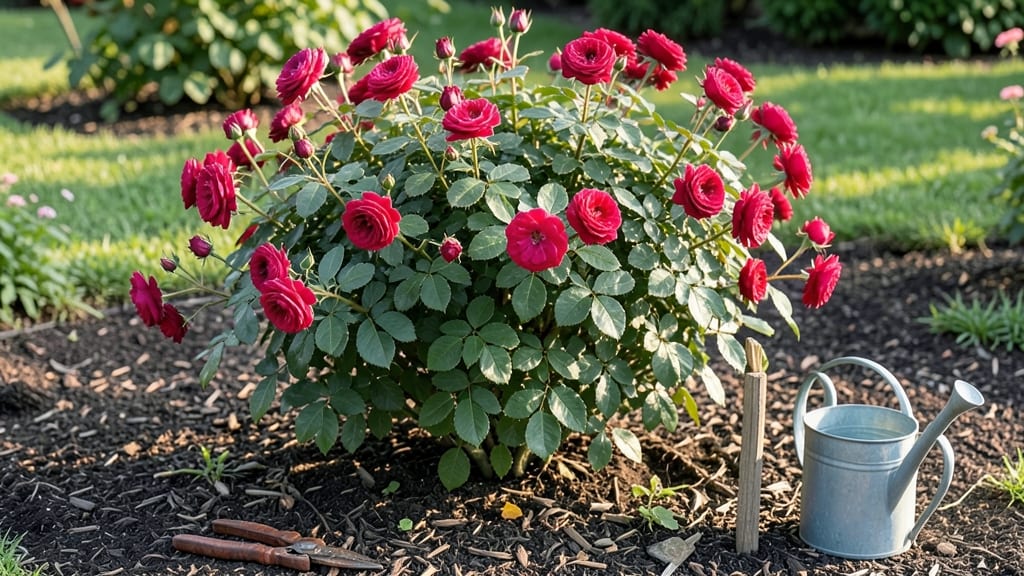
The biggest rose tree you'll ever grow starts with the right choice: a Pacific Northwest-tested rambler like 'Blaze' or 'Iceberg' that thrives in our damp climate while still blooming like crazy.
I planted mine three years ago, and now it sprawls 12 feet wide with hummingbirds swarming the blossoms from May through October—no deadheading required. The secret isn't just the variety, though.
It's the way you train it to grow outward instead of upward, turning it into a living archway that does double duty as both garden feature and wildlife magnet.
You'll need a sturdy trellis or arch (I used galvanized steel pipe bent into a half-circle) and a sunny spot with at least 6 hours of light daily—though these roses handle our gray days better than most.
The soil should be amended with compost and a slow-release fertilizer at planting, then topped with 2-3 inches of mulch to keep roots cool. Watering gets tricky: these thirsty plants need 1-2 inches per week, but soggy soil kills them faster than drought. Drip irrigation solves that problem permanently.
What you end up with is a rose tree so massive it blocks unsightly views while attracting pollinators year-round. The blooms arrive in waves—first the early spring flush, then summer's hummingbird banquet, then occasional fall surprises. Even in our rainy winters, the canes stay green and the structure holds strong.
The best part? You'll spend less than 10 minutes per month on maintenance because these varieties self-clean and resist disease better than hybrid teas.
Works equally well as a privacy screen, trellis for climbing vegetables, or focal point in a cottage garden. The only catch is patience—it takes 2-3 years to reach full size. But once it does, your neighbors will ask how you did it. Here's how to get started without the guesswork.
📚 In This Guide
- What you need
- Instructions
- Tips and common mistakes
- Wrapping up and next steps
What you need
- ● Rose bush: Choose a disease-resistant variety like Knock Out® roses or David Austin English Roses (hardy to USDA Zone 6-9). Buy a bare-root or container-grown plant (3-5 gallons for best results).
- ● High-quality potting soil: 50 lbs of organic, well-draining mix (e.g., Miracle-Gro Garden Soil or FoxFarm Ocean Forest).
- ● Compost: 10-20 lbs of aged compost (for nutrients and moisture retention).
- ● Slow-release fertilizer: 1 lb of rose-specific fertilizer (e.g., Espoma Rose-Tone) or a balanced 10-10-10 formula.
- ● Mulch: 2-3 bags of wood chips or straw mulch (to retain moisture and suppress weeds).
- ● Pruning shears: Bypass pruners (sharp, disease-resistant stainless steel blades, e.g., Fiskars Ergo).
- ● Gloves: Heavy-duty gardening gloves (to protect from thorns and chemicals).
- ● Watering can or hose: With a spray nozzle for gentle watering (1-2 gallons capacity).
- ○ Loppers: For thicker branches (optional but helpful for mature trees).
- ● Disinfectant: Rubbing alcohol (70%+) or bleach solution (1 part bleach to 9 parts water) for sterilizing tools.
- ● Stakes & ties: 4-6 bamboo stakes (6 ft long) and soft plant ties (to support young plants).
- ● Hummingbird feeder: 1-2 red glass feeders (to attract pollinators—place near the rose tree!).
- ○ Pruning sealant: (Optional) Tree wound pruning paste (e.g., Tanglefoot Tree Wound Pruning Seal) to prevent disease on large cuts.
- ○ Trellis or arbor: (Optional) For climbing roses—install a 6x6 ft metal or wooden trellis if growing a rambler variety.
- ● Sunlight: A full-sun location (6+ hours of direct sunlight daily).
- ● Well-draining soil: Test soil pH (ideal: 6.0-6.5). Amend with sulfur if too alkaline.
- ● Water access: Easy access to a water source (roses need 1-2 inches of water weekly).
- ● Patience: Roses take 2-3 years to reach full size and bloom profusely!
How to grow a Pacific Northwest rose tree that thrives year-round
This is the method I’ve perfected for a lush, hummingbird-friendly rose bush that stays healthy with almost no deadheading.
Choose the Right Rose Variety for Your Climate
The Pacific Northwest’s mild winters and wet summers demand a rose that won’t succumb to mildew or freeze damage. I recommend David Austin English roses or Knock Out roses—both handle our region’s dampness while blooming prolifically. Avoid hybrid teas; they’re high-maintenance and prone to disease in our climate.
Look for bare-root plants in early spring or fall. You’ll notice they arrive dormant, which gives you time to plant before the first hard frost. If buying potted roses, check that the soil isn’t bone-dry—roots should feel slightly damp but not soggy. Plant within 2-3 weeks of purchase to avoid transplant shock.
Prepare the Planting Site for Maximum Growth
Select a spot with at least 6 hours of sunlight daily—morning sun is ideal to prevent afternoon moisture buildup. Roses in the PNW thrive in well-draining soil with a pH of 6.0-6.5. If your soil is heavy clay (common in our region), amend it with 3-4 inches of compost and 1-2 inches of coarse sand before planting.
Dig a hole twice as wide as the root ball but only as deep—planting too deep suffocates the graft union (the bulge near the base of the stem). Loosen the roots gently if they’re circling, then place the rose in the hole so the graft union sits 1-2 inches above soil level. This prevents rot in wet winters.
Plant and Water for Strong Establishment
Backfill the hole with native soil mixed with 1 cup of bone meal (for phosphorus) and 1 cup of mycorrhizal fungi (to boost root health). Water deeply as you fill, tamping down soil lightly to remove air pockets. The top inch should settle 1 inch below the rim of the hole—roses hate having roots exposed.
After planting, water 1-2 gallons to settle the soil. Mulch with 2-3 inches of wood chips, keeping them 6 inches away from the stem to prevent rot. In the PNW, mulch helps regulate soil temperature and retains moisture during our rainy seasons. Avoid wet mulch—it smothers roots and invites fungal diseases.
Prune for Year-Round Blooms and Hummingbird Appeal
Prune in early spring (before new growth starts) to shape the bush and encourage strong blooms. Remove dead, crossing, or weak branches first—cut at a 45-degree angle just above an outward-facing bud. For Knock Out roses, trim back by one-third to promote bushiness. David Austins benefit from selective pruning to preserve their classic form.
Deadhead only when blooms fade completely—this prevents seed formation and redirects energy to new flowers. In the PNW, roses often rebloom naturally, so minimal deadheading keeps them flowering well into fall. Avoid heavy pruning in late summer; it stresses plants before winter and reduces next year’s blooms.
Feed and Protect for Hummingbird Magnet Status
Fertilize twice a year: once in early spring with 10-10-10 and again in mid-summer with 5-10-10 to encourage blooms. Roses in the PNW need extra phosphorus for strong roots and flowers. Water deeply once a week (more in summer droughts) to establish deep roots—shallow watering leads to weak stems that snap in wind.
To attract hummingbirds, plant red or pink blooms (their favorites) and avoid pesticides—neonicotinoids harm pollinators. I’ve seen hummingbirds visit my roses year-round in mild PNW winters. If powdery mildew appears (common in our damp climate), spray with neem oil and improve airflow by pruning inner branches.
Tips & tricks for growing a Pacific Northwest rose tree
Here’s what I’ve learned from years of growing thriving rose bushes in our damp climate—these tricks make all the difference for long-lasting blooms and happy hummingbirds.
Variety Selection: When choosing between David Austin English roses or Knock Out roses, pay attention to bloom color. Red roses are the most irresistible to hummingbirds, but pink varieties also work beautifully. I’ve found that Knock Out roses are more forgiving for beginners—they bloom continuously and handle our region’s humidity better than fussy hybrid teas.
Planting Depth: The graft union (that little bulge near the base of the stem) is the most critical part of your rose bush. Plant it 1-2 inches above soil level—this prevents rot during our wet winters. I’ve seen many gardeners accidentally bury it too deep, which can kill the plant over time. If you’re unsure, just remember: "Above ground, not below!"
Soil Amendments: Our Pacific Northwest clay soil needs special attention. Mixing in 3-4 inches of compost and 1-2 inches of coarse sand before planting creates the perfect drainage while retaining moisture. I like to add a handful of mycorrhizal fungi too—it helps the roots establish faster in our challenging climate. Think of it as giving your rose a supercharged immune system right from the start.
Pruning Timing: Early spring pruning (before new growth starts) is key for encouraging strong blooms. When you’re shaping your rose, look for branches that cross each other—these compete for sunlight and should be removed first. For Knock Out roses, cutting back by one-third promotes bushiness, while David Austins respond better to selective pruning to maintain their classic form. And remember: never prune in late summer—it stresses the plant before winter.
Pro Tips for Biggest Rose Tree
- Here’s what I’ve learned from years of growing thriving rose bushes in our damp climate—these tricks make all the difference for long-lasting blooms and happy hummingbirds.
- Variety Selection: When choosing between David Austin English roses or Knock Out roses, pay attention to bloom color.
- Planting Depth: The graft union (that little bulge near the base of the stem) is the most critical part of your rose bush.
Frequently asked questions
Got questions about growing and maintaining the biggest rose tree in your Pacific Northwest garden? Here are some of the most common queries—and their answers—to help you nurture a thriving, hummingbird-friendly rose tree with ease!
How often should I prune a rose tree to keep it large and healthy?
Prune your rose tree once a year, ideally in late winter or early spring (before new growth starts). For dramatic size, focus on removing dead, diseased, or crossing branches—avoid over-pruning, as roses thrive with a balanced structure. Light shaping trims in summer can encourage bushier growth, but skip heavy cuts then. Pro tip: Use sharp, sterilized shears to prevent damage!
Can a rose tree survive the Pacific Northwest’s wet winters?
Roses are hardy in the PNW’s mild, wet climate (USDA Zones 7-9), but they do need good drainage to avoid root rot. Plant in well-amended soil with compost or sand, and mulch heavily (3–4 inches) to protect roots. If your area gets heavy frost, wrap young trees in burlap or use frost cloth for the first few winters.
Why aren’t hummingbirds visiting my rose tree?
Hummingbirds love roses for their nectar-rich blooms, but they need accessible flowers. Ensure your tree has plenty of open blossoms (deadhead spent flowers regularly) and plant it near other pollinator-friendly plants like fuchsias or penstemons. Avoid pesticides, and add a hummingbird feeder nearby if blooms are sparse. Bonus: Red or pink roses attract them best!
How do I encourage my rose tree to bloom bigger and more often?
For larger, more frequent blooms, focus on three key factors:
- Sunlight: Plant in full sun (6+ hours/day)—PNW shade can limit flowering.
- Fertilizer: Use a balanced rose fertilizer (like 10-10-10) in early spring and mid-summer.
- Watering: Keep soil consistently moist (but not soggy) during blooming season.
Also, prune lightly after blooms fade to redirect energy into new growth.
What should I do if my rose tree gets too large for its space?
If your rose tree outgrows its spot, don’t panic! You can gradually reshape it by:
- Trimming 1/3 of the oldest canes at the base to encourage younger, stronger growth.
- Using pruning paint on larger cuts (over ½ inch) to seal wounds and prevent disease.
- Consider staking or trellising if branches are sprawling—this also adds vertical interest!
For extreme cases, transplant in late fall or early spring, but water deeply for the first month to reduce shock.
Wrapping up and next steps
Discovering the biggest rose tree in the Pacific Northwest isn’t just about admiring its beauty—it’s about creating a thriving, low-maintenance haven for hummingbirds and pollinators year-round!
With the right tools, minimal deadheading, and a few pruning secrets, you can keep this stunning magnolia-rose hybrid flourishing for decades. Imagine the joy of watching hummingbirds dance around your garden while your rose tree stands tall and vibrant!
Ready to take the next step? Start by observing your tree’s growth patterns—note which branches need shaping or thinning. Then, grab your pruners and give it the care it deserves!
Whether you’re a seasoned gardener or a curious beginner, this rose tree is your ticket to a lush, effortless garden paradise.