
Pruning
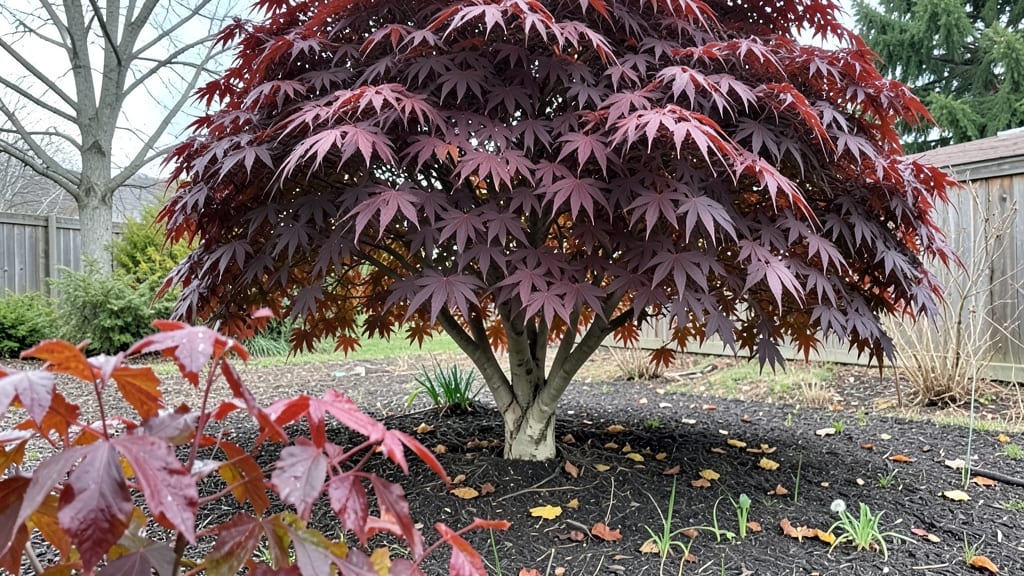
The Red Emperor Maple Tree transforms gardens with its fiery foliage and graceful form—but only if you prune it right. ✨ I learned the hard way when my first one grew lopsided after winter storms, and now I’ve perfected a four-season approach that keeps it thriving in the Pacific Northwest’s damp, mild climate.
This maple isn’t just about bold red leaves—it’s about structure. Pruning in late winter (before buds swell) shapes its growth, while summer trims encourage dense foliage. The key? Never cut more than 25% of the canopy at once, or you’ll shock the tree into weak new growth.
I’ve also found that removing crossing branches in early spring prevents disease and keeps the canopy open for light.
By fall, your tree will reward you with deep burgundy leaves that last until frost, followed by stunning orange-red hues. Even the bark adds winter interest, with its peeling, cinnamon-colored layers. The secret to long-term success? Consistent, gentle pruning—no drastic cuts—and you’ll have a showstopper for decades.
Whether you’re dealing with storm damage or just shaping a young tree, this guide covers every season. Let’s get started—your Red Emperor will thank you with color that turns heads all year.
📚 In This Guide
- What you need
- Instructions
- Tips and common mistakes
- Wrapping up and next steps
What you need
- ● Bypass pruners: Sharp, high-quality bypass pruners (rated for branches up to ½ inch thick). Fiskars or Felco are top picks!
- ● Loppers: For branches ¾ inch to 2 inches thick—look for ratcheting or bypass loppers with long handles for leverage.
- ● Pruning saw: A curved-tooth pruning saw (like the Bahco or Felco) for thicker branches (2+ inches).
- ● Extension pole: A 6–10 ft telescoping pruning pole with a saw or hook attachment for high branches.
- ● Gloves: Heavy-duty gardening gloves (cut-resistant, like Wolverine) to protect hands from thorns and sap.
- ● Disinfectant: 70% isopropyl alcohol or a pruning sealant (like Tanglefoot) to prevent disease spread.
- ● Bucket or bag: A 5-gallon bucket or heavy-duty trash bag for collecting pruned branches.
- ● Safety gear: Safety glasses and earmuffs (if using a chainsaw for large branches).
- ● Pruning paint: Tree wound dressing (like Tree Seal Tape) to seal large cuts (controversial but some swear by it!).
- ● Ladder: A stable step ladder (4+ ft) for mid-height branches (always use with a spotter!).
- ● Notebook & pen: To jot down notes on cuts, growth patterns, or future pruning plans.
- ● Weather check: A portable weather app to avoid pruning during rain or extreme heat.
- ● ✅ Know your tree: Confirm it’s a Red Emperor Maple (Acer palmatum 'Bloodgood')—its vibrant red foliage and delicate branches are unmistakable!
- ● ✅ Timing: Prune in late winter/early spring (Feb–March) for best results (avoid pruning when sap is flowing heavily).
- ● ✅ Safety first: Check for pests, disease, or dead branches before starting. Wear gloves—this tree’s sap can irritate skin!
- ● ✅ Clean tools: Sterilize pruners and saws with rubbing alcohol to avoid spreading fungal infections.
Instructions for pruning your Red Emperor Maple tree
Here's how to keep your tree thriving through every season—no green thumb required.
✂️ Step 1: Late Winter Cleanup (Dormant Season)
Start your pruning in late February to early March while the tree is still dormant. This is the best time because you can see the tree's structure clearly without leaves blocking your view. Focus on removing any dead, diseased, or crossing branches first—they're easy to spot against the bare branches.
Use sharp, clean pruning shears to make cuts just outside the branch collar (the swollen area where the branch meets the trunk). Avoid leaving stubs, as they can invite disease. If a branch is larger than ½ inch thick, use a pruning saw instead. Real talk: I always sanitize my tools with rubbing alcohol between cuts to prevent spreading any hidden pathogens.
☀️ Step 2: Light Summer Pruning (Growth Season)
In June or July, when the tree is actively growing but before new growth hardens, do a second round of pruning. This is when you shape the tree and encourage strong branch development. Look for suckers (shoots growing from the base or trunk) and remove them completely at the base.
Thin out crowded branches to improve airflow and sunlight penetration. Aim to remove no more than 25% of the tree's foliage in total across all pruning sessions—this keeps the tree healthy without shocking it. You'll see new, vibrant growth within weeks of this pruning, and the tree's canopy will open up beautifully.
🌿 Step 3: Fall Maintenance (Preparation for Winter)
In October, do a final light pruning to remove any weak, damaged, or diseased branches that might have appeared over the summer. This also helps the tree enter dormancy stronger. Avoid heavy pruning now, as new growth stimulated by late cuts won't have time to harden off before winter.
Pay special attention to branches that are rubbing against each other—they can create wounds that invite pests and diseases. If you notice any branches with yellowing or curling leaves, prune those back to healthy growth. This is also a great time to tidy up any branches that are growing toward the ground or into structures.
⏰ Step 4: Post-Winter Inspection (Early Spring)
In early spring, just as buds begin to swell, do a quick inspection of your tree. Look for any winter damage—broken branches, split bark, or areas where ice might have caused injury. Prune out any damaged areas immediately to prevent further harm.
This is also when you can fine-tune the tree's shape if needed. Focus on maintaining an open center to allow sunlight and air to reach the inner branches. A well-pruned Red Emperor Maple will reward you with stunning red foliage in fall, vibrant orange and yellow hues in autumn, and even brilliant red samaras in spring.
Tips & tricks for pruning your Red Emperor Maple tree
Here's what I've learned after years of pruning these stunning Pacific Northwest trees—tricks that'll keep your Red Emperor Maple thriving for decades.
Seasonal Timing Matters: The late February to early March window in Step 1 is critical because the tree's dormant state makes it easier to see the full structure. I've seen beginners miss this timing and struggle with obscured branches later. The same goes for June/July pruning—wait until new growth starts hardening to avoid stimulating tender new shoots that won't survive winter.
Tool Sanitation is Non-Negotiable: I can't stress this enough—clean tools between every cut using rubbing alcohol, especially when removing diseased branches. I've watched healthy trees decline because contaminated tools spread pathogens. For branches larger than ½ inch, use a pruning saw and make your cut just outside the branch collar to prevent stubs that trap moisture and disease.
The 25% Rule is Your Safety Net: Never remove more than 25% of foliage in total across all pruning sessions. I learned this the hard way when I over-pruned one summer and my tree struggled to recover. Think of it as a rule for the entire growing season—not per session. This maintains the tree's energy balance while still allowing for proper airflow and sunlight penetration.
Winter Damage Inspection is Key: In early spring, look for signs of winter injury like split bark or broken branches. These wounds can become entry points for pests and diseases. I've seen Red Emperor Maples recover beautifully from winter damage when addressed immediately, but ignored issues can lead to long-term decline. Focus on maintaining that open center to keep the tree's heart healthy.
Pro Tips for Red Emperor Maple Tree
- Here's what I've learned after years of pruning these stunning Pacific Northwest trees—tricks that'll keep your Red Emperor Maple thriving for decades.
- Seasonal Timing Matters: The late February to early March window in Step 1 is critical because the tree's dormant state makes it easier to see the full structure.
- Tool Sanitation is Non-Negotiable: I can't stress this enough—clean tools between every cut using rubbing alcohol, especially when removing diseased branches.
Frequently asked questions
Got questions about keeping your Red Emperor Maple stunning year-round? You’re in the right place! Here are answers to the most common queries from Pacific Northwest gardeners—plus a few pro tips to keep your tree thriving.
When is the best time to prune a Red Emperor Maple?
The ideal window is late winter to early spring (February–March), just before new growth begins. This minimizes stress and bleeding sap. Never prune in fall—it invites disease. For minor shaping, light pruning after summer’s heatwave (late August) works too, but avoid heavy cuts.
How much can I trim without harming the tree?
Stick to the “rule of thirds”: Never remove more than one-third of the canopy in a single session. Red Emperor Maples are resilient, but aggressive pruning weakens structure and invites pests. Small, strategic cuts (under 1 inch in diameter) are safer than drastic overhauls.
Why is my Red Emperor Maple oozing sap after pruning?
Sap bleeding is normal for maples! It’s the tree’s way of sealing wounds. To minimize mess, prune on dry, cool days and seal cuts with pruning sealer (optional but helpful for large wounds). Avoid pruning in spring rains—this can worsen sap flow and attract pests like aphids.
Can I prune a Red Emperor Maple in wet or rainy weather?
Nope!
Wet conditions spread disease (like verticillium wilt) and dull tools, making clean cuts impossible. Wait for dry, calm days with temps above freezing. If rain’s in the forecast, prune early in the day to let wounds dry before evening moisture sets in.
What’s a good alternative if my Red Emperor Maple is too large to prune myself?
For tall or mature trees, hire a certified arborist with experience in Japanese maples. Look for someone using proper techniques (like the “3-cut method”) and sterilized tools to avoid disease. Many PNW arborists specialize in high-value ornamentals—ask for references!
Pro Tip: Label your cuts!
Use flagging tape to mark branches slated for removal. This helps you (and your arborist) spot missed areas and ensures a clean, intentional prune. Bonus: It’s a great way to track your tree’s growth over seasons!
Wrapping up and next steps
The Red Emperor Maple isn’t just a showstopper—it’s a year-round masterpiece that rewards your care with vibrant foliage and graceful structure. Whether you’re a seasoned gardener or a curious beginner, mastering its pruning will unlock its full potential, ensuring stunning color and healthy growth for seasons to come.
Ready to transform your landscape? Start by scheduling your first pruning session in late winter or early spring—then enjoy the fruits of your labor as your tree becomes the Pacific Northwest’s newest star! 🌿✨