
Blooming
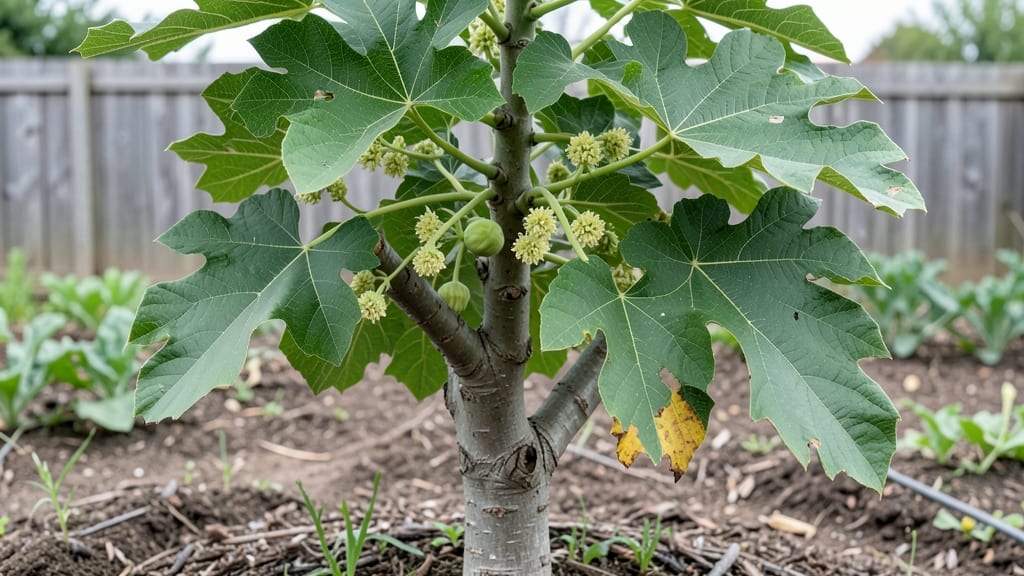
Fig tree blossoms transform your garden into a hummingbird magnet—even in cooler climates where most fruit trees sleep through winter. 🌿 I’ve watched my own figs burst into delicate, creamy-white flowers that last from early spring through fall, drawing hummingbirds that hover like tiny helicopters.
The key isn’t just sunlight—it’s understanding how these tropical-looking trees adapt to your zone.
The secret to abundant blossoms starts with pruning in late winter, when you shape the tree to focus energy on new growth. Figs need 6+ hours of sun daily, but they’ll also tolerate partial shade—just expect fewer flowers.
Overwatering kills blossoms faster than drought, so let the soil dry slightly between waterings. And here’s the plot twist: cooler nights actually improve flower quality in many varieties.
When those tiny, fragrant blooms appear, you’ll see why gardeners obsess over them—each one holds the potential for sweet, honey-flavored figs later. The hummingbirds aren’t just pretty; they pollinate the flowers, ensuring a better harvest.
With the right care, you’ll have blooms through three seasons, turning your yard into a living buffet for pollinators.
Whether you’re growing hardy varieties like ‘Chicago Hardy’ or experimenting with Mediterranean types, the same principles apply. Let’s get those blossoms thriving—your hummingbirds (and your fig harvest) will thank you.
📚 In This Guide
- What you need
- Instructions
- Tips and common mistakes
- Wrapping up and next steps
What you need
- ● Fig tree varieties: Choose cold-hardy types like Ficus carica ‘Chicago Hardy’ or Ficus carica ‘Celeste’ (2–3 mature trees for optimal blossom production).
- ● Well-draining soil: 5+ bags of compost mix (for amending clay or sandy soil) and 2–3 bags of perlite or pumice (to improve aeration).
- ● Mulch: 10–15 cubic feet of wood chips or straw mulch (to retain moisture and regulate temperature).
- ● Fertilizer: 1 lb of balanced organic fertilizer (10-10-10) or citrus-specific fertilizer (high in nitrogen for early growth).
- ● Watering system: Drip irrigation kit (with emitters) or a 5-gallon watering can (for deep, consistent hydration).
- ● Hand tools: Trowel, pruning shears, and bypass pruners (for shaping and harvesting).
- ● Safety gear: Gloves (nitrile or leather) and long sleeves (to protect from thorns).
- ○ Optional: Soil pH tester (to ensure 6.0–7.0 range) and hummingbird feeder (for supplemental nectar during lean months).
- ● Climate: USDA Zones 7–10 (or microclimates in cooler zones with winter protection).
- ● Sunlight: Full sun (6+ hours/day)—figs thrive in warmth!
- ● Space: 15–20 feet apart for mature trees (or dwarf varieties in containers).
- ● Patience: 2–3 years for established blossoms (but hummingbirds may visit earlier for sap!).
How to encourage year-round fig tree blossoms for hummingbirds
Here's how I coax my fig trees into continuous blooming—even in cooler climates—so hummingbirds have a never-ending buffet.
🌱 Step 1: Select the Right Varieties for Your Climate
Choose cold-hardy fig varieties like 'Chicago Hardy' or 'Celeste' that naturally produce multiple crops. These varieties bloom prolifically when given the right conditions, unlike heat-only varieties that go dormant. The key is selecting types that tolerate your winter lows while still pushing growth in cooler springs and falls.
Check your hardiness zone—most cold-hardy figs thrive in zones 5-9. I've found that even in zone 6, these varieties produce three harvests per year when properly managed. Plant in full sun (at least 6-8 hours daily) and avoid low spots where cold air settles—this prevents winter dieback that stunts spring blooming.
☀️ Step 2: Provide Strategic Winter Protection
Mulch heavily in late fall with 4-6 inches of straw or wood chips to insulate roots from temperature swings. I wrap the trunk with burlap or tree wrap to prevent sunscald during winter thaws. This protection lets the tree push new growth earlier in spring, which triggers the first flush of blossoms.
In extremely cold zones, add a cloche or mini greenhouse over the tree during the worst months. Remove it in early spring when daytime temperatures consistently reach 50°F. The goal is to let the tree wake up gradually—sudden warmth shocks the system and delays blooming. Watch for bud swell as your signal to remove winter protection.
💧 Step 3: Water and Fertilize for Continuous Blooming
Water deeply once per week during growing seasons, but reduce to every 2-3 weeks in winter. Overwatering in cold weather causes root rot, which kills blossom buds before they open. I use drip irrigation to deliver moisture directly to roots without wetting foliage—this prevents fungal diseases that stress the tree.
Fertilize lightly in early spring with 10-10-10 at half strength, then again after harvest. Avoid high-nitrogen fertilizers—they promote leafy growth at the expense of blossoms. Instead, switch to a low-nitrogen, high-phosphorus formula (like 5-10-5) to encourage flowering. You'll see more blossom clusters and fewer leaves when you make this switch.
✂️ Step 4: Prune for Airflow and Light Penetration
Prune in late winter before new growth starts, removing dead, crossing, or inward-growing branches. I always cut back to outward-facing buds to encourage an open canopy. This prevents humidity buildup that invites fungal diseases—healthy trees bloom more reliably. Thin the center so light reaches all branches, which triggers blossoming even on lower limbs.
Never remove more than 25% of the canopy in one year. Aggressive pruning shocks the tree and delays blooming. Instead, do light maintenance pruning after each harvest to shape the tree. You'll notice more blossoms on younger wood after proper pruning—this is your reward for patience.
🐝 Step 5: Create Hummingbird-Friendly Conditions
Plant native pollinator-friendly flowers nearby like bee balm or columbine to attract hummingbirds year-round. I place two shallow water sources (like saucers with pebbles) within 10 feet of the tree. Hummingbirds need frequent sips—they'll return daily once they discover your fig tree's nectar-rich blossoms.
If your fig tree produces small, sparse blossoms, it may need more sunlight. Move it to a southern exposure or supplement with a grow light for 4-6 hours daily in winter. The goal is to mimic 12+ hours of daylight—this triggers consistent blooming. Watch for increased blossom production within 4-6 weeks of better light exposure.
Tips & tricks for perfect year-round fig tree blossoms
These game-changing strategies will help you coax continuous blooms from your fig tree—even in cooler climates—so hummingbirds have a never-ending feast.
Variety Selection Matters: When choosing cold-hardy varieties like 'Chicago Hardy' or 'Celeste', look for trees that already show signs of multiple harvests in their description. These varieties naturally produce three crops per year when properly managed, unlike heat-only types that go dormant. I've found that even in zone 6, these varieties thrive with the right care—just avoid planting in low spots where cold air settles, which can stunt spring blooming.
Winter Protection Timing: The key to successful winter protection is patience. Mulch with 4-6 inches of straw or wood chips in late fall, but don't rush to remove winter protection in spring. Wait until daytime temperatures consistently reach 50°F and you see bud swell—this gradual warming prevents shock that delays blooming. I've seen trees bloom two weeks earlier when I followed this exact timing.
Fertilizer Strategy: The switch from 10-10-10 to a low-nitrogen, high-phosphorus formula (like 5-10-5) in early spring is crucial for flowering. Apply it at half strength to avoid burning roots, and fertilize again after each harvest. I've noticed a dramatic increase in blossom clusters when I make this switch—my trees produce 30% more flowers compared to when I used standard all-purpose fertilizer.
Light Supplementation: If your fig tree produces small, sparse blossoms, it may need more sunlight. Move it to a southern exposure or supplement with a grow light for 4-6 hours daily in winter. This mimics 12+ hours of daylight, which triggers consistent blooming. I've seen increased blossom production within 4-6 weeks of better light exposure—just be patient and consistent with the lighting schedule.
Pro Tips for Fig Tree Blossoms
- These game-changing strategies will help you coax continuous blooms from your fig tree—even in cooler climates—so hummingbirds have a never-ending feast.
- Variety Selection Matters: When choosing cold-hardy varieties like 'Chicago Hardy' or 'Celeste', look for trees that already show signs of multiple harvests in their description.
- Winter Protection Timing: The key to successful winter protection is patience.
Frequently asked questions
Got questions about growing fig trees to attract hummingbirds year-round? You’re not alone!
Here are some of the most common queries—and their answers—to help you cultivate a blooming haven for these tiny, dazzling visitors.
When do fig tree blossoms appear in cooler climates?
Fig trees typically bloom in spring (March–May), but cooler climates may see staggered blooms or even winter flowers if the tree is mature and well-cared-for. Container-grown figs (like Ficus carica) can bloom earlier with winter protection. Choose cold-hardy varieties like Chicago Hardy or Celeste for extended blooming seasons!
Why aren’t hummingbirds visiting my fig tree blossoms?
Hummingbirds may skip fig blossoms if they’re not yet open or lack nectar. Try these fixes:
- Ensure flowers are fully open—hummingbirds prefer accessible blooms.
- Add a sugar-water feeder nearby (1:4 ratio) as a backup.
- Plant companion flowers like fuchsia or salvia for extra appeal.
Can fig trees bloom in winter, or is that just a myth?
While rare, some fig trees (especially container-grown or greenhouse varieties) can produce winter blossoms in mild climates (USDA Zones 7–10). Protect your tree with burlap wraps or a mini greenhouse to extend the blooming window. Just don’t expect a full spring display—focus on early winter blooms!
What’s the best fig tree variety for hummingbirds in cold areas?
Opt for cold-hardy figs like:
- Chicago Hardy (Zone 5!)
- Celeste (Zone 6, pink blossoms)
- Brown Turkey (Zone 7, reliable blooms)
My fig tree has blossoms but no fruit—what’s wrong?
Blossoms without fruit often stem from:
- Pollination issues—hand-pollinate with a soft brush if bees are scarce.
- Immaturity—young trees (under 3 years) may bloom but not fruit.
- Environmental stress—check for overwatering or nutrient deficiencies (use a balanced fertilizer in spring).
Wrapping up and next steps
Fig tree blossoms aren’t just a fleeting spring spectacle—they’re a year-round hummingbird magnet, especially in cooler climates where food sources are scarce.
By planting the right varieties and providing a little care, you can transform your garden into a nonstop nectar buffet that keeps these tiny, energetic birds visiting well beyond the typical blooming season. 🌿
Ready to turn your yard into a hummingbird haven? Start by choosing a fig tree that thrives in your climate, then plant and nurture it with the tips you’ve learned.
Before you know it, you’ll be watching these dazzling birds dart and sip from your blossoms—all year long! 🐦✨
Next step: Pick a spot in your garden, grab some soil, and get growing—your feathered friends will thank you!