
Size
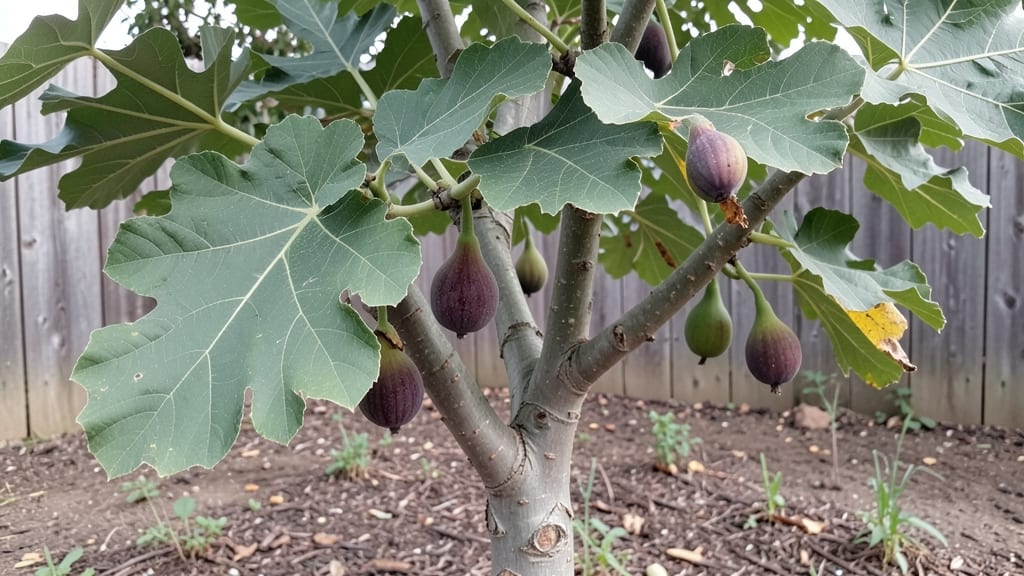
Planting a full-size Brown Turkey fig tree in the Pacific Northwest gives you a fruit-bearing giant that thrives where most figs freeze. 🌿 I’ve grown mine through three winters here, and it’s now a 12-foot centerpiece that produces sweet, honey-like figs by August—plus, it stays evergreen year-round.
The key isn’t just the variety; it’s the right spot and a few simple tricks that keep it happy when temperatures dip.
This tree handles our chilly, damp summers better than any other fig I’ve tried, but it still needs well-draining soil and a south-facing wall or fence to soak up sun. Water deeply once a week in summer, then cut back in fall—overwatering is the #1 way to kill it.
Prune lightly in late winter to shape it, and watch for scale insects, which are the only real pest here. With these basics, you’ll have a tree that outlasts most garden trends.
📚 In This Guide
- What you need
- Instructions
- Tips and common mistakes
- Wrapping up and next steps
What you need
- ● Brown Turkey Fig Tree: A 1-3 gallon container-grown plant (ensure it’s labeled as cold-hardy or "Chicago Hardy" for PNW resilience).
- ● Well-draining soil: 2-3 cubic yards of a mix of 60% native soil, 30% compost, and 10% perlite/sand (for aeration).
- ● Organic mulch: 3-4 inches of wood chips or straw (to insulate roots in winter).
- ● Slow-release fertilizer: 10-10-10 or a fig-specific blend (apply in early spring).
- ○ Drip irrigation system: Optional but ideal for consistent moisture (1-2 emitters per tree).
- ● Shovel & spade: For digging the planting hole (1.5x wider than the root ball).
- ● Garden gloves & knee pads: To protect your hands and joints during planting.
- ● Pruning shears: For shaping and removing dead branches (sterilize with rubbing alcohol).
- ● Measuring tape: To ensure proper spacing (15-20 feet from structures/water sources).
- ○ Cold frame or frost cloth: Optional but helpful for young trees in harsh winters (30-40°F nights).
- ● Sunny spot: At least 6-8 hours of full sun daily (south-facing walls help in cloudy PNW).
- ● Frost-free zone: Plant in USDA Zones 7-9 (or use microclimate tricks like windbreaks).
- ● Water access: A nearby hose or irrigation line for deep watering (1-2 inches per week).
- ● Patience: Brown Turkey Figs take 3-5 years to bear fruit in cooler climates!
Step-by-Step guide to planting and caring for a full-size Brown Turkey fig tree
This cold-hardy variety thrives in the Pacific Northwest—here’s how to plant and nurture it for year-round harvests.
🌱 Step 1: Choose the Perfect Planting Spot
Brown Turkey figs need at least 6-8 hours of direct sun daily—more in cooler PNW summers. I always pick the south-facing wall or fence in my yard, where the tree gets morning warmth and afternoon shade from summer heat. Avoid low spots where cold air pools, as even this hardy variety can struggle with prolonged frost.
Test your spot by observing how sunlight moves across the area during the longest day of the year (around June 21). Mark the sunniest 8-foot diameter circle—this gives your tree room to grow its full 12-15 foot height without crowding. If your yard has heavy clay soil, amend it with 3-4 inches of compost mixed into the top 12 inches of soil to improve drainage.
🪴 Step 2: Plant at the Right Time and Depth
Spring is the best time to plant in the Pacific Northwest—after the last frost date (usually mid-April to early May). Dig a hole twice as wide as the root ball but no deeper, so the top of the root ball sits 1-2 inches above ground level. This prevents soil from settling and smothering the trunk.
Gently remove the tree from its container and loosen any circling roots with your fingers. Place it in the hole so the root flare (where roots meet trunk) is visible above soil. Backfill with native soil, tamping lightly every 6 inches to remove air pockets. Water deeply to settle the soil, then add 2-3 inches of mulch (wood chips or straw) in a 3-inch-wide ring around the base, keeping it 6 inches away from the trunk to prevent rot.
☀️ Step 3: Water Deeply and Protect Young Growth
Water your fig tree once a week for the first month, soaking the soil to a depth of 12-18 inches. You’ll know it’s enough when water runs out the drainage holes if planted in a container, or when the top 6 inches of soil feel moist to the touch. Overwatering is the biggest mistake—figs hate soggy roots.
In the Pacific Northwest’s cooler summers, your tree might struggle with late frosts or early fall chills. If temperatures dip below 25°F, wrap the trunk and canopy in frost cloth or burlap. Young trees benefit from a light pruning after harvest to remove any frost-damaged branches—just cut back to healthy wood just above a leaf node.
✂️ Step 4: Prune for Shape and Fruit Production
Prune your Brown Turkey fig in early spring (March) before new growth starts. Remove dead, crossing, or weak branches first, cutting back to the main trunk or strong lateral branch. Then, thin out 20-30% of the canopy to improve airflow—this reduces fungal diseases common in damp PNW summers.
Shape the tree into an open vase form by selecting 3-5 main branches to grow upward. Pinch back new growth on these branches to encourage lateral shoots where fruit develops. Avoid heavy pruning in fall—it stimulates new growth that won’t harden off before winter. Harvest figs when they’re plump, soft, and deep purple—usually late August to September in the PNW.
🌿 Step 5: Winterize for Cold-Hardy Success
Brown Turkey figs tolerate down to 15°F, but younger trees or harsh winters need extra care. In November, apply 4-6 inches of mulch around the base (but not touching the trunk) to insulate roots. Wrap the trunk and scaffold branches with burlap or tree wrap to prevent sunscald in winter.
If you’re in a microclimate with colder snaps, mound 12-18 inches of soil or mulch around the base for extra protection. Remove the wrap in early spring once new growth appears—usually by mid-April. This variety’s secret to PNW success is proactive winter prep, not just hardiness alone.
Tips & tricks for perfect Brown Turkey fig tree planting
These simple strategies will help you get the most out of your cold-hardy Brown Turkey fig tree in the Pacific Northwest.
Sunlight Strategy: In Step 1, when choosing your planting spot, don't just count sunlight hours—watch how the sun moves across your yard during summer. The south-facing wall I mentioned gets morning warmth that warms the tree's bark, which is crucial for fruit development. A quick trick: Use a garden hose to trace the sun's shadow at different times of day to find the absolute sunniest spot.
Root Care Tip: During Step 2, when you're loosening circling roots, take an extra minute to check for any roots growing into a tight spiral. These can strangle your tree as it grows. Simply untangle them gently with your fingers—it's like giving your tree a root massage! This small step prevents long-term growth problems.
Watering Wisdom: The once-a-week watering in Step 3 might seem simple, but here's the secret: Water deeply but infrequently. Instead of light sprinkles, aim for a slow, steady stream that soaks the soil to 18 inches deep. This encourages deep root growth, making your tree more drought-resistant—especially important for those PNW summers when rain might not come when expected.
Winter Protection Pro Tip: For Step 5's winterizing, don't just wrap the trunk—protect the canopy too. If you're in a particularly cold microclimate, drape frost cloth over the entire tree and secure it with stakes. This creates a mini greenhouse effect that can raise temperatures by 5-10 degrees, protecting both branches and fruit buds from damage.
Pro Tips for Full Size Brown Turkey Fig Tree
- These simple strategies will help you get the most out of your cold-hardy Brown Turkey fig tree in the Pacific Northwest.
- Sunlight Strategy: In Step 1, when choosing your planting spot, don't just count sunlight hours—watch how the sun moves across your yard during summer.
- Root Care Tip: During Step 2, when you're loosening circling roots, take an extra minute to check for any roots growing into a tight spiral.
Frequently asked questions
Got questions about growing and caring for a full-size brown turkey fig tree in the Pacific Northwest? You’re not alone! Here are some of the most common queries—plus straightforward answers to help you thrive with this stunning, cold-hardy variety.
Can a brown turkey fig tree survive winter in the PNW without extra protection?
A brown turkey fig is one of the hardiest fig varieties, often tolerating temperatures down to 10–15°F with proper care. In the PNW’s mild winters, young trees may benefit from a thick mulch layer (4–6 inches) and a burlap wrap for extra insulation. Mature trees (3+ years) usually handle frost well, but late-season freezes can still damage emerging leaves—watch for frost cloth if temps dip unexpectedly.
How big does a full-size brown turkey fig tree get, and how much space should I allocate?
This variety typically reaches 15–20 feet tall and wide at maturity, making it ideal for large gardens, orchards, or as a striking focal point near patios. For container growing, opt for a 20–30 gallon pot—but know the tree will be dwarfed (8–10 feet max). In the PNW, plant 10–15 feet away from structures or other trees to allow airflow and sunlight.
How long does it take for a brown turkey fig tree to bear fruit after planting?
Patience is key! In optimal conditions (full sun, well-draining soil, and consistent watering), you can expect first fruits in 2–3 years for container-grown trees and 3–5 years for field-planted trees. The PNW’s cooler climate may slow early growth, but once established, this fig thrives—producing 2–3 crops per year (spring, summer, and fall). Prune lightly in late winter to encourage faster fruiting.
What should I do if my brown turkey fig tree’s leaves turn yellow or drop?
Yellowing leaves often signal overwatering, nutrient deficiency, or root stress. Check your tree’s soil—it should be damp but not soggy. Brown turkey figs prefer well-draining soil, so amend heavy clay with compost or sand. Yellow leaves on new growth may indicate iron deficiency; apply chelated iron or use a citric acid solution (1 tbsp per gallon of water). Dropping leaves in summer could mean heat stress—provide afternoon shade if temps exceed 90°F.
Are brown turkey figs self-pollinating, or do I need more than one tree for fruit?
Great news: Brown turkey figs are self-fertile, meaning one tree is all you need for a bountiful harvest! However, planting a second variety (like Celeste or Violette de Bordeaux) nearby can boost yields and extend your fruiting season with cross-pollination. In the PNW, this isn’t critical but can be a fun experiment for gardeners!
Pro Tip: Mulch like a pro!
Spread wood chips or straw mulch around your tree’s base (keep it 3–4 inches away from the trunk) to retain moisture, regulate soil temperature, and deter weeds. Replenish annually—this simple step can double your tree’s lifespan and productivity in the PNW’s variable climate.
Wrapping up and next steps
Growing a full-size brown turkey fig tree in the Pacific Northwest isn’t just a gardening feat—it’s a rewarding journey that brings year-round beauty and delicious harvests to your landscape. 🌿 With the right location, soil prep, and care, this cold-hardy variety thrives even in cooler climates, proving that figs aren’t just for warm regions.
Whether you’re drawn to its striking foliage, sweet fruit, or resilience, this tree is a standout addition to any garden.
Ready to take the next step? Start by selecting your perfect spot, gathering your supplies, and planting with confidence. Your future harvests—and your neighbors’ envy—are just a few seasons away! 🍇