
Pruning
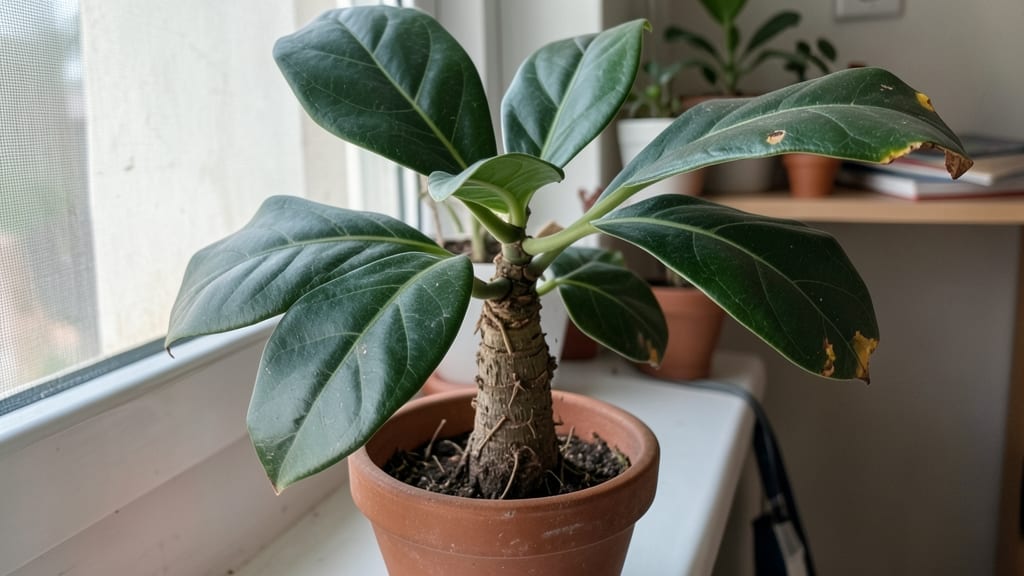
Your fiddle fig tree indoor can go from struggling to showstopping with just a few strategic cuts—year-round pruning keeps those lush leaves glossy and your plant thriving.
I’ve pruned mine every season for five years, and the difference is night-and-day: fewer leggy branches, more vibrant growth, and a shape that actually fits my living room.
The key isn’t just when you prune, but how you do it—angle, timing, and even the tools matter more than most guides admit.
Here’s the secret: fiddle figs respond best to light pruning year-round, not just spring cleanups. You’ll need sharp pruners (dull blades crush stems), a small spray bottle for post-cut care, and about 15 minutes every few months.
The goal is to encourage bushier growth by trimming back overgrown stems to a leaf node—never bare wood—and always cleaning your tools with rubbing alcohol to prevent disease. Most people over-prune, but fiddle figs are forgiving if you keep it gentle.
What you’ll end up with is a tree that looks like it belongs in a conservatory, not a corner of your apartment. The leaves stay deep green and velvety, new growth pops up within weeks, and you’ll actually fit it on that shelf you’ve been eyeing.
The best part? Pruned fiddle figs recover faster from stress, so brown tips become a rare annoyance instead of a constant battle. Let’s get those branches shaped!
This works whether your fiddle fig is a 6-foot giant or a compact tabletop version—just adjust the pruning frequency. In winter, cut back lightly to prevent legginess from low light, and in summer, shape it after new growth appears.
The only rule? Never prune more than one-third of the plant at once, or you’ll shock it. Now grab those shears—your fiddle fig is about to transform.
📚 In This Guide
- What you need
- Instructions
- Tips and common mistakes
- Wrapping up and next steps
What you need
- ● Pruning shears or bypass pruners: Choose sharp, clean tools with bypass blades (avoid anvil pruners—they crush stems). Size: 5–7 inches for precision.
- ● Rubbing alcohol (70% or higher): 1 small bottle to sterilize tools before/after pruning.
- ○ Horticultural gloves (optional but recommended): Protect your hands from sap irritation (latex or nitrile works best).
- ● Small container or tray: For collecting trimmings (e.g., a shallow bowl or plastic bin).
- ○ Rooting hormone (optional but helpful): A small bottle of powder or gel to boost propagation success.
- ● Well-draining potting mix: 1–2 gallons of peat-free mix (e.g., 50% cactus/succulent mix + 50% perlite/pumice) for repotting cuttings.
- ● Spray bottle with water: To mist cuttings and maintain humidity during propagation.
- ● Hand pruners (backup): A small pair (4–5 inches) for tricky spots.
- ● Kneeling pad: For comfort during extended pruning sessions.
- ● Plant label markers: To label cuttings if propagating (e.g., Ficus lyrata + date).
- ○ LED grow light (optional): A 10–15W clip-on bulb for cuttings if natural light is limited.
- ● Knowledge of your fiddle fig’s growth stage: Prune only after the tree has matured (typically 1–2 years old).
- ● Patience for healing: Allow cut surfaces 1–2 weeks to callus before repotting or propagating.
- ● Access to indirect light: A bright, east- or north-facing window (or grow light) for recovery.
How to prune your indoor fiddle fig for year-round health
Here's the simple, science-backed approach I use to keep my fiddle figs thriving indoors—no guesswork, just results.
Identify the Right Time to Prune
Prune your fiddle fig in early spring when new growth begins, but never after summer heat sets in. You'll know it's time when you see fresh, vibrant leaves emerging from the stems—this signals the plant is entering its active growing phase. Avoid pruning during winter dormancy, as the plant needs all its energy to recover from seasonal slowdown.
I always prune in the morning when the plant has had a full night's rest. This gives any open cuts time to callus over before evening humidity sets in. Watch for these visual cues: new leaf buds at the stem nodes and a slight softening of older growth. These are your green lights to prune.
Gather Your Tools and Prepare the Plant
Use only clean, sharp pruning shears or scissors—dull tools crush stems and invite disease. Wipe the blades with rubbing alcohol before and after each cut to prevent bacterial spread between plants. I keep a small spray bottle of water nearby to mist any exposed stems immediately after cutting, which helps reduce shock.
Place your fiddle fig in a well-lit area away from direct sunlight for 24 hours before pruning. This helps the plant conserve energy for recovery. Remove any dead, yellowed, or diseased leaves first—they're entry points for pests and infections. You'll notice these leaves feel brittle and fall away easily when gently tugged.
Make Strategic Cuts for Shape and Health
Cut just above a leaf node at a 45-degree angle to encourage new growth from that point. Never leave stubs—this creates weak growth points that attract rot. Aim to remove no more than one-third of the plant's foliage in a single session. For leggy stems, cut back to a lower leaf node to encourage bushier growth.
Focus on removing stems that cross the center of the plant or grow inward—these compete for light and air circulation. You'll see the plant's natural shape emerge as you make these cuts. After pruning, rotate the plant a quarter turn to ensure even light exposure on all sides, which prevents lopsided growth.
Post-Pruning Care for Rapid Recovery
Water the plant lightly immediately after pruning to help the cuts seal. Then, reduce watering by half for the next 7-10 days—overwatering now stresses the plant as it recovers. Place the fiddle fig in a spot with bright, indirect light for the first week, gradually reintroducing direct sunlight as new growth appears.
Fertilize with a balanced liquid fertilizer (10-10-10) diluted to half strength two weeks after pruning. You'll see new leaf buds form within 3-4 weeks if the plant is healthy. If no new growth appears after six weeks, check for root rot by gently removing the plant from its pot and inspecting the roots.
Maintain Year-Round Pruning for Consistent Growth
Lightly trim any leggy growth or spent flowers every 4-6 weeks throughout the year. This keeps the plant compact and encourages continuous blooming. In fall, reduce pruning to just removing dead leaves—this helps the plant prepare for its natural dormancy period.
I keep a pruning journal to track growth patterns, noting when new leaves emerge and how the plant responds to each session. This helps me adjust my approach for the next season. With consistent care, your fiddle fig will reward you with lush, healthy growth and vibrant foliage year-round.
Tips & tricks for pruning your indoor fiddle fig
These simple strategies will help you keep your fiddle fig thriving year-round with minimal effort.
Timing is Everything: The 24-hour prep period before pruning is crucial for plant recovery. Use this time to observe your plant closely—look for new leaf buds and slight softening of older growth. This signals the plant is ready for pruning and will respond best to the process. I've found that pruning in the morning gives open cuts time to callus over before evening humidity sets in, which significantly reduces the risk of infection.
Tool Maintenance Matters: Your pruning shears are just as important as the technique itself. Always wipe blades with rubbing alcohol before and after each cut to prevent bacterial spread between plants. I keep a small spray bottle of water nearby to mist any exposed stems immediately after cutting—this simple step helps reduce shock and promotes faster healing. Dull tools crush stems instead of making clean cuts, which can invite disease and slow recovery.
Visual Cues for Healthy Cuts: When making your 45-degree angle cuts just above leaf nodes, aim for smooth, clean cuts that expose a small amount of green tissue. The cut should be about the width of your pinky finger—any wider creates weak growth points that attract rot. I often count the nodes from the base to determine where to cut leggy stems, aiming to leave at least 3-4 nodes remaining to encourage bushier growth.
Recovery Monitoring: After pruning, keep a close eye on your plant's response during the 7-10 day reduced watering period. Look for signs of stress like wilting or yellowing leaves—these indicate you may need to adjust your care routine. I've noticed that fiddle figs often show new leaf buds within 3-4 weeks if they're healthy, so patience is key during this recovery phase. If no new growth appears after six weeks, it's time to check for root rot by gently removing the plant from its pot.
Pro Tips for Fiddle Fig Tree Indoor
- These simple strategies will help you keep your fiddle fig thriving year-round with minimal effort.
- Timing is Everything: The 24-hour prep period before pruning is crucial for plant recovery.
- Tool Maintenance Matters: Your pruning shears are just as important as the technique itself.
Frequently asked questions
Got questions about keeping your fiddle fig tree (Ficus lyrata) thriving indoors? You’re not alone! Here are answers to the most common concerns—from pruning basics to troubleshooting—so you can enjoy lush, healthy growth year-round.
How often should I prune my fiddle fig tree indoors?
Prune your fiddle fig lightly every 2–4 months to maintain shape and encourage bushiness. Focus on removing yellow leaves, leggy stems, or overcrowded branches. Avoid heavy pruning—this stress-sensitive tree responds best to gradual trims. Pro tip: Spring and early summer are ideal times for pruning!
Can I prune my fiddle fig tree in winter?
Winter is not the best time to prune, as the tree is in its dormant phase. Pruning in cold months can stress the plant and slow recovery. If you must trim, do so sparingly in late winter (February) to avoid shock. Wait until spring for fuller, healthier regrowth.
What should I do with the cuttings after pruning?
Fiddle fig cuttings root easily! Dip the stem in rooting hormone (optional) and plant in moist potting mix. Keep the soil warm (70–75°F) and humid, covering the cutting with a plastic bag until roots form (4–8 weeks). Once rooted, transplant into a pot with well-draining soil. Bonus: Propagate free plants for friends!
Why are my fiddle fig leaves turning yellow after pruning?
Yellow leaves after pruning are usually normal—your tree is adjusting! However, if many leaves yellow and drop, over-pruning or stress (like drafts or underwatering) may be the culprit. Ensure your tree gets bright, indirect light and consistent moisture. Fix: Reduce pruning frequency and monitor care habits.
Is there a low-maintenance alternative to fiddle figs for indoor pruning?
If fiddle figs seem high-maintenance, try Rubber Plants (Ficus elastica) or Snake Plants (Sansevieria). Both tolerate pruning well and thrive in low light. For a similar tropical vibe, ZZ Plants (Zamioculcas zamiifolia) are nearly indestructible! Note: Fiddle figs reward patience with stunning, glossy leaves—worth the effort for many!
Wrapping up and next steps
Growing a lush, thriving fiddle fig tree indoors is absolutely within your reach—with the right pruning know-how! Remember, regular trimming not only keeps your plant shaped and healthy but also encourages vibrant growth and beautiful foliage year-round.
Whether you’re a pruning pro or just starting, consistency is key—and your fiddle fig will reward you with stunning, lush leaves.
Ready to take the next step? Grab your tools, schedule your next pruning session, and watch your fiddle fig flourish! 🌿✨