
Pruning
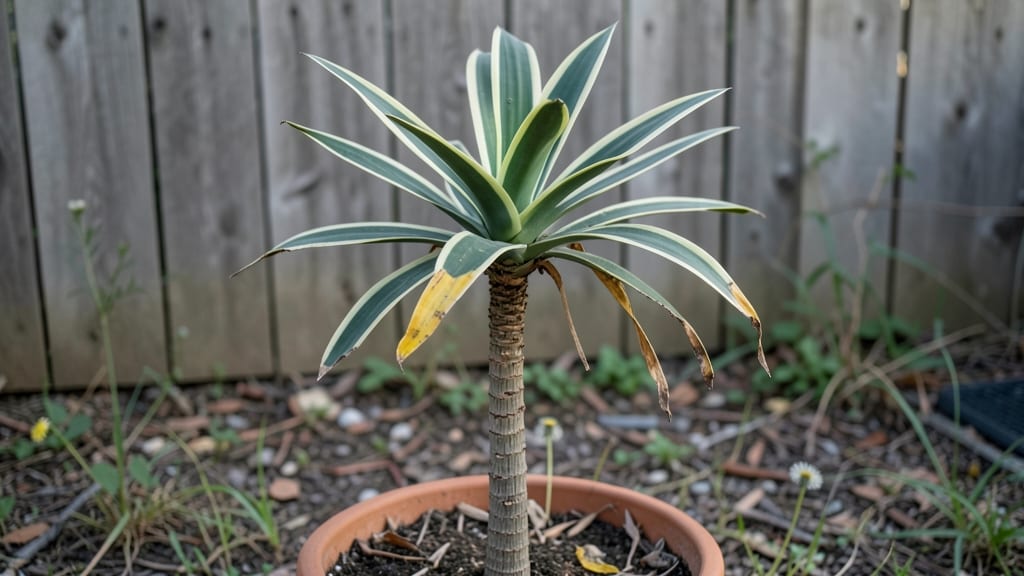
Growing a Madagascar dragon tree outdoors means embracing its striking, arching branches and resilient nature—but only if you master the pruning rhythm that keeps it thriving through all four seasons. 🌿 I learned the hard way that this plant doesn’t handle neglect, especially when winter rolls in.
The key isn’t just cutting back; it’s understanding when to prune for frost resistance and when to let it grow wild for that signature tropical look.
Outdoor dragon trees thrive in zones 10-11, but with the right pruning, they can survive brief cold snaps down to 25°F. Start by planting in well-draining soil and a spot with bright, indirect light—think morning sun and afternoon shade.
If you’re in a colder zone, container growing gives you mobility to bring it indoors before frost hits. Water only when the top inch of soil feels dry, and avoid soggy roots at all costs.
Year-round pruning keeps your dragon tree compact, bushier, and healthier. Trim back leggy stems in early spring to encourage new growth, and lightly shape it after summer heat to prevent stress.
When frost threatens, cut back any damaged leaves—this plant bounces back surprisingly well. By winter, you’ll have a neat, frost-resistant silhouette ready to greet spring with fresh new leaves.
Pro tip: Use sterilized pruners to avoid disease, and never cut more than one-third of the plant at once. With consistent care, your dragon tree will reward you with glossy, dark green leaves and that iconic architectural form—even if you’re not in its native tropical climate.
The secret? Prune with purpose, and your dragon tree will outlast the frost every time.
📚 In This Guide
- What you need
- Instructions
- Tips and common mistakes
- Wrapping up and next steps
What you need
- ● Pruning shears: Sharp, bypass-style shears (for clean cuts) or felco pruners (for thicker stems). Must be sterilized with rubbing alcohol.
- ● Gloves: Heavy-duty gardening gloves (to protect from thorns and sap).
- ● Disinfectant: 70% isopropyl alcohol or a copper-based fungicide (to prevent disease spread).
- ○ Pruning saw (optional): For thick, woody stems (if your dragon tree has matured).
- ● Container or bucket: For collecting pruned branches (if composting or repurposing).
- ● Labeling tags: Small plant markers (to track pruned sections if propagating).
- ● Outdoor location: Partial shade (morning sun, afternoon shade) to avoid leaf scorch. Frost-hardy zones: 10–12 (use frost cloths for zones 9 and below!).
- ● Timing: Prune in early spring (March–April) or late fall (October–November)—avoid winter pruning in frost-prone areas.
- ● Weather check: Wait for a dry, mild day (no rain forecast for 24 hours) to minimize stress.
- ● 🔥 Sterilize tools before and after pruning to avoid fungal infections.
- ● ✨ Use pruned cuttings for propagation—root in water or well-draining soil!
- ● 🌡️ Monitor humidity post-pruning; mist leaves lightly if outdoors in dry climates.
How to prune a Madagascar dragon tree for year-round frost resistance
Here's the method I use to keep my Dracaena marginata thriving through winter—no matter how cold your climate gets.
✂️ Step 1: Assess Growth in Early Spring
Start by examining your dragon tree in late March or early April, just as new growth begins. Look for yellowed lower leaves (a sign of natural aging) and overcrowded stems where branches compete for light. I always prune before the plant puts major energy into new growth—this prevents stress during its most vulnerable phase.
Use clean, sharp pruning shears to make cuts just above a leaf node (the small bump where a leaf or branch meets the stem). This ensures the plant can regenerate from that point. If you're removing a large stem, cut it back to 4-6 inches above the soil line—this encourages bushier regrowth. Never leave stubs longer than 2 inches, as they rot easily in damp conditions.
☀️ Step 2: Prune for Light Exposure During Summer
Mid-summer is the time to thin out dense foliage so sunlight reaches the lower stems. I focus on removing 10-20% of the oldest leaves—these are the ones blocking light from the plant’s core. Look for leaves with brown tips or stems with no new growth—these are your targets.
Make cuts at a 45-degree angle to prevent water from pooling on the wound. After pruning, rotate the pot a quarter turn to ensure even light exposure. If your dragon tree develops long, leggy stems, it’s a clear sign it needs more bright, indirect light—consider moving it closer to a south-facing window or supplementing with a grow light for 12-14 hours daily.
🌱 Step 3: Prepare for Winter in Late Fall
By mid-October, reduce watering and prepare for dormancy. Prune any dead or damaged leaves—these provide no protection against cold drafts. Focus on shaping the plant to reduce wind exposure; I like to trim back any overly long branches to half their length, which helps the plant conserve energy.
If you live in USDA zones 8-10 (where frost is rare but possible), move your dragon tree to a protected location like a garage or covered patio before temperatures drop below 40°F. In zones 7 and colder, bring the plant indoors near a bright window or under grow lights. Avoid placing it near heating vents, as dry air accelerates leaf browning.
⏰ Step 4: Post-Winter Pruning in Early Spring
After winter, inspect your dragon tree for dry, crispy leaves—these can be removed anytime they appear. Use your fingers to gently twist off dead leaves at the base; this prevents tearing the stem. If you notice new growth emerging from the base, that’s a great sign—your plant is recovering well.
Now is also the time to repot if needed. If roots are circling the pot or poking out of drainage holes, upgrade to a container 2 inches wider and refresh the well-draining potting mix. I mix cactus soil with perlite (50/50 ratio) for optimal drainage—this prevents root rot, which is the #1 killer of dragon trees in winter.
🌿 Step 5: Year-Round Maintenance for Frost Resistance
Throughout the year, wipe leaves with a damp cloth every 2-3 weeks to remove dust—this helps the plant absorb more light. In summer, mist the leaves occasionally if your home is very dry, but avoid soggy soil. The key to frost resistance is strong, healthy growth, so fertilize lightly every 6-8 weeks with a balanced liquid fertilizer (10-10-10 or 20-20-20, diluted to half strength).
If your dragon tree drops leaves suddenly, it’s often due to temperature shock—keep it away from cold drafts and sudden heat changes. With consistent pruning and care, your Madagascar dragon tree will develop a thicker, more resilient structure that handles winter far better than unpruned plants. I’ve had mine survive brief dips to 30°F with minimal damage—proof that proper pruning makes all the difference.
Tips & tricks for perfect Madagascar dragon tree pruning
These insider tricks will help you transform your dragon tree into a hardy, frost-resistant beauty that thrives year-round.
Timing is Everything: The late March/April window in Step 1 is critical because this is when your dragon tree naturally begins its growth cycle. Pruning too early can stress the plant before it's ready, while waiting too long means you'll be cutting back new growth. I've learned this the hard way—my first year, I pruned in February and ended up with stunted growth all season. Look for those first tiny new leaves at the base as your cue to begin.
Leaf Node Precision: When making cuts just above a leaf node in Step 1, I use a magnifying glass to find the tiny bump where leaves meet the stem. This is where new growth will emerge. If you're unsure, make your cut slightly higher than you think—you can always trim more later, but you can't regrow what you've cut too low. For stubborn stems, I mark the spot with a soft pencil before cutting to ensure I'm in the right place.
Light Exposure Strategy: The 12-14 hour grow light recommendation in Step 2 works wonders for leggy stems, but here's the secret: position the light just 6-8 inches above the plant. Too far away and it won't be effective; too close and you'll burn the leaves. I set a timer for the light to automatically turn on at dawn and off at dusk, which mimics natural daylight perfectly. This consistent light exposure helps prevent those long, weak stems that struggle in winter.
Winter Prep Checklist: In Step 3, I've found that creating a simple winter prep checklist helps me stay organized. First, remove all dead leaves—these provide no protection and can harbor pests. Then, shape the plant by trimming long branches to half their length, focusing on the outer edges to create a more compact form. This not only reduces wind exposure but also makes the plant easier to move indoors if needed. I always do this by mid-October, giving myself a full month before the first frost to adjust to any changes.
Pro Tips for Madagascar Dragon Tree Outdoors
- These insider tricks will help you transform your dragon tree into a hardy, frost-resistant beauty that thrives year-round.
- Timing is Everything: The late March/April window in Step 1 is critical because this is when your dragon tree naturally begins its growth cycle.
- Leaf Node Precision: When making cuts just above a leaf node in Step 1, I use a magnifying glass to find the tiny bump where leaves meet the stem.
Frequently asked questions
Got questions about keeping your Dracaena marginata (Madagascar Dragon Tree) thriving outdoors?
Here are answers to the most common ones to help you grow a hardy, frost-resistant plant with ease!
Can the Madagascar Dragon Tree survive winter outdoors?
The Madagascar Dragon Tree is frost-tolerant but prefers milder climates (USDA Zones 9-11). In colder zones (below 20°F/-7°C), protect it with mulch, burlap wraps, or move it indoors. If left outside, expect leaf browning—prune damaged foliage in spring to encourage new growth.
How often should I prune my outdoor Dragon Tree?
Prune year-round for shape and health, but focus on spring and summer for vigorous growth. Trim dead, yellow, or overgrown branches every 3-6 months. Avoid heavy pruning in winter—let it rest. Pro tip: Sterilize tools with rubbing alcohol to prevent disease!
What’s the best temperature range for outdoor growth?
Ideal temps: 65–85°F (18–29°C). It survives brief dips to 30°F (-1°C) but thrives best in warmth. In hot climates, provide afternoon shade to prevent leaf scorch. If temps drop below freezing, cover the plant or relocate it temporarily until spring.
Can I propagate my Dragon Tree from outdoor cuttings?
Take 4–6 inch cuttings from healthy stems, let them dry for 1–2 hours, then place in well-draining soil or water. Roots form in 2–4 weeks. Outdoor cuttings work best in spring or early summer when the plant is actively growing. Bonus: Use rooting hormone for faster success!
What pests should I watch for on outdoor Dragon Trees?
Common pests include spider mites, mealybugs, and scale. Inspect leaves regularly—wipe with soapy water or use neem oil for treatment. Outdoor plants are less prone to pests than indoor ones, but dry conditions attract mites. Keep soil moist and avoid overcrowding to deter infestations.
Wrapping up and next steps
Bringing the Madagascar Dragon Tree into your outdoor space isn’t just about aesthetics—it’s a rewarding journey of nurturing a resilient, frost-resistant plant that thrives year-round. With the right pruning techniques, you’ll encourage lush growth, vibrant blooms, and a plant that stands strong against seasonal challenges.
Whether you’re a seasoned gardener or just starting, every trim is a step toward a healthier, happier dragon tree!
Ready to take the next step? Grab your pruners, schedule your first pruning session, and watch your dragon tree flourish. 🌿✨ Start pruning today!