
Pruning
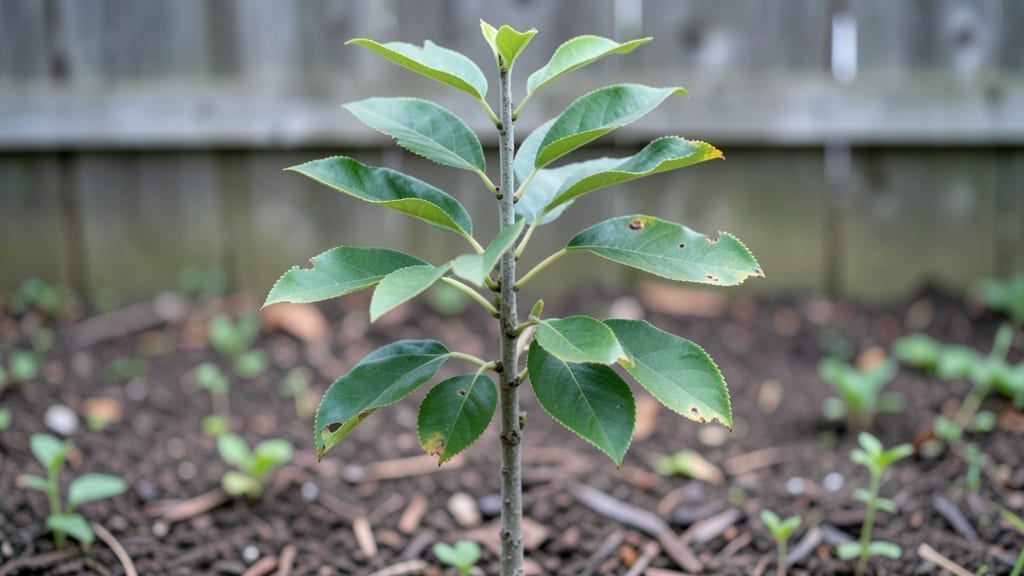
Planting beech tree saplings in the Pacific Northwest unlocks a future of towering shade and golden autumn leaves—if you prune them right from day one. 🌿 I’ve watched these saplings transform from delicate 2-foot seedlings into sturdy, 20-foot giants by focusing on two things: shaping their structure early and protecting their delicate bark from winter winds.
The key isn’t just cutting branches—it’s teaching the tree to grow strong from the start, even when our region’s damp winters test young bark.
Most gardeners overlook the first two years as the most critical for beech saplings. You’ll need sharp pruners, a 5-gallon bucket of compost, and a moisture meter to avoid the #1 mistake—overwatering, which rots roots faster than you’d think.
The Pacific Northwest’s mild but wet winters mean you can prune year-round, but timing matters: late winter (February) is ideal for shaping, while summer pruning should focus on removing only diseased branches.
Even a small sapling benefits from this approach—think of it as giving your tree a strong foundation before it faces our region’s wind and rain.
By the time your beech reaches 10 feet, you’ll notice the difference: fewer weak branches, a single strong trunk, and leaves that stay vibrant even in our damp summers. The pruning scars heal faster than you’d expect, and the tree’s natural shape emerges without constant corrections.
This isn’t just about aesthetics—it’s about long-term health, so your tree thrives for decades, not just years. The best part? You’ll spend less time fixing problems later because the work starts now, when the tree is still small and resilient.
Whether you’re planting in a sunny yard or a partially shaded spot, the same principles apply—just adjust watering slightly for drier microclimates. The Pacific Northwest’s climate is forgiving if you understand how to work with it.
Let’s get those saplings off to the right start so they grow into the majestic trees you’ve always wanted.
📚 In This Guide
- What you need
- Instructions
- Tips and common mistakes
- Wrapping up and next steps
What you need
- ● Pruning shears: Bypass pruners (sharp, 6-8" blades) for small branches (¼"–¾" diameter). Pro tip: Sterilize with rubbing alcohol before/after use to prevent disease spread! 💡
- ● Loppers: 1 pair (8-10" blades) for branches up to 2" in diameter.
- ● Pruning saw: 1 handheld saw (8-10" curved blade) for thicker branches (2"+). Look for a bow saw or pruning saw with a fine-tooth blade.
- ● Gloves: Heavy-duty, cut-resistant gloves (e.g., mechanics’ gloves or gardening gloves with Kevlar®) to protect hands from thorns and rough bark.
- ○ Disposable pruning bags: 3-5 large bags (10+ gallon capacity) for collecting debris. Optional: Use a tarp or bucket if bags aren’t available.
- ● Rubbing alcohol (70% isopropyl): Small bottle (4 oz) for sterilizing tools.
- ● Sharpie marker or masking tape: For labeling cuts (if grafting or identifying saplings).
- ● Ladder: Extendable or step ladder (12-16 ft) for taller saplings (6+ ft). Safety first: Use a stable, 3-sided ladder with non-slip feet! ⚠️
- ○ Tree wound dressing: Pruning sealant (e.g., Tanglefoot Tree Wound Pruning Seal) for large cuts (optional—modern research suggests leaving cuts open for faster healing).
- ● Handheld leaf blower: For quick cleanup of fine debris.
- ● Sunscreen & hat: Especially for Pacific Northwest’s unpredictable weather—protect yourself while you work! ☀️
- ● Know your beech tree species (e.g., American beech or European beech)—pruning needs vary slightly!
- ○ Check the phase of the moon (optional but traditional for some gardeners—aim for a waxing moon for growth stimulation). 🌕
- ● Review local pruning guidelines—some regions restrict pruning during nesting seasons (e.g., spring in the PNW).
Step-by-step pruning for Pacific Northwest beech tree saplings
Here's how to shape young beech trees for strong, healthy growth in our damp, mild climate.
🌱 Step 1: Identify and Remove Dead or Damaged Branches
Start by examining your sapling for any branches that are brown, brittle, or showing signs of disease—these are your first targets. In our Pacific Northwest climate, fungal issues like beech bark disease can creep in, so removing affected branches early prevents spread. Use clean, sharp pruning shears to make cuts just outside the branch collar where it meets the trunk.
Look for branches that rub against each other or grow inward—these compete for space and weaken the tree. I always prune these first, as they’ll only cause damage over time. If you’re unsure whether a branch is dead, scratch the bark with your fingernail. Live wood is greenish beneath, while dead wood stays brown.
✂️ Step 2: Thin the Canopy for Better Airflow
Beech trees naturally grow with dense foliage, but too much shade at the base invites rot and pests. Your goal is to open up the canopy so light and air circulate. Start at the bottom and work upward, removing branches that grow straight down or cross others. Aim to thin about 20-30% of the smallest branches—this encourages new growth while keeping the tree balanced.
In the PNW’s damp conditions, overcrowded canopies trap moisture, leading to mildew. I like to step back every few cuts to visualize the tree’s shape. You’ll notice the sapling’s natural structure more clearly from a distance—this helps you decide which branches to keep for a full, rounded look.
☀️ Step 3: Shape for Wind Resistance
Our Pacific Northwest winds demand a sturdy structure. Focus on removing branches that grow at sharp angles or are too weak to support themselves. These are often the ones that snap in storms. For every branch you cut, look for a strong, upward-growing side branch to replace it—this maintains the tree’s strength while keeping its shape.
Pay special attention to the top of the sapling. A dominant central leader (the main upward-growing branch) should emerge clearly. If multiple branches compete for this role, prune all but the strongest one. This ensures the tree grows tall and stable rather than bushy and prone to breakage.
🌿 Step 4: Prune for Year-Round Health
Beech trees benefit from light pruning in late winter or early spring, just as buds begin to swell. This timing avoids heavy sap flow and gives the tree time to heal before summer’s heat. In the PNW, late spring to early summer is also a good time for minor touch-ups, especially if you notice new growth that’s crowding or crossing.
After pruning, apply a thin layer of mulch around the base (but not touching the trunk) to retain moisture and regulate soil temperature. Water deeply to help the tree recover. You’ll see fresh, vibrant growth within a few weeks—that’s your sign the pruning was successful.
Tips & tricks for perfect Pacific Northwest beech tree pruning
Mastering beech tree pruning in our damp climate takes a few key tricks that make all the difference between healthy growth and long-term problems.
Timing is Everything: Late winter or early spring is ideal for pruning beech saplings because the tree is dormant but about to wake up. In our PNW climate, this timing avoids heavy sap flow and gives the tree time to heal before summer's heat and humidity. If you must prune in summer, do it during minor touch-ups—never more than 25% of the canopy at once, or you risk stressing the tree.
Tool Preparation Matters: Always sterilize your pruning shears with rubbing alcohol before you start. In our damp conditions, fungal spores can easily spread from diseased branches to healthy ones. I also recommend using sharp shears—dull blades crush rather than cleanly cut, leaving wounds that heal poorly. Test your shears by making a clean cut through a small branch before starting on your sapling.
Visual Cues for Healthy Cuts: When making cuts in Step 1, look for the branch collar—the swollen area where the branch meets the trunk. Your cut should be just outside this collar, leaving a smooth, slightly sloped surface. This helps the wound seal properly. For larger branches, make a second cut about 1-2 inches away from the first to avoid tearing the bark as you remove it.
PNW-Specific Airflow Strategy: In our region's damp climate, proper airflow is crucial to prevent mildew. When thinning the canopy in Step 2, focus on removing branches that grow straight down—they create pockets where moisture gets trapped. Aim to create an open, umbrella-like shape that allows air to circulate from all directions. You'll know you've done it right when you can see light filtering through the branches on a sunny day.
Pro Tips for Beech Tree Saplings
- Mastering beech tree pruning in our damp climate takes a few key tricks that make all the difference between healthy growth and long-term problems.
- Timing is Everything: Late winter or early spring is ideal for pruning beech saplings because the tree is dormant but about to wake up.
- Tool Preparation Matters: Always sterilize your pruning shears with rubbing alcohol before you start.
Frequently asked questions
Got questions about nurturing beech tree saplings in the Pacific Northwest? You’re not alone! Here are some of the most common queries—and their straightforward answers—to help you grow thriving young trees year-round.
When is the best time to prune beech tree saplings?
Prune beech tree saplings in late winter or early spring (before buds swell) to avoid stressing the tree. In the Pacific Northwest’s mild climate, avoid pruning in fall—it can encourage fungal growth. For heavy pruning, wait until late winter when the tree is dormant but the risk of frost has passed.
How much can I trim off a young beech sapling?
For saplings under 5 years old, remove no more than 20-25% of the foliage in a single pruning session. Focus on dead, diseased, or crossing branches first. Over-pruning can stunt growth or leave the tree vulnerable to pests. Think of it as a light haircut—not a buzz cut!
Do beech saplings need extra care after pruning in rainy PNW winters?
Yes! The Pacific Northwest’s wet winters can slow healing. Apply a wound sealant (like pruning paste) to cuts larger than ½ inch to prevent water absorption and rot. Also, avoid pruning during heavy rain—wait for dry weather to reduce fungal risks.
Can I use beech saplings as a hedge or screen?
Beech trees grow slowly (about 12–24 inches per year), so they’re not ideal for fast hedges. However, you can shape them into a natural screen with light pruning over years. For quicker results, consider faster-growing alternatives like Arbutus (madrona) or Thuja (cedar).
Why are my beech sapling leaves turning yellow after pruning?
Yellowing leaves post-pruning usually mean over-pruning, stress, or nutrient loss. Check for these signs:
- Too many cuts at once? Reduce future pruning.
- Dry soil? Water deeply and mulch.
- Pests? Inspect for aphids or mites (common in PNW).
Wrapping up and next steps
Growing beech tree saplings in the Pacific Northwest is a rewarding journey that blends patience with precision—especially when it comes to pruning for year-round health.
By mastering the right techniques, timing, and tools, you’ll foster strong roots, vibrant foliage, and a resilient tree that thrives in your region’s unique climate. Remember: every cut is an investment in your tree’s future!
Ready to take the next step? Start small—pick one sapling this season, apply what you’ve learned, and watch it flourish. Before you know it, your yard will be dotted with stunning, thriving beech trees that stand as a testament to your green thumb! 🌿✨