Pruning
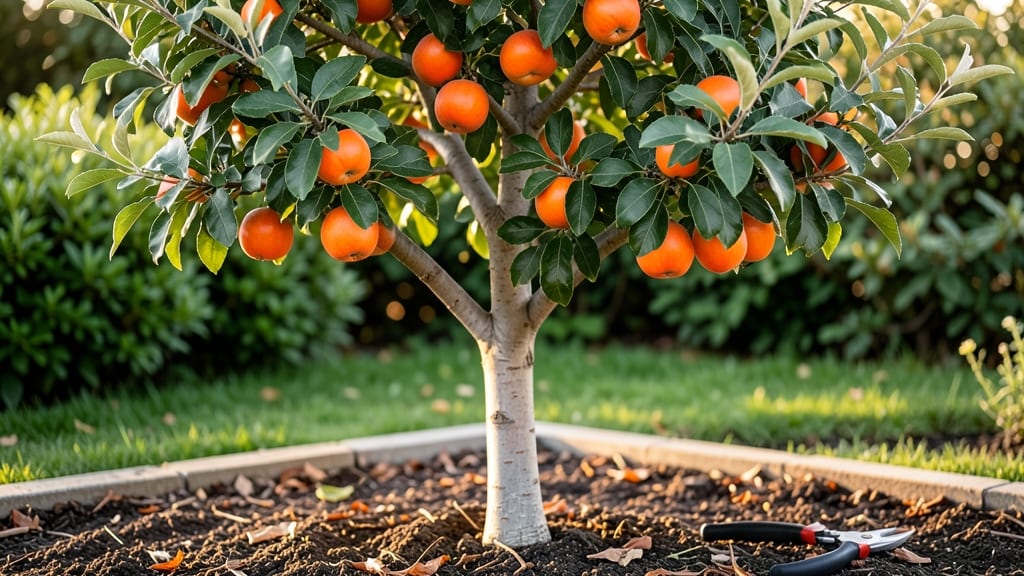
The Fantasia nectarine tree thrives in the Pacific Northwest with less fuss than most fruit trees—no heavy pruning required. 🌿 I planted mine in a sunny corner of my Portland yard last spring, and now it’s loaded with sweet, yellow-orange fruit that neighbors keep asking about.
The secret? This variety handles our cool summers and wet winters better than most nectarines, and it rewards minimal effort with big harvests.
This tree loves well-draining soil and full sun, but it’s forgiving if you forget to water sometimes. Unlike finicky stone fruits, the Fantasia adapts to our region’s climate without needing constant attention.
The real magic happens in early summer when branches bend under the weight of fruit—each bite tastes like summer, even when it’s drizzling outside.
Pruning is simple: just shape it lightly in late winter to open the center for airflow. No need for dramatic cuts—this tree produces fruit on both old and new wood, so it keeps bearing even with gentle maintenance.
By mid-August, you’ll have bushels of fruit ready to share, and the tree’s glossy leaves stay vibrant all season long.
Perfect for small yards, urban lots, or even large containers. Whether you’re a first-time fruit grower or a seasoned gardener, this nectarine makes growing delicious, homegrown fruit feel effortless—especially when you live where summers are cool and winters are wet. Let’s get yours growing!
📚 In This Guide
- What you need
- Instructions
- Tips and common mistakes
- Wrapping up and next steps
What you need
- ● Pruning shears: Sharp, bypass-style shears (4–6 inches) for small branches.
- ● Loppers: 8–10 inch bypass loppers for thicker branches (½–1 inch in diameter).
- ● Pruning saw: Curved-tooth pruning saw for branches over 1.5 inches thick.
- ● Disinfectant: 70% isopropyl alcohol or bleach solution (1 part bleach to 9 parts water) to sterilize tools.
- ● Garden gloves: Cut-resistant, breathable gloves (size medium/large).
- ● Rubbing alcohol or hand sanitizer: For cleaning hands between cuts.
- ○ Sealant: Pruning sealant (optional for large cuts to prevent disease).
- ● Tree wound paint: Non-toxic, water-based (if sealing cuts).
- ● Ladder or step stool: For reaching higher branches safely.
- ● Trash bags: For collecting pruned branches and debris.
- ● Notebook/pencil: To sketch a pruning map of your tree’s structure.
- ● Best time to prune: Late winter or early spring (before buds swell) for Fantasia nectarines.
- ● Weather: Choose a dry, overcast day (avoid pruning when wet or freezing).
- ● Tree age: Young trees (under 3 years) need light pruning; mature trees may require more structure work.
- ● Safety first: Wear closed-toe shoes and avoid pruning near power lines.
Instructions for planting and caring for a Fantasia nectarine tree in the Pacific Northwest
Here's how to get your nectarine tree thriving with simple, low-maintenance steps perfect for our region's climate.
🌱 Step 1: Choose the Right Planting Location and Time
Nectarine trees need 6-8 hours of full sun daily, so pick a spot that gets morning sun and afternoon shade if possible—this protects fruit from the Pacific Northwest's intense summer sun. Avoid low spots where cold air pools, as nectarines are sensitive to late frosts. The best time to plant is in early spring, about 4-6 weeks before your last frost date, when soil temperatures reach 60°F.
Dig a hole twice as wide as the root ball but no deeper. Work the native soil into the sides of the hole to prevent compaction. Here's the thing—if your soil drains poorly, add a 2-inch layer of coarse sand or gravel to the bottom of the hole first. You'll know you've done it right when the hole looks loose and fluffy, not packed like concrete.
🪴 Step 2: Plant and Water Deeply for Strong Root Establishment
Gently remove the tree from its container and loosen any circling roots with your fingers. Place it in the hole so the graft union (the bump near the base) sits 2-3 inches above soil level1 part compost to improve fertility and drainage.
Water immediately after planting to settle the soil around the roots. Use 5-10 gallons of water to thoroughly soak the root zone. You'll see the soil settle around the base as you water—keep filling until it reaches the original soil line. Mulch with 2-3 inches of wood chips, keeping it 6 inches away from the trunk to prevent rot.
☀️ Step 3: Prune for Airflow and Fruit Production
Prune your Fantasia nectarine in late winter or early spring before buds swell. Remove any dead, crossing, or inward-growing branches first—these compete for energy and reduce airflow, which invites disease. Open the center of the tree by cutting back branches that grow toward the middle, allowing sunlight to reach all fruit. Aim to keep the tree's shape open and vase-like.
Real talk: Don't over-prune. You're shaping, not topping. Remove no more than 25% of the tree's canopy in any one year. After pruning, water deeply to help the tree recover. You'll notice new growth within 4-6 weeks, signaling the tree is adjusting well to your cuts.
💧 Step 4: Water and Fertilize for Optimal Fruit Development
Water deeply once a week during the first growing season, providing 10-15 gallons per tree each time. Let the top 2-3 inches of soil dry out between waterings to encourage deep root growth. In the Pacific Northwest, our cool summers mean you won't need to water as frequently as in hotter climates—just watch for wilting leaves as your signal.
Apply a balanced 10-10-10 fertilizer in early spring and again after harvest. Follow the package instructions for amounts, but cut the recommended dose in half for the first year after planting. You'll see lush, dark green leaves by mid-summer, indicating the tree is getting the nutrients it needs for strong fruit production.
✂️ Step 5: Thin Fruit and Monitor for Pests/Diseases
When fruit begins to form, thin it to 6-8 inches apart to ensure larger, higher-quality nectarines. Remove smaller or misshapen fruit first—this reduces competition for nutrients. Here's where it gets fun: Watch for fruit that ripens unevenly or stays small. These are your clues to adjust watering or fertilizing next season.
Check leaves regularly for signs of pests like aphids or mites. Spray with a strong stream of water to dislodge them, or use neem oil if infestations persist. In the Pacific Northwest, brown rot is the biggest threat—prevent it by removing fallen fruit promptly and avoiding overhead watering. You'll know your tree is healthy when it produces abundant, firm fruit with minimal intervention.
Tips & tricks for perfect Fantasia nectarine tree care
These practical tips will help you avoid common pitfalls and maximize your nectarine tree's potential in the Pacific Northwest climate.
Soil Preparation Secret: Before planting, test your soil's drainage by digging a small hole and filling it with water. If it drains in less than 30 minutes, your soil is fine. If it pools for hours, definitely add that 2-inch layer of sand or gravel as mentioned in Step 1. I've seen nectarine trees fail in heavy clay soils because of poor drainage—don't let that happen to yours. The goal is to mimic the well-draining conditions nectarines love.
Pruning Technique: When you're pruning in Step 3, make your cuts just outside the branch collar—the swollen area where the branch meets the trunk. This helps prevent disease from entering the tree. Also, sterilize your pruning shears with rubbing alcohol between cuts to avoid spreading any potential infections. I learned this the hard way after losing a branch to bacterial infection.
Watering Wisdom: For that initial 5-10 gallons of water in Step 2, use a garden hose with a gentle spray nozzle rather than a heavy stream. This prevents soil erosion around your newly planted tree. After watering, you should see water gently soaking into the soil rather than running off. In our cool Pacific Northwest summers, you'll find you can actually reduce watering frequency once the tree establishes—just watch those leaves for wilting signals.
Fertilizer Timing: That first-year fertilizer dose reduction is crucial. Too much nitrogen early on can lead to excessive leaf growth at the expense of fruit production. I recommend using a slow-release fertilizer rather than quick-release granules to provide consistent nutrition throughout the growing season. Apply it in early spring when you see new growth beginning, and again after harvest when the tree needs to recover for next year.
Pro Tips for Fantasia Nectarine Tree
- These practical tips will help you avoid common pitfalls and maximize your nectarine tree's potential in the Pacific Northwest climate.
- Soil Preparation Secret: Before planting, test your soil's drainage by digging a small hole and filling it with water.
- Pruning Technique: When you're pruning in Step 3, make your cuts just outside the branch collar—the swollen area where the branch meets the trunk.
Frequently asked questions
Got questions about growing and maintaining a Fantasia nectarine tree in the Pacific Northwest? You’re not alone! Here are answers to the most common queries to help you thrive with minimal pruning and maximum fruit.
How cold-hardy is the Fantasia nectarine tree?
The Fantasia nectarine is a USDA Zone 5-8 variety, making it well-suited for the Pacific Northwest’s mild winters. It can tolerate brief dips to −10°F (−23°C), but young trees (under 3 years) benefit from winter mulch or frost cloth for extra protection. Pro tip: Plant in a sheltered spot to avoid late spring frosts, which can damage blossoms.
When is the best time to prune a Fantasia nectarine tree?
Prune your Fantasia nectarine during late winter or early spring (before buds swell)—this is ideal for shaping and removing dead wood. Avoid heavy pruning in fall, as it can stimulate late-season growth vulnerable to frost. Light maintenance pruning (removing suckers or crossing branches) can be done anytime, but wait until after harvest to prune for fruit production.
Why aren’t my Fantasia nectarines ripening evenly?
Uneven ripening often stems from inconsistent sunlight or overwatering. Ensure your tree gets 6+ hours of direct sun daily and water deeply but infrequently (1–1.5 inches per week). Thinning fruit early in the season (leave 6–8 inches between nectarines) also promotes even ripening. Watch for: yellowing leaves (overwatering) or curled leaves (underwatering or pests).
Can I grow a Fantasia nectarine in a container?
While possible, Fantasia nectarines thrive best in the ground due to their size (12–15 feet tall/wide). If container-growing, use a minimum 20-gallon pot with drainage holes and well-draining soil. Expect smaller yields and more frequent pruning to manage root-bound stress. Note: Containers dry out faster—monitor soil moisture closely in PNW’s dry summers!
What pests should I watch for on a Fantasia nectarine tree?
Common PNW pests include aphids, peach tree borers, and mites. Aphids (tiny green/black insects) cluster on new growth—blast them off with water or use insecticidal soap. Borers (larvae tunneling into bark) require pruning infested branches and sealing cuts with pruning paint. Mites cause stippled leaves; treat with horticultural oil if severe. Prevent pests by keeping the area weed-free and avoiding over-fertilizing with nitrogen.
Wrapping up and next steps
Growing a Fantasia nectarine tree in the Pacific Northwest is a rewarding journey—especially when you embrace its low-maintenance charm! With minimal pruning, proper spacing, and a little seasonal care, you’ll enjoy juicy, flavorful fruit for years to come. 🌿
Ready to take the next step? Visit your local nursery to pick out your tree—or research grafting techniques if you’re feeling adventurous! Whether you’re a pruning pro or a beginner, your Fantasia nectarine tree is waiting for you to nurture it into a thriving centerpiece of your orchard.