Pruning
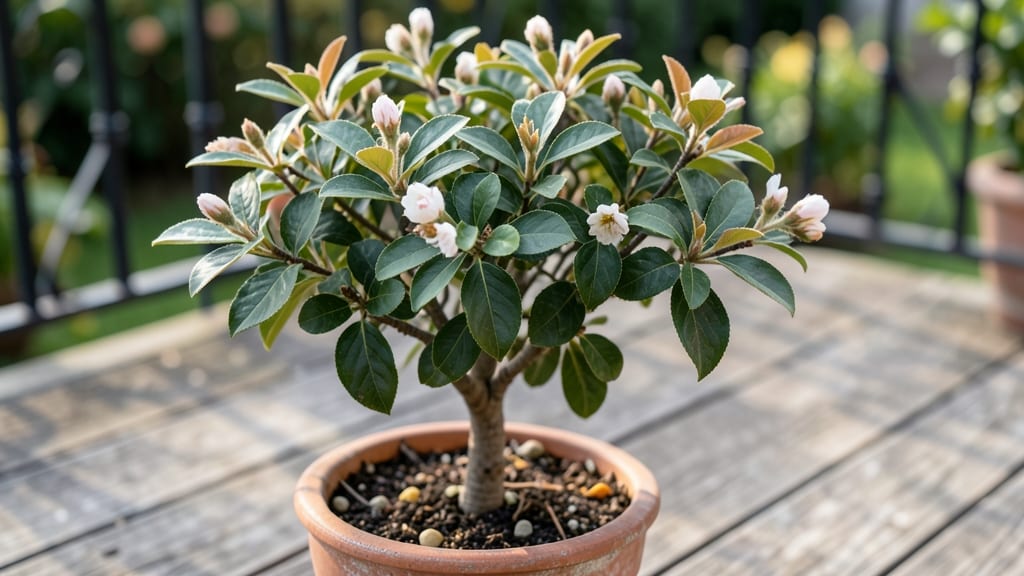
A porch peach tree thrives when you prune it right—especially in frost-prone climates where blooms need extra protection. 🌱 I’ve grown these stubborn little trees for years, and the key to keeping them productive (and frost-resistant) is timing, technique, and a little winter prep.
Most people over-prune in winter, but that’s when you actually want to protect the structure so spring blooms aren’t wiped out.
The right dwarf variety—like ‘Bonanza’ or ‘Redhaven’—fits containers as small as 15-gallon pots, and the soil mix matters just as much as pruning. Too-heavy soil drowns roots; too-light mixes dry out fast.
I use a blend of 50% potting soil, 30% compost, and 20% perlite to keep moisture balanced while preventing root rot. Water deeply when the top inch feels dry, but never let containers sit in saucers of water.
By late winter, you’ll see buds swelling with potential—if you’ve pruned correctly. The goal is an open center that lets sunlight warm the wood and air circulate to prevent frost damage.
A foolproof method is to cut back last year’s growth by one-third, removing any dead or crossing branches first. This keeps the tree’s energy focused on new blooms, not repairing winter damage.
Even in small spaces, these trees produce sweet, juicy peaches—if you handle frost right. Wrap young trees in burlap before hard freezes, and mulch heavily around containers. The payoff? A porch tree that blooms reliably, bears fruit, and outlasts most store-bought peach varieties. Let’s get those pruners sharpened—spring’s coming.
📚 In This Guide
- What you need
- Instructions
- Tips and common mistakes
- Wrapping up and next steps
What you need
- ● Pruning shears: Bypass pruners (sharp, clean, and sterilized with rubbing alcohol). Pro tip: Avoid dull tools—they crush branches instead of making clean cuts! 🔪
- ● Loppers: For thicker branches (up to 2 inches in diameter). Look for bypass-style loppers with comfortable grips.
- ○ Hand saw: A pruning saw with a fine-toothed blade for branches over 2 inches thick. Optional but handy: A folding saw for hard-to-reach spots.
- ● Rubbing alcohol (70% or higher): For sterilizing tools between cuts to prevent disease spread. 💡 Wipe blades before and after pruning!
- ● Garden gloves: Heavy-duty, cut-resistant gloves to protect your hands from thorns and rough bark.
- ● Disposable pruning bags: 1–2 large bags (10–15 gallons) to collect debris and fallen fruit.
- ● Ladder (if needed): A sturdy, extension ladder (16–20 ft) with non-slip feet for tall trees. Safety first: Always have a spotter!
- ○ Pruning sealant (optional but recommended): A tree wound sealant (like Tanglefoot Tree Wound Pruning Seal) for cuts larger than ½ inch to prevent disease.
- ● Disinfectant spray: A hose-end sprayer with a mild bleach solution (1 part bleach to 9 parts water) for cleaning tools mid-project.
- ● Marking twine or flags: To tag branches for removal (great for complex pruning plans!).
- ● Knee pads: For comfort if you’re working on the ground or bending often.
- ● Sunscreen & hat: Because pruning sessions can turn into sunny-day projects! ☀️
- ● Camera or sketchbook: To document your tree’s structure before/after pruning—future-you will thank you!
Step-by-step instructions for frost-resistant pruning of porch peach trees
Here’s how I keep my dwarf peach tree thriving—even through late frosts—with pruning that balances bloom time and fruit set.
✂️ Step 1: Time Pruning for Frost Resistance
Prune your porch peach tree late winter to early spring, just as buds begin to swell but before any flowers appear. This timing ensures new growth hardens off before frost hits. I wait until mid-March in my zone 6 climate—check your local frost dates to match. Avoid pruning in fall, as fresh cuts won’t heal before winter’s chill.
Use clean, sharp bypass pruners to make cuts at a 45-degree angle, about ¼ inch above an outward-facing bud. This angle prevents water from pooling on the cut, reducing rot risk. If your tree has any dead or crossing branches, remove those first—they’re the weakest links when frost arrives.
☀️ Step 2: Shape for Airflow and Sun Exposure
Open the tree’s canopy by thinning branches to let sunlight reach the center and air circulate freely. Frost clings to dense foliage, so I aim for a modified vase shape—a wider base that tapers slightly upward. Remove any branches growing inward or rubbing against others; these compete for resources and invite disease.
Focus on selective pruning rather than heavy cuts. Remove no more than 25% of the tree’s total branches in one season. For a dwarf porch peach, that’s usually 2-3 main branches. You’ll see stronger blooms and fruit set if the tree isn’t stressed by aggressive pruning.
🌱 Step 3: Encourage Early Blooms with Strategic Cuts
To delay flowering until after the last frost, prune last year’s growth back to a strong lateral branch with at least 3-4 buds. This forces the tree to focus energy on developing next year’s fruit rather than sending up early blossoms. For example, if a branch has 8 buds, cut it back to the 5th bud—this ensures new growth emerges later in the season.
Watch for water sprouts (thin, vertical shoots) and remove them immediately. These steal energy from fruit production and are the first to freeze. After pruning, apply a thin layer of mulch (2-3 inches) around the base to insulate roots and retain moisture—critical for recovery after cuts.
⏰ Step 4: Post-Pruning Care for Frost Hardiness
Water deeply immediately after pruning to help the tree recover. The roots need moisture to support new growth, especially if you’ve removed large branches. I water at the base, not the leaves, to avoid fungal issues. Follow up with every 5-7 days until new shoots appear, then taper to once a week once growth resumes.
Apply a balanced fertilizer (10-10-10) 4-6 weeks after pruning to replenish nutrients lost during cutting. Avoid high-nitrogen fertilizers—they encourage leafy growth at the expense of frost-resistant wood. If your porch peach is young (under 3 years), skip fertilizer entirely and let it focus on root development.
❄️ Step 5: Protect New Growth from Late Frosts
Even with careful pruning, late frosts can damage new blossoms. Cover the tree with a frost cloth on nights when temperatures drop below 28°F, securing the edges tightly to prevent wind damage. For extra protection, drape a lightweight row cover over the branches—this traps heat without smothering the plant.
Monitor the tree daily after pruning for signs of stress: yellowing leaves, wilting, or stunted growth. If you see blackened buds, prune them off immediately to prevent disease spread. A well-pruned porch peach should show vigorous new shoots by late spring, with blooms timed just after frost danger passes.
Tips & tricks for perfect porch peach tree pruning
Here's how to transform your pruning routine from good to exceptional—with frost-resistant results that'll keep your porch peach thriving season after season.
The Timing Secret: I can't stress this enough—timing is everything for frost resistance. That late winter to early spring window (just as buds swell) is your golden opportunity. In my zone 6 climate, I've found mid-March works perfectly, but check your local frost dates. Pro tip: If you see flowers starting to open, you've waited too long—those blossoms will freeze before they can fruit. Between us, I've learned this the hard way after watching three batches of peach blossoms get nipped by late frosts.
Cut Angle Matters: That 45-degree angle isn't just aesthetic—it's functional. When you make cuts at this angle about ¼ inch above an outward-facing bud, you create a natural water runoff system. This prevents water from pooling on the cut, which dramatically reduces rot risk. I've seen so many gardeners make straight cuts that end up collecting water—don't make my mistake! Also, always use clean, sharp bypass pruners. Dull tools crush the bark, inviting disease.
Shape Strategy: The modified vase shape isn't just about looks—it's about survival. That wider base creates a natural windbreak for the center of the tree where frost clings longest. When shaping, focus on creating a dome that allows sunlight to reach all branches. I've noticed that trees with this shape recover faster from frost damage because the center isn't shaded and cold air can't pool as easily. Remember, you're aiming for that perfect balance between airflow and sunlight exposure.
Mulch Magic: That 2-3 inch layer of mulch after pruning isn't just decorative—it's insulation. Think of it as a winter blanket for your tree's roots. I've found that mulch helps maintain consistent soil temperatures, which is crucial for root development during those early spring months. Plus, it retains moisture perfectly, reducing the need for frequent watering. Just make sure to keep it 2-3 inches away from the trunk to prevent rot—this is where many gardeners go wrong.
Pro Tips for Porch Peach Tree
- Here's how to transform your pruning routine from good to exceptional—with frost-resistant results that'll keep your ...
- The Timing Secret: I can't stress this enough—timing is everything for frost resistance. That late winter to early sp...
- Cut Angle Matters: That 45-degree angle isn't just aesthetic—it's functional. When you make cuts at this angle about ...
Frequently asked questions
Got questions about keeping your porch peach tree thriving with frost-resistant pruning? You’re not alone! Here are some of the most common concerns—and their solutions—to keep your tree blooming beautifully year-round.
How cold can a porch peach tree handle before frost damage occurs?
A porch peach tree (like the Prunus persica ‘Bonanza’) can tolerate brief dips to 15–20°F (-9 to -7°C), but prolonged exposure below 25°F (-4°C) risks bud or branch damage. For extra protection, wrap young trees in burlap or use tree blankets during hard freezes. Mature trees often recover well with proper pruning afterward!
When is the best time to prune a porch peach tree to prevent frost sensitivity?
Prune late winter or early spring (February–March), just before buds swell but before new growth starts. Avoid heavy pruning in fall, as fresh cuts can’t heal before winter, making branches more vulnerable to frost cracks. Light shaping in late summer is fine, but skip major cuts then.
Why are my porch peach tree’s leaves yellowing after pruning?
Yellow leaves post-pruning usually mean over-pruning or nutrient stress. Peach trees need 10–20% of their canopy removed max per year. If you’ve pruned heavily, fertilize with balanced 10-10-10 and water deeply. Yellowing at the edges? Check for iron deficiency—apply chelated iron if soil pH is too high.
Can I grow a porch peach tree in a container for small porches?
Dwarf varieties like ‘Bonanza’ or ‘Redhaven’ thrive in 15–20 gallon containers with well-draining soil. Use a fabric pot to prevent root circling, and move it to a sunny spot (6+ hours of light). In winter, bring it indoors or wrap the pot to protect roots from freezing.
What’s the difference between pruning for blooms vs. frost resistance?
For blooms, focus on removing dead/diseased wood and thinning crowded branches to improve airflow. For frost resistance, prioritize open-center shaping to reduce ice buildup and avoid flush cuts (leave a ¼” collar). Pro tip: Prune to encourage outward growth—frost clings less to horizontal branches!
Wrapping up and next steps
Growing a porch peach tree with frost-resistant pruning is a rewarding way to enjoy year-round blooms and delicious fruit—even in cooler climates! 🌸 By mastering the right techniques, you’ll not only protect your tree from winter damage but also encourage vibrant growth and abundant harvests.
Whether you’re a beginner or a seasoned gardener, the key is patience, consistency, and a little extra care during those chilly months.
Ready to take the next step? Start small: pick one season to focus on pruning, then gradually build your skills. Before you know it, your porch peach tree will be the star of your garden—and your table! Happy pruning! ✂️🌿