
Pruning
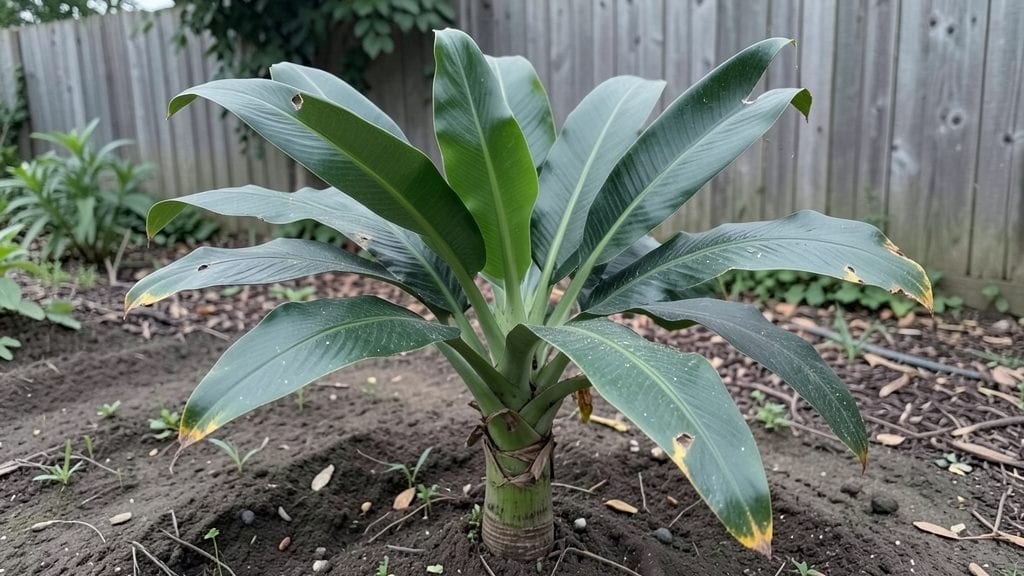
Pruning your false banana tree (Musa basjoo) transforms it from a wild, overgrown giant into a showstopping Pacific Northwest focal point.
I’ve pruned mine every winter for five years, and each time, the new growth comes back taller, fuller, and more dramatic—like a tropical sculpture in my rainy climate. The key isn’t just cutting back; it’s timing the cuts to avoid frost damage while encouraging the plant’s natural resilience.
Here’s the secret: prune in late winter or early spring when new shoots are just waking up but before the first warm spell. Use clean, sharp pruners to cut back to the ground or leave a few inches of stubs—this prevents rot and encourages fresh, vigorous growth.
The plant handles cold surprisingly well (down to 15°F), but those first cuts in the right window make all the difference for a lush, productive season ahead.
What you’ll end up with is a taller, bushier plant that produces those iconic banana-like leaves year after year. The foliage becomes denser and more vibrant, and you’ll notice fewer bare stems by summer.
Plus, the pruned stems make great ornamental accents—dried or fresh—for winter arrangements or garden art. It’s the one pruning job that pays off in both form and function.
Works for both container gardens and in-ground plantings, and the same techniques apply whether you’re dealing with a mature specimen or a young plant. The only real mistake?
Waiting until spring to prune—by then, the plant’s already spent energy on new growth. Start now, and you’ll have a standout feature by midsummer.
📚 In This Guide
- What you need
- Instructions
- Tips and common mistakes
- Wrapping up and next steps
What you need
- ● Pruning shears or loppers – Choose bypass pruners (for clean cuts) or loppers with 8-10" handles for thicker stems. (1-2 tools)
- ● Hand pruners – For smaller branches and precision cuts. (1 pair)
- ● Saw (pruning or handsaw) – For thick, woody stems (2"+ diameter). (1)
- ● Rubbing alcohol (70% or higher) – To sterilize tools between cuts and prevent disease spread. (1 small bottle)
- ● Disposable gloves – Nitrile or leather to protect hands from sap and sharp edges. (1-2 pairs)
- ● Heavy-duty trash bags or bucket – For collecting pruned debris. (1-2)
- ● Sharpie or permanent marker – To mark cuts for future reference. (1)
- ○ Garden twine or zip ties – For supporting weak branches post-pruning (optional but helpful). (1 roll)
- ● Pruning sealant – Not required for false banana trees, but useful if sealing larger cuts to prevent frost damage. (1 small bottle)
- ● Extension pole pruners – For hard-to-reach high branches. (1)
- ● Mulch (straw or wood chips) – To protect the base after pruning in frost-prone zones. (5-10 gallons)
- ● Frost cloth or burlap – For wrapping young or newly pruned stems if a hard frost is forecasted. (1-2 sheets)
- ● Camera or phone – To document your tree’s structure before/after pruning! (1)
- ● Check the weather forecast—prune on a dry, mild day (avoid frost warnings or extreme heat).
- ● Wear long sleeves and pants to protect from sap and thorns.
- ● Ensure your tools are sharpened—dull blades tear stems, inviting disease.
- ● Have a first-aid kit handy for minor cuts or sap irritation.
Instructions for pruning false banana trees in the Pacific Northwest
Here’s the precise, seasonal approach I’ve used for years to keep false banana trees (Musa basjoo) thriving through PNW winters.
Assess and Prepare for Early Spring Pruning
Start in late February or early March, when new growth begins but before active shoots emerge. Look for dead or damaged fronds—these are brown, brittle, and won’t regrow. I cut these back to the base with clean, sharp pruners, making cuts at a 45-degree angle just above a bud or node. This prevents water from pooling and reduces disease risk.
Remove any fronds that were damaged by frost or wind during winter. You’ll notice healthy fronds are upright, green at the base, and firm to the touch. Weak or hollow stems should come out entirely—they won’t recover. Leave 3-5 of the strongest, largest fronds to maintain the tree’s energy balance.
Thin Out Crowded Fronds for Better Airflow
False banana trees grow aggressively, and overcrowding invites fungal diseases like leaf spot. In late spring (May), inspect the center of the plant and remove any fronds growing inward. These are easy to spot—they’ll be leaning toward the trunk or tangled with others. Cut them at the base, leaving a small stub (½ inch) to prevent ragged regrowth.
Thinning isn’t just about looks—it’s about light penetration. A well-thinned tree will have sunlight reaching the center, which encourages stronger, disease-resistant growth. If you’re unsure which to remove, prioritize fronds that are smaller, weaker, or crossing others. Real talk: I’ve made the mistake of leaving too many, and the center stayed damp and moldy for weeks.
Summer Pruning to Encourage New Growth
Mid-summer (July-August) is the time to prune for shape and health. Look for fronds that are yellowing at the base—these are done producing and can be removed. Cut them off at the trunk, but leave the lower pseudostem (the woody part) intact. This protects the tree’s structure while allowing new shoots to emerge from the base.
If your tree is getting too tall or leggy, you can head back the tallest fronds by 1/3 of their length. This triggers bushier growth and prevents the tree from becoming top-heavy. Just avoid cutting into the central growing point—that’s where the next harvestable frond will come from. Watch for new shoots emerging from the base after pruning; these are your signal that the tree is responding well.
Late Summer Cleanup for Winter Hardiness
By September, slow down pruning but keep removing diseased or pest-damaged fronds. False banana trees store energy in their pseudostems, so avoid heavy pruning now—you’re preparing for winter, not stimulating new growth. Focus on sanitation: sterilize your pruners with rubbing alcohol between cuts to prevent spreading pathogens.
Rake up and dispose of all pruned fronds—don’t compost them if they show signs of disease. I like to mulch the base with 3-4 inches of shredded bark to insulate roots. This helps the tree withstand brief frost events (down to 15°F) without damage. If you’re in a colder microclimate, consider wrapping the trunk with burlap for extra protection.
Post-Winter Inspection and Adjustments
After the last frost (late March), inspect the tree for frost damage. Look for blackened or mushy stems—these are dead and must be removed immediately. Cut back to healthy green tissue, even if it means sacrificing part of the pseudostem. The tree will regrow from the base, and you’ll avoid spreading rot.
This is also the time to fertilize lightly with a balanced 10-10-10 formula. False banana trees are heavy feeders, but too much nitrogen now can lead to soft, weak growth that’s vulnerable to frost. Water deeply after fertilizing to help roots absorb nutrients. By June, you should see new fronds emerging—that’s your reward for careful pruning all year.
Tips & tricks for perfect false banana tree pruning
A few strategic adjustments can transform your pruning routine from good to exceptional—especially in the PNW's challenging climate. Here's what I've learned after years of trial and error with these tropical-looking giants.
Tool Preparation is Non-Negotiable: Before you even touch a frond, sterilize your pruners with rubbing alcohol between cuts—this is how I prevent fungal spread between healthy and diseased tissue. I also keep a small spray bottle of alcohol handy to wipe down tools after each cut, especially when dealing with leaf spot infections. A sharp blade makes cleaner cuts that heal faster, so invest in high-quality bypass pruners for the cleanest results. The 45-degree angle mentioned in Step 1 isn't just aesthetic; it creates a natural water runoff path that prevents rot at the cut site.
Seasonal Timing Secrets: The late February/March window for early spring pruning might seem tight, but it's crucial for catching early frost damage before new growth begins. I've found that checking for frost damage on calm, sunny days after a cold snap gives me the clearest picture of what needs removal. In May's thinning phase, I look for fronds that are growing at angles—these are often the ones causing airflow problems. Remember that the ½-inch stub left after cutting isn't just for looks; it prevents unsightly regrowth while still allowing the wound to heal properly.
Winter Hardiness Hacks: When preparing for winter in September, don't overlook the importance of that 3-4 inch mulch layer. I've seen trees survive 15°F dips with proper insulation, but those without mulch often show frost damage at the base. For extra protection in colder microclimates, I wrap the trunk with burlap after the first frost—this creates an insulating air pocket that can make all the difference. The key is to balance protection with airflow; you want to prevent moisture buildup while still allowing the tree to breathe.
Post-Pruning Observation: After any significant pruning session, I make it a habit to mark the date on my calendar and schedule a follow-up inspection in 2-3 weeks. This helps me track the tree's recovery and identify any issues early. Watch for new shoots emerging from the base after summer pruning—they're your confirmation that the tree is responding well to the stress. If you don't see new growth within 4-6 weeks, it might indicate underlying problems like root damage or nutrient deficiencies.
Pro Tips for False Banana Tree
- A few strategic adjustments can transform your pruning routine from good to exceptional—especially in the PNW's challenging climate.
- Tool Preparation is Non-Negotiable: Before you even touch a frond, sterilize your pruners with rubbing alcohol between cuts—this is how I prevent fungal spread between healthy and diseased tissue.
- Seasonal Timing Secrets: The late February/March window for early spring pruning might seem tight, but it's crucial for catching early frost damage before new growth begins.
Frequently asked questions
Got questions about keeping your false banana tree (Musa basjoo) thriving in the Pacific Northwest? Here are some of the most common concerns—plus quick, actionable answers to keep your frost-resistant beauty looking its best.
How do I know when to prune my false banana tree?
Prune your false banana tree after the first hard frost (typically late fall) or in early spring before new growth starts. This ensures you remove dead fronds while preserving energy for next year’s growth. Avoid pruning in summer—it stresses the plant during peak growth. Pro tip: If you’re unsure, wait until late winter when fronds turn brown and crispy!
Will my false banana tree survive PNW winters?
Yes! False banana trees are hardy to USDA Zone 5 (with proper care), making them ideal for the PNW. Mulch the base heavily (3–4 inches) with wood chips or straw to insulate roots. In extreme cold (<10°F), wrap the trunk with burlap or a frost blanket. Bonus: Their dramatic winter silhouette adds texture to gardens even when dormant.
Can I prune false banana trees too aggressively?
Absolutely—over-pruning weakens the plant and reduces next year’s harvest (if you’re growing for fruit). Never remove more than 1/3 of the fronds at once. Focus on dead or yellowing leaves and avoid cutting into the trunk or pseudostem. Quick fix: If you’ve already trimmed too much, fertilize lightly in spring to encourage recovery.
What’s the best alternative if my false banana tree dies?
If your false banana tree struggles, consider these PNW-friendly alternatives:
- Dwarf Banana (Musa acuminata ‘Dwarf Cavendish’): Smaller, fruit-bearing, and slightly less cold-hardy (Zone 9–11).
- Japanese Banana (Musa basjoo ‘Shiro-shima’): Variegated leaves, same hardiness as false banana.
- Ornamental Plantain (Musa velutina): Cold-hardy to Zone 7, with striking purple stems.
For a non-banana option, try canna lilies or ginger plants—they’re equally dramatic and easier to overwinter.
Why are my false banana tree’s leaves turning yellow?
Yellowing leaves usually signal overwatering, nutrient deficiency, or root rot. Check your soil—it should be moist but not soggy. If the roots smell foul or look mushy, trim affected areas and repot in well-draining soil. Fix: Reduce watering and add compost to improve drainage. Yellow edges (not full leaves) often mean fluoride buildup from tap water—switch to rainwater!
Wrapping up and next steps
The false banana tree thrives in the Pacific Northwest’s climate when given the right care—especially strategic pruning to boost frost resistance and lush growth. 🌿 By mastering the techniques shared here, you’re not just trimming branches; you’re cultivating a resilient, vibrant plant that rewards you with year-round beauty.
Ready to take the next step? Grab your pruners, mark your calendar for seasonal maintenance, and watch your false banana tree flourish like never before!