Pruning
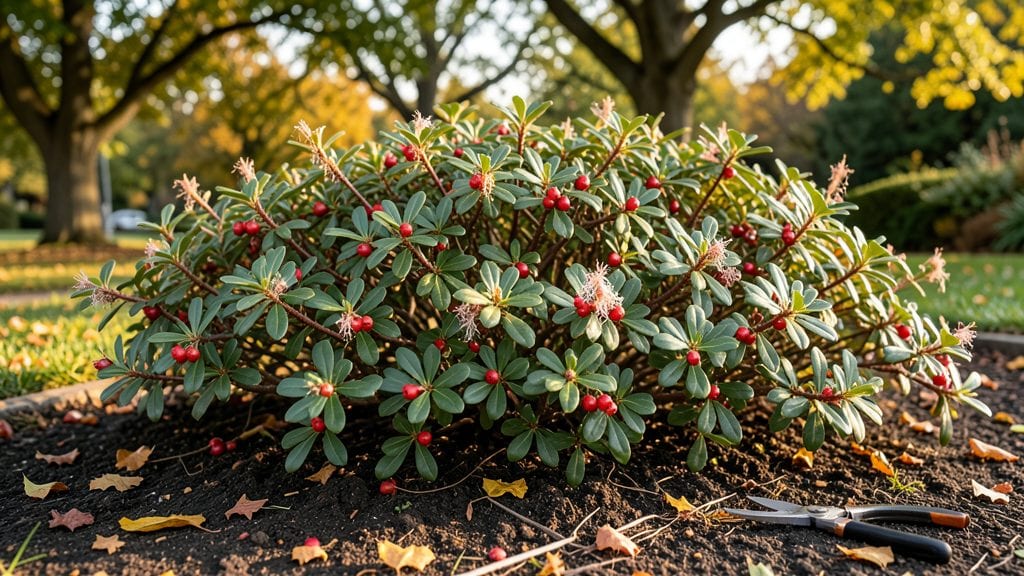
Pruning the crab tree transforms it from a scraggly shrub into a showstopper that blooms from spring through winter in the Pacific Northwest. 🌿 I’ve watched my own crab tree go from a tangled mess to a four-season spectacle—white blossoms in spring, glossy foliage in summer, fiery red berries in fall, and even winter interest with its skeletal branches.
The secret isn’t complicated, but timing and technique make all the difference.
The key is pruning in late winter or early spring, just as buds swell but before new growth starts. You’ll need sharp pruners, a ladder (for taller trees), and about 30 minutes to shape it properly.
Crab trees respond well to open-center pruning, which encourages light to reach the center branches—this prevents dead wood and keeps blooms coming. For those with limited time, a quick cleanup in late summer also works to tidy up after the spring flush.
What you’ll end up with is a tree that looks like it belongs in a botanical garden, not your backyard. The blooms arrive earlier and last longer, the branches hold their shape better, and you’ll notice fewer pests taking up residence in dense growth.
Even better? The berries that follow attract birds, turning your tree into a wildlife magnet. Once you master the basics, you can experiment with more aggressive shaping for a truly unique look.
This works for both Malus (true crabapples) and Cotoneaster varieties, though the pruning intensity varies slightly. In the PNW’s wet climate, watch for fungal issues—pruning with clean tools and avoiding wet wood helps prevent problems.
For advanced gardeners, consider espalier training to create a living art piece against a fence or wall. Let’s get those branches in shape!
📚 In This Guide
- What you need
- Instructions
- Tips and common mistakes
- Wrapping up and next steps
What you need
- ● Pruning shears: Bypass pruners (for cuts up to ¾ inch in diameter). Look for sharp, stainless-steel blades (e.g., Felco F-2 or Corona Tools).
- ● Loppers: 1 pair (for branches 1–2 inches thick). Choose ratcheting loppers for extra leverage.
- ● Pruning saw: 1 curved-tooth saw (for branches 2+ inches thick). Example: Fiskars X7.
- ● Ladder: Extendable aluminum ladder (16–24 ft, depending on tree height). Prioritize safety—non-slip feet and a stabilizer!
- ● Disposable gloves: 1–2 pairs (nitrile or leather for grip and protection).
- ● Rubbing alcohol (70%+) or bleach solution: 1 small bottle (to sterilize tools between cuts).
- ● Heavy-duty trash bags: 2–3 (for debris removal).
- ○ Tree wound sealant (optional): 1 tube (e.g., Tanglefoot Tree Wound Pruning Sealer). Use sparingly—PNW’s rainy climate often heals cuts naturally!
- ● Weather check: Prune on a dry, overcast day (avoid windy or rainy conditions).
- ● Safety gear: Safety glasses (1 pair) and ear protection (if using a chainsaw for large branches).
- ● Tree health assessment: Inspect the tree for signs of disease (e.g., black spots on leaves, oozing sap). If severe, consult a local arborist!
- ● Local regulations: Check if your area requires permits for tree removal or major pruning.
- ○ Helping hands (optional): A friend to stabilize the ladder or hold branches.
- ● ✨ Timing is key: Late winter (Feb–March) is ideal for structural pruning, but you can shape blooms after they fade (May–June).
- ● 🌡️ Watch for fungal risks: Avoid pruning when the tree is wet—PNW’s humidity loves to spread disease.
- ● 🎯 Mark your cuts: Use chalk or tape to outline branch collars before cutting to guide clean removals.
Step-by-step crab tree pruning for Pacific Northwest blooms
Here's the method I've used for years to keep crab trees flowering beautifully through PNW winters.
✂️ Step 1: Prune in Late Winter Before Bud Break
Timing is everything with crab trees—wait until late February or early March when the weather is still cold but buds haven't swollen yet. This prevents bleeding sap and gives you a clear view of the tree's structure. I always prune on a dry day to avoid spreading disease through wet tools.
Start by removing any dead, diseased, or crossing branches first. These are easy to spot—they'll be brown, brittle, or growing inward toward the center. Use sharp bypass pruners to make clean cuts just outside the branch collar where it meets the trunk. This ensures proper healing and prevents unsightly stubs.
🌿 Step 2: Thin the Canopy for Better Airflow
Crab trees need good airflow to prevent fungal diseases common in the Pacific Northwest's damp climate. Look for branches that are too dense or rubbing against each other. Remove about 20-25% of the total canopy by selectively thinning from the inside out—this opens up the tree and lets light reach all branches.
Focus on removing branches that are growing straight up or downward, as these create a weak structure. You'll see stronger, more horizontal branches that naturally form a rounded shape. Never remove more than one-quarter of the canopy in a single year—this keeps the tree healthy and encourages vigorous blooming.
☀️ Step 3: Shape for Maximum Bloom Exposure
Crab trees bloom on both old and new wood, so you can shape them more aggressively than fruit trees. Step back and visualize the tree as an open vase—wider at the bottom and narrower at the top. Remove any branches growing inward or downward that block light from reaching the center.
I like to keep the lower branches slightly longer to create a dramatic, layered effect. This also makes the tree more interesting when viewed from different angles. Use hand pruners for branches up to ½ inch thick and a pruning saw for anything larger. Always make cuts at a slight angle just outside the branch collar.
⏰ Step 4: Clean Up and Monitor Through the Year
After pruning, clean your tools with rubbing alcohol to prevent the spread of disease. Remove all pruned branches from the area to reduce potential fungal growth. In the Pacific Northwest, crab trees often bloom in early spring, so you'll see new flowers forming within a few weeks of your pruning.
Throughout the year, keep an eye out for any new branches that grow inward or cross over others. These should be removed in late winter of the next year. Also watch for signs of disease like black spots on leaves—this is common in our climate and can often be prevented with proper pruning and airflow.
Tips & tricks for perfect crab tree pruning
Here's how to make your crab tree pruning session even more effective—especially in the Pacific Northwest's unique climate.
Timing is Everything: The late February to early March window is critical for PNW crab trees. If you're unsure about bud break timing, check the weather forecast for the first warm spell after a cold snap. I've learned this the hard way—pruning too early can stimulate growth that gets damaged by late frosts, while pruning too late risks removing flower buds. Look for swollen buds that haven't yet opened.
Tool Preparation: Clean your pruning tools with rubbing alcohol before you start—this prevents spreading any fungal spores that might be lingering from last year's pruning. I keep a small bottle of 70% isopropyl alcohol in my tool kit specifically for this purpose. Also, make sure your bypass pruners are sharp enough to cut cleanly through branches without crushing them. Dull tools cause unnecessary damage to the tree.
Visualizing the Tree: Step back and really look at your tree's structure before making any cuts. Imagine it as an open vase shape—this helps you visualize which branches to remove for better airflow and light penetration. I like to sketch a rough outline on paper first. Remember, you're aiming for that 20-25% canopy reduction, so be selective about which branches you remove. The goal is to maintain the tree's natural shape while improving its health.
Seasonal Monitoring: After your initial pruning, keep an eye on your tree throughout the year. In the Pacific Northwest's damp climate, watch for signs of disease like black spots on leaves or unusual growth patterns. I've found that regular monitoring catches potential issues early, before they become major problems. Make a note of any branches that grow inward or cross over others—they'll need attention during next year's pruning season.
Pro Tips for The Crab Tree
- Here's how to make your crab tree pruning session even more effective—especially in the Pacific Northwest's unique climate.
- Timing is Everything: The late February to early March window is critical for PNW crab trees.
- Tool Preparation: Clean your pruning tools with rubbing alcohol before you start—this prevents spreading any fungal spores that might be lingering from last year's pruning.
Frequently asked questions
Got questions about pruning your crab tree for year-round blooms in the Pacific Northwest?
You’re not alone! Here are the most common queries—and straightforward answers—to help you master the process like a pro.
When is the best time to prune a crab tree in the PNW?
The ideal window is late winter to early spring (February–March), before buds swell. This timing minimizes stress and encourages vibrant blooms. Avoid pruning in fall or winter, as cold stress can harm the tree. Pro tip: If you must prune outside this window, late summer (after flowering) is the next best option—but expect fewer blooms the following year.
How much can I trim off without harming the tree?
For healthy crab trees, never remove more than 25% of the canopy in a single session. Over-pruning weakens the tree and reduces flowering. Focus on shaping, deadwood removal, and thinning crowded branches to improve airflow. If your tree is overgrown, spread pruning over 2–3 years for gradual recovery.
What if it rains during or after pruning?
Rain isn’t a dealbreaker, but prune on a dry day to avoid muddy conditions and fungal risks. If rain hits after pruning, monitor for signs of stress (wilting, discolored leaves). Seal larger cuts (over ½ inch) with pruning sealant if your area has high humidity or fungal diseases common in the PNW. A light watering post-prune helps the tree recover faster.
Will pruning reduce next year’s flowers?
Pruning correctly won’t kill blooms—in fact, it enhances them by improving light and air circulation! However, heavy pruning in late summer or fall can delay or reduce flowering. To maximize blooms, prune in late winter and avoid cutting back flowering wood (those small, knobby buds). Think of it like a haircut: less is more for long-term beauty!
Are there alternatives if my crab tree won’t bloom?
If your tree is non-responsive to pruning, check these fixes:
- Location: Ensure it gets 6+ hours of sunlight daily (PNW shade can stunt blooms).
- Soil: Test for poor drainage or compacted soil—amend with compost if needed.
- Age/Health: Young trees (<5 years) or stressed trees may bloom less. Fertilize with low-nitrogen, high-phosphorus in early spring.
- Variety: Some crab apple cultivars (like ‘Dolgo’) bloom heavily—consider grafting or replacing if your tree is a dud.
For stubborn cases, consult a local PNW arborist to rule out pests or disease.
Wrapping up and next steps
Pruning your crab tree in the Pacific Northwest isn’t just about aesthetics—it’s a year-round commitment to health, beauty, and longevity. 🌿 By following seasonal guidelines, you’ll unlock vibrant blooms, stronger branches, and a tree that thrives in your unique climate.
Whether you’re a seasoned gardener or just starting, every trim brings you closer to a stunning, resilient crab tree.
Ready to take action? Grab your tools, mark your calendar, and start pruning today! Your tree—and your landscape—will thank you for years to come. 🌸