
Pruning
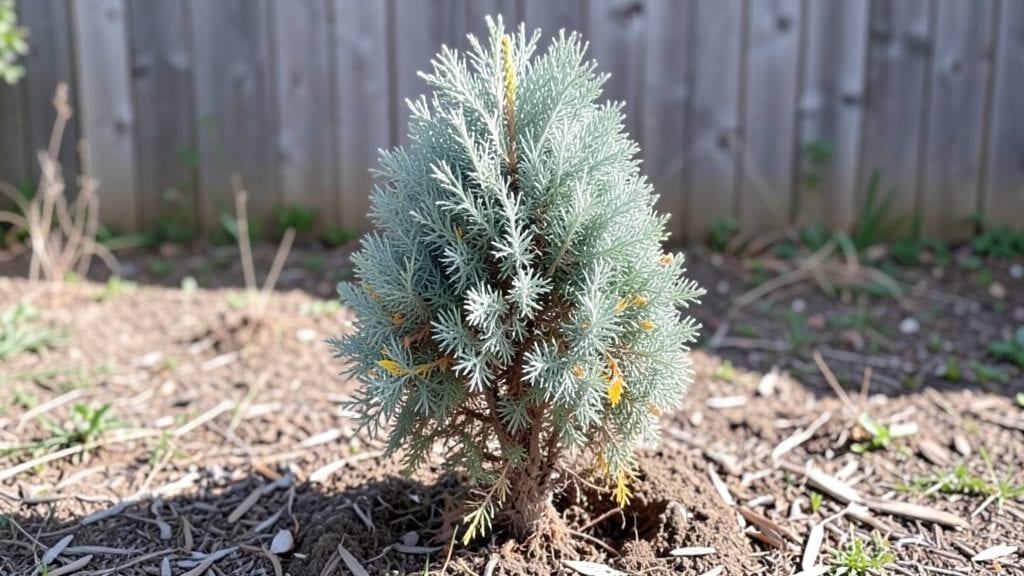
Caring for a young cypress tree in the Pacific Northwest means giving it the right start to handle our damp winters and mild summers. I’ve learned the hard way that these trees need well-draining soil and shelter from harsh winds to thrive—especially in their first few years.
The key is balancing moisture without drowning the roots, and that’s where most new gardeners stumble. A single misstep in watering can set back growth for months, but once you get it right, you’ll see steady, sturdy growth that outlasts our unpredictable frosts.
You’ll need a spot with partial sun—at least 4-6 hours of morning light—and soil that drains fast but holds enough moisture to keep roots happy. A 5-gallon container works for the first year if you’re unsure about permanent placement, and mulch helps regulate temperature swings.
The biggest challenge? Keeping the soil consistently moist without waterlogging, which can rot tender roots. I’ve found that drip irrigation or a soaker hose makes this easier than guessing with a watering can.
By the end of the first growing season, your cypress should stand 2-3 feet tall with a strong trunk, ready to handle our region’s damp winters. Prune only to shape or remove dead branches—never more than 20% of the foliage at once.
The payoff? A tree that grows 1-2 feet per year and develops natural frost resistance over time. With the right care, you’ll have a low-maintenance evergreen that outshines many nursery plants.
This approach works for both Leyland cypress and Arizona cypress varieties, though the latter handles heat better if you’re in the warmer parts of the PNW. The same principles apply whether you’re planting in a backyard, container, or even a large planter.
Let’s get that young tree off to the best possible start—it’ll thank you for years to come.
📚 In This Guide
- What you need
- Instructions
- Tips and common mistakes
- Wrapping up and next steps
What you need
- ● Young cypress tree (Cupressus spp.): Choose a 1–3-year-old sapling (3–6 ft tall) from a nursery certified for PNW hardiness. Look for frost-resistant varieties like Cupressus macrocarpa or Chamaecyparis lawsoniana.
- ● Well-draining soil mix (50 lbs): 60% native PNW soil (sandy loam preferred)
- ● 30% compost (aged, organic)
- ● 10% perlite or pumice (for aeration)
- ● Organic mulch (2–3 cubic feet): Pine bark fines or cedar chips (retains moisture, resists fungal growth)
- ● Avoid fresh wood chips (can deplete nitrogen).
- ● Slow-release fertilizer (10–10–10 or 14–14–14, 1 lb)
- ● Pruning tools: Bypass pruners (sharp, clean, for cuts <1" thick)
- ● Loppers (for thicker branches, 2–3 ft reach)
- ● Hand saw (for stubborn growth, 10–12" blade)
- ● Protective gear: Gloves (gardening-grade, cut-resistant)
- ● Safety goggles (for debris)
- ● Frost cloth (3x4 ft, breathable for young trees in late fall)
- ● Tree collar guard (to prevent voles or deer from gnawing bark)
- ● Soil moisture meter (to monitor PNW’s unpredictable rains)
- ● Anti-desiccant spray (for dry winter winds, like Wilt-Pruf)
Step-by-Step instructions for planting and caring for young cypress trees
Here's the straightforward method I've used successfully across the Pacific Northwest's varied climates.
Select the Right Location and Prepare the Soil
Cypress trees thrive in well-draining soil with a slightly acidic to neutral pH (around 6.0-7.0). In the Pacific Northwest, where soil can be dense and clay-heavy, I always amend the planting hole with 2-3 inches of organic matter—like compost or peat moss—to improve drainage and aeration. Dig a hole twice as wide as the root ball but only as deep as the container the tree came in.
Place the tree in the hole so the top of the root ball sits 1-2 inches above ground level. This prevents water from pooling around the base and causing root rot, which is especially critical in our region's damp winters. Tap the soil gently around the roots to eliminate air pockets, then water deeply to settle everything.
Plant and Stake for Stability
Use two stakes positioned opposite each other about 6 inches from the tree trunk and drive them 12-18 inches deep into the soil. Attach the tree to the stakes with soft plant ties—never wire or anything that can cut into the bark. The goal is to keep the tree upright while allowing some natural movement to strengthen its trunk.
Water the tree immediately after planting with 5-10 gallons of water, depending on the size of the root ball. This ensures the soil settles around the roots and eliminates air gaps. In the Pacific Northwest, where rainfall is abundant but soil can still dry out in summer, I always add 2-3 inches of mulch around the base, keeping it 6 inches away from the trunk to prevent rot.
Provide Consistent Watering and Light
Young cypress trees need deep watering once a week during the first growing season, especially if we're in a dry spell. You'll know it's time to water when the top 2-3 inches of soil feel dry to the touch. Overwatering is a common mistake—cypress trees hate soggy roots, so always ensure the soil drains well.
Cypress trees love full sun to partial shade, making them perfect for the Pacific Northwest's mix of sunny and overcast days. If planting in a shadier spot, choose a variegated or golden cypress variety, as they tolerate lower light better. Watch for yellowing needles—this usually means too much water or poor drainage, while brown tips often signal underwatering or dry air.
Fertilize and Prune for Healthy Growth
Apply a slow-release, balanced fertilizer (like 10-10-10) in early spring after new growth begins. Follow the package instructions, but I usually cut the recommended dose in half for young trees—too much fertilizer can burn delicate roots. In the Pacific Northwest, where soil nutrients can be low, this gives your cypress a gentle boost without stressing it.
Prune only to remove dead, diseased, or crossing branches—cypress trees don’t need heavy pruning. Use clean, sharp pruners and make cuts just outside a branch collar to promote fast healing. Avoid pruning in late summer or fall, as new growth won’t harden off before winter, making it vulnerable to frost damage.
Protect from Frost and Winter Conditions
Young cypress trees are more sensitive to frost than mature ones, so I always water deeply before the first hard freeze to help the roots withstand cold temperatures. In the Pacific Northwest, where frost can linger into spring, I also cover the tree with burlap if temperatures drop below 20°F—just make sure to remove the cover once temperatures rise above freezing to avoid trapping moisture.
Once established (after 2-3 years), cypress trees handle frost like a champ. But in their first winter, keep an eye out for brown needles or wilting branches—these are signs the tree is struggling with cold. If you see this, water again and add a thick layer of mulch around the base for extra insulation.
Tips & tricks for perfect young cypress tree planting
These little details make all the difference when planting cypress trees in the Pacific Northwest's challenging climate.
Soil Preparation Secret: In Step 1, when amending the planting hole with 2-3 inches of organic matter, I always mix in a handful of perlite or coarse sand to further improve drainage. Our region's clay-heavy soil can compact easily, and this extra step prevents waterlogging that leads to root rot. The goal is to create a soil mix that mimics the tree's natural bog-like habitat while ensuring proper drainage.
Staking Strategy: For Step 2, I recommend using flexible plastic stakes instead of rigid metal ones—they won't damage the tree as it grows. When attaching the tree, leave just enough slack in the ties to allow for natural movement. This flexibility helps strengthen the trunk over time while preventing the stakes from cutting into the bark as the tree grows.
Watering Wisdom: The once-weekly deep watering in Step 3 requires a specific technique. Use a garden hose with a slow watering nozzle to apply water directly to the root zone, not the foliage. This targeted approach prevents fungal diseases that thrive in our damp climate. I also water in the morning so any moisture on the needles can evaporate during the day.
Frost Protection: When covering your young tree with burlap at temperatures below 20°F in Step 5, I've found that wrapping the burlap loosely around the tree—rather than tightly—allows for better air circulation. This prevents moisture buildup that can lead to mold or frost damage. Make sure to secure the burlap at the bottom with rocks or stakes to keep it from blowing away during winter storms.
Pro Tips for Young Cypress Tree
- These little details make all the difference when planting cypress trees in the Pacific Northwest's challenging climate.
- Soil Preparation Secret: In Step 1, when amending the planting hole with 2-3 inches of organic matter, I always mix in a handful of perlite or coarse sand to further improve drainage.
- Staking Strategy: For Step 2, I recommend using flexible plastic stakes instead of rigid metal ones—they won't damage the tree as it grows.
Frequently asked questions
Got questions about nurturing your young cypress tree in the Pacific Northwest?
Here are answers to the most common concerns—from frost resilience to pruning hacks—so you can keep your evergreen thriving!
How cold can a young cypress tree handle before frost damage?
A young cypress tree (like Cupressus or Chamaecyparis) typically tolerates temperatures down to 10–15°F (-12 to -9°C), but newly planted saplings may need extra protection. Mulch heavily around the base and wrap the trunk in burlap if hard frosts (<10°F) are forecasted. Pro tip: Water deeply before winter to reduce frost stress!
When is the best time to prune a young cypress tree?
Prune your young cypress late winter or early spring (February–March) to avoid stressing the tree before winter dormancy. Avoid heavy pruning in fall—it can stimulate tender new growth that won’t survive frost. Focus on: Removing dead branches, shaping for airflow, and thinning dense areas to prevent disease.
Can I use hedge trimmers on a young cypress tree?
For small, young cypress trees (under 5 feet), hedge trimmers work fine for shaping. However, avoid aggressive shearing—it can damage growth points. For larger branches or thicker stems, use hand pruners or loppers for cleaner cuts. Warning: Never prune more than 25% of the foliage in one session!
What’s a good alternative if my young cypress isn’t thriving?
If your cypress struggles with frost, poor soil, or pests, consider these PNW-friendly alternatives:
- Leyland Cypress hybrid (faster-growing, cold-hardy)
- Alaska Cedar (Chamaecyparis nootkatensis) (native, drought-tolerant)
- Port Orford Cedar (resistant to root rot and deer)
Why are my young cypress tree’s needles turning brown?
Brown needles on young cypress trees usually signal one of three issues:
- Frost burn (crispy edges after cold snaps)
- Overwatering (yellow-brown needles + mushy soil)
- Spider mites or aphids (sticky residue or webbing)
Wrapping up and next steps
Growing a young cypress tree in the Pacific Northwest’s frosty climate is totally doable with the right care—especially when it comes to pruning!
By mastering when, how, and why to trim, you’ll encourage strong growth, dense foliage, and resilience against winter chills. 🌲❄️ Remember, patience and precision pay off: start small, sharpen your tools, and always prioritize the tree’s health over perfection.
Ready to take the next step? Pick a sunny day to assess your tree’s needs, grab your pruners, and give it the TLC it deserves. Your future shady oasis starts with just one cut!