
Pruning
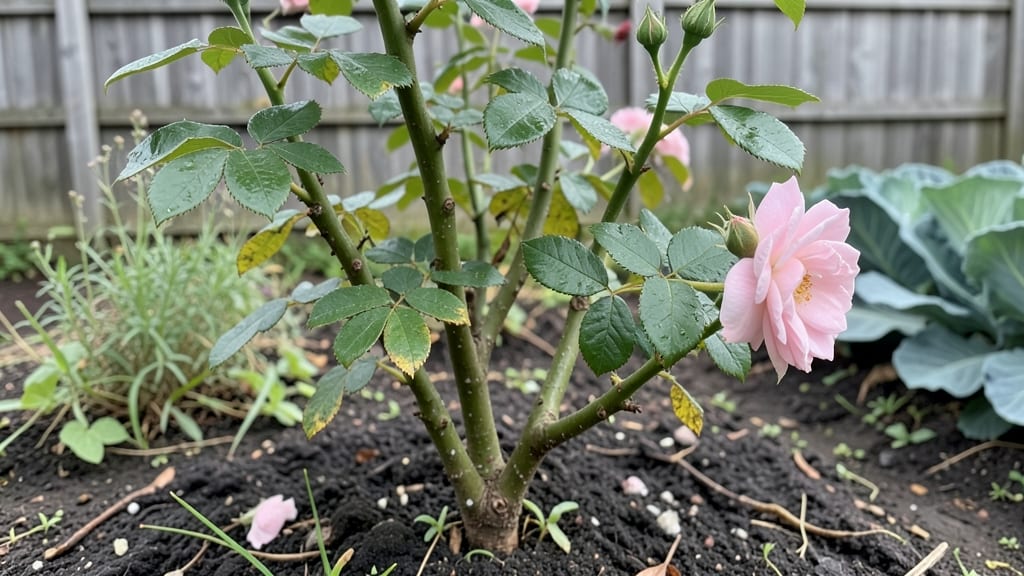
Growing an English rose tree in the Pacific Northwest means year-round beauty with less fuss than you'd expect. 🌿 These roses thrive in our misty climate, offering lush blooms from spring through fall—and even some winter interest with their sturdy canes.
I've learned the secret isn't constant pruning or coddling; it's matching their natural rhythm to our region's damp, mild winters and long summers.
The key starts with soil—rich, well-draining, and slightly acidic (think compost-amended native soil). Most PNW gardens already have the moisture these roses love, but they hate soggy roots. A 3-foot-deep hole filled with a mix of garden soil and compost gives them the perfect start.
Sunlight needs are straightforward: at least 6 hours of direct sun daily, though they tolerate partial shade better than many roses.
What you'll end up with is a rose tree that blooms prolifically with minimal deadheading, resists many common rose diseases, and handles our rainy winters like a champ. The fragrance alone—sweet, old-fashioned, and intoxicating—makes it worth the effort.
Pruning becomes a breeze once you understand their growth habits, and you'll spend more time admiring the flowers than fussing over the plant.
Whether you choose a climbing variety for an arbor or a bush type for a foundation planting, English roses adapt beautifully to PNW gardens. The best part?
They reward patience with months of blooms, fewer pests than hybrid teas, and that classic rose charm without the high-maintenance reputation. Let's get yours growing strong!
📚 In This Guide
- What you need
- Instructions
- Tips and common mistakes
- Wrapping up and next steps
What you need
- ● English Rose Tree: Choose a Rosa 'English Rose' cultivar (e.g., 'David Austin' roses) or a grafted hybrid like 'New Dawn'—hardy in USDA Zones 5-9.
- ● Well-draining soil: Mix 1 part compost with 2 parts native soil (or potting mix for container gardening). Aim for a pH of 6.0-6.5.
- ● Organic mulch: 3-4 inches of shredded bark, wood chips, or pine needles to retain moisture and regulate temperature.
- ● Slow-release fertilizer: 10-10-10 NPK ratio (apply 2-3 times per year, spring through early summer).
- ● Watering can or hose with a gentle spray nozzle: 1-2 gallons per watering (deep soak, not surface sprinkle).
- ● Pruning shears: Bypass pruners (sharp, 5-7 inch blade) for clean cuts.
- ● Loppers: For thicker branches (up to 1.5 inches in diameter).
- ● Garden gloves: Heavy-duty, cut-resistant (roses have thorns!).
- ● Disinfectant (rubbing alcohol or 10% bleach solution): Clean tools between cuts to prevent disease.
- ○ Staking system (optional but helpful): 3-4 bamboo stakes + soft ties for young or leggy growth.
- ● Rose tonic: Fish emulsion or seaweed extract for a monthly boost during growing season.
- ● Drip irrigation kit: Automates watering and saves time (especially useful in PNW’s rainy summers).
- ● Fungicide (copper-based): Preemptive treatment if your area has high humidity or fungal risks.
- ● Container (if not planting in-ground): At least 15-gallon pot with drainage holes for potted English roses.
Step-by-step guide to planting and caring for an English rose tree
Here's how to grow a stunning, low-maintenance English rose tree that thrives in the Pacific Northwest's climate.
🌱 Step 1: Choose and Prepare the Planting Site
Select a location with at least 6 hours of direct sunlight daily. English roses love morning sun and afternoon shade, especially in hotter summer months. In the Pacific Northwest, a spot near your home's south or west side works beautifully, as it benefits from reflected warmth while avoiding harsh afternoon rays.
Dig a hole twice as wide as the root ball but only as deep—this prevents the graft union from being buried too deep, which can cause disease. Mix the excavated soil with 2-3 inches of compost to improve drainage and nutrient content. The goal is loose, airy soil that won't compact around the roots.
⏰ Step 2: Plant at the Right Time and With Proper Technique
Plant your English rose tree in early spring or early fall, when temperatures are mild and the ground isn't frozen. In the Pacific Northwest, aim for March-April or September-October. Remove the rose from its container and gently loosen any circling roots with your fingers—this encourages outward growth rather than a tangled root ball.
Place the rose in the hole so the graft union (the bump near the base of the plant) sits 1-2 inches above soil level. This protects it from potential rot and ensures strong growth. Backfill with the amended soil, pressing lightly to remove air pockets, but don't compact it. Water deeply to settle the soil around the roots, and you'll see the soil surface sink slightly—this is normal and indicates good root contact.
💧 Step 3: Water and Mulch for Year-Round Health
Water your rose tree deeply once a week during the first growing season, providing 1-2 gallons per watering depending on the tree's size. In the Pacific Northwest's mild climate, you'll need less frequent watering once established, but always check the soil—water when the top 2-3 inches feel dry. Avoid overhead watering, which can spread disease; instead, water at the base with a soaker hose or drip irrigation.
Apply a 3-inch layer of organic mulch (like bark or wood chips) around the base, keeping it 6 inches away from the trunk to prevent rot. Mulch helps retain moisture, regulate soil temperature, and suppress weeds. Replenish the mulch layer annually to maintain its effectiveness throughout the year.
☀️ Step 4: Prune for Shape and Seasonal Care
Prune your English rose tree in late winter or early spring, just before new growth begins. Remove any dead, diseased, or crossing branches first, cutting back to a healthy bud or outward-facing growth. Then, shape the tree by cutting back 1/3 of the previous year's growth to encourage bushier, fuller blooms. Always use clean, sharp pruners to make cuts at a 45-degree angle just above a leaf node.
In the Pacific Northwest, protect your rose tree from heavy winter rains by applying a 4-6 inch layer of mulch around the base in late fall. This helps insulate the roots and prevents temperature fluctuations. Fertilize lightly in early spring with a balanced rose fertilizer (10-10-10) to support new growth, but avoid heavy feeding in fall, as it encourages tender growth that won't survive winter.
✂️ Step 5: Deadhead and Maintain Year-Round
Deadhead spent blooms regularly throughout the growing season to encourage more flowers and prevent seed formation. Simply snip off the faded bloom along with the stem just above a set of healthy leaves. This keeps the tree looking tidy and promotes continuous blooming. In the Pacific Northwest, you can enjoy roses from late spring through fall, with some varieties even blooming lightly in winter if protected.
Monitor your rose tree for pests like aphids or spider mites, which can be a problem in the Pacific Northwest's humid summers. Treat infestations early with insecticidal soap or neem oil, and keep the area around the tree clear of debris to reduce hiding spots for pests. With proper care, your English rose tree will reward you with fragrant blooms and lush foliage year after year.
Tips & tricks for perfect English rose tree care
A few simple tricks will help your Pacific Northwest English rose tree thrive with minimal fuss.
Sunlight Secret: That required 6 hours of sunlight can be tricky in cloudy Pacific Northwest days. If you notice pale leaves or sparse blooms, move your tree to a sunnier spot—even just a few feet can make a difference. South-facing windows or locations against light-colored walls reflect more sunlight, giving your rose an extra boost. I've seen roses in similar climates thrive with morning sun and afternoon shade, which helps prevent heat stress during our occasional summer heatwaves.
Root Ball Rescue: When loosening those circling roots in Step 2, don't be afraid to be gentle but thorough. I've seen gardeners skip this step, and within a year, the tangled roots strangle the plant's growth. Use your fingers to carefully separate the roots—this encourages outward growth rather than a compacted root ball. After planting, give it a firm but gentle press around the edges to eliminate air pockets without compacting the soil.
Watering Wisdom: The once-a-week deep watering rule works great, but in our region's unpredictable weather, I check the soil first. Stick your finger 2-3 inches down—if it feels dry, water. The Pacific Northwest's humidity means you might only need watering every 10 days once established, but don't guess. Overwatering is just as damaging as underwatering, especially with our winter rains. A soaker hose is my go-to because it delivers water right to the roots without wetting the foliage, which helps prevent fungal diseases common in our damp climate.
Pruning Pro Tip: When you're cutting back that 1/3 of last year's growth in Step 4, look for the outward-facing buds when making your cuts. These buds will grow away from the center, creating a more open, airy structure that prevents disease. I also recommend sterilizing your pruners with rubbing alcohol between cuts—this prevents spreading any potential infections between branches. In our rainy winters, clean tools are especially important for keeping your rose healthy.
Pro Tips for English Rose Tree
- A few simple tricks will help your Pacific Northwest English rose tree thrive with minimal fuss.
- Sunlight Secret: That required 6 hours of sunlight can be tricky in cloudy Pacific Northwest days.
- Root Ball Rescue: When loosening those circling roots in Step 2, don't be afraid to be gentle but thorough.
Frequently asked questions
How often should I prune an English Rose Tree in the PNW’s mild climate?
Prune your English Rose Tree twice a year: once in late winter or early spring (before new growth starts) to shape the tree and remove dead wood, and again in mid-summer (after flowering) to encourage a second bloom. The PNW’s wet winters mean pruning too early can invite disease, so wait until after the first frost threat has passed. Check our pruning guide for step-by-step tips!
Do English Rose Trees need winter protection in the Pacific Northwest?
Most English Rose Trees are hardy, but the PNW’s damp winters can stress them. Mulch heavily (3–4 inches of shredded bark or wood chips) around the base to insulate roots, and wrap the trunk in burlap or rose cones if your variety isn’t cold-hardy (Zone 5 or below). Avoid heavy snow buildup on branches—gently brush it off to prevent breakage. Pro tip: Prune out any canes that look frost-damaged in early spring.
Can I grow an English Rose Tree in a container, or does it need to be planted in the ground?
While English Rose Trees thrive in the ground, you can grow them in large containers (minimum 20-gallon pots) if you live in an urban area or have limited space. Use a well-draining potting mix with added compost, and ensure the pot has drainage holes. Move containers to a sheltered spot in winter (like a garage or against a south-facing wall) to protect roots from freezing. Note: Container-grown roses may need more frequent watering and fertilizer.
What pests or diseases should I watch for with English Rose Trees in the PNW?
The PNW’s humidity can attract aphids, spider mites, and black spot fungus. Prevent issues by:
- Watering at the base (avoid wetting foliage to reduce fungal spores).
- Pruning for airflow (remove crowded canes).
- Using neem oil or insecticidal soap for pests.
- Cleaning up fallen leaves in autumn to prevent overwintering diseases.
Why isn’t my English Rose Tree blooming as much as I expected?
Less blooming often stems from over-pruning, poor nutrition, or lack of sunlight. Double-check these:
- Sunlight: English Roses need 6+ hours of sun daily—if yours is shaded, consider relocating.
- Fertilizer: Feed in early spring and mid-summer with a balanced rose fertilizer (10-10-10 or similar).
- Pruning balance: Avoid cutting back too aggressively—leave 3–5 strong canes to support blooms.
- Watering: Deep water 1–2 times per week (more in summer heat).
Wrapping up and next steps
Transforming your Pacific Northwest garden into a fragrant, ever-blooming sanctuary with an English rose tree is simpler than you think! 🌸 With the right tools, timing, and techniques—like strategic pruning in late winter or early spring—you’ll enjoy lush growth and stunning blooms year-round.
Remember, consistency is key, but don’t let maintenance intimidate you; even light trims keep your rose thriving.
Ready to level up your green thumb? Start by grabbing your pruners and sketching a quick pruning plan—your rose tree (and future garden guests) will thank you! For extra inspiration, explore local PNW rose societies or share your progress with fellow plant lovers online. Happy gardening! 🌿✨