
Pruning
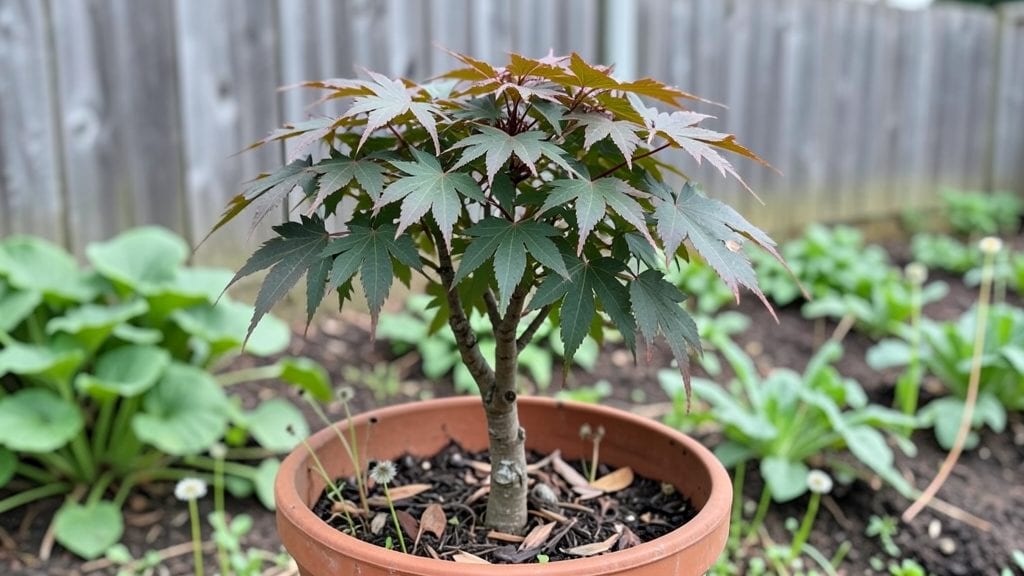
Transforming your Pacific Northwest garden with a dwarf maple tree starts with understanding its quiet charm. This frost-resistant beauty thrives year-round, offering velvety spring foliage, fiery autumn hues, and delicate winter branches that catch the light.
My first one arrived as a bare-root sapling—now it anchors my front yard, its compact size perfect for small spaces.
You’ll love how versatile it is: plant it as a standalone specimen, pair it with hostas for shade, or tuck it into containers for patios. The key is positioning it where its colors shift with the seasons will be the star of the show.
Pruning is minimal—just a few cuts each year to maintain its shape and encourage new growth.
Imagine crisp fall mornings when your yard glows with crimson leaves, or winter evenings when its silhouette stands out against the rain. This tree needs little beyond regular watering and occasional mulching, making it the low-maintenance star of any PNW landscape. Ready to add that perfect touch?
Whether you’re designing a cozy cottage garden or a modern urban space, a dwarf maple fits seamlessly. Its slow growth means decades of beauty with minimal effort—just pick your spot, plant, and let nature do the rest.
The best part? It grows happy in full sun or partial shade, adapting to almost any corner of your yard.
📚 In This Guide
- What you need
- Instructions
- Tips and common mistakes
- Wrapping up and next steps
What you need
- ● Pruning shears – Bypass pruners (sharp, 5-7 inch blades) for clean cuts on small branches.
- ● Loppers – Bypass or anvil style (8-12 inch blades) for thicker branches (½–1.5 inches in diameter).
- ● Pruning saw – Curved-tooth saw for branches thicker than 1.5 inches.
- ● Disinfectant – Rubbing alcohol (70%+) or household bleach (1:9 ratio with water) to sterilize tools between cuts.
- ○ Gloves – Heavy-duty, cut-resistant (optional but recommended for thorns or rough bark).
- ○ Pruning sealant – Optional but helpful for large cuts (e.g., tree wound paint or pruning paste to prevent disease).
- ● Bucket or bag – For collecting debris (a 5-gallon bucket or heavy-duty trash bag works well).
- ● Ladder or stool – Sturdy, non-slip (if your tree is over 6 feet tall).
- ● Hand lens – For inspecting buds or small details up close.
- ● Extension pole – Attaches to loppers for high branches (saves ladder use!).
- ● Sharpener – Pruner sharpening stone or file to keep blades in top condition.
- ● Marking spray – Non-toxic paint or chalk to tag branches for removal.
- ● Safety glasses – Protects eyes from debris (especially when using a saw).
Instructions for planting and caring for a dwarf maple tree
Here's how to give your Pacific Northwest dwarf maple the perfect start for vibrant color and resilience.
Choose the Right Location
Dwarf maples thrive in partial shade to full sun, but in the Pacific Northwest, morning sun and afternoon shade is ideal to prevent leaf scorch. Look for a spot with well-draining soil—these trees hate soggy roots. I always test drainage by digging a 12-inch hole and filling it with water; if it drains within an hour, the spot is perfect.
Consider your tree's mature size—most dwarf maples stay under 6 feet tall, so plant at least 3 feet away from structures to allow airflow. In windy PNW areas, position it where it won't get battered by coastal winds, which can stress young foliage.
Prepare the Planting Site
Dig a hole twice as wide as the root ball but only as deep as the container's height. Loosen the sides of the hole with a shovel to encourage root spread. I mix the native soil with 2 inches of compost at the bottom to improve fertility without overwhelming the tree.
Remove the tree from its container and gently tease apart any circling roots. Place it in the hole so the top of the root ball sits 1 inch above ground level—this prevents water from pooling around the trunk. Backfill with native soil, pressing lightly to eliminate air pockets.
Water Deeply and Mulch Properly
Water the tree immediately after planting with 1-2 gallons to settle the soil. Keep the soil consistently moist for the first 2-3 weeks, but never soggy. I use a drip irrigation system set to water 2-3 times per week during dry spells to maintain even moisture.
Apply 2-3 inches of mulch around the base, keeping it 3 inches away from the trunk to prevent rot. Use wood chips or bark mulch—they break down slowly and improve soil structure. Replenish mulch annually to maintain this protective layer.
Prune and Fertilize for Healthy Growth
Prune in late winter or early spring before new growth begins. Remove any dead, crossing, or weak branches using clean, sharp pruners. I make cuts just outside the branch collar to encourage faster healing. Avoid heavy pruning—dwarf maples respond best to light shaping rather than drastic cuts.
Fertilize in early spring with a balanced 10-10-10 fertilizer, applying ½ cup per year of tree age. Water thoroughly after fertilizing to help nutrients reach the roots. In the Pacific Northwest, where soil can be acidic, a light application of lime every 2-3 years keeps the pH in the ideal 6.0-7.0 range.
Protect and Maintain Year-Round
Dwarf maples are frost-resistant, but young trees benefit from light frost protection during unexpected cold snaps. Wrap the trunk with tree guard in winter to prevent rodent damage and reduce temperature fluctuations. I also remove any fallen leaves around the base in early spring to prevent fungal diseases.
Monitor for pests like aphids or spider mites, which can stress the tree. A strong spray of water usually removes them, but for persistent infestations, use neem oil as a natural treatment. With proper care, your dwarf maple will reward you with vibrant fall colors and lush green foliage for decades.
Tips & tricks for perfect dwarf maple tree planting and care
Here's what nobody tells you about getting your Pacific Northwest dwarf maple off to the best possible start—these little details make all the difference for long-term health and vibrant foliage.
Location Insight: In Step 1, when choosing your spot, pay extra attention to microclimates. The Pacific Northwest's coastal areas can have dramatically different conditions just a few yards apart. If your yard has a south-facing wall, that spot might get too much afternoon sun—dwarf maples will appreciate the afternoon shade there. I've seen trees in full sun thrive in inland areas, but coastal locations often need that afternoon shade protection.
Root Ball Prep: During Step 2, when preparing the planting site, don't overlook the importance of those circling roots. If you see them, gently tease them apart with your fingers—this prevents girdling as the tree matures. I've seen many gardeners skip this step and end up with trees that struggle to grow properly years later. Take the extra 2 minutes to give your tree's roots room to breathe and spread naturally.
Watering Wisdom: The 2-3 weeks of consistent moisture in Step 3 is critical, but don't assume your irrigation system is doing enough. Test your soil moisture by sticking your finger about 2 inches deep—it should feel damp, not wet. In our rainy climate, we often think we don't need to water, but those first few weeks after planting are when roots establish themselves. I've found that using a moisture meter (around $20) takes the guesswork out of this completely.
Pruning Precision: When you're pruning in Step 4, focus on the "branch collar" mentioned in the instructions. This is the swollen area where the branch meets the trunk, and it's crucial for proper healing. Make your cuts just outside this collar—never flush with it. I've made this mistake before and ended up with slow-healing wounds that took years to close properly. Sharp, clean pruners are a must; dull tools tear the bark and invite disease.
Pro Tips for Dwarf Maple Tree
- Here's what nobody tells you about getting your Pacific Northwest dwarf maple off to the best possible start—these little details make all the difference for long-term health and vibrant foliage.
- Location Insight: In Step 1, when choosing your spot, pay extra attention to microclimates.
- Root Ball Prep: During Step 2, when preparing the planting site, don't overlook the importance of those circling roots.
Frequently asked questions
Got questions about caring for your dwarf maple tree? You’re not alone! Here are some of the most common queries from gardeners in the Pacific Northwest—and how to tackle them.
How often should I prune a dwarf maple tree?
Prune your dwarf maple once a year, ideally in late winter or early spring (before new growth starts). Light trimming to shape or remove dead branches can be done anytime, but avoid heavy pruning in fall—it stresses the tree before winter. Use sharp, sterilized tools to prevent disease.
Can a dwarf maple survive harsh PNW winters?
Dwarf maples are hardy to USDA Zones 4-8, making them perfect for the PNW’s chilly, wet winters. Just plant them in well-draining soil and avoid waterlogged spots. Mulch around the base (but not touching the trunk) to insulate roots. Pro tip: Young trees may need winter protection (like burlap wraps) in their first few years.
What’s the best alternative if my dwarf maple isn’t thriving?
If your dwarf maple struggles with pests, disease, or slow growth, consider these PNW-friendly alternatives:
- Japanese maple (Acer palmatum): Similar foliage, slightly larger but adaptable.
- Korean maple (Acer pseudosieboldianum): Drought-tolerant with vibrant red leaves.
- Dwarf hinoki cypress (Chamaecyparis obtusa): Evergreen with a similar compact shape.
Why are my dwarf maple leaves turning yellow or spotted?
Yellow leaves often signal overwatering or poor drainage, while spots could mean fungal issues (like anthracnose) or aphids/mites. Fix it:
- Adjust watering—dwarf maples prefer moist but not soggy soil.
- Prune affected branches and treat with neem oil or fungicide.
- Inspect undersides of leaves for pests; blast off with water if mild.
How do I keep my dwarf maple from growing too large?
Dwarf maples stay small (6–10 feet tall), but regular pruning prevents overgrowth. Focus on:
- Trimming new shoots in spring to encourage bushiness.
- Removing crossing branches to improve airflow.
- Avoiding root pruning unless transplanting—it stresses the tree.
Wrapping up and next steps
Whether you're a seasoned gardener or just starting your green thumb journey, the dwarf maple tree is a fantastic choice for adding year-round charm to your Pacific Northwest landscape. Its frost-resistant nature and compact size make it low-maintenance yet stunning—perfect for small spaces or as a standout focal point. 🌿
Now that you’re equipped with pruning tips and answers to common questions, roll up your sleeves and give your dwarf maple the care it deserves. Start with a gentle trim this season, and watch it thrive for years to come!