
Container Gardens
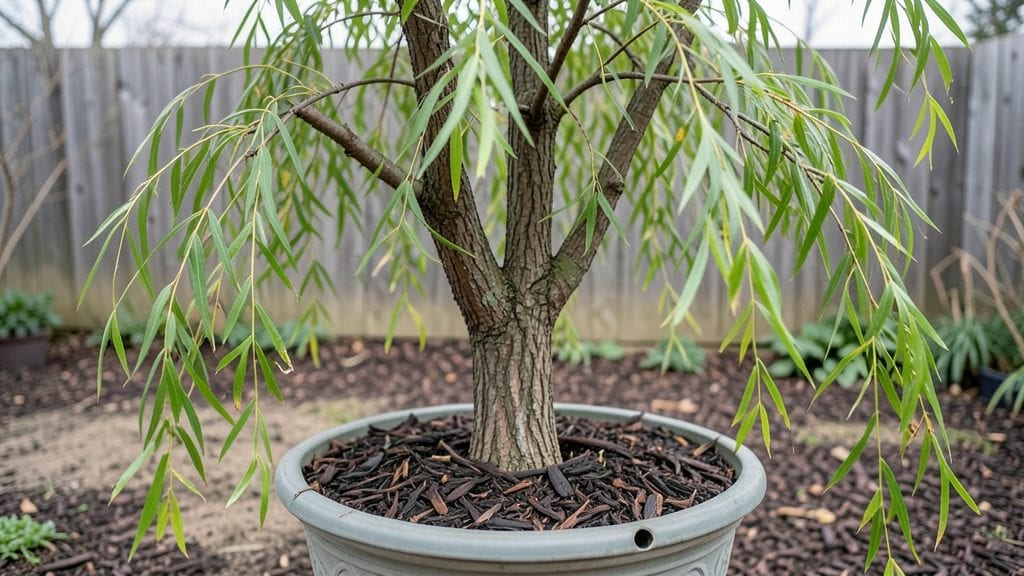
Growing a willow tree in a pot is like having a Pacific Northwest masterpiece on your patio—frost-resistant, graceful, and surprisingly low-maintenance. 🌿 I’ve watched mine weathered through winter storms while neighbors’ delicate containers cracked, its silvery branches swaying even in a 5-gallon pot.
The key isn’t just the right pot or soil—it’s understanding how willows adapt to confinement without sacrificing their iconic elegance.
You’ll need a deep container (at least 18 inches tall) with drainage holes to prevent root rot, and a well-draining mix of potting soil and perlite. Dwarf varieties like Salix caprea ‘Pendula’ stay manageable, but even standard willows can thrive in pots if pruned aggressively.
Watering is the real secret: keep the soil consistently moist but never soggy—willows hate dry roots but can’t survive in standing water.
What you’ll end up with is a tree that stays compact yet lush, its branches arching like a natural fountain. Prune in late winter to shape it and remove any leggy growth, and you’ll avoid the "root-bound panic" many container gardeners face.
The best part? This tree handles our rainy winters and hot summers with equal grace—no fuss, no drama, just quiet beauty.
Perfect for patios, balconies, or even large windowsills (yes, really). Just be ready to upgrade pots every few years as roots grow. Here’s how to keep it thriving without the headaches of traditional willow care.
📚 In This Guide
- What you need
- Instructions
- Tips and common mistakes
- Wrapping up and next steps
What you need
- ● Container: A large, sturdy pot (18–24" diameter) with drainage holes. Pro tip: Terracotta or ceramic pots help regulate moisture.
- ● Well-draining potting mix: 3–5 gallons of a blend designed for trees or shrubs (e.g., 60% loam, 30% perlite, 10% compost).
- ● Willow tree: A Salix species (e.g., Salix caprea or Salix babylonica), either a bare-root sapling or a young potted plant (3–5 ft tall).
- ● Mulch: 1–2 inches of organic mulch (e.g., wood chips or bark) to retain moisture and insulate roots.
- ● Watering can or hose with gentle spray: For deep, consistent watering (avoid over-saturating).
- ● Pruning shears: Sharp, sterilized shears (for shaping or trimming).
- ● Rooting hormone: Speeds up propagation if starting from cuttings.
- ● Fertilizer: Slow-release granular fertilizer (10-10-10 ratio) for nutrient boosts.
- ● Pot feet or saucer: Protects surfaces and prevents water damage.
- ● Support stakes: If your willow grows tall, lightweight stakes can provide stability.
- ● Garden gloves: Protects hands from thorns (common in some Salix varieties).
Step-by-step guide to growing a willow tree in a pot
Here's how to cultivate a Pacific Northwest-friendly willow tree in containers—with minimal fuss and maximum beauty.
🪴 Step 1: Select the Right Container and Soil Mix
Willows need root room and drainage—choose a large, sturdy pot at least 24 inches wide and deep (willows grow fast!). I recommend unglazed clay for breathability or heavy-duty plastic for stability. Drill extra drainage holes if needed, then line the bottom with 2 inches of gravel to prevent soggy roots.
Fill the pot with a moist, well-draining mix of 60% potting soil, 30% perlite, and 10% compost. Willow trees love moisture-retentive but aerated soil—this blend keeps roots happy without compacting. Tap the pot gently to settle the mix, leaving 2 inches of space at the top for watering.
🌱 Step 2: Plant the Willow Tree Correctly
Dig a hole twice as wide as the root ball but no deeper—willows hate being buried too deep. Gently loosen the roots if they’re circling, then place the tree in the center. Fill gaps with soil, pressing lightly to remove air pockets. Don’t pack it down—willows need loose soil to spread.
Water deeply until it drains from the bottom. You’ll know it’s right when the soil feels damp but not waterlogged—willows drown faster than they dry out. Mulch the surface with 2 inches of bark chips to retain moisture and suppress weeds. Keep the mulch 2 inches away from the trunk to prevent rot.
☀️ Step 3: Position for Light and Water Wisely
Willows thrive in full sun to partial shade—place your pot where it gets at least 4-6 hours of sunlight daily. In the Pacific Northwest’s cooler climate, morning sun and afternoon shade work best to prevent leaf scorch. Rotate the pot quarter-turn weekly so the tree grows evenly.
Water deeply 2-3 times per week in summer, letting the top 2 inches of soil dry between waterings. In winter, reduce to once every 10-14 days unless temperatures drop below 20°F, then water lightly to prevent desiccation. Overwatering is the #1 killer—yellow leaves mean you’re drowning the roots.
✂️ Step 4: Prune and Maintain for Health
Prune in late winter or early spring before new growth starts. Remove dead, weak, or crossing branches with clean cuts just above a bud. Willow trees bleed sap when pruned in warm weather, so avoid summer cuts. Thin out overcrowded branches to improve airflow—this prevents fungal diseases like powdery mildew.
Fertilize once in early spring with a balanced 10-10-10 formula. Scratch it into the top 2 inches of soil and water deeply. Skip fall fertilization—willows go dormant naturally. Watch for pests like aphids (tiny green bugs on new shoots) and treat with neem oil if needed. A healthy willow in a pot should grow 3-6 feet per year with minimal fuss.
⏰ Step 5: Prepare for Winter in the PNW
Willows are frost-resistant, but container-grown trees need extra care. Move pots to a sheltered spot (like against a fence or under an eave) before consistent freezing. Wrap the pot and roots in burlap or frost cloth to insulate against temperature swings. Avoid plastic wraps—they trap moisture and rot roots.
Reduce watering to once every 2 weeks in winter, but never let the soil dry completely. Check for ice buildup on branches and gently brush it off to prevent breakage. In late winter, uncover the pot and resume regular watering as buds swell. With proper winter prep, your willow will bounce back stronger each spring.
Tips & tricks for perfectly cultivating a willow tree in a pot
Here's what I've learned after growing willows in containers for years—these tricks make all the difference for healthy, thriving trees.
Container Size Matters: Don't skimp on pot dimensions! That 24-inch minimum depth is non-negotiable for willows' aggressive root systems. I've seen trees outgrow 18-inch pots within a single season—roots will circle and strangle themselves if confined. Consider upgrading to a 28-inch pot if you want your willow to reach its full potential in the Pacific Northwest's climate.
Soil Mix Secrets: The 60-30-10 blend (potting soil/perlite/compost) is perfect, but here's the pro move: sterilize your potting soil first by baking it at 200°F for 30 minutes to kill pathogens. Also, add a handful of worm castings to the compost portion—they boost microbial activity that willows love. This prevents the common fungal issues many container willows face.
Watering Wisdom: The 2-3 times per week guideline works, but timing is everything. Water in the morning so excess moisture evaporates during the day rather than sitting on leaves overnight. I use a moisture meter to check soil—willows prefer consistently damp but never soggy conditions. Yellowing leaves? You're overwatering. Brown edges? Underwatering. Find that sweet spot between the two.
Winter Protection Hacks: For that critical 20°F threshold, I double-wrap pots first with bubble wrap (for insulation) then with frost cloth (for wind protection). Place pots on wooden boards or cinder blocks to prevent frost heave—when frozen soil expands, it can crack containers. And always uncover pots in late winter when buds begin to swell, even if frost is still possible.
Pro Tips for Willow Tree In A Pot
- Here's what I've learned after growing willows in containers for years—these tricks make all the difference for healthy, thriving trees.
- Container Size Matters: Don't skimp on pot dimensions!
- Soil Mix Secrets: The 60-30-10 blend (potting soil/perlite/compost) is perfect, but here's the pro move: sterilize your potting soil first by baking it at 200°F for 30 minutes to kill pathogens.
Frequently asked questions
Got questions about growing a willow tree in a pot? You’re not alone! Here are some of the most common concerns—and their easy fixes—from Pacific Northwest gardeners who’ve mastered the art of container willows.
Can a willow tree in a pot survive winter in the PNW?
Willow trees are frost-resistant, but potted willows need extra care in cold snaps. Move your pot to a sheltered spot (like a garage or under an eave) before temps drop below 20°F (-6°C). Wrap the pot in burlap or use a tree blanket for added protection. Just avoid letting the soil freeze solid—water lightly before winter if the ground is dry.
How often should I water a willow tree in a pot?
Willows in containers dry out fast—check soil moisture weekly (daily in summer heat). Stick your finger 2 inches deep: if it’s dry, water thoroughly until it drains from the bottom. Pro tip: Use a saucer to catch runoff and top up the soil with gravel to improve drainage. Overwatering is a common killer—ensure pots have drainage holes!
What’s the best pot size for a willow tree?
Start with a pot at least 12–18 inches wide and deep for young willows (they grow fast!). Mature willows need 24+ inches of space. Use a lightweight material like plastic or fiberglass to make moving easier. Bonus: Larger pots mean less frequent watering, but they’ll need seasonal repotting every 2–3 years to refresh the soil.
Can I grow a willow tree in a pot indoors?
Not ideal! Willow trees need sunlight and space—they’ll get leggy and weak indoors. If you’re set on an indoor willow, place it near a south-facing window and supplement with grow lights. But for best results, keep it outdoors in partial shade (they tolerate full sun too, but soil stays moist). Alternative: Try a dwarf willow variety like Salix caprea ‘Pendula’ for smaller spaces.
Why are my willow tree’s leaves turning yellow or brown?
Yellow leaves often mean overwatering or poor drainage, while brown edges can signal underwatering or salt buildup (from tap water). Check for:
- Root rot: Let soil dry slightly between waterings.
- Sunburn: Move to partial shade if leaves scorch.
- Nutrient deficiency: Feed with balanced fertilizer in spring.
Trim damaged leaves to encourage new growth, and flush the soil with water to remove excess salts.
Are there low-maintenance alternatives to willow trees in pots?
If willows feel too high-maintenance, try these PNW-friendly container plants:
- Dwarf Japanese Maple (Acer palmatum) – Slow-growing, stunning foliage.
- Ornamental Grass (Carex or Miscanthus) – Zero fuss, year-round texture.
- Boxwood (Buxus) – Evergreen and easy to prune.
- Weeping Hosta – Shade-loving and drought-tolerant once established.
All thrive in pots and add elegance without the willow’s fast growth.
Wrapping up and next steps
Growing a willow tree in a pot is a fantastic way to bring Pacific Northwest charm to your space—whether it’s a cozy balcony, a rustic patio, or a serene garden corner. 🌿 With its frost-resistant nature and low-maintenance beauty, this elegant tree is perfect for both beginners and seasoned gardeners alike.
The key? Choosing the right container, ensuring proper drainage, and giving it a little love with regular pruning and seasonal care.
Now that you’re armed with all the tips and tricks, why not take the next step? Grab your supplies, pick out that perfect pot, and start nurturing your own willow tree today.
Before you know it, you’ll be enjoying its graceful branches and whispering leaves—all while adding a touch of Pacific Northwest magic to your outdoor oasis! 🌟