
Pruning
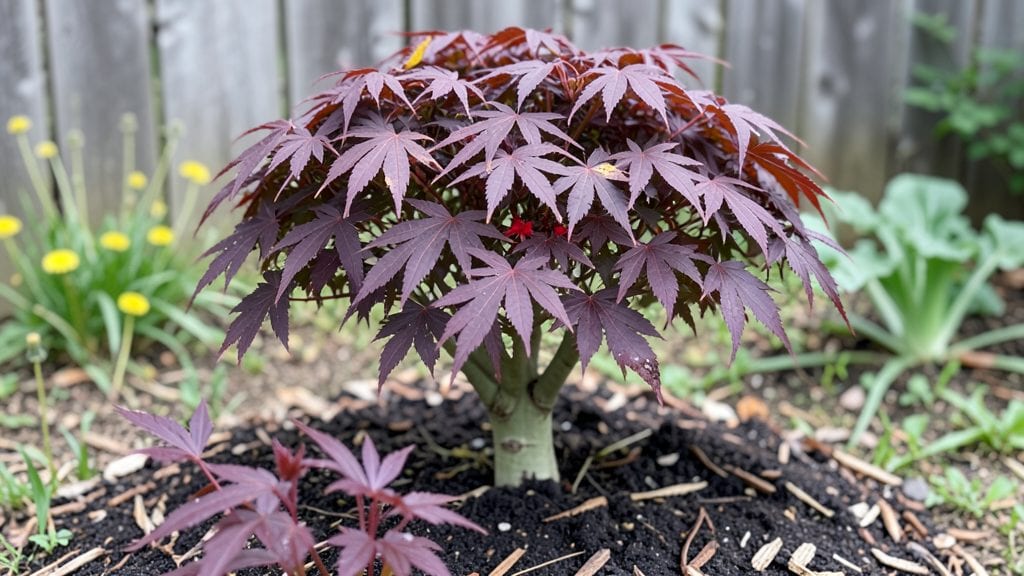
The Emperor 1 Japanese maple tree delivers vibrant color all year with almost no fuss—its compact form and disease resistance make it the perfect low-maintenance star for small yards or containers.
I planted mine last spring, and the deep red foliage in summer and burgundy hues in winter have turned heads without a single major pruning session. The secret lies in its natural shape and hardiness; once established, it thrives with basic care that even busy gardeners can manage.
This cultivar loves morning sun and afternoon shade, tolerates a range of soils (as long as they drain well), and handles cold down to USDA Zone 5.
Start with a 15-gallon container or dig a hole twice as wide as the root ball—its shallow roots appreciate room to spread. Water deeply after planting, then keep soil consistently moist (but not soggy) for the first year.
A light layer of mulch preserves moisture and protects roots in winter, while a balanced fertilizer in early spring jumpstarts growth.
You’ll spend less than 30 minutes per year on pruning—just remove dead branches in late winter and shape lightly after new growth appears. The foliage stays lush and colorful with minimal intervention, and its slow growth means you won’t outgrow its space.
By autumn, the leaves deepen to fiery shades, and even bare branches in winter have an elegant structure that adds texture to the landscape.
Perfect for urban gardens, patios, or as a focal point in a mixed border. Once established, it’s nearly self-sufficient—ideal for gardeners who want beauty without the upkeep. Let’s get yours growing!
📚 In This Guide
- What you need
- Instructions
- Tips and common mistakes
- Wrapping up and next steps
What you need
- ● Pruning shears: Sharp, bypass-style shears (for clean cuts on small branches). Recommended: Felco F-2 or similar.
- ● Lopping shears: For thicker branches (up to 2" diameter). Look for ratchet-style or compound-action models.
- ● Pruning saw: A curved-tooth saw for branches over 2" in diameter (e.g., Fiskars X7).
- ● Disposable gloves: Heavy-duty, nitrile-coated gloves (to protect against thorns and sap).
- ○ Rubbing alcohol (70%+) or pruning sealant: To disinfect tools and cuts (optional but highly recommended to prevent disease).
- ● Garden hose or spray bottle: For rinsing tools and cleaning sap off cuts.
- ● Trash bags or compost bin: For collecting pruned branches (check local regulations for disposal).
- ● Extension pole: For reaching higher branches safely (e.g., 6–8 ft telescoping pole).
- ● Ladder (if needed): A stable, 3-sided ladder for larger trees (ensure it’s rated for outdoor use).
- ● Handheld leaf blower: To clear debris after pruning (great for cleanups!).
- ● Tree wound dressing: Controversial but useful for large cuts (e.g., Tanglefoot Tree Wound Pruning Seal).
- ● Knowledge of the Emperor 1’s growth habits (slow-growing, with a naturally compact form).
- ● Awareness of the best pruning time (late winter or early spring, before new growth).
- ● Clear weather: Avoid pruning on windy or rainy days to prevent stress on the tree.
Step-by-Step guide to planting and caring for an Emperor 1 Japanese Maple tree
This stunning tree delivers vibrant color with surprisingly little effort—here's how to set it up for success.
🌱 Step 1: Select the Perfect Planting Location
Choose a spot with partial shade—at least 4-6 hours of morning sun and afternoon shade protection. Emperor 1 maples thrive where temperatures stay between 60-80°F, so avoid harsh afternoon sun or exposed windy areas. The tree's striking foliage will fade if stressed by heat or cold drafts.
Dig a hole twice as wide as the root ball but only as deep. The top of the root ball should sit 1-2 inches above ground level—this prevents water pooling around the trunk. Loosen the soil at the bottom of the hole to encourage root spread into the surrounding earth.
🪴 Step 2: Plant with Proper Spacing and Soil Preparation
Remove the tree from its container and gently tease the roots outward if they're circling. Place it in the hole so the root flare (where roots meet trunk) is visible above the soil line. Backfill with the native soil, tamping lightly every 6 inches to eliminate air pockets.
Mulch around the base with 2-3 inches of organic mulch, keeping it 3 inches away from the trunk to prevent rot. Water deeply until moisture reaches 12 inches down—you'll know it's enough when water runs out the bottom of the hole. This initial soaking helps roots establish quickly.
☀️ Step 3: Water and Fertilize for Year-Round Health
Water once weekly during the first growing season, providing 1-2 gallons each time. Check moisture by pushing a finger 2 inches into soil—if it's dry, water again. Once established, the tree needs water only during prolonged dry spells, as its roots seek moisture deeply.
Apply a balanced 10-10-10 fertilizer in early spring, using ½ cup per year of tree age (max 1 cup). Avoid high-nitrogen fertilizers—they promote leaf growth at the expense of vibrant fall color. Test soil annually to monitor pH (ideal range: 6.1-7.5); amend with sulfur if needed.
✂️ Step 4: Prune Strategically for Natural Shape
The Emperor 1's weeping branches need minimal pruning. Remove only dead, crossing, or rubbing branches in late winter or early spring. Cut just outside the branch collar (the swollen area where branch meets trunk) to prevent damage. Never prune more than 25% of the canopy in one season.
For shape maintenance, trim only to open the center and encourage air flow. Avoid "thinning out" too aggressively—this tree's beauty lies in its dense, layered foliage. If you must prune in summer, do so after new growth appears to avoid stressing the tree.
⏰ Step 5: Protect and Maintain Through Seasons
In winter, apply 4-6 inches of mulch around the base to insulate roots. Young trees may need burlap wrapping to shield from harsh winds, but mature specimens handle cold well. Watch for aphids or spider mites—spray with water or neem oil if you spot them on new growth.
Every 3-4 years, aerate the soil around the drip line (the area under the tree's canopy) to prevent compaction. This encourages root expansion and keeps the tree vibrant. With proper care, your Emperor 1 will reward you with year-round interest—from spring blossoms to fiery fall foliage.
Tips & tricks for perfect Emperor 1 Japanese Maple tree care
Here's what nobody tells you about keeping your Emperor 1 looking its absolute best with minimal fuss.
Sunlight Strategy: That 4-6 hours of morning sun is non-negotiable for the vibrant foliage this tree is famous for. I always check the sun path in my yard using a simple app—marking where sunlight hits at 9 AM and 11 AM helps visualize the perfect spot. If you're in doubt, err on the side of more morning sun rather than afternoon exposure, which can scorch those delicate leaves.
Root Establishment Secret: The initial deep watering in Step 2 is where most people go wrong. Don't just pour water until it stops draining—keep going until you see moisture running out the bottom of the hole. This ensures the roots get properly hydrated right from the start. I've seen trees wither because they weren't watered deeply enough during planting. Think of it as giving your tree's roots their first big drink.
Mulch Mastery: When you're adding that 2-3 inches of organic mulch, don't pile it right against the trunk. That 3-inch gap prevents rot by keeping moisture away from the bark. I like to use wood chips or shredded bark mulch because they break down slowly and improve soil quality over time. Refresh the mulch layer every spring to maintain that 2-3 inch thickness—it's like putting on fresh insulation for your tree's roots.
Pruning Precision: That 25% canopy limit in Step 4 is crucial for maintaining the tree's natural beauty. I always prune in late winter when the tree is dormant—it's easier to see the structure and makes for cleaner cuts. Use sharp pruners and make cuts just outside the branch collar. If you're unsure about a cut, it's better to leave it than risk damaging the tree. The Emperor 1's weeping branches are its signature feature, so preserve that natural shape whenever possible.
Pro Tips for Emperor 1 Japanese Maple Tree
- Here's what nobody tells you about keeping your Emperor 1 looking its absolute best with minimal fuss.
- Sunlight Strategy: That 4-6 hours of morning sun is non-negotiable for the vibrant foliage this tree is famous for.
- Root Establishment Secret: The initial deep watering in Step 2 is where most people go wrong.
Frequently asked questions
Got questions about the Emperor 1 Japanese Maple? You're not alone! This stunning tree is beloved for its vibrant foliage and low-maintenance care—but even experts have a few curiosities. Below, we’ve answered the most common questions to help you grow a thriving specimen with confidence.
How fast does the Emperor 1 Japanese Maple grow, and how big will it get?
The Emperor 1 is a slow-growing cultivar, adding just 12–18 inches per year under ideal conditions. At maturity, it typically reaches 15–20 feet tall with a 15–25-foot spread, making it perfect for medium to large gardens. Patience pays off—its compact growth habit means fewer pruning demands over time!
Is the Emperor 1 Japanese Maple cold-hardy? Can it survive winter?
This variety thrives in USDA Zones 5–8, handling winter temperatures as low as -20°F (-29°C). For extra protection in colder climates, mulch the root zone with 3–4 inches of organic mulch (like shredded bark) and avoid late-season pruning. Pro tip: Water deeply before the first frost to help roots endure freezing temps.
Do I really need to prune the Emperor 1 Japanese Maple? What’s the best time?
One of its biggest perks is minimal pruning—just remove dead, diseased, or crossing branches as needed. The best time to prune is late winter or early spring (before new growth starts) to avoid stressing the tree. For shaping, use sterilized bypass pruners and make cuts just outside the branch collar. Warning: Avoid heavy pruning in summer, as it can reduce fall color intensity.
Why aren’t my Emperor 1 leaves turning red/orange like they should?
Vibrant fall colors depend on sunlight, temperature shifts, and proper care. If leaves stay green or yellow, check for:
- Insufficient sunlight: Ensure it gets at least 4–6 hours of sun daily (morning sun is ideal).
- Over-fertilization: Too much nitrogen = lush green leaves, not color. Use a balanced fertilizer (10-10-10) sparingly in early spring.
- Stress factors: Drought, pests (like spider mites), or root damage can dull colors. Monitor for yellowing edges or sticky sap.
If issues persist, test your soil’s pH (ideal: 6.1–7.5) and adjust with lime or sulfur if needed.
Can I grow an Emperor 1 Japanese Maple in a container? What’s the best pot size?
Yes! This tree adapts well to containers, making it ideal for patios, balconies, or small yards. Choose a large, sturdy pot (at least 24–30 inches wide and deep) with drainage holes. Use a well-draining soil mix (50% potting soil, 30% compost, 20% perlite). Remember: Container-grown trees need regular watering (keep soil moist but not soggy) and annual root pruning to prevent circling roots.
Wrapping up and next steps
The Emperor 1 Japanese Maple is a stunning, low-maintenance gem that brings year-round beauty to your garden with minimal pruning effort. Its vibrant colors and resilient nature make it a favorite for both beginners and seasoned gardeners alike—proving that stunning landscapes don’t require endless upkeep! 🌿
Ready to elevate your outdoor space? Start by gathering your tools and planning your first pruning session. With just a little care, your Emperor 1 will thrive for seasons to come!