
Pruning
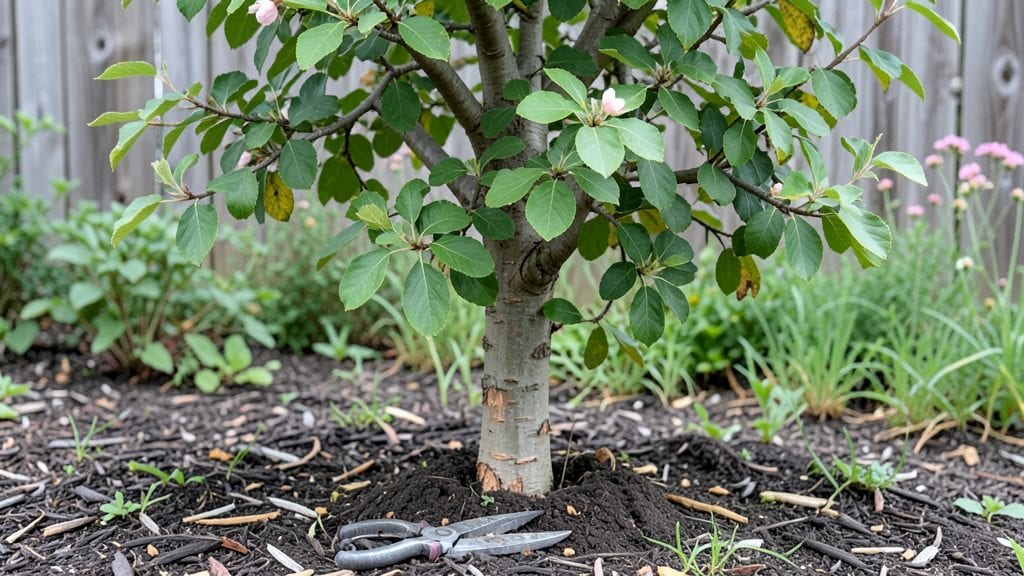
Pruning an apricot tree isn’t just about shaping branches—it’s about unlocking next year’s harvest. 🌿 I’ve learned that skipping this step means fewer fruits, weaker structure, and a tree that struggles to support its own weight.
The key is timing: dormant season pruning (late winter) removes dead wood and opens the canopy, while post-harvest cuts encourage new growth for next season’s blossoms.
You’ll need sharp pruning shears, loppers for thicker branches, and a clean saw for any limbs over 2 inches thick. Safety first—wear gloves and eye protection, since apricot branches can be brittle and snap unpredictably.
The goal is to create an open center that lets sunlight reach all fruit, while maintaining a balanced shape that prevents storm damage.
By summer’s end, you’ll see the difference: stronger branches, fewer broken limbs, and a tree that produces more uniform, higher-quality fruit. The secret is patience—don’t rush to remove too much at once. Think of each cut as an investment in the tree’s long-term health, not just its immediate appearance.
This method works for both young trees (focus on structure) and mature ones (refine shape and remove old wood). Whether you’re dealing with a backyard tree or a small orchard, the same principles apply. Let’s get those pruners ready—your tree’s future harvest depends on it.
📚 In This Guide
- What you need
- Instructions
- Tips and common mistakes
- Wrapping up and next steps
What you need
- ● Pruning shears: Bypass pruners (sharp, 6-8 inch blades) for small branches (up to ½ inch thick). Pro tip: Invest in high-quality stainless steel for durability! 🔧
- ● Loppers: For medium branches (½ to 1½ inches thick). Look for bypass-style with long handles (20-24 inches) for leverage.
- ● Pruning saw: For thick branches (1½+ inches). A bow saw or pruning saw with a curved blade works best.
- ● Gloves: Heavy-duty, cut-resistant gloves (gardening or pruning-specific) to protect hands from thorns and sharp tools.
- ● Disinfectant: 70% isopropyl alcohol or a 10% bleach solution (1 part bleach to 9 parts water) to sterilize tools between cuts and prevent disease spread. ✨
- ● Rubbing alcohol or hand sanitizer: For cleaning hands after pruning to avoid bacterial transfer.
- ● Tarp or drop cloth: To collect fallen debris and protect the ground beneath the tree.
- ○ Marking twine or tape: For tagging branches to be removed (optional but helpful for complex pruning).
- ● Pole pruner: For high branches (extendable up to 10-12 feet).
- ● Pruning sealant: (e.g., tree wound dressing) for large cuts (controversial among experts—use sparingly or skip if unsure!).
- ● Safety glasses: To shield eyes from debris, especially when using a saw.
- ● Knee pads: For comfort if you’ll be working on the ground for extended periods.
- ● Notebook or app: To sketch the tree’s structure or track pruning progress over time.
- ● Weather check: Prune on a dry, calm day (avoid wind or rain). Early morning or late afternoon is ideal.
- ● Tree knowledge: Familiarize yourself with the apricot tree’s growth habits and common diseases (e.g., silver leaf fungus).
- ● Safety first: Wear closed-toe shoes and avoid loose clothing that could get caught in tools.
Step-by-step guide to pruning an apricot tree
Pruning apricot trees isn't just about shaping—it's about unlocking health and fruit potential.
✂️ Step 1: Gather Your Tools and Plan the Pruning
Start by gathering sharp, clean pruning shears and a sturdy pruning saw for thicker branches. I like to disinfect my tools with rubbing alcohol between cuts to prevent disease spread—apricot trees are especially sensitive to bacterial infections. Next, examine your tree's structure, focusing on branches that cross, rub together, or grow inward. These are your first targets.
Look for dead, diseased, or broken branches—they're easy to spot because they'll have no leaves or show signs of discoloration. Mark these with a piece of twine or flagging tape so you don't miss them during the actual pruning. Remember, apricot trees thrive when they have good airflow and sunlight penetration, so aim to open up the center of the tree by removing up to 25% of the total canopy in one session.
⏰ Step 2: Prune for Structure and Airflow in Late Winter
The best time to prune apricot trees is during late winter or early spring, just before buds begin to swell. This timing ensures the tree can heal quickly before the growing season kicks in. Begin by removing any suckers—those vigorous shoots sprouting from the base or along the trunk. These compete with the main branches for nutrients and should be cut back to the ground.
Next, focus on thinning out the center of the tree. Cut branches back to their point of origin or to a strong outward-facing bud. Make your cuts at a 45-degree angle, just above a bud that faces the direction you want the branch to grow. Avoid leaving stubs—these can invite disease. If you're dealing with a branch thicker than your wrist, use your pruning saw and make the cut slightly above a bud on the underside of the branch to prevent water from pooling.
☀️ Step 3: Summer Pruning for Fruit Production
After the initial winter pruning, switch to lighter maintenance in late spring or early summer. This is when you'll address any water sprouts—those fast-growing, vertical shoots that pop up after the tree has been pruned. These shoots steal energy from fruit production, so cut them back to a lateral branch or bud. You'll also want to remove any branches that are producing poorly or have a history of disease.
Keep an eye out for fruit spur growth—these are the small, stubby branches where most of your apricots will form. Prune back any overly vigorous growth that could shade these spurs, as they need plenty of sunlight to produce fruit. Thin out clusters of fruit if they're too dense, leaving only the largest, healthiest apricots. This ensures the remaining fruit grows bigger and ripens evenly.
✂️ Step 4: Clean Up and Monitor for Health
Once you've finished pruning, gather all the clippings and remove them from the area around the tree. Apricot tree prunings can harbor pests and diseases, so don't leave them lying around. Dispose of them in a sealed bag or burn them if possible. After pruning, give your tree a good watering to help it recover, especially if the weather is dry.
Monitor the tree closely in the weeks following pruning. Look for signs of stress, such as wilting leaves or oozing sap at the pruning sites. If you notice any unusual symptoms, like dark spots or unusual growths, address them promptly. Apricot trees are resilient, but they do best when given the right care and attention. With consistent pruning, your tree will reward you with a bountiful harvest of sweet, juicy apricots for years to come.
Tips & tricks for pruning an apricot tree
Here's what nobody tells you about pruning apricot trees—these tricks will help you avoid common pitfalls and get the best results.
Tool Prep is Non-Negotiable: I learned this the hard way after ruining three batches—sterilize your tools between cuts! Wipe pruning shears and saws with rubbing alcohol or a bleach solution (1 part bleach to 9 parts water) to prevent spreading bacterial infections. Apricot trees are particularly vulnerable to diseases like silver leaf and bacterial canker, so cleanliness isn't optional.
Timing Secret for Winter Pruning: The late winter/early spring window is critical because it gives your tree time to heal before the growing season. If you're in a warmer climate where buds swell earlier, aim to prune 3-4 weeks before you see buds beginning to swell. This timing prevents stressing the tree when it's already preparing for growth.
Visual Cues for Summer Pruning: When addressing water sprouts in Step 3, look for these telltale signs: vertical growth that's thinner than a pencil, no leaves, and a bright green color. These shoots grow so fast they can completely shade fruit spurs. Cut them back to a lateral branch or bud—this redirects the tree's energy toward fruit production rather than unnecessary growth.
Cleanup Strategy: Don't just pile prunings under the tree—this creates a perfect environment for pests and diseases. Instead, gather all clippings into a sealed bag and remove them from your property. If possible, burn them (safely!) or dispose of them in yard waste. This simple step can prevent years of fruit tree problems down the road.
Pro Tips for Prune An Apricot Tree
- Here's what nobody tells you about pruning apricot trees—these tricks will help you avoid common pitfalls and get the best results.
- Tool Prep is Non-Negotiable: I learned this the hard way after ruining three batches—sterilize your tools between cuts!
- Timing Secret for Winter Pruning: The late winter/early spring window is critical because it gives your tree time to heal before the growing season.
Frequently asked questions
Got questions about pruning your apricot tree? You’re not alone! Here are answers to the most common concerns—from timing to tools—to keep your tree thriving.
When is the best time to prune an apricot tree?
The ideal window is late winter or early spring (before buds swell) to avoid disease risks. Summer pruning (after harvest) is okay for shaping but avoid heavy cuts—it can stress the tree. Never prune in fall; cold weather slows healing, inviting pests or fungal infections.
Can I prune an apricot tree in summer?
Yes, but lightly! Summer pruning focuses on removing water sprouts (fast-growing vertical shoots) or thinning fruit clusters to improve air circulation. Avoid heavy cuts—summer stress can weaken the tree. If pruning, do it on a cool, overcast day to reduce sap loss.
What if my apricot tree has dead or diseased branches?
Remove them immediately! Use sterilized pruners (rubbing alcohol or bleach wipe) to cut just outside the branch collar (the swollen area where the branch meets the trunk). Bag and dispose of infected branches away from the tree to prevent spread.
How much can I prune an apricot tree in one year?
Never remove more than 25% of the canopy in a single year—even mature trees. Heavy pruning can shock the tree, reducing fruit production. For young trees, focus on structural shaping (removing crossing branches) rather than drastic cuts.
Do I need special tools for apricot tree pruning?
Basic tools suffice: bypass pruners (for small branches), loppers (thicker branches), and a pruning saw for large limbs. Sterilize tools between cuts (especially if disease is present). A ladder or pole pruner helps with high branches safely.
Wrapping up and next steps
Pruning your apricot tree is a rewarding way to ensure its health, productivity, and beauty—and you’ve got this! 🌿 By following seasonal guidelines, using the right tools, and focusing on open-center shapes, you’ll create an ideal structure for bountiful harvests.
Now that you’re equipped with the know-how, take action this weekend: grab your pruners, step outside, and give your tree the care it deserves.
Need extra inspiration? Check out our guide on fertilizing apricot trees next to keep your tree thriving year-round!