
Pruning
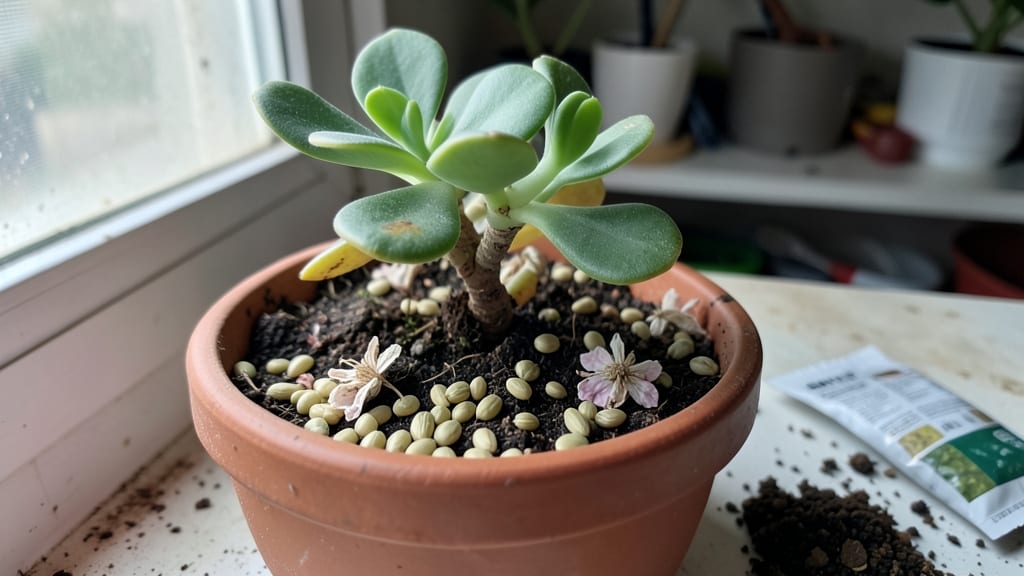
Growing vibrant blooms from Dollar Tree flower seeds proves you don’t need expensive varieties to fill your garden with color. 🌸 The key is smart selection—look for seeds packaged within the last year and avoid any with moisture or pest damage.
My first batch of zinnias and cosmos bloomed just as beautifully as pricier seeds, proving budget options can deliver stunning results.
Start with a well-draining potting mix or garden soil amended with compost to give those tiny seeds the best chance. Plant them at twice their width deep—usually about ¼ inch—and space them according to their mature size.
Water gently but thoroughly, keeping the soil consistently moist until germination, which typically takes 7 to 14 days depending on the flower type.
Once sprouted, place your seedlings in a sunny spot with at least 6 hours of light daily. Thin them carefully to avoid disturbing roots, and watch as they transform into lush, blooming plants.
Dollar Tree seeds might not offer fancy varieties, but they’re perfect for filling empty spaces with cheerful, low-maintenance flowers that thrive on attention.
For maximum success, harvest spent blooms to encourage more flowers and deadhead regularly. With a little care, these budget-friendly seeds can outperform pricier options—proving that great gardens start with great choices, not big budgets. Ready to give it a try?
📚 In This Guide
- What you need
- Instructions
- Tips and common mistakes
- Wrapping up and next steps
What you need
- ● Dollar Tree flower seeds (choose your favorites—like marigolds, sunflowers, or cosmos! 🌻🌼)
- ● Seed-starting soil or potting mix (1-2 bags, moisture-retentive and sterile)
- ● Small seed trays, pots, or biodegradable seed pods (6+ containers, 3-4 inches deep)
- ● Watering can or spray bottle (with a fine mist setting)
- ● Plastic wrap or a humidity dome (to keep seeds cozy while germinating)
- ● Grow lights or a sunny windowsill (if starting indoors, 6-8 hours of light/day)
- ● Fertilizer (balanced, 5-10-5 or 10-10-10, water-soluble)
- ● Garden trowel or small hand shovel (for transplanting seedlings)
- ● Gloves (to protect your hands from dirt and thorns)
- ● Twine or plant markers (to label your seeds—trust us, you’ll forget!)
- ● Compost or organic matter (to enrich soil after transplanting)
- ● Mulch (straw or shredded leaves, to retain moisture)
- ● Pest control (neem oil or insecticidal soap, if needed)
Step-by-Step instructions for growing Dollar Tree flower seeds
Here's how to coax vibrant blooms from those tiny, affordable packets—no green thumb required.
🌱 Step 1: Choose the Right Containers and Soil Mix
Start with clean, shallow containers—plastic cell packs or small pots work perfectly. I like to reuse yogurt cups or egg cartons for seedlings before transplanting. Make sure they have drainage holes or poke some yourself with a nail. Fill them with a lightweight seed-starting mix (not garden soil) to give those delicate roots room to breathe.
Moisten the mix until it feels like a damp sponge—squeeze it gently and it should hold together but not drip. Avoid compacting the soil when you fill the containers. Tap them lightly on the table to settle the mix evenly. This prevents air pockets that can starve your seeds of oxygen right when they need it most.
🌱 Step 2: Plant Seeds at the Correct Depth
Check the seed packet for depth instructions, but a good rule of thumb is to plant seeds twice as deep as their diameter. Tiny seeds like marigolds or snapdragons only need a sprinkle on top, while larger seeds like cosmos can go ¼ inch deep. I use a toothpick to make small holes—it's more precise than guessing.
Place 1-2 seeds per cell (you'll thin later). If you're planting multiple varieties, label each container with the seed type and date. I write on masking tape with a Sharpie—it's visible and won't smudge when wet. Gently cover the seeds and mist the soil with water until it's evenly damp but not soggy.
💧 Step 3: Provide Warmth and Consistent Moisture
Cover the containers with plastic wrap or a humidity dome to trap warmth and moisture. Place them in a warm spot—70-75°F is ideal, but even a sunny windowsill or atop the fridge works. Check daily for condensation on the plastic. If it's dry inside, mist the soil again—seeds need steady moisture to germinate.
Most flower seeds sprout in 7-14 days, but some like zinnias may take up to 21 days. Once you see green sprouts, remove the plastic immediately to prevent damping-off disease. Thin seedlings to the strongest one per cell, snipping the weaker ones at soil level with clean scissors.
☀️ Step 4: Move to Bright Light and Harden Off
When seedlings have 2-3 true leaves (not just the initial seed leaves), move them to a sunny windowsill or under grow lights. South-facing windows get the most light, but if your seedlings stretch toward the glass, they're not getting enough. Keep lights 2-3 inches above the plants and raise them as the seedlings grow.
Start hardening off 1 week before transplanting by placing containers outside in partial shade for 1-2 hours daily. Gradually increase time and sun exposure over 5-7 days. This toughens stems so they don't snap when moved to the garden. Watch for wilting—if it happens, bring them back inside for another day.
🪴 Step 5: Transplant and Maintain for Continuous Blooms
After the last frost, transplant seedlings 12-24 inches apart (check packet spacing). Dig holes slightly deeper than the root ball and water deeply before and after planting. Mulch around the base with 1 inch of straw or shredded leaves to retain moisture and suppress weeds. I always water in the morning so foliage dries quickly—this prevents fungal diseases.
Feed with a balanced liquid fertilizer (like 10-10-10) every 2-3 weeks once flowers appear. Deadhead spent blooms regularly to encourage more flowers. Most Dollar Tree flowers thrive in full sun, but a few like impatiens tolerate partial shade. Watch for pests—aphids love tender new growth, so spray with soapy water if you spot them.
Tips & tricks for perfectly growing Dollar Tree flower seeds
Here's what nobody tells you about turning those cheap seed packets into a stunning garden—without the guesswork.
Container Creativity: Don't limit yourself to just pots! Egg cartons work perfectly for tiny seeds, and even toilet paper rolls cut into sections can be planted directly. Just make sure whatever you use has drainage—poke holes in the bottom if needed. I've even used old yogurt cups with holes poked in the lids for a mini greenhouse effect during germination.
Soil Science: The lightweight seed-starting mix mentioned in Step 1 is non-negotiable—garden soil is too heavy and can suffocate delicate roots. If you don't have seed-starting mix, blend equal parts potting soil with perlite or vermiculite. This creates the perfect airy environment those tiny roots need to establish. Pro tip: Let your mix sit uncovered for 24 hours before planting to kill any hidden pests.
Germination Timing: Those 7-21 days can feel like forever, but here's the secret: Most seeds need darkness to germinate. Keep your containers in a dark closet or cover them with another layer of plastic wrap until you see sprouts. Once they emerge, move to light immediately—this prevents leggy, weak seedlings. I set a timer to check for sprouts every 3 days so I don't miss the magic moment.
Lighting Hacks: No sunny windowsill? No problem! A simple LED shop light with cool-white bulbs works wonders. Position it 2-3 inches above seedlings and leave it on for 14-16 hours daily. I use a cheap timer plug to automate this—no need to remember to turn lights on and off. If your seedlings stretch toward the light, they're begging for more intensity. Rotate containers daily so all sides get even exposure.
Pro Tips for Dollar Tree Flower Seeds
- Here's what nobody tells you about turning those cheap seed packets into a stunning garden—without the guesswork.
- Container Creativity: Don't limit yourself to just pots!
- Soil Science: The lightweight seed-starting mix mentioned in Step 1 is non-negotiable—garden soil is too heavy and can suffocate delicate roots.
Frequently asked questions
Got questions about growing stunning flowers from Dollar Tree flower seeds? You're not alone! Here are some of the most common concerns—and their easy solutions—to help you bloom like a pro on a budget.
Are Dollar Tree flower seeds really good quality?
Yes! While not as flashy as premium brands, Dollar Tree seeds are often high-quality and perfectly viable for beginners. Look for reputable brands like Burpee or Park Seed on their shelves. Just double-check the seed packet for a freshness date (ideally within 1–2 years) and store them in a cool, dry place to maximize germination.
When is the best time to plant Dollar Tree flower seeds?
Timing depends on your climate and the seed type. For annuals (like marigolds or zinnias), sow seeds after the last frost when soil temps hit 60°F+. For perennials (e.g., lavender or coneflowers), plant in early spring or fall for best results. Check the packet for specific guidelines—it’s your cheat sheet!
Can I grow flowers indoors with Dollar Tree seeds?
Opt for compact varieties like bachelor’s buttons or pansies, which thrive in containers. Use a sunny windowsill (south-facing is ideal) or grow lights for 12–14 hours/day. Start seeds in small pots with well-draining soil, and transplant outdoors once temperatures stabilize.
Why aren’t my Dollar Tree seeds germinating?
Don’t panic—common culprits include old seeds, poor soil, or inconsistent moisture. Try these fixes:
- Test germination: Soak seeds in warm water for 24 hours before planting.
- Use sterile potting mix (avoid garden soil—it can harbor fungi).
- Keep soil moist (not soggy!) with a spray bottle and cover pots with plastic wrap until sprouts appear.
- Check light: Most seeds need bright, indirect light to germinate.
What’s the cheapest way to get more flowers from Dollar Tree seeds?
Maximize your blooms with these zero-cost hacks:
- Harvest seeds from spent flowers (e.g., cosmos or sunflowers) and replant them next season.
- Deadhead (snip faded blooms) to encourage more flowers.
- Fertilize lightly with coffee grounds or diluted compost tea.
- Share seeds with neighbors—community gardens love freebies!
Wrapping up and next steps
Growing stunning flowers from Dollar Tree flower seeds is a rewarding way to add color to your space without breaking the bank! 🌸 Whether you're a seasoned gardener or just starting out, these budget-friendly blooms prove that beauty and affordability go hand in hand.
With the right care and a little patience, you’ll soon be enjoying vibrant flowers that bring joy to your garden—or even your kitchen windowsill.
Ready to get started? Pick your favorite seeds, grab your supplies, and dive in! The only thing left is for you to watch your garden transform—one seed at a time. Happy planting! 🌱