
Trees
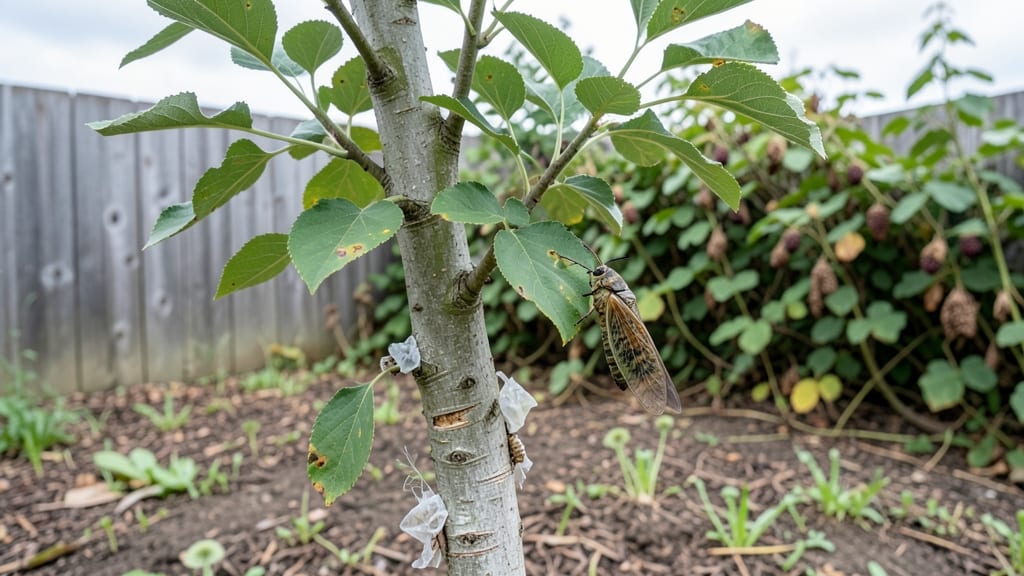
Cicadas don’t harm trees—at least, not the way most people fear. 🌳 The nymphs do feed on roots, but they’re more like temporary houseguests than destructive pests, and mature cicadas pose zero threat.
My first cicada emergence taught me this the hard way: I panicked, thinking my oak’s roots were being devoured, only to learn the truth later.
The confusion comes from their lifecycle: nymphs burrow underground for years, sipping sap from shallow roots. But healthy trees shrug off this light grazing—it’s like a snack, not a meal.
Even during peak brood years, most trees recover without a scratch. The real risk? Overwatering stressed trees, which cicadas might target more easily.
You’ll know if cicadas are causing trouble when you see wilting leaves, yellowing foliage, or soil that’s suddenly riddled with tiny holes. But here’s the kicker: these signs usually mean the tree was already struggling.
Cicadas are just the scapegoats. A quick soil check and proper watering often fix the problem faster than any pesticide.
So relax—no need for drastic measures. If your tree looks healthy, cicadas are just part of nature’s cycle. For stressed trees, focus on deep watering and mulching. The brood will move on in a few weeks, leaving your trees (and your sanity) intact.
📚 In This Guide
- What you need
- Instructions
- Tips and common mistakes
- Wrapping up and next steps
What you need
- ● Garden trowel or small shovel – For gently lifting soil to inspect roots (6-inch blade recommended).
- ● Pruning shears or loppers – To trim damaged branches (sterilized with rubbing alcohol).
- ● Gloves (heavy-duty) – Protects hands from dirt, sap, and potential insect bites.
- ○ Magnifying glass (optional but helpful) – For spotting tiny cicada larvae or feeding marks.
- ● Spray bottle with water – To keep soil moist while inspecting roots.
- ● Notebook & pen – To record observations (tree type, damage location, etc.).
- ● Soil probe or augur – For deeper root inspections (12-inch depth recommended).
- ● Digital caliper – Measures root thickness to assess stress levels.
- ● Beneficial nematodes (e.g., Steinernema carpocapsae) – Natural pest control for larvae (apply as directed).
- ○ Tree wound dressing (optional) – Only use if pruning large wounds (avoid overuse—prune properly instead!).
- ● Camera or smartphone – Document damage before/after treatment for records.
- ● Basic knowledge of your tree species (e.g., oak, maple, pine) to identify signs of stress.
- ● Access to a hose or water source for hydration checks.
- ● Patience! Cicada damage isn’t always immediate—monitor trees over weeks.
Understanding cicada damage: how to protect your trees
Cicadas aren’t just a summer annoyance—they can actually harm trees. Here’s how to spot damage and decide when action is needed.
🌿 Step 1: Identify the Type of Cicada
Not all cicadas cause tree damage. Periodical cicadas (like Brood X) feed on tree roots, while annual cicadas mostly feed on sap from branches. Look for 1.5-inch-long black or brown cicadas with red eyes near the base of trees. These are the root feeders you need to monitor.
Dig gently around the tree’s drip line—you’ll find small, brown, worm-like larvae if they’re feeding underground. These larvae tunnel into roots, weakening the tree’s ability to absorb water and nutrients. If you see wilted leaves or yellowing foliage despite regular watering, that’s your first clue.
✂️ Step 2: Assess Tree Health and Damage
Start by examining the tree’s leaves. Cicada damage often causes thinning canopies, wilting branches, or premature leaf drop. Scratch the bark gently—if you find tiny holes or sawdust-like frass (chewed bark), adult cicadas may be feeding on the cambium layer.
For root-feeding larvae, check the soil around the tree. If the ground is soft and easily displaced near the roots, larvae may be active. In severe cases, the tree may lean or topple as roots weaken. Healthy trees can handle some cicada activity, but if the tree is already stressed (from drought or disease), damage worsens quickly.
🪴 Step 3: Decide When to Intervene
Most trees recover from cicada damage if they’re otherwise healthy. However, if the tree is young, weak, or already struggling, take action. For root-feeding larvae, apply beneficial nematodes (Heterorhabditis bacteriophora) to the soil—they’re natural predators that target cicada larvae without harming plants or people.
For adult cicadas feeding on branches, prune damaged limbs in late summer or early fall when cicadas are less active. Seal pruning cuts with tree wound paint to prevent disease entry. If the tree is a prized specimen, consider lightweight netting to physically block cicadas from reaching the trunk.
☀️ Step 4: Monitor and Prevent Future Damage
After cicadas emerge, keep an eye on the tree for 3-4 weeks. New growth should appear if the tree is recovering. If not, the damage may be permanent. Water deeply once a week during dry spells to help the tree rebound—1-2 inches of water per week is ideal.
Prevent future issues by mulching around the base with 2-3 inches of organic mulch (like wood chips) to protect roots. Avoid overwatering, which attracts cicadas. If your area is prone to cicada outbreaks, plant native trees—they’re often more resistant to damage than non-native species.
Tips & tricks for protecting trees from cicada damage
Here's what nobody tells you about keeping your trees safe from these noisy intruders.
Timing is Everything: Cicadas emerge in late spring, but their larvae start feeding underground in early summer. If you notice wilting leaves or yellowing foliage around June or July, dig around the drip line immediately—this is when root-feeding larvae are most active. The sooner you catch them, the better the tree's chances of recovery.
Don't Overlook the Soil: Soft, easily displaced soil near the roots is a red flag for root-feeding larvae. If you find this in Step 2, try gently probing the soil with a stick—you might feel the tunnels they create. Healthy soil should be firm and resistant. For stressed trees, consider testing the soil pH too—cicadas prefer slightly acidic conditions.
Natural Solutions First: Before reaching for chemicals, try beneficial nematodes like Heterorhabditis bacteriophora—they're the cicada larvae's natural predator and won't harm your trees or pets. Apply them in the early evening when cicadas are less active, following package instructions carefully. This is your best eco-friendly option mentioned in Step 3.
Prevention Starts Now: The 2-3 inches of organic mulch around your tree's base isn't just decoration—it creates a protective barrier against cicada larvae. Keep mulch 6 inches away from the trunk to prevent rot, and always water deeply but infrequently (1-2 inches per week) to avoid attracting cicadas. This simple step from Step 4 can make all the difference.
Pro Tips for Do Cicadas Harm Trees
- Here's what nobody tells you about keeping your trees safe from these noisy intruders.
- Timing is Everything: Cicadas emerge in late spring, but their larvae start feeding underground in early summer.
- Don't Overlook the Soil: Soft, easily displaced soil near the roots is a red flag for root-feeding larvae.
Frequently asked questions
Got questions about cicadas and your trees? You’re not alone—these noisy insects can spark curiosity (and concern!). Here are some of the most common questions answered in plain terms.
Do cicadas actually kill trees?
Mostly not! While periodical cicadas (like Brood X) lay eggs in tree branches, their feeding doesn’t directly kill mature trees. The real risk is to young saplings or weak trees, where egg-laying can stress them. Think of it like a tiny paper cut—not fatal, but annoying.
How long do cicadas stay around, and when should I worry?
Brood cicadas emerge every 13 or 17 years and live for 4–6 weeks as adults. The egg-laying phase (when damage happens) lasts 6–8 weeks in late spring/early summer. If you see brown, wilted leaves or sawdust-like frass on branches, act fast—but most trees bounce back.
Can I prune branches to protect my tree?
Yes!
Prune branches with egg masses (they look like foamy white clumps) in early summer (June–July) to reduce stress. Wait until after cicadas leave—pruning too early can attract more females. Use sterilized shears and dispose of clippings far from your yard.
Are there natural ways to deter cicadas without pesticides?
Cicadas are tricky to repel, but you can reduce attractants:
- Remove weak/dying branches—they’re prime targets.
- Use reflective tape or aluminum foil on tree trunks (some studies suggest it confuses them).
- Encourage natural predators like birds and wasps—they’ll snack on cicada nymphs.
Pro tip: Avoid loud noises during dusk—they’re most active then!
What if my tree looks dead after cicadas leave?
Don’t panic! Cicadas don’t cause sudden death, but they may reveal underlying issues like disease or drought stress. Check for:
- Leaf discoloration (yellow/brown = nutrient deficiency).
- Cracks in bark (sign of borers or rot).
- No new growth in spring (could mean root damage).
If your tree’s struggling, water deeply and consult an arborist. Most recover with a little TLC!
Wrapping up and next steps
So, do cicadas harm trees? The short answer is usually not—unless they’re in overwhelming numbers or the tree is already stressed. While their root-feeding larvae can weaken young or vulnerable trees, most mature, healthy trees shrug off the occasional visitor.
Think of cicadas like nature’s temporary houseguests: they’re more of a nuisance than a threat! 🌳💚
If you’re concerned, monitor your trees during peak emergence years and give them extra care—watering, mulching, or pruning—to boost their resilience. And remember, even a little knowledge goes a long way in keeping your green friends thriving.
Ready to take action? Start by checking your yard for signs of stress and planning a simple care routine. Your trees will thank you!