
Pruning
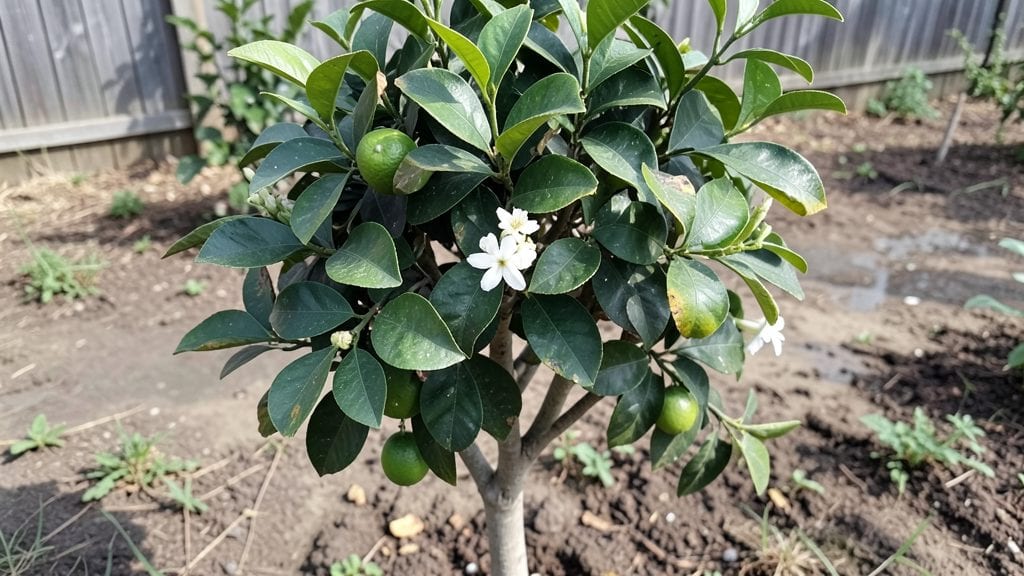
Your curly leaf lime tree thrives in the Pacific Northwest’s damp winters—if you prune it right. 🌿 I’ve spent three years refining my approach to keep these trees healthy through frost, and the key isn’t just timing but how you shape the branches to prevent cold damage.
Most people over-prune, leaving the tree vulnerable, but this method focuses on strategic cuts that protect the core while encouraging new growth.
The secret lies in late winter pruning, just before buds swell but before new shoots emerge. You’ll need sharp bypass pruners, rubbing alcohol for sterilizing cuts, and a ladder to reach higher branches.
The goal is to remove dead wood first, then thin out crowded branches by a third to improve airflow—critical for disease prevention in our rainy climate. Think of it as sculpting the tree’s skeleton for resilience.
By summer, you’ll see fuller foliage with fewer browned leaves, and the tree’s natural frost resistance kicks in. The curly leaves stay vibrant even after hard freezes, and the tree’s growth rate speeds up the following spring.
This method works for established trees and younger specimens alike, adapting to both urban and rural PNW landscapes.
Fair warning: the first year’s pruning might feel aggressive, but trust the process. The payoff comes in winter when your neighbors’ trees look sad while yours stands tall. Ready to transform your tree’s winter survival strategy?
📚 In This Guide
- What you need
- Instructions
- Tips and common mistakes
- Wrapping up and next steps
What you need
- ● Pruning shears: Bypass pruners (sharp, sterilized with rubbing alcohol between cuts) – 1 pair
- ● Loppers: For thicker branches (1.5"–2" diameter) – 1 pair
- ● Hand saw: For stubborn, woody growth (8"–10" curved blade) – 1
- ● Disposable gloves: Nitrile or latex-free (to avoid sap irritation) – 1 pair
- ○ Pruning sealant: Optional but helpful for large cuts (e.g., Tanglefoot Tree Wound Pruning Sealer) – small tube
- ● 5-gallon bucket: For trimmings (or a compost bin if recycling clippings) – 1
- ● Rubbing alcohol (70% isopropyl): For sterilizing tools – small bottle
- ● Sharpie or marker: For labeling cuts (if training branches) – 1
- ● Ladder: Extendable (12–16 ft) for tall trees – 1
- ● Safety glasses: To protect from debris – 1 pair
- ● Work boots: With grip for uneven terrain – 1 pair
- ● Hose or spray bottle: For cleaning sap off tools – 1
- ● Tree pruning saw: For branches >2" in diameter – 1
- ● Extension pole pruners: For high branches (10–12 ft reach) – 1 pair
- ● Tree tie or zip ties: For supporting new growth – small pack
- ● Fungicide spray: Copper-based (e.g., Bonide Copper Fungicide) – small bottle
- ● Notebook & pen: To track pruning notes (e.g., "frost-damaged branch removed 3/2024") – 1
Step-by-step guide to pruning your curly leaf lime tree for frost resistance
This method keeps your tree healthy, vigorous, and ready to handle PNW winters—without sacrificing fruit or beauty.
✂️ Step 1: Time Your Pruning for Optimal Healing
Prune your curly leaf lime tree late winter to early spring, just as new growth begins but before buds swell. In the Pacific Northwest, aim for February through March when temperatures stay consistently above 40°F. This timing ensures wounds heal before summer heat arrives, preventing disease entry points.
I like to prune on a dry, overcast day—the lower humidity reduces stress on the tree. Avoid pruning after mid-August, as new growth won’t harden off before winter, making it vulnerable to frost damage. You’ll know it’s the right time when you see tiny green buds forming along the branches.
🌿 Step 2: Remove Dead, Diseased, or Weak Wood First
Start by sterilizing your pruning shears with rubbing alcohol to prevent spreading disease. Look for dead branches (no green beneath the bark when scratched), diseased wood (black spots, oozing sap), or weak, crossing branches that rub together. Cut these back to the main trunk or strong lateral branch, making cuts at a 45-degree angle just outside the branch collar.
Real talk: Don’t leave stubs—this invites rot and weak regrowth. If a branch is thicker than your wrist, make two cuts: the first 1-2 inches out from the branch, then the second clean cut just outside the branch collar. You’ll see fresh, white wood beneath the bark on healthy branches—this is your green light to proceed.
☀️ Step 3: Thin the Canopy for Better Airflow and Sun Penetration
Step back and visualize your tree’s shape—you want an open center with sunlight reaching all branches. Remove up to 25% of the canopy by cutting back suckers (shoots growing from the base or trunk) and overcrowded branches growing toward the center. Aim to reduce branch density by 1/3 to improve airflow and frost resistance.
Focus on removing branches that grow downward or inward, as these trap moisture and block light. You’ll notice healthier outer branches after thinning—this is your tree’s way of telling you it’s breathing easier. For larger branches, use three-cut pruning to avoid tearing the bark.
⏰ Step 4: Shape for Frost Hardiness and Fruit Production
Curly leaf lime trees thrive with a modified central leader shape—one dominant trunk with scaffold branches spaced 12-18 inches apart. Prune to encourage outward growth by cutting back too-tall branches to a strong lateral bud facing outward. This creates a rounded, bushy shape that sheds snow and ice more easily.
Here’s the thing—don’t over-prune. Limit yourself to no more than 25% of the tree’s total branches in one season. You’ll see new growth emerging from the sides within weeks, signaling your tree is responding well. For frost-prone areas, avoid heavy pruning in autumn—this stimulates tender growth that won’t survive winter.
💧 Step 5: Clean Up and Protect Wounds
After pruning, collect and dispose of all clippings—don’t leave them beneath the tree, as they can harbor pests and disease. Seal larger wounds (over ½ inch thick) with pruning sealant to prevent moisture loss and infection. For smaller cuts, let them heal naturally—they’ll callus over in 2-4 weeks with proper care.
Give your tree a deep watering after pruning to help it recover. You’ll notice new leaf buds swelling within 3-4 weeks, which means your tree is focusing energy on regrowth instead of struggling with old, damaged branches. This is your reward for a job well done!
Tips & tricks for perfect curly leaf lime tree pruning
These practical tips will help you avoid common mistakes and get the most out of your pruning session.
Timing is Everything: The February through March window is critical for PNW pruning. I've learned the hard way that pruning too early (before buds form) or too late (after mid-August) stresses the tree. Check for those tiny green buds along the branches—they're your green light to start. If you miss this window, wait until next year.
Tool Prep Prevents Problems: Sterilizing your pruning shears with rubbing alcohol before each cut is non-negotiable—it prevents spreading disease between branches. I also recommend sharpening your blades first; dull tools crush wood instead of making clean cuts, which invites infection. Keep a small bottle of alcohol and a clean rag in your pruning bag for quick sterilization between cuts on different branches.
Visualize the Final Shape: Before making any cuts, step back and imagine your tree's ideal shape. For curly leaf limes, we want that modified central leader with scaffold branches spaced 12-18 inches apart. I sketch a rough outline on paper first—this helps me see which branches to remove for better airflow. Think of it like editing a photograph: you're removing elements that distract from the main subject (your tree's structure).
Wound Care Matters: After pruning, don't just walk away—inspect each cut. Larger wounds over ½ inch thick need pruning sealant to prevent moisture loss. For smaller cuts, let nature take its course—they'll callus over in 2-4 weeks. I've seen trees recover beautifully from proper pruning, but poor wound care can lead to rot and disease. Think of it like bandaging a cut on your skin—you wouldn't leave it exposed to the elements!
Pro Tips for Curly Leaf Lime Tree
- These practical tips will help you avoid common mistakes and get the most out of your pruning session.
- Timing is Everything: The February through March window is critical for PNW pruning.
- Tool Prep Prevents Problems: Sterilizing your pruning shears with rubbing alcohol before each cut is non-negotiable—it prevents spreading disease between branches.
Frequently asked questions
Got questions about pruning your curly leaf lime tree in the Pacific Northwest? You’re not alone!
Here are the most common concerns—plus expert answers to keep your tree thriving year-round.
How cold can a curly leaf lime tree handle before frost damage occurs?
A curly leaf lime tree is one of the hardiest citrus varieties, tolerating brief dips to 15–20°F without severe damage. However, prolonged exposure below 25°F can scorch leaves or harm tender new growth. In the PNW, protect young trees with frost cloth or mulch during sudden cold snaps. Mature trees often bounce back with proper pruning post-frost!
When is the best time to prune for frost resilience?
Prune late winter or early spring (February–March) to remove dead wood and shape the tree before new growth starts. Avoid heavy pruning in fall—it stimulates tender shoots vulnerable to frost. Pro tip: If frost damage occurs, wait until after the last frost to trim affected branches to encourage robust regrowth.
How do I tell if my tree’s frost-damaged branches are salvageable?
Check for brown, mushy wood (unsalvageable) vs. dry, brittle branches (often recoverable). If leaves are crispy but still attached, the branch may live—prune just above a healthy bud. For completely blackened wood, cut back to live tissue. Warning: Never prune into the center of the tree; this invites disease.
Can I grow a curly leaf lime tree in a container in the PNW?
Container-growing is ideal for PNW’s microclimates. Use a 15+ gallon pot with drainage, and move it indoors (or under a porch) when temps drop below 30°F. Choose a fast-draining mix (like cactus soil + perlite) to prevent root rot. Just remember: larger pots = better frost resistance!
Why aren’t my curly leaf limes fruiting, even after pruning?
Lack of fruit often stems from young age (trees <5 years old rarely bear fruit), poor pollination, or nutrient deficiencies. Boost production by:
- Hand-pollinating with a small brush (if no bees visit).
- Fertilizing with citrus-specific feed in early spring.
- Ensuring 6+ hours of sunlight daily.
Patience is key—some trees take 7–10 years to reach full fruiting potential!
Wrapping up and next steps
Transforming your curly leaf lime tree into a thriving, frost-resistant beauty doesn’t have to be overwhelming—just strategic! With the right tools, timing, and techniques, you’ll nurture a resilient tree that rewards you with luscious foliage and zesty fruit for years.
Remember, patience and consistency are key, so embrace the process and enjoy the journey of watching your tree flourish.
Ready to take the next step? Mark your calendar for your first pruning session this fall and start with small, confident cuts. Before you know it, your curly leaf lime tree will be the star of your Pacific Northwest garden! 🌿✨