
Pruning
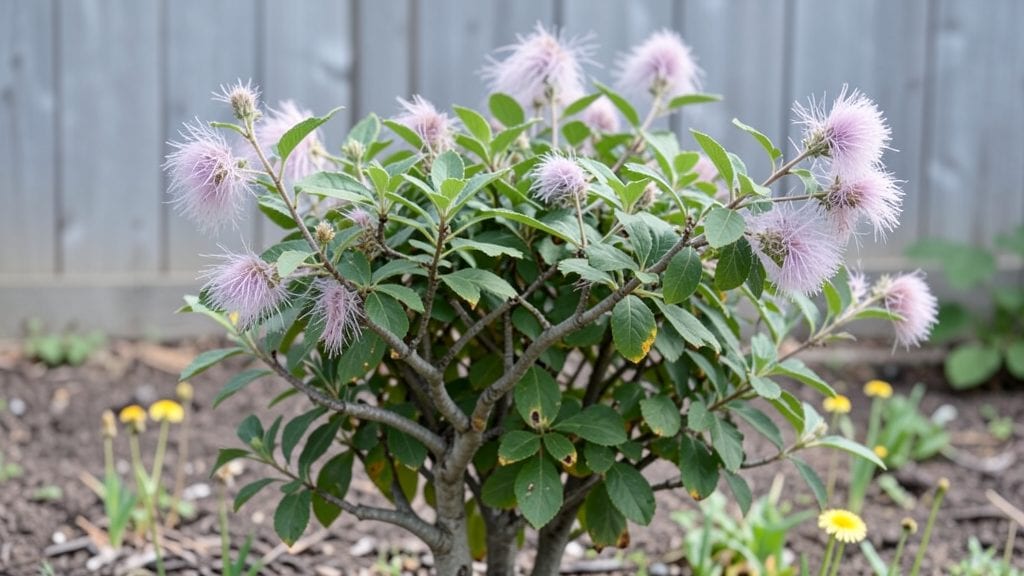
Transforming your Pacific Northwest garden with a cotinus smoke tree starts with pruning that highlights its signature wispy plumes and layered foliage. ✨ I’ve pruned these trees for years in our damp, mild climate, and the key is working with—not against—their natural growth habits.
Most gardeners over-prune, stripping away the very traits that make smoke trees special: their delicate, feathery branches and that signature "smoke" effect.
The trick is light, strategic cuts in late winter or early spring, removing only dead or crossing branches while shaping for airflow. My trees now burst with vibrant foliage by early summer, and the smoke plumes appear thicker each year.
You’ll avoid the common mistake of shearing them like hedges—smoke trees reward patience with their dramatic, airy structure.
By summer’s end, your tree will look like a living sculpture, with foliage that shifts from spring green to fiery reds and purples. The secret lies in pruning just enough to encourage new growth while preserving the tree’s natural elegance.
Let’s get those shears ready—your smoke tree’s best shape is just a few cuts away.
This method works year-round in our region, with minor adjustments for winter storms or summer heat. Even in rainy seasons, smoke trees stay resilient, making them a low-maintenance star for any Pacific Northwest landscape. The results? A tree that’s both functional and breathtakingly beautiful, with minimal effort.
📚 In This Guide
- What you need
- Instructions
- Tips and common mistakes
- Wrapping up and next steps
What you need
- ● Pruning shears: Bypass pruners (for small branches, ¼”–½” thick)
- ● Loppers: 1 pair (for medium branches, ½”–1½” thick)
- ● Pruning saw: 1 curved-tooth saw (for thick branches, 1½”+ thick)
- ● Gloves: Heavy-duty work gloves (cut-resistant, waterproof)
- ● Disinfectant: 70% isopropyl alcohol or pruning sealant (to prevent disease)
- ● Cleaning cloth/rags: 2–3 (for wiping tools between cuts)
- ● Garden twine or zip ties: 1 roll (for temporary branch support if needed)
- ● Hand pruners: Compact bypass pruners (for precision on tiny branches)
- ● Ladder: Extendable or step ladder (for tall trees, 6’+)
- ● Safety glasses: 1 pair (to shield from debris)
- ● Mulch: Shredded bark or wood chips (2–3 inches deep, for post-pruning care)
- ○ Fertilizer: Slow-release balanced fertilizer (10-10-10 ratio, optional for spring)
- ● Weather check: Prune on a dry, overcast day (avoid wind or rain)
- ● Tree health: Wait until late winter/early spring (before new growth) or summer (for shaping)
- ● Safety first: Know your tree’s reach—avoid overreaching without support!
- ● Plan ahead: Sketch a rough vision of your desired shape (or snap reference photos).
Step-by-Step instructions for pruning Cotinus smoke trees
Here's the method I rely on to keep smoke trees thriving in Pacific Northwest's wet winters and dry summers.
✂️ Step 1: Prune for Structure in Late Winter
Start your smoke tree's new shape in late February or early March, before new growth begins. This timing prevents bleeding sap and gives you a clear view of the tree's natural form. I always begin by removing any dead, diseased, or crossing branches first—they're the easiest to spot and make the rest of the job cleaner.
Use clean, sharp pruners to make cuts just outside the branch collar where the branch meets the trunk. This ensures proper healing and prevents unsightly stubs. Look for branches growing inward or rubbing against others; these compete for energy and should go first. Remember, smoke trees have a natural, airy habit, so don't over-prune—you'll want to maintain that wispy, ethereal look.
🌿 Step 2: Shape and Thin in Early Summer
In June or July, after the tree has finished its initial flush of growth, it's time to refine the shape. This is when you'll see how your winter cuts have settled in. I focus on thinning out about 20-30% of the foliage to improve air circulation—a critical factor in preventing fungal diseases common in PNW's damp climate.
Look for branches that are too dense or growing in directions that disrupt the tree's natural silhouette. Step back frequently to assess the overall shape from all angles. Smoke trees respond well to light pruning, so avoid removing more than ⅓ of any branch in one season. Use hand pruners for smaller branches and loppers for anything thicker than ½ inch in diameter.
☀️ Step 3: Light Maintenance in Fall and Winter
After the leaves have fallen in October or November, do a final light pruning to remove any remaining dead wood or branches that didn't make the cut earlier. This keeps the tree looking tidy through winter and prevents pests from overwintering in dead branches. I also check for any water sprouts that might have appeared during the growing season—these vigorous, upright shoots can detract from the tree's natural form.
In December or January, if you notice any branches that are damaged by winter storms or heavy snow, remove them immediately. Smoke trees are generally resilient, but damaged wood won't recover. This is also when I do any final shape adjustments to prepare for the next growing season. The key here is to work gently—smoke trees have a delicate, lace-like quality that shouldn't be disrupted.
⏰ Step 4: Year-Round Monitoring for Health
Throughout the year, keep an eye out for signs of stress or disease. Smoke trees are generally low-maintenance, but in the PNW's wet climate, they can be prone to powdery mildew or leaf spot. If you notice any discolored leaves or unusual growth patterns, address it immediately. I've found that a 1% horticultural oil spray in early spring helps prevent many common fungal issues before they start.
Pay special attention to the tree's growth habits—smoke trees have a tendency to grow new shoots from old wood, so don't be surprised if you see unexpected growth in unusual places. This is actually a good sign of a healthy tree, but it does mean you'll need to stay vigilant with your pruning. Regular monitoring ensures you catch any issues early and maintain that beautiful, smoky plume that smoke trees are famous for.
Tips & tricks for pruning Cotinus smoke trees
These pro tips will help you maintain your smoke tree's signature wispy silhouette while keeping it healthy through PNW's challenging climate.
Timing is Everything: The late February/March window for Step 1 is crucial because it's when smoke trees are still dormant but before sap starts flowing. I've seen trees bleed sap when pruned too early—this weakens the plant and attracts pests. In particularly cold winters, you might delay until early March, but don't wait past bud break. The same principle applies in Step 3: that October/November timing prevents winter damage while still allowing time for new growth to harden off before cold snaps.
Cutting Technique Matters: When making those all-important cuts in Step 1, use a sharp pruner and cut just outside the branch collar—never leave a stub. I learned this the hard way after seeing multiple trees develop cankers from improper cuts. For branches thicker than ½ inch (Step 2), make the cut at a slight angle to help water run off. And always sterilize your tools between cuts with rubbing alcohol to prevent spreading disease, especially important in PNW's damp climate.
Thinning Strategy: The 20-30% thinning target in Step 2 might seem vague, but here's how I determine it: I look for clusters where I can see light through the foliage when standing 3-4 feet away. Smoke trees have a natural open habit, so you're essentially just enhancing what they already do well. Remember that ⅓ branch limit—removing more than that in one season stresses the tree, especially in our rainy summers when they need all their energy for new growth.
Seasonal Health Check: That early spring horticultural oil spray in Step 4 is my secret weapon against powdery mildew. I mix 1% horticultural oil with water (1 part oil to 99 parts water) and apply it when buds first swell but before leaves emerge. This timing prevents fungal spores from establishing while protecting beneficial insects. In Step 1, I also check for any signs of scale insects—common on smoke trees—that might have overwintered on branches.
Pro Tips for Cotinus Smoke Tree
- These pro tips will help you maintain your smoke tree's signature wispy silhouette while keeping it healthy through PNW's challenging climate.
- Timing is Everything: The late February/March window for Step 1 is crucial because it's when smoke trees are still dormant but before sap starts flowing.
- Cutting Technique Matters: When making those all-important cuts in Step 1, use a sharp pruner and cut just outside the branch collar—never leave a stub.
Frequently asked questions
Got questions about pruning your Cotinus smoke tree? You’re not alone! Here are answers to the most common queries—whether you’re a first-time pruner or just want to keep your tree thriving in the Pacific Northwest’s unique climate.
When is the best time to prune a smoke tree?
The ideal time to prune is late winter or early spring (February–March), just before new growth begins. This timing encourages fresh, vibrant foliage and minimizes stress. Avoid heavy pruning in fall—it can stimulate tender growth that may not survive winter. Pro tip: Light shaping in summer is fine, but avoid drastic cuts.
How much can I prune without harming the tree?
You can safely remove up to 25–30% of the tree’s foliage in a single session, but avoid cutting more than that. Smoke trees are resilient, but excessive pruning can weaken the plant. For mature trees, spread pruning over 2–3 years to maintain health. Focus on removing dead, diseased, or crossing branches first.
Does the Pacific Northwest’s rainy climate affect pruning?
Yes! Wet weather can slow healing, so prune during dry spells (even in winter). If pruning in spring, wait until after the last hard frost to avoid frost damage to fresh cuts. Use sterilized tools to prevent fungal issues common in damp climates. Pro tip: Apply a thin layer of pruning sealant to large cuts if rain is forecasted.
Can I shape a smoke tree into a hedge or topiary?
Smoke trees respond well to formal shaping, especially when pruned year-round with regular trims. For hedges, prune every 4–6 weeks in growing season to maintain density. Use hedge shears for clean lines and hand pruners for detail work. Warning: Avoid over-trimming—these trees thrive with some natural, airy growth.
What if my smoke tree isn’t recovering after pruning?
If your tree looks leggy, sparse, or stressed post-pruning, it may need adjustment. Try these fixes:
- Thin out dense areas to improve airflow.
- Fertilize lightly with balanced 10-10-10 in early spring.
- Water deeply if the soil is dry (but avoid soggy roots).
- Wait until next year for major cuts if the tree is struggling.
If branches die back, it’s often a sign of over-pruning—give it time to bounce back!
Wrapping up and next steps
The Cotinus smoke tree is a stunning, low-maintenance addition to Pacific Northwest gardens—especially when pruned with care! By following seasonal techniques, you’ll encourage vibrant foliage, lush growth, and that signature smoky charm year-round. 🌿✨
Ready to transform your garden? Grab your pruners and start small—even a single trim can make a difference. Next up: Observe your tree’s unique shape and growth patterns, then experiment with light pruning to find what works best for your space. Happy gardening!