
Pruning
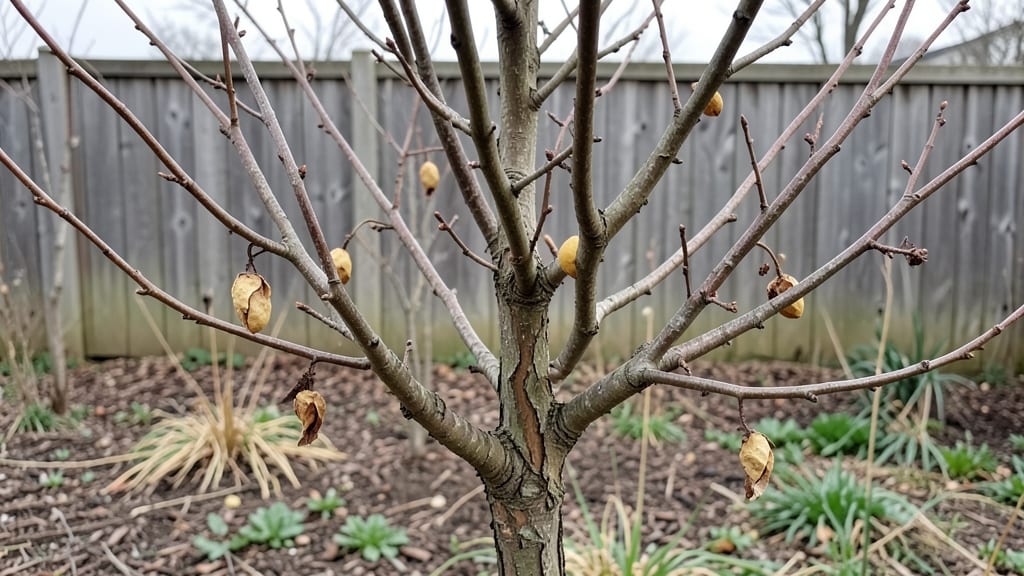
Winter pruning your apricot tree isn’t just about shaping branches—it’s about setting the stage for next summer’s harvest. 🌱 In the Pacific Northwest, where frosts linger and rain keeps soil damp, the right cuts now mean stronger fruit production later.
I’ve learned the hard way that skipping this step leads to weak growth and fewer apricots by July.
The key is timing: prune after the first hard frost but before buds swell in late winter. You’ll need sharp pruners, a ladder for taller trees, and a clear day to avoid wet wood splintering.
Focus on removing dead wood first, then thin crowded branches to improve airflow—this prevents fungal diseases that thrive in our damp climate.
What you’ll end up with is a tree that bursts into leaf earlier in spring, with sturdy branches holding heavier fruit loads. The first apricots will ripen sweeter and larger, and you’ll spend less time propping up sagging limbs. Think of it as winter prep for summer’s golden bounty.
This method works for both young trees and established ones, though mature trees need more aggressive thinning. The same principles apply whether you’re in Seattle’s cooler microclimates or the drier eastern slopes—just adjust for frost timing. Ready to give your tree the winter care it deserves?
📚 In This Guide
- What you need
- Instructions
- Tips and common mistakes
- Wrapping up and next steps
What you need
- ● Pruning shears – Bypass-style (for clean cuts on small branches, ¼"–½" diameter). Quantity: 1 (sharp and sanitized).
- ● Loppers – Long-handled (for branches ½"–1½" thick). Quantity: 1.
- ● Pruning saw – Curved-tooth (for thick branches 1½"+). Quantity: 1.
- ● Gloves – Leather or heavy-duty (to protect from thorns and cold). Quantity: 1 pair.
- ● Disinfectant – 70% isopropyl alcohol or bleach solution (1:9 bleach-to-water ratio). Quantity: Small spray bottle or cloth.
- ○ Pruning sealant – Optional but helpful (for large cuts >2" diameter). Quantity: Small tube.
- ● Tarp or drop cloth – Heavy-duty (to collect debris). Quantity: 1 (4'x6' or larger).
- ● Ladder – Sturdy, extendable (if tree exceeds 6' tall). Quantity: 1 (with non-slip feet).
- ● Marking twine or flags – Bright-colored (to tag branches for removal). Quantity: Small roll + 10–15 flags.
- ● Hand saw – For stubborn, oversized branches.
- ● Pruning paint – Copper-based (to seal cuts and prevent disease).
- ● Work boots – Waterproof and ankle-supporting (PNW winters can be muddy!).
- ● First-aid kit – Basic (for thorn pricks or minor cuts).
- ● Notebook & pen – To sketch your tree’s structure before/after pruning.
Step-by-step guide to pruning apricot trees in winter
Here's how to shape your tree for strong, frost-resistant growth—tested in PNW climates.
✂️ Step 1: Assess the Tree and Gather Tools
Start by examining your apricot tree in late winter before buds swell. Look for dead, crossing, or diseased branches—these are your first targets. I always use clean, sharp pruning shears for cuts under ½ inch in diameter and loppers for thicker branches. Disinfect tools with rubbing alcohol between cuts to prevent spreading disease.
Check for any branches rubbing together—they’ll create wounds that invite pests. Also scan for weak growth from last season (thin, pale stems) and mark them for removal. This is the moment that matters: removing these now prevents future problems and improves air circulation, which is critical for frost resistance.
✂️ Step 2: Remove Dead and Problem Branches First
Make your first cuts at a 45-degree angle just outside the branch collar—the swollen area where the branch meets the trunk. Never leave stubs, as they invite rot. For dead branches, cut back to the nearest healthy bud or lateral branch. If a branch is diseased, cut 6 inches below the affected area to ensure the disease doesn’t linger.
I know it seems counterintuitive, but don’t worry about the tree’s appearance yet. Your goal is to eliminate weak points first. You’ll see stronger structure emerge after this cleanup. For larger branches, use the three-cut method to avoid tearing the bark: make the first cut about 12 inches out, the second just outside the branch collar, and the third to remove the remaining flap.
☀️ Step 3: Open the Canopy for Sun and Airflow
Now focus on thinning the tree’s interior to let sunlight reach the center. Remove branches that grow inward or cross others—these compete for resources and create shaded, damp areas where frost can linger. Aim to reduce the canopy by no more than 25% total, as drastic cuts shock the tree. You’ll notice healthier, more vigorous growth in spring when light penetrates evenly.
Pay special attention to water sprouts—those fast-growing, vertical shoots. They’re energy vampires. Cut them back to a lateral bud or remove entirely if they’re too weak. This ensures the tree directs energy to fruit production rather than unnecessary growth. Real talk: skipping this step means more frost damage next winter.
⏰ Step 4: Shape the Tree for Frost Resistance
After thinning, step back and visualize the tree’s structure. Apricot trees thrive with an open center and a slightly rounded top. Prune to create a vase-like shape, which allows cold air to drain away from the trunk. Cut back any branches growing straight upward—they’re more prone to frost damage. You’ll see the tree’s natural form emerge as you make these adjustments.
For younger trees, focus on establishing a strong scaffold of 4-6 main branches spaced evenly around the trunk. Avoid heavy pruning on young trees—just remove deadwood and shape gently. Older trees can handle more aggressive shaping, but never remove more than 25% of the canopy in one season. This balance is key for frost resilience.
Tips & tricks for pruning apricot trees in winter
Here's what nobody tells you about winter pruning—these tricks save time and keep your tree thriving through PNW winters.
The Timing Secret: Prune in late winter when buds are still dormant but before they swell. This timing prevents stressing the tree and gives it time to heal before spring growth. In the PNW, aim for February to early March when frost is still a concern but before the tree wakes up. If you prune too early, you risk exposing tender wood to harsh winter winds.
Tool Prep Matters: Clean and sharpen your tools before you start—dull blades tear bark, creating wounds that invite disease. I always disinfect my pruning shears with rubbing alcohol between cuts, especially when dealing with diseased branches. For larger branches, use loppers or a handsaw, but make sure they're sharp enough to cut cleanly without crushing the wood. A clean cut heals faster and looks better too.
Visualize the Vase Shape: Step back frequently to check your progress. The goal is an open center with a slightly rounded top that allows cold air to drain away from the trunk. Think of it like creating a natural umbrella—this shape prevents frost from settling in the center where it can damage buds. For younger trees, focus on establishing 4-6 main branches spaced evenly around the trunk. This scaffold will support better fruit production as the tree matures.
Water Sprout Watch: Those fast-growing vertical shoots might look vigorous, but they're energy vampires that drain resources from fruit production. Cut them back to a lateral bud or remove them entirely. I've seen trees with dozens of these sprouts—removing them can double your fruit yield next season. Look for them in the crotches between branches and at the ends of limbs where they often appear.
Pro Tips for Apricot Tree In Winter
- Here's what nobody tells you about winter pruning—these tricks save time and keep your tree thriving through PNW winters.
- The Timing Secret: Prune in late winter when buds are still dormant but before they swell.
- Tool Prep Matters: Clean and sharpen your tools before you start—dull blades tear bark, creating wounds that invite disease.
Frequently asked questions
Got questions about keeping your apricot tree thriving through the Pacific Northwest’s chilly winters? Here are some common concerns—and expert answers—to help you prune with confidence!
When is the exact best time to prune an apricot tree in winter?
The ideal window is late winter—after the coldest snaps have passed but before buds swell (typically February to early March in the PNW). Pruning too early risks frost damage to fresh cuts; waiting too late encourages new growth that won’t harden before spring. Check your local frost dates for precision!
How cold is too cold to prune an apricot tree?
Avoid pruning when temps drop below 20°F (-7°C). Apricot trees are semi-hardy (USDA Zones 5–9), but extreme cold can stress the tree. If you must prune in a deep freeze, wait until midday when temps rise slightly—just don’t cut into frozen wood (it’s brittle and tears unevenly).
Can I prune an apricot tree in winter if it’s already leafless?
Leafless trees make pruning easier—you can see the tree’s structure clearly. Focus on removing dead, crossing, or diseased branches first, then thin the canopy by 20–30% to improve airflow. Just avoid heavy pruning if the tree looks stressed (e.g., from drought or pests).
What if my apricot tree doesn’t have fruit—or very few—after winter pruning?
Don’t panic! Apricot trees often skip fruiting in their first few years or after major pruning (they prioritize root/structure growth). For established trees, ensure you’re pruning open-centered (avoid over-thinning) and fertilizing in early spring with low-nitrogen, high-phosphorus blend. Patience pays off—fruit production peaks at 5–7 years!
Are there alternatives to winter pruning for apricot trees?
While winter is optimal, you can lightly prune in late summer (July–August) to remove only water sprouts or diseased branches. Avoid heavy pruning then—it stimulates tender growth vulnerable to frost. For container-grown apricots, prune year-round to control size, but still prioritize winter for major cuts.
| Quick Troubleshooting | Solution |
|---|---|
| Pruned branches ooze sap | Normal! Seal cuts with pruning sealant (optional for small trees) to prevent disease. |
| New growth appears after winter pruning | Lightly prune again in early spring to redirect energy to fruit production. |
| Sawdust-like frass near pruning cuts | Check for borers—treat with neem oil or invite woodpeckers (natural pest control!). |
Wrapping up and next steps
Winter pruning your apricot tree in the Pacific Northwest isn’t just about shaping—it’s about setting the stage for vibrant, frost-resistant growth and a bountiful harvest.
By following the right techniques, timing, and tools, you’ll protect your tree from harsh winters while maximizing its potential. Now’s your chance to turn theory into action!
Ready to give your apricot tree the care it deserves? Grab your pruners, mark your calendar, and start planning your winter pruning session today. Your future fruit-laden branches will thank you! 🌱✂️