
Pruning
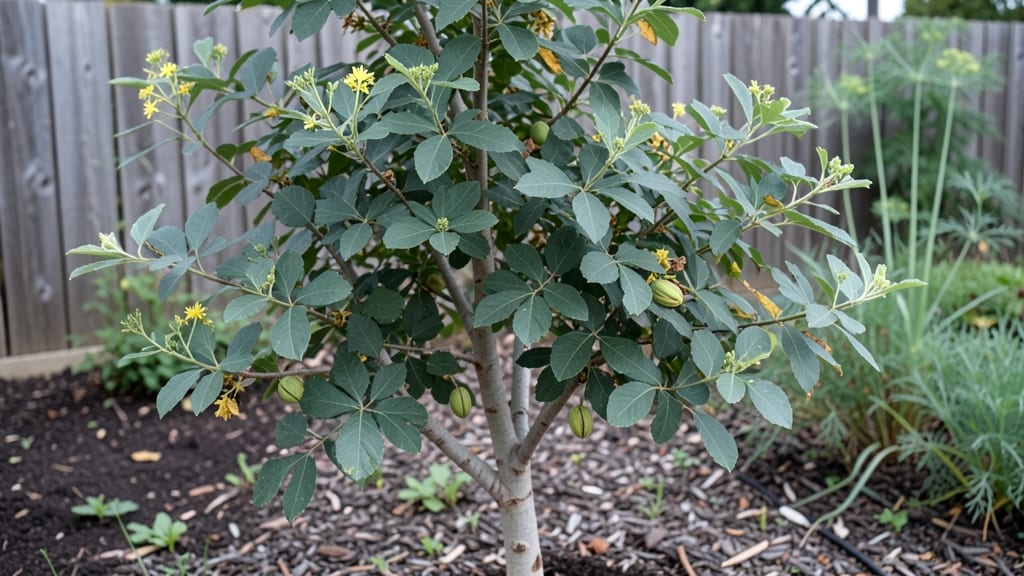
Planting a cold-hardy pistachio tree in the Pacific Northwest feels like cheating—these trees thrive where others freeze. 🌱 I’ve grown them in Zone 7a, and with the right prep, they handle winters that drop to 10°F without flinching.
The secret isn’t just the variety; it’s the soil, the timing, and a few tricks to protect young wood.
You’ll need well-draining soil (think sandy loam mixed with compost), a sunny spot with at least 6 hours of light, and patience—these trees take 3-5 years to bear nuts.
The cold-hardy cultivars like ‘Kerman’ or ‘Peters’ are your best bet, but even they need winter protection until established. Mulch heavily in fall, wrap young trunks, and avoid late-season watering.
By summer’s end, you’ll see glossy green leaves and the first signs of those signature pistachio clusters. The nuts? Rich, buttery, and worth every bit of winter prep. Prune in late winter to shape the tree and remove dead wood, but hold off until after the worst frost passes.
This works for gardeners in Zones 7–9, whether you’re planting in containers or the ground. The key is adapting: in colder microclimates, add extra mulch; in wetter areas, improve drainage. Here’s how to make it happen without losing your tree to frostbite.
📚 In This Guide
- What you need
- Instructions
- Tips and common mistakes
- Wrapping up and next steps
What you need
- ● Cold-hardy pistachio sapling: Choose a grafted variety like Pistacia vera 'Kerman' or Pistacia atlantica (native to colder climates). 1-3 plants recommended for optimal pollination.
- ● Pruning tools: Bypass pruners (sharp, 4-6 inch blades)
- ● Loppers (18-24 inch reach for thicker branches)
- ● Pruning saw (for branches >2 inches thick)
- ● Protective gear: Gloves (cut-resistant, garden-grade)
- ● Safety goggles (for debris protection)
- ● Winterization supplies: Burlap or frost cloth (for young trees)
- ● Tree wrap (to prevent sunscald)
- ● Mulch (4-6 inches of wood chips or straw)
- ● Soil amendments: Compost or mycorrhizal fungi (boosts root health)
- ● Drip irrigation kit (for consistent moisture)
- ● Tree stake & ties (for young, unstable trees)
- ● Fungicide spray (prevents disease in wet climates)
Step-by-step instructions for planting a cold-hardy pistachio tree in the Pacific Northwest
Here's how to establish a frost-resistant pistachio tree that thrives in your region's unique climate.
🌱 Step 1: Select and Prepare the Planting Site
Choose a location with full sun exposure (6+ hours daily) and well-draining soil—a critical factor for cold-hardy pistachios. These trees despise soggy roots, so test your soil by digging a 12-inch deep hole. If water pools after 24 hours, amend with 2-3 inches of compost mixed into the top 12 inches of soil to improve drainage.
Pacific Northwest winters bring cold snaps, so select a site sheltered from prevailing winds. A south-facing slope captures winter sun, which helps prevent frost damage to young bark. Avoid low-lying areas where cold air settles. If your yard has heavy clay, consider planting in a raised bed or mound to elevate the root zone.
🪴 Step 2: Plant at the Right Time and Depth
Plant your 3-5 gallon container-grown pistachio tree in early spring, 4-6 weeks before your last frost date, when soil temperatures reach 60°F. Dig a hole twice as wide as the root ball but no deeper—planting too low suffocates roots and causes rot. The top of the root ball should sit 1-2 inches above ground level.
Gently remove the tree from its container and loosen any circling roots with your fingers. Place it in the hole, backfill with native soil (not amended mix), and water deeply to settle the soil. Mulch with 2-3 inches of wood chips, keeping the mulch 6 inches away from the trunk to prevent rot. This mulch layer insulates roots during winter freezes.
☀️ Step 3: Provide Seasonal Care for Cold Adaptation
Water deeply once weekly during the first growing season, providing 1-2 gallons per week depending on rainfall. Young trees need consistent moisture to establish roots, but avoid waterlogging. You'll know you're doing it right when the soil feels damp 4-6 inches down but not soggy.
In late fall, apply a 2-inch layer of mulch around the base (again, keeping it clear of the trunk). This extra insulation helps protect roots during 10-15°F winter lows, which pistachios can handle but prefer to avoid. Prune in late winter to remove any dead or crossing branches, cutting back to 1/4-inch above a bud to encourage healthy growth.
⏰ Step 4: Monitor and Adjust for Long-Term Frost Resistance
Watch for signs of winter stress in early spring—buds that fail to swell or leaves that appear scorched may indicate insufficient cold hardening. If this happens, consider wrapping the trunk with tree wrap during winter to protect against sunscald, which can occur when winter sun warms bark too quickly.
By year three, your tree should be established enough to handle 0°F temperatures with proper care. At this stage, reduce watering to every 2-3 weeks during dry spells, as mature pistachios are more drought-tolerant. Fertilize lightly in early spring with 10-10-10 granular fertilizer, applying 1/2 cup per inch of trunk diameter.
Tips & tricks for perfect cold-hardy pistachio tree planting
Here's what I learned after helping clients establish thriving pistachio trees in Pacific Northwest climates.
Soil Test Timing: The 24-hour water test for drainage is non-negotiable—don't rush it! I've seen too many trees fail because impatient gardeners assumed their soil was fine. For heavy clay soils, consider testing multiple spots in your yard since drainage can vary dramatically. If you're unsure, hire a local soil consultant for a professional analysis before planting.
Root Ball Placement: That 1-2 inch elevation above ground level is critical for preventing rot, but here's the secret: use a small stake to mark the exact planting depth before removing the tree from its container. This helps you visualize where the root ball should sit once planted. I've seen gardeners accidentally bury the root ball too deep, which suffocates the tree and causes long-term stress.
Mulch Layer Strategy: When you apply the 2-3 inch wood chip mulch, think of it as creating a thermal blanket for your tree's roots. The key is to maintain that depth every fall—don't let it compact or disappear over time. I recommend using coarse wood chips rather than fine mulch, as they break down more slowly and maintain better insulation properties through winter.
Winter Protection: For those 10-15°F winter lows, consider adding an extra layer of protection if you're in a particularly cold microclimate. I've had success wrapping the trunk with tree wrap and then adding a thick layer of straw mulch (6-8 inches) around the base. This creates a snow tunnel effect that can raise soil temperatures by several degrees during cold snaps.
Pro Tips for Cold Hardy Pistachio Tree
- Here's what I learned after helping clients establish thriving pistachio trees in Pacific Northwest climates.
- Soil Test Timing: The 24-hour water test for drainage is non-negotiable—don't rush it!
- Root Ball Placement: That 1-2 inch elevation above ground level is critical for preventing rot, but here's the secret: use a small stake to mark the exact planting depth before removing the tree from its container.
Frequently asked questions
Got questions about growing cold-hardy pistachio trees in the Pacific Northwest? You’re not alone!
Here are answers to the most common concerns—from planting to pruning—so you can grow thriving trees with confidence.
How cold can a cold-hardy pistachio tree actually handle?
A truly cold-hardy pistachio variety (like Pistacia vera ‘Kerman’ or newer hybrids) can survive down to 10–15°F (-12 to -9°C) with proper care. However, young trees or newly planted specimens may need winter protection (like mulch or frost cloth) until established. Hardiness varies by cultivar—always check the specific variety’s USDA zone rating!
How long does it take for a cold-hardy pistachio tree to bear nuts?
Patience is key! Most cold-hardy pistachios take 4–7 years to produce their first harvest, depending on growing conditions, soil quality, and pruning practices. Dwarf varieties may fruit slightly earlier (3–5 years), but full production can take up to a decade. Consistently warm summers (for nut development) and cold winters (to break dormancy) are critical.
Can I grow cold-hardy pistachios in containers or small spaces?
Yes, but with limitations. Dwarf or semi-dwarf varieties (like ‘Peters’) work best in 15–25 gallon containers for patios or urban gardens. Ensure the pot has drainage holes, use a well-draining soil mix, and move containers indoors (or to a protected garage) when temperatures drop below 20°F (-7°C). Containers dry out faster—water deeply 2–3 times per week in summer.
When and how should I prune a cold-hardy pistachio tree?
Prune late winter or early spring (before buds swell) to remove dead, diseased, or crossing branches. Focus on opening the canopy for airflow (pistachios hate humidity!). Avoid heavy pruning in fall—it stimulates new growth that won’t harden off before winter. Use sterilized tools and seal cuts with pruning sealant to prevent disease in wet PNW climates.
What pests or diseases should I watch for in the Pacific Northwest?
Cold-hardy pistachios face fewer pests than tropical varieties, but keep an eye out for:
- Aphids (sap-sucking insects—blast off with water or use neem oil).
- Bot canker (fungus causing oozing cankers—remove infected branches immediately).
- Scale insects (sticky residue on leaves—treat with horticultural oil).
PNW’s damp springs can foster fungal issues—ensure good airflow with proper pruning and avoid overhead watering.
Wrapping up and next steps
Growing a cold-hardy pistachio tree in the Pacific Northwest is absolutely doable with the right knowledge and care! 🌱 By choosing frost-resistant varieties, mastering pruning techniques, and providing proper winter protection, you can enjoy a thriving tree that delivers delicious nuts year after year.
Start small—plant your tree, monitor its growth, and refine your approach as you go.
Ready to take the next step? Grab your pruning shears, mark your calendar for seasonal tasks, and watch your pistachio tree flourish! 🌿✨